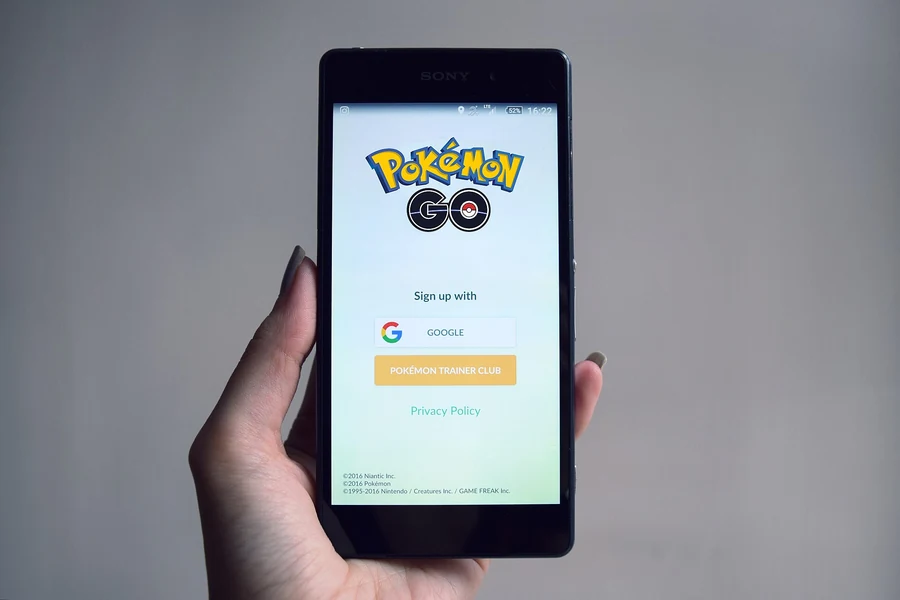
 Apple a Google · 2008
Mobile
Mobil (iOS a Android)
History & context
Mobile gaming is a special chapter in this guide. It isn't hardware you could put on a shelf next to a Mega Drive, nor is it a single console with a clear beginning and end — and yet since 2008 it has been the biggest gaming platform in the world. For an entire generation, it was also the platform that came first: before anyone ever picked up a controller, they had already logged hundreds of hours in Angry Birds or Subway Surfers.
It started quietly. When Apple opened the App Store in July 2008, games in it were more of a side product — the phone was sold as a communication and music device. But the touchscreen, the accelerometer, and above all a distribution model in which a two-person team could sell to the whole world without a publisher, set off something nobody had planned. Within two years, "apps" turned into games, and games into a business that within a decade outgrew consoles and PCs combined.
The era when everything was being reinvented
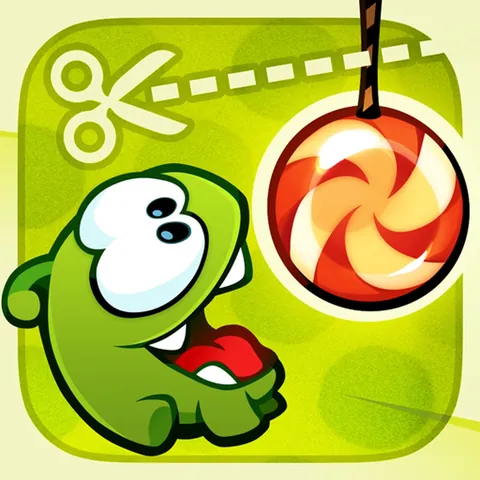
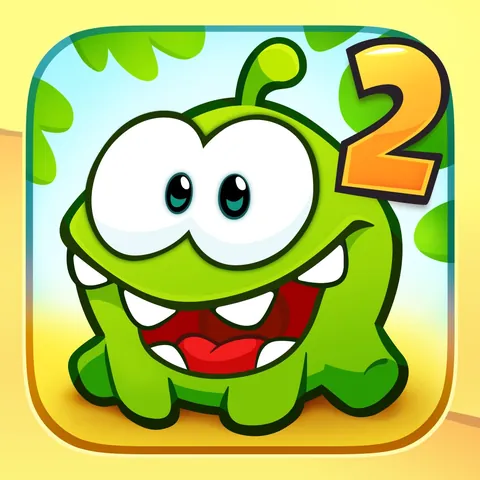
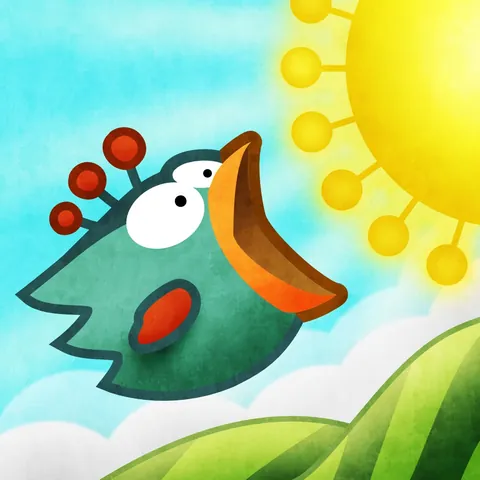
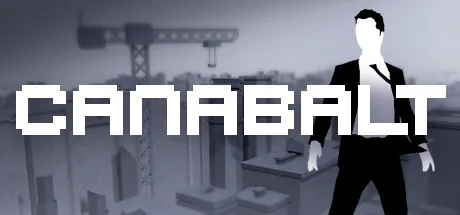
The first years of the App Store are still fascinating today, because nobody knew how you were even supposed to play on a touchscreen. Classic controls were gone, so it was figured out from scratch. Trism (2008) was built on tilting the phone, Flight Control (2009) invented drawing routes with a finger and kicked off an entire genre, Canabalt (2009) reduced the game to a single button and founded the endless-runner genre, from which Temple Run and Subway Surfers later grew. Tiny Wings and Cut the Rope proved that simple physics and pretty graphics were enough for a worldwide hit.
Prices, meanwhile, were laughably low — a dollar, two. In hindsight that looks like a minor detail, but it was a tectonic shift: players got used to a game costing less than a coffee, and developers had to make up for it in volume. That equation later gave birth to microtransactions and free-to-play, but first an entire wave of small studios profited from it. Rovio made Angry Birds as its fifty-second game — nobody remembers the previous fifty-one.
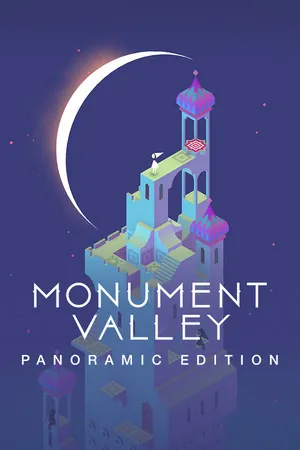
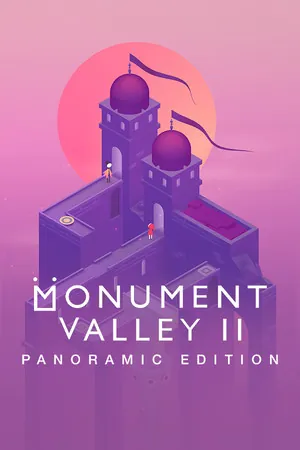
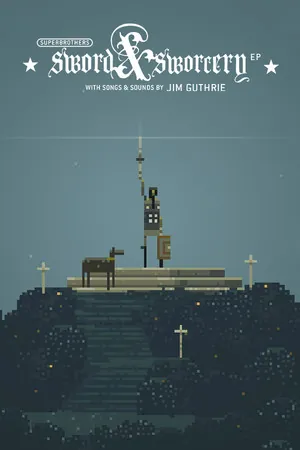
It also turned out the phone wasn't just for killing time on the tram. Infinity Blade (2010) ran on the Unreal Engine and looked better than plenty of games on the consoles of the time. Superbrothers: Sword & Sworcery EP (2011) proved a mobile game could be a work of art. And The Room (2012) along with Monument Valley (2014) opened up the "premium touch game" genre, which remains to this day among the best things on a phone.
When games became an industry
Around 2012, everything shifted. Free-to-play stopped being an experiment and became the norm: Candy Crush Saga, Clash of Clans, Puzzle & Dragons. A game was no longer sold, it was operated — with daily rewards, energy that recharges, and offers that expire in two hours. Studios like Supercell or King earned more than big console brands.
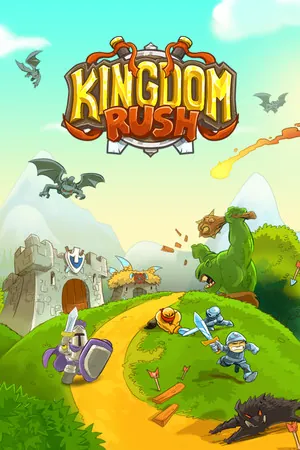
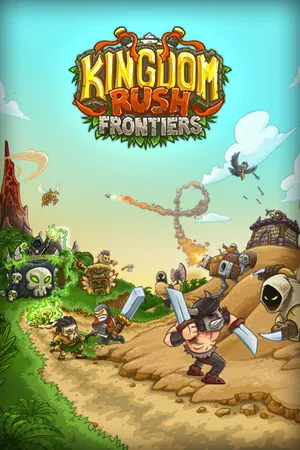
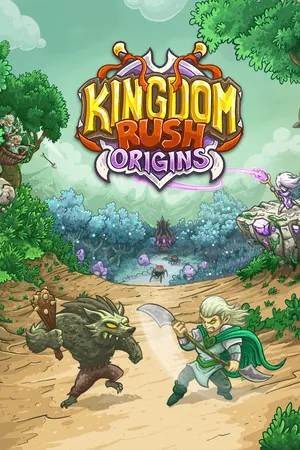
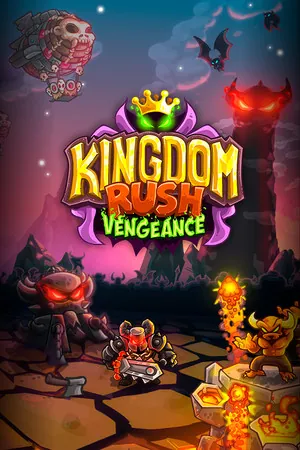
It's easy to condemn this era, and much of that is deserved. But it would be dishonest to pretend no good games came out of it. Clash Royale is an exceptionally clever design, Kingdom Rush ranks among the best of the tower-defense genre, and Plague Inc. is a small design gem. And from the Japanese branch of the genre — gacha — grew things like Genshin Impact, which is without question a great game, just one you pay for differently than we're used to.
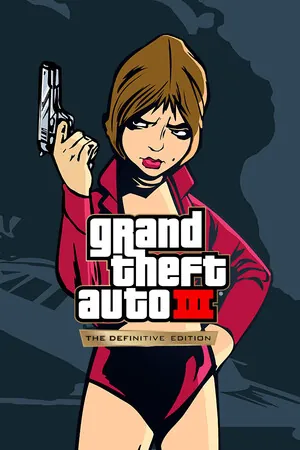
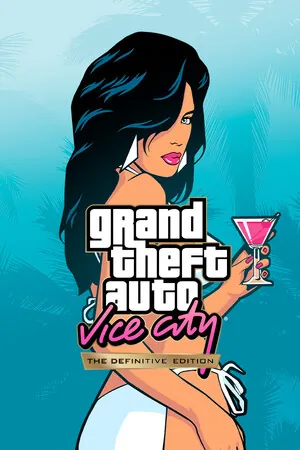
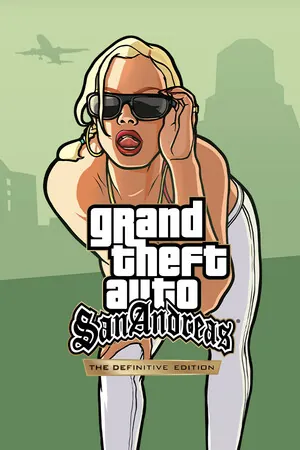
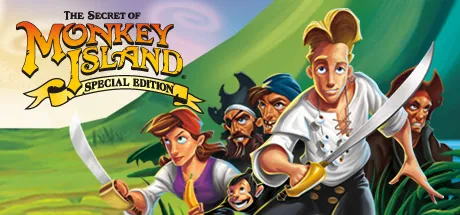
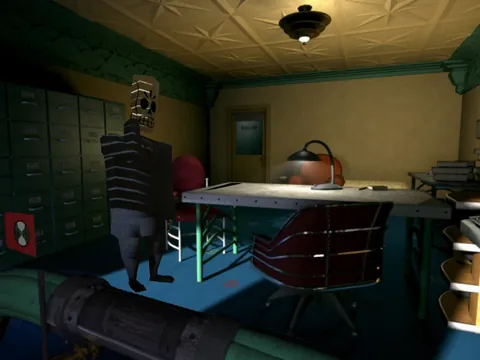
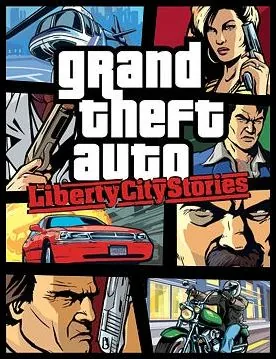
At the same time, a second, quieter line was running, one more interesting for retro gamers: ports. GTA III, Vice City, and San Andreas made it to phones, along with the whole of Knights of the Old Republic, Baldur's Gate, Chrono Trigger, Final Fantasy IX, Monkey Island, Grim Fandango. A piece of gaming history that would otherwise have stayed on old discs suddenly fit in a pocket — with touch controls that, for point-and-click adventures, actually work even better than a mouse.
Where it stands today
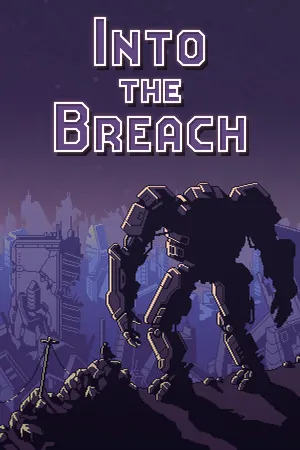
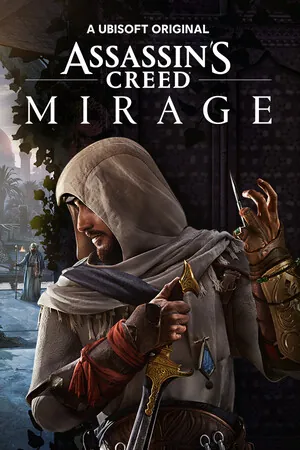
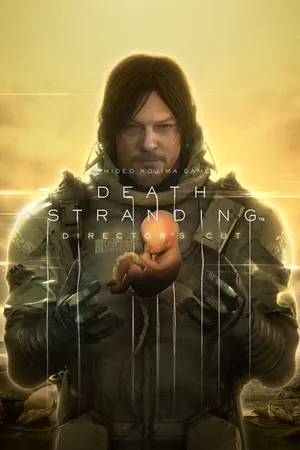
Today's mobile scene is a strange mix. On one side, the top-grossing charts, topped by Monopoly GO!, Royal Match, or Whiteout Survival — games designed primarily as money machines. On the other side, phones with chips powerful enough to run Resident Evil 4, Death Stranding, and Assassin's Creed Mirage in their full versions, and subscriptions like Apple Arcade and Netflix Games, where you'll find Hades, Into the Breach, or Sonic Mania Plus without a single ad.
For retro gamers there's a third, important layer: the phone is also a full-fledged emulator. Since 2024 the App Store has allowed retro emulators outright, and on Android they've worked for ages — so alongside Balatro and Vampire Survivors, you can fire up an SNES, a PlayStation, or an Amiga on that same screen. For how to do it, see the Hardware and Android sections.
How we've approached it here
We treat mobile games as a single platform, not iOS and Android separately. The vast majority of titles came out on both, often on the same day, and splitting them up would mean hundreds of duplicates. Where a game is exclusive — Infinity Blade, Device 6, and others on iOS only — that's noted directly in the game's text.
The selection is deliberately broad. There are founders and today's hits, artistic gems and commercial phenomena that nobody would call great games. Coin Master or Gacha Life aren't here because someone recommends them, but because without them the picture of mobile gaming would be untrue — and this site aims for the picture, not the leaderboard.
Games on this platform (363)



Drop7
Falling numbered discs that vanish based on how many neighbors match; Tetris's smarter cousin.



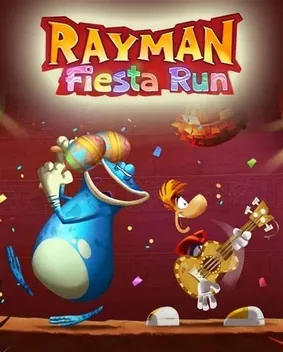
Rayman Fiesta Run
A carnival-themed sequel with new characters; the same precise platforming design.



Blek
You draw just a line, no character; a playful puzzle without a single word of text or tutorial.





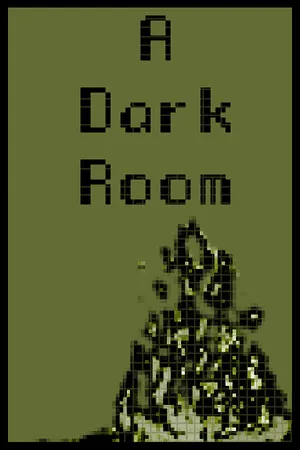
A Dark Room
A text-based survival game that grows from a few lines by the fire into an entire world.





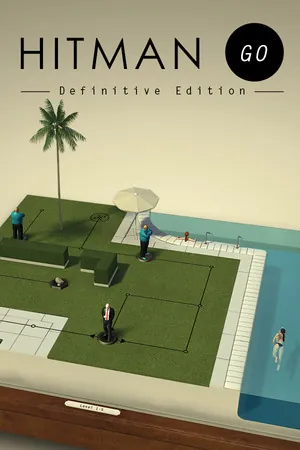
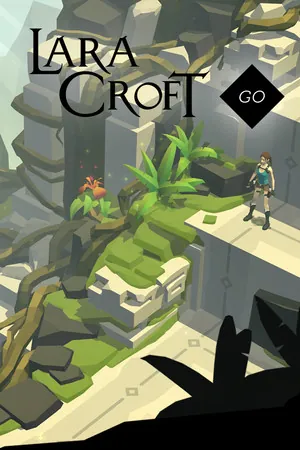
Deus Ex GO
A cyberpunk turn-based puzzle; the third installment in Square Enix Montréal's GO series.







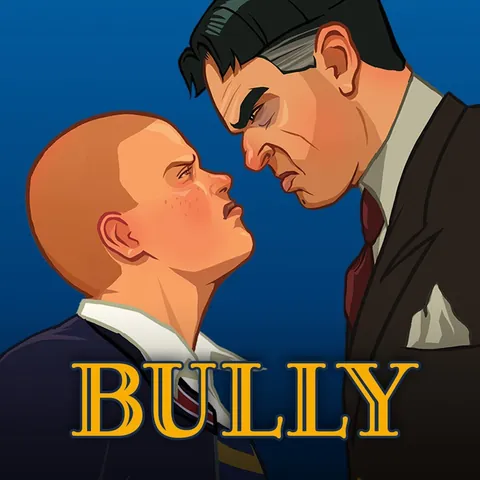
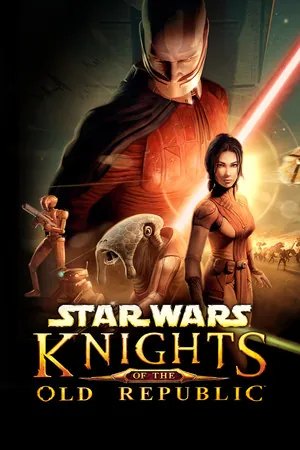
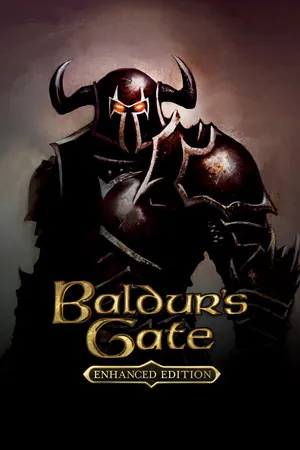
Baldur's Gate: Enhanced Edition
A classic D&D RPG that set the bar for the entire genre decades ago.

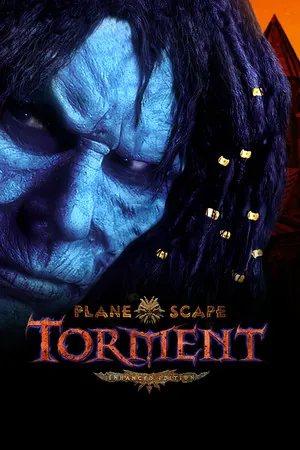



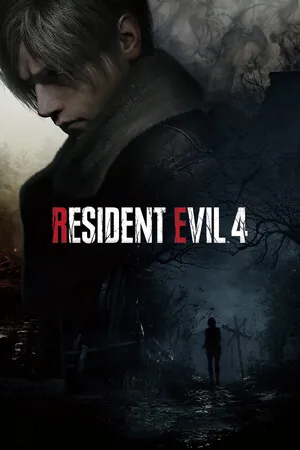
Resident Evil 4
A survival horror whose over-the-shoulder camera redefined the entire genre in 2005.





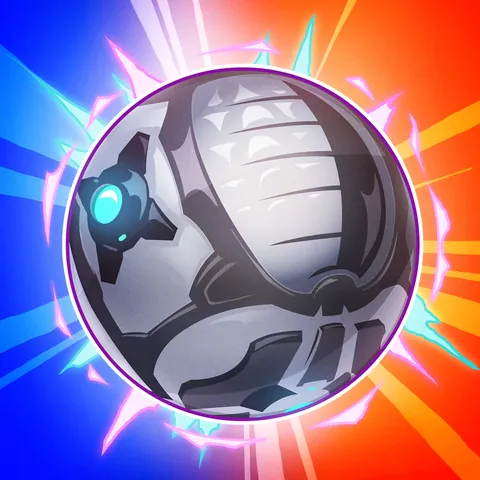
Rocket League Sideswipe
Rocket League from a side view; the same physics and cars, in pocket format.














Survivor.io
A mobile clone of Vampire Survivors; surviving a horde of undead with a growing arsenal.






















Wordscapes
Crossword puzzles combined with finding words in a letter grid; an addictive word puzzle.






















No game in this genre.