Angry Birds
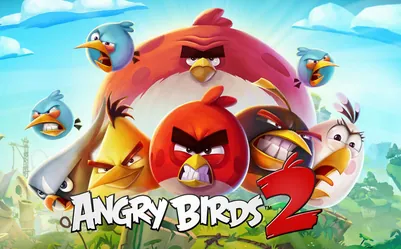
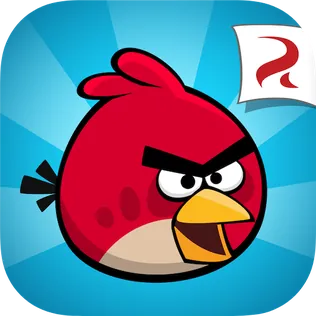
Angry Birds arrived on the App Store in 2009 and turned a simple idea — slingshotting a bird at a tower built by green pigs — into a worldwide phenomenon that even people who otherwise played no games at all were talking about. The controls were tailor-made for the touchscreen: a finger pulls back the slingshot's rubber band, releasing it launches the bird, and the player watches the physics model scatter wood, glass, and stone around the pigs' hideouts. Any level could be cleared with one lucky shot, but three stars for a perfect demolition required a well-thought-out trajectory, the right bird type at the right moment, and often several repeated attempts.
Rovio had previously released more than fifty games without much success, and Angry Birds emerged as a response to the iPhone boom of the time — a simple concept that could be played for a few minutes on a tram ride or for an entire evening collecting stars across all the levels. Its colorful cartoon look, feisty birds with distinct personalities, and short, catchy tunes made it the first mobile game known to practically the whole smartphone-owning population. Its success kicked off a wave of level-based physics puzzles in app stores and turned Rovio into a studio that went on to profit from merchandising, a film, and its own animated series built on the same characters.
The paid model of the early versions, a one-time purchase with no ads, later turned into a game with ads and microtransactions as Rovio gradually shifted to a free-to-play economy across the whole series and its sequels. The original first title, however, remains a showcase of how well the physics-puzzle genre fit the touchscreen, which is why it still works today even without nostalgia for the first app-store craze.
Why play: For anyone who wants to see exactly what the moment looked like when the mobile phone became a full-fledged gaming platform, and who enjoys a short physics puzzle between other tasks.
Game 1 of 363 for Mobil (iOS a Android)