Angry Birds 2
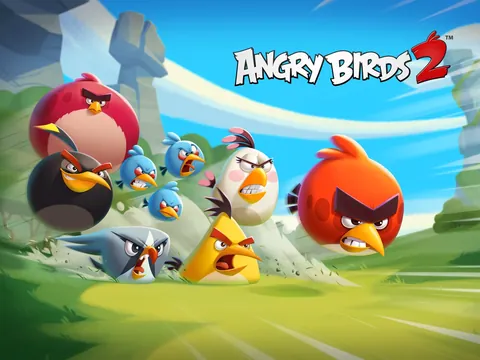
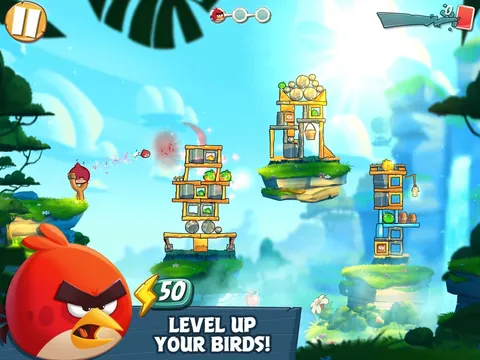
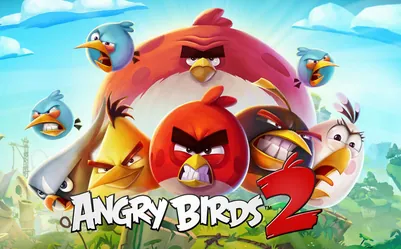
Angry Birds 2 arrived six years after the original and, instead of fixed, scripted levels, offered a system of cards, energy, and randomly assembled levels that was much closer to the free-to-play mainstream of the time than to the puzzle heritage of the first game. Before each attempt, the player picks the order of birds from a hand of cards, collects feathers to upgrade abilities, and progresses through a campaign divided into worlds, each with its own visual identity, music, and a boss at the end of each chapter.
With this move, Rovio was responding to a shift in the whole market — the first Angry Birds sold one-time level packs, but by then the app-store economy had moved toward systems built on daily logins, limited energy, and buying gems with real money. The core slingshot gameplay stayed essentially the same, but around it grew a layer of progression, leaderboard competition between players, and time-limited events meant to keep players in the game long-term, not just for a single evening session as before.
This is precisely why Angry Birds 2 is seen by long-time fans as a less pure experience than the original game — limited energy forces you to wait or pay, and the random order of the cards takes away some of the player's control over how they solve a specific level. Visually the game is richer and more polished, the music and animations feel professional, but it's precisely the payment model and the design built around it that defines the title today in the eyes of both players and critics.
Why play: Suited to players who don't mind the free-to-play loop of energy and purchases and want more content from Angry Birds, a longer campaign, and a deeper progression system than in the spare original.
Game 2 of 363 for Mobil (iOS a Android)