 Flash, Java, HTML5 · 1996
Web
Webové hry (prohlížeč)
History & context
Web games are a peculiar chapter in how quietly enormous they were. They had no box, weren't sold, nobody collected them — and yet an entire generation of players grew up on them. All it took was a browser, a click on a link, and you were playing. At school, at work, on someone else's computer. No install, no payment, no asking permission.
It started modestly. Java applets and Shockwave in the second half of the '90s could nudge a few pixels around in a window, but the real breakthrough came with Flash. Originally an animation tool for web banners, in the hands of creators it turned into a gaming platform because it had three things at once: it ran practically everywhere, it handled sound and vector graphics, and anyone could learn it. That last point mattered more than it seems — Flash wasn't a professional tool with a licence costing tens of thousands, it was something a fifteen-year-old kid could tinker with in the evenings.
Portals that turned it into a scene
The games alone wouldn't have been enough. What turned Flash into a culture were the sites that hosted them. Newgrounds (1995) was the anarchic heart of the whole thing — a place where brilliant games, dumb jokes, and stuff that wouldn't fly on any other platform sat side by side. Kongregate (2007) added leaderboards and achievements across games, Armor Games brought a publisher's hand, and Miniclip brought reach to millions of people who'd never heard of the "indie scene."
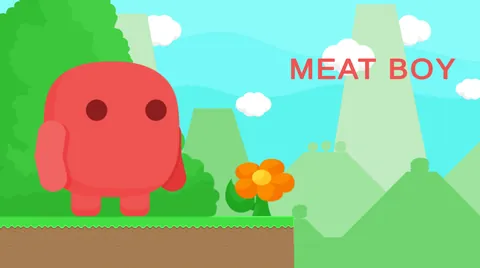
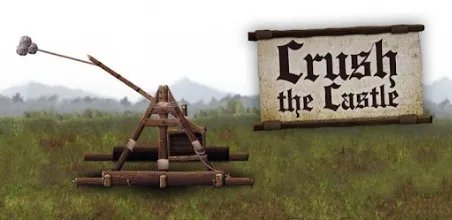
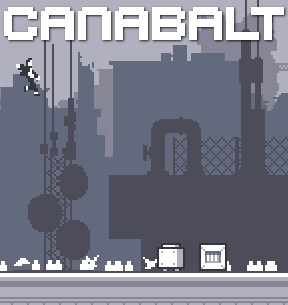
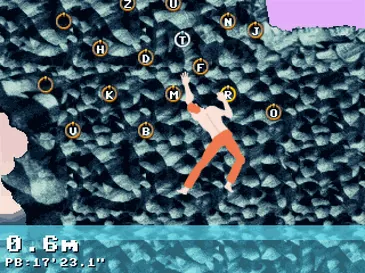
Out of this incubator came names you know from elsewhere. Meat Boy was a Flash game before it became Super Meat Boy. Kingdom Rush started in the browser before it took over mobile. Canabalt invented the endless runner here, later spawning Temple Run and Subway Surfers. Crush the Castle is the game Rovio borrowed the idea from for Angry Birds. And Alien Hominid made it from Newgrounds all the way to the PlayStation 2.
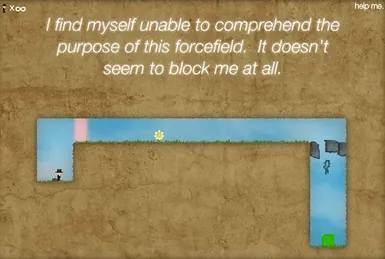
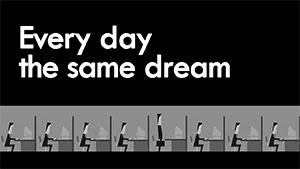
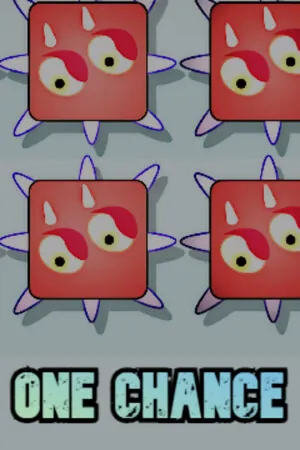
Flash was also a place to experiment without risk. It gave rise to small artistic games that wouldn't have survived commercially — Don't Look Back, Loved, Every Day the Same Dream, One Chance. Short, uncomfortable, unforgettable. Something similar happens on itch.io today, but Flash tried it first.
The browser as a persistent world
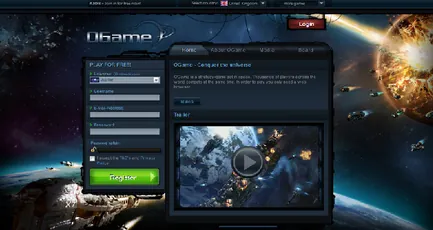
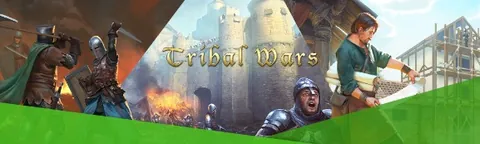
Alongside the quick games ran a second line: games that never switched off. RuneScape (2001) in Java, Neopets, Habbo Hotel, Travian, OGame, Tribal Wars, Kingdom of Loathing. You log in, enter something, close the window — and it keeps running. It was a blueprint for mobile free-to-play mechanics a good decade early, just without microtransactions around every corner.
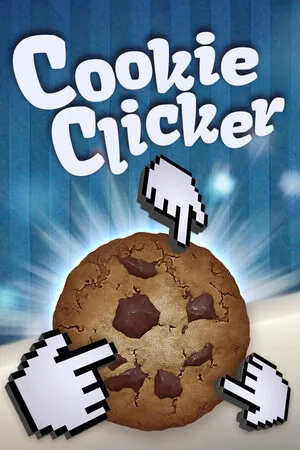
This is also where idle games belong, the genre that turned waiting itself into gameplay. Cookie Clicker (2013) looks like a joke and is one of the smartest designs of its time; Candy Box! and A Dark Room showed that a text game in a browser can surprise you more than many a big production.
The end of Flash and what came after
On December 31, 2020, Adobe Flash officially ended and browsers stopped running it. Twenty years of creative work vanished overnight — tens of thousands of games that were never sold, so there was nowhere to buy them.
Two projects rescued them. Flashpoint archived over a hundred thousand Flash games and animations and offers them for download and play; Ruffle is a Flash emulator written in Rust that runs directly in the browser, letting many games run as they originally did. Without these two, the whole era would be unavailable today.
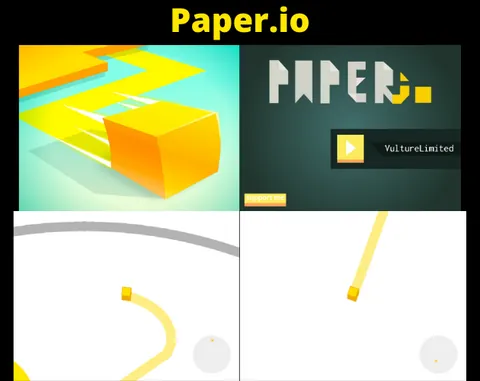
Meanwhile the web moved on with HTML5 and WebGL. The wave of .io games — Agar.io, Slither.io, Diep.io, Krunker — brought one-click multiplayer back to the browser. Wordle in 2021 proved that a simple web page with no ads and no app can still take over the world. And GeoGuessr or Gartic Phone rank among the best things you can pull up with a group around one table.
How we approached this here
The selection focuses on titles that had an impact or can still be played today. For Flash games, it's worth knowing you can reach them via Flashpoint or Ruffle; modern web games simply run in the browser.
Some games appear in the catalogue on other platforms too — 2048, A Dark Room, Slither.io, and Kingdom Rush started on the web and reached mobile only later. For those you'll find a link in the "Also on" section, so you can see where they came from and where they ended up.
Games on this platform (110)













Forge of Empires
Building an empire across historical eras; a long-term strategy in the browser.





Slither.io
The snake that replaced Snake with multiplayer; simplicity and fast rounds made it a hit.


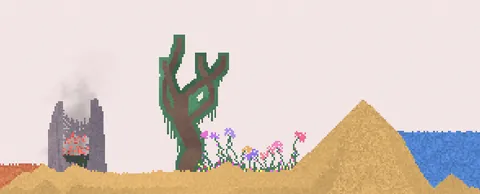
Sandspiel
A physics sandbox pixel by pixel; sand, water, and fire behave almost like the real thing.

No game in this genre.