Lifeline
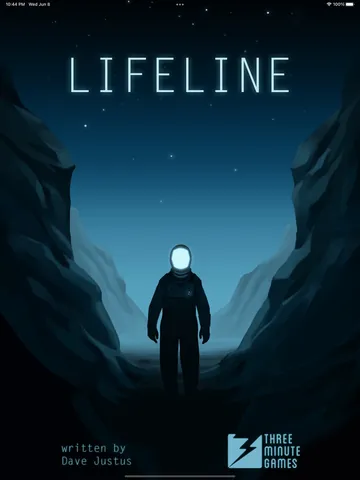

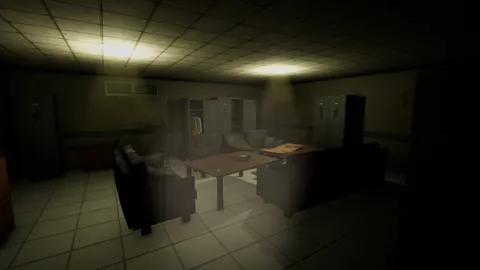
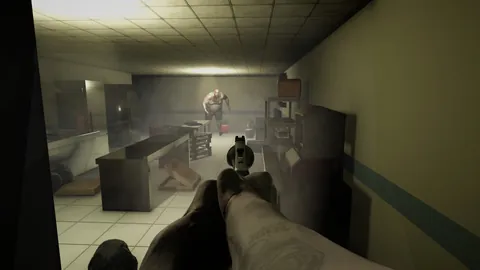
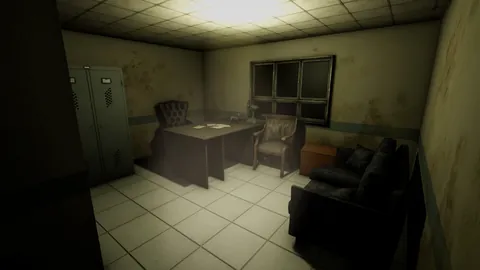
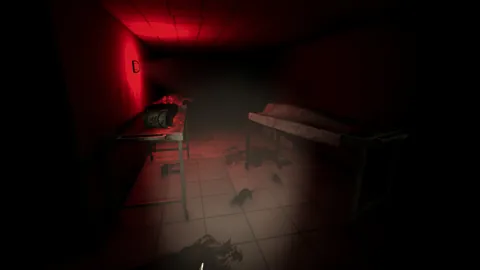
Lifeline is built on a simple trick: the player doesn't communicate with a controllable character but with a castaway stranded on an alien moon base after their research ship crashed, who describes what they see through text messages and waits for advice on where to go next. Replies are chosen by tapping short options, but the real game lies in the waiting — the character needs time to walk down a corridor or sleep, and messages arrive in real time, sometimes with an hour's delay, even in the middle of the night when the player has long since put the phone down.
This use of push notifications as a storytelling tool made Lifeline one of the most distinctive experiments with the mobile game format — it's not a game you play in one sitting, but a character who keeps checking in with the player throughout real life, among ordinary notifications from other apps. Text is the only medium; there are no graphics beyond a simple interface, and the tension comes from decisions having consequences that only show up in later messages, sometimes hours later, by which point the player has almost forgotten the character's presence.
The game is paid, ad-free, and its length depends on how many days the player spends waiting for messages from the other side — it can be sped up by buying an add-on, but that undermines exactly what makes Lifeline special. The success of the first game brought several sequels using the same principle in other settings and situations, from another planet to a zombie apocalypse.
Why play it: For anyone who wants to experience a mobile game differently than in one sitting — as a character who checks in in real time among the other notifications on your phone.
Game 55 of 363 for Mobil (iOS a Android)