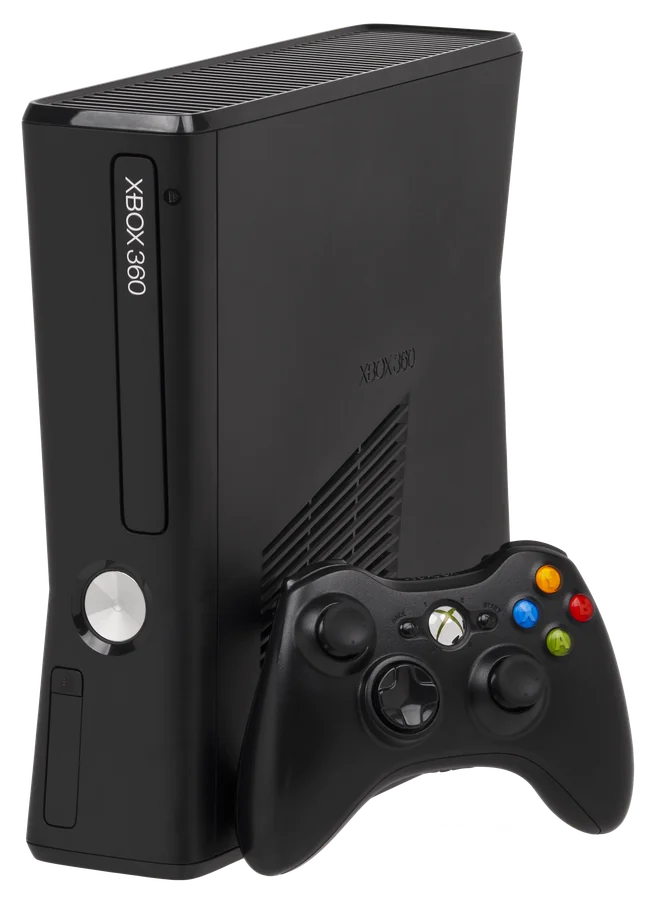
 Microsoft · 2005
Game consoles
Xbox 360
History & context
When Microsoft unleashed the Xbox 360 upon the world in November 2005, it instantly put the competition a generation behind — it was, after all, the very first seventh-generation console, beating Sony and the PlayStation 3 to market by a full year. After the original Xbox's not entirely convincing debut, Microsoft went for a decisive strike: a technically ambitious machine built around full HD resolution, a polished online service, and the bold idea that gaming should be a social experience connected over the internet. The bet paid off — the Xbox 360 became one of the most influential machines of its era and defined what online console gaming still looks like today.
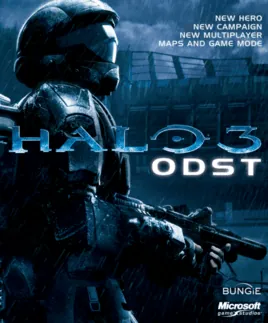
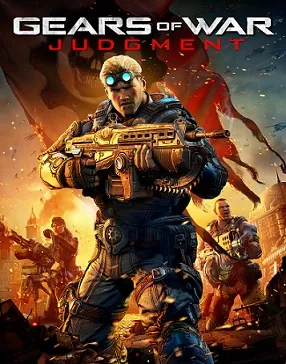
The launch was accompanied by shortages on store shelves, but the library quickly filled up with titles like Perfect Dark Zero and Project Gotham Racing 3, and a year later Gears of War arrived, which together with Halo 3 (2007) made the Xbox 360 the home platform for a whole generation of third- and first-person shooters. Microsoft managed to attract both exclusives and multiplatform titles at the same time, and for most of the generation the Xbox 360 version was the technical reference — the platform developers targeted first.
Technology: graphics and sound
At the heart of the console was the triple-core IBM PowerPC "Xenon" processor clocked at 3.2 GHz, with each core handling two hardware threads — six simultaneous computation threads in total. Graphics were handled by the ATI "Xenos" chip, designed together with ATI (later absorbed into AMD), which was one of the first in the world to use a unified shader architecture — shaders capable of computing both vertices and pixels as needed, instead of fixed, separate units. Xenos also included 10 MB of fast eDRAM memory directly on the chip, which made antialiasing easier without a performance hit.
The console had 512 MB of shared memory and was built primarily for the HD era: it supported 720p and 1080i output, and later 1080p as well, which in 2005 was a major leap over the standard-definition resolution of the previous generation. Sound was handled via multichannel Dolby Digital output, later supplemented by formats like Dolby TrueHD in select titles. An HDMI port only appeared in later revisions — the first models relied on component and composite video.
Xbox Live, Achievements, and online
If the Xbox 360 has one truly groundbreaking contribution, it's turning Xbox Live into the standard against which online console gaming is still measured today. A unified Gamertag account, a clear friends list across every game, integrated voice chat, simple matchmaking, and downloadable content through the Xbox Live Marketplace — all of it worked smoothly and consistently no matter which game you were playing.
A key innovation was Achievements — points (Gamerscore) awarded for completing specific in-game challenges, visible on your profile and comparable with friends. This seemingly minor idea proved extraordinarily addictive and is now a standard feature of practically every gaming platform, from PlayStation to Steam to mobile games. Xbox Live Arcade, meanwhile, opened up space for smaller, cheaper, and more experimental games, becoming a forerunner of today's digital distribution.
Peripherals (Kinect, controllers)
The standard Xbox 360 controller became the reference template for game pads for years to come, thanks to its comfortable grip and asymmetrical stick layout. Both wireless and wired versions were available, along with special editions tied to specific games and a range of accessories — from steering wheels to arcade sticks to headsets for voice chat.
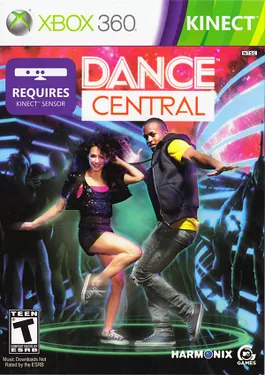
The biggest peripheral event came in November 2010 with Kinect — a motion sensor with a camera and microphone that could track full-body movement and recognize voice commands without needing to hold a controller. Kinect sold in the millions and even briefly made it into the Guinness Book of Records as the fastest-selling consumer electronics device. Although it never delivered the promised revolution at the core of gaming in the long run, it opened the door to fitness and family party games and pointed the way that other platforms would later follow.
Models, revisions, and the Red Ring of Death
Over its lifetime, the Xbox 360 went through several hardware waves. The first generation offered the Core variant (no hard drive, just the basics) and Premium/Pro (with a hard drive and wireless controller); in 2007 the premium Elite model arrived with a larger drive and HDMI output. In 2010 came the completely redesigned Xbox 360 S (Slim) — quieter, smaller, with built-in Wi-Fi and a Kinect port, followed in 2013 by the stripped-down Xbox 360 E, styled after the by-then-released Xbox One.
The first generation of consoles, however, also earned a dark chapter in history: the notorious Red Ring of Death — three flashing red lights around the power button signaling a fatal hardware failure. The problem was caused by chips overheating due to inadequate cooling and lead-free solder that cracked under thermal cycling. The failure rate was so high that Microsoft extended the warranty to three years and set aside over a billion dollars for repairs. Later revisions (especially the Slim model, with a redesigned, cooler-running chipset) essentially solved the problem.
Significance and legacy
Over its lifetime the Xbox 360 sold roughly 84 million units, and production officially ended in 2016, after a decade of uninterrupted games and updates. Its true legacy, though, isn't just the sales figures — it's a platform that normalized online multiplayer with voice chat, Achievements as a universal measure of gaming progress, and digital distribution as a full-fledged alternative to physical media. Today it's a popular target for both emulation (Xenia) and collecting, and many of its generation-defining classics, from Mass Effect to Halo, remain genre-reference titles to this day.
Games on this platform (259)
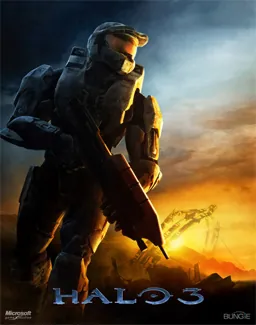
Halo 3
The conclusion of the Master Chief trilogy; its legendary difficulty defined sci-fi shooters.























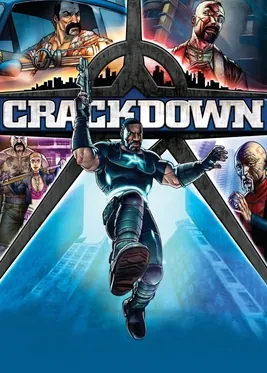

Viva Piñata
A surprisingly deep gardening simulation from Rare, featuring colorful pinata creatures.
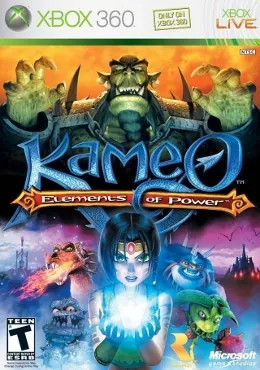
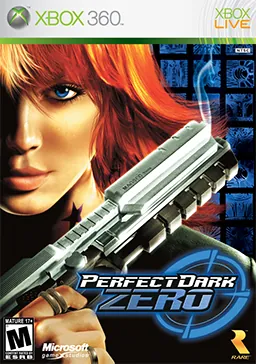
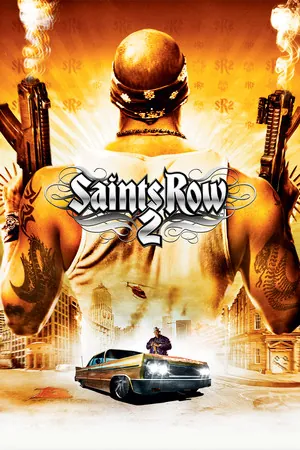









Vanquish
A cover shooter where no one actually sits in cover; Sam Gideon rocket-slides on his knees.






















































































































No game in this genre.