Prince of Persia
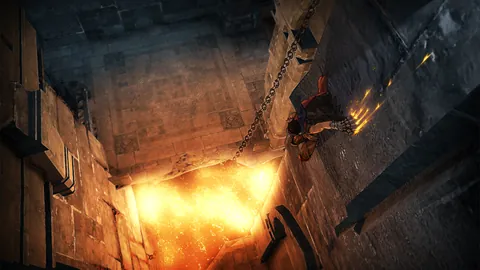
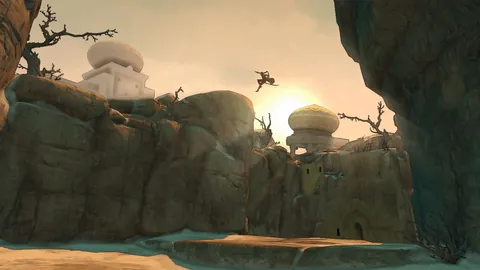
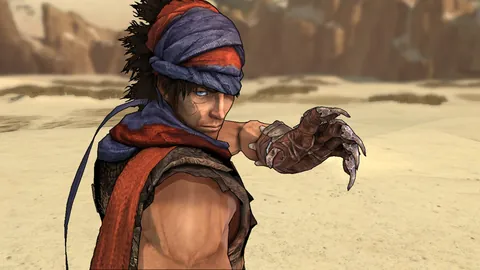
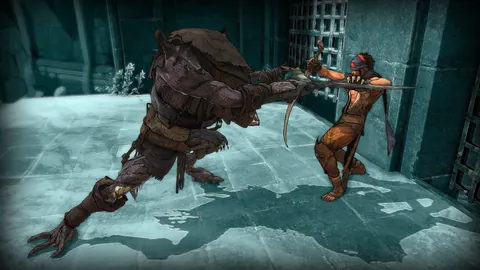
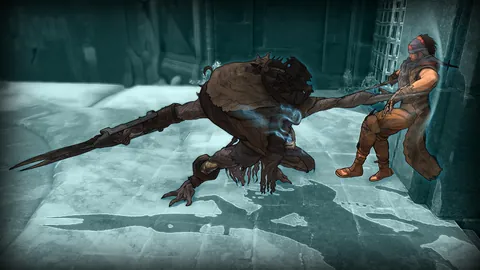
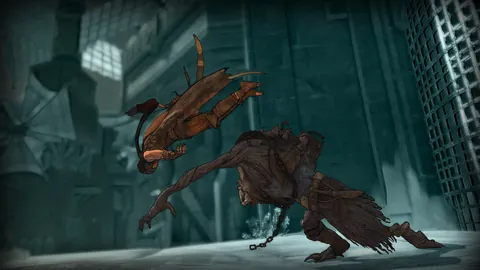
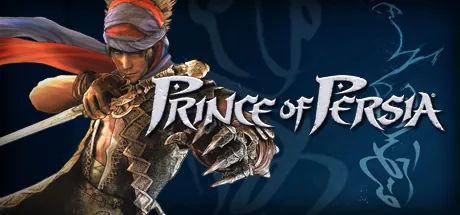
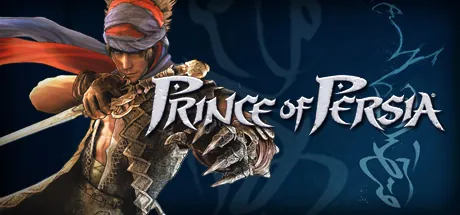
Prince of Persia from 2008 by Ubisoft Montreal marked a restart of the series after the successful Sands of Time trilogy, bringing a completely new visual style inspired by cel-shading and oriental mythology, along with a more open-world approach split into several thematic areas linked by a central location the player repeatedly returns to after completing tasks, watching the land gradually heal. Playing as a nameless prince, the player sets out with a mysterious figure named Elika to save the world from a spreading darkness inadvertently released from a sealed prison deep underground.
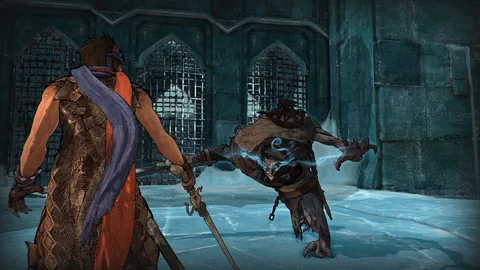
The acrobatic movement system continued the series' tradition, with wall-running, jumping between platforms, and chained combat sequences against corruption-afflicted enemies, while the key novelty was Elika's presence — she instantly rescued the player after falling into a chasm or losing a fight, completely eliminating classic death and section replays. This design split the player community, since it reduced the tension of acrobatic sections, but also made the game accessible to a broader audience and allowed for a much smoother flow of play without frustrating repetition.
Visually, on the Xbox 360 the game stood out with its striking painted style for environments and characters, with a rich color palette that differed markedly from the realistic approach of previous series entries, accompanied by atmospheric, sensitively composed music. Reviews praised especially the graphical stylization, the fluid movement system, and the chemistry between the main characters, while discussions centered on the absence of a traditional game over state. Prince of Persia from 2008 is still remembered today as a bold artistic experiment within an otherwise established and more conservative series, one whose visual approach set it markedly apart from its contemporaries.
Why play it: If you appreciate a bold artistic experiment within a more conservative series, the painted art style and sensitively composed music offer an unforgettable visual identity from 2008.
Game 145 of 259 for Xbox 360
The same title elsewhere (2)
The Amiga and Atari ST offered the smoothest animation, staying closest to Jordan Mechner's original Apple II code and preserving the famous rotoscoped running and jumping. Super Nintendo received reworked 16-bit graphics plus scenes and content missing from the original, so it's often ranked among the best versions overall. The NES version was a separate rework by another team and diverges noticeably from the computer original in look and feel. On Commodore 64 and Amstrad CPC, developers had to cut animation frames due to weaker processors, making the prince's movement feel choppier than on 16-bit machines. Game Boy offered only a monochrome screen and lower resolution, but the core game held up. SEGA Master System delivered a colorful, playable conversion with its own graphical style.
From the same series Prince of Persia →
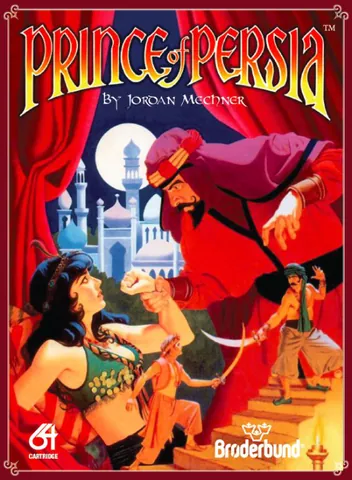 Prince of Persia C64 · CPC · Amiga · ST · SNES · MD · SMS · NES · GB
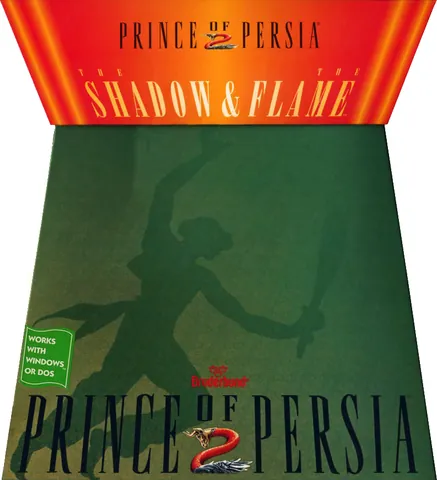 Prince of Persia 2: The Shadow and the Flame DOS · 1993
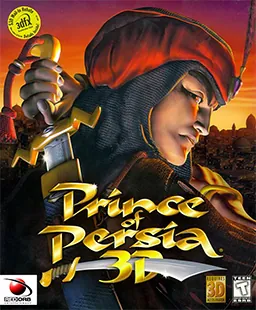 Prince of Persia 3D Win9x · 1999
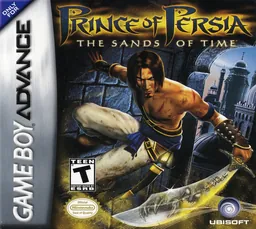 Prince of Persia: The Sands of Time GBA · PS2 · GCN · Xbox · 2003 Java ME Prince of Persia: Harem Adventures Java ME · 2003
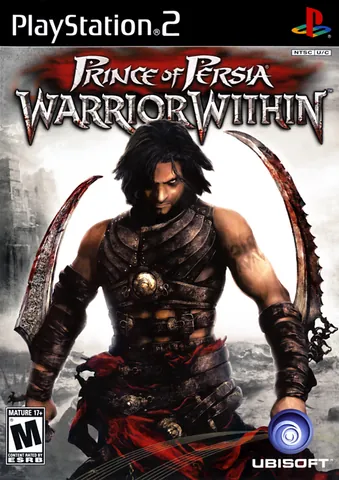 Prince of Persia: Warrior Within PS2 · Xbox · 2004
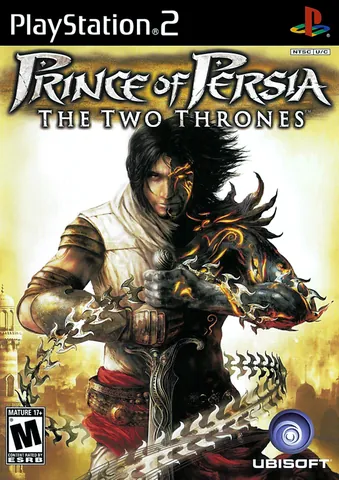 Prince of Persia: The Two Thrones PS2 · GCN · Xbox · PC · 2005
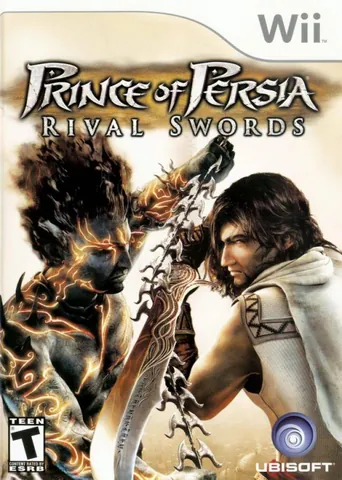 Prince of Persia: Rival Swords Wii · 2008
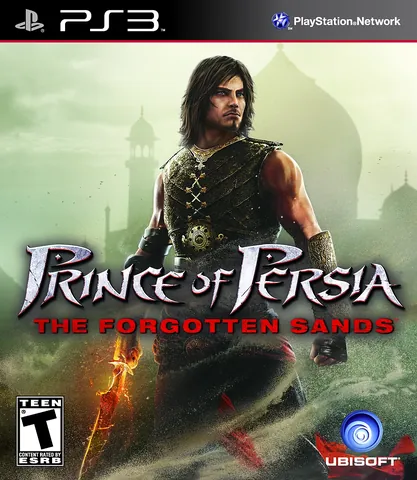 Prince of Persia: The Forgotten Sands PS3 · 2010
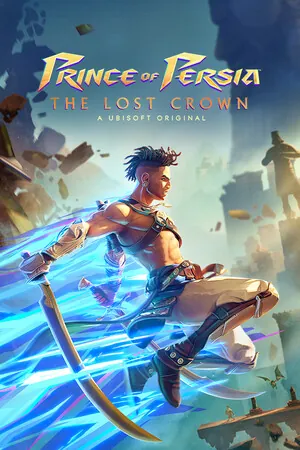 Prince of Persia: The Lost Crown PS5 · Series · 2024