 Microsoft · 2001
Game consoles
Microsoft Xbox
History & context
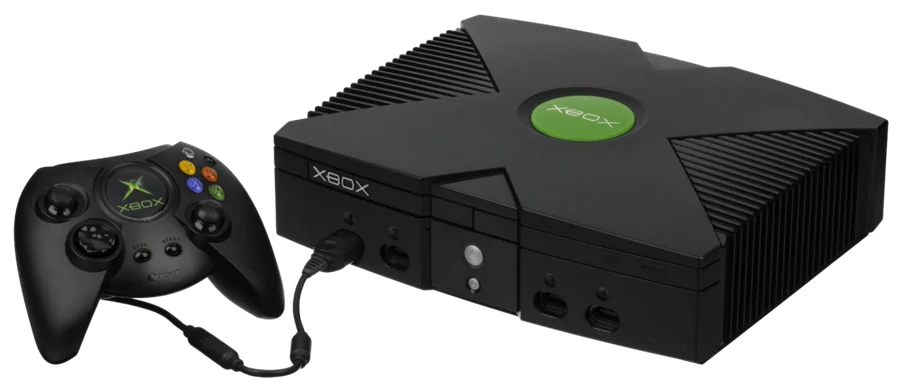
When Microsoft launched its first gaming machine in North America in November 2001 (and in the spring of 2002 in Europe and Japan), it was a minor earthquake. The software giant from Redmond, until then known mainly for Windows, decided to enter the console world ruled by Sony and Nintendo — and it did so its own way. Instead of an exotic, custom-tailored architecture, it built the Xbox essentially as a powerful PC in a black case: with an Intel processor, NVIDIA graphics and a system derived from Windows. This "brute force" approach paid off — the Xbox became the technically strongest console of its generation and laid the foundations of a brand that to this day belongs among the three biggest.
The project originally began as the "DirectX Box", hence its later name. The goal was to bring PC developers under one roof and offer them a familiar, easy-to-program environment. The Xbox never really caught on in Japan, but in North America and Europe it built a strong position. In total it sold roughly 24 million units — a more than respectable result for a newcomer to the field.
Technology: graphics and sound
Under the Xbox's hood beat a heart from the computer world. Computation was handled by a modified Intel Pentium III processor clocked at 733 MHz, complemented by the NVIDIA NV2A graphics chip — a relative of the GeForce 3 series cards of the time. The console had 64 MB of shared DDR memory, a generous portion for its era, which allowed titles rich textures, dynamic lighting and advanced shaders.
The real revolution, however, was the built-in hard drive — the Xbox was the very first console with an HDD as standard equipment. It served to save games without memory cards, to cache data for faster loading and to rip music from CDs directly into games. The optical drive already handled DVDs, so with a remote control connected the Xbox also functioned as a full-fledged film player. Sound supported surround Dolby Digital 5.1, which made the console an appealing piece of kit for home cinema too.
Xbox Live and online play
The original Xbox's greatest legacy, though, lies not in silicon but in the network. In the autumn of 2002, Microsoft launched the Xbox Live service — and forever changed the idea of online console gaming. While the competition relied on clumsy solutions, Xbox Live brought a unified system with a persistent gamertag, a friends list, voice chat and matchmaking, all built on a broadband connection. For the first time, online gaming on the couch was truly comfortable and well thought out.
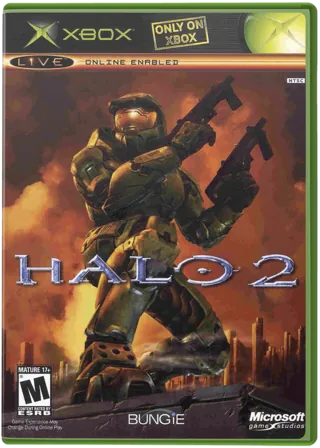
The phenomenon that raised the service to the heavens was Halo 2 in 2004. Its multiplayer over Xbox Live literally defined online console shooters and for years glued millions of players to their screens. The subscription model and sophisticated infrastructure then became the template that the whole industry copies to this day.
Peripherals and controllers
The original Xbox controller went down in history under the nickname "Duke" — a giant, heavy controller that became a target of ridicule because of its dimensions, which did not suit smaller hands (and the Japanese market in particular). Microsoft quickly responded to the criticism and introduced the smaller, more ergonomic Controller S, which subsequently became the standard and inspired even the later Xbox 360 controllers.
A range of other accessories was available too: a DVD remote control with an IR receiver for watching films, memory cards for transferring saves between consoles, or a headset for Xbox Live. Also characteristic were the controller ports, which were based on the USB standard — just with their own connector.
Significance and legacy
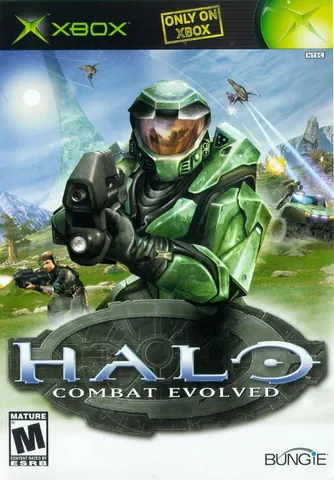
Although the original Xbox could not match the PlayStation 2 in unit sales in a head-to-head contest, its significance cannot be measured in numbers alone. It established Microsoft as a serious player in the console field, brought the concept of modern online gaming and raised brands that endure to this day — above all Halo, one of the most important gaming series of all. The Xbox thereby paved the way for its immensely successful successor, the Xbox 360.
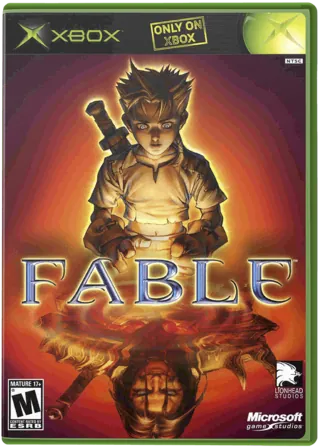
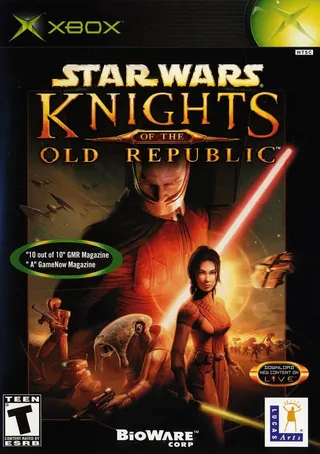
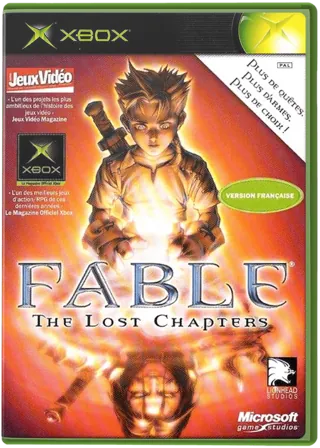
Production of the console ended in 2008/2009. But the machine's legacy lives on: many of its games received backward compatibility on Microsoft's later consoles, so classics like Halo, Fable or Knights of the Old Republic are available to modern players as well. For collectors and enthusiasts, the first Xbox remains a symbol of a bold entry that paid off — and a machine with an unexpectedly rich and, to this day, prized library.
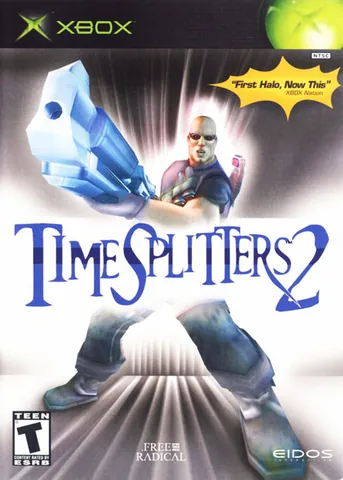
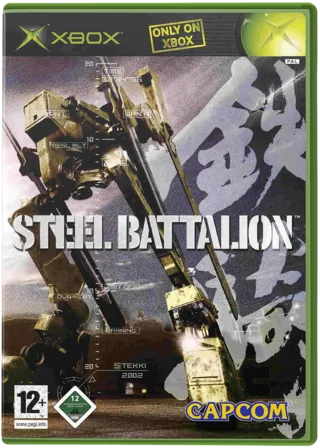
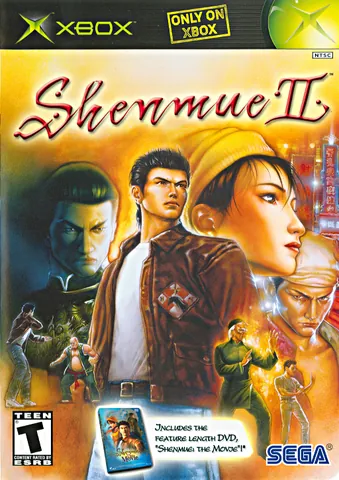
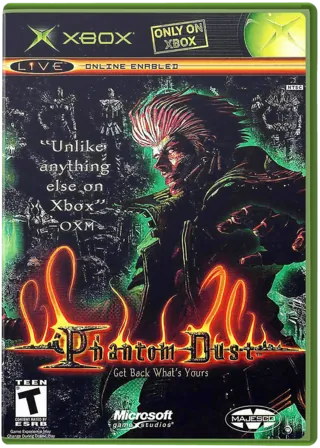
Games on this platform (176)
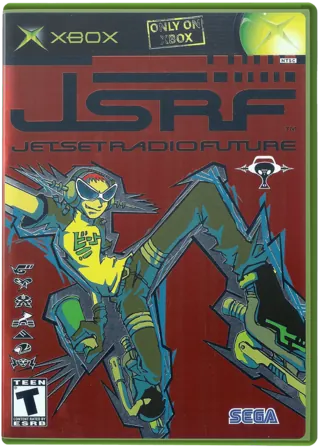
Jet Set Radio Future
A stylish sequel to the cel-shaded classic; graffiti rebels on skates in Tokyo.
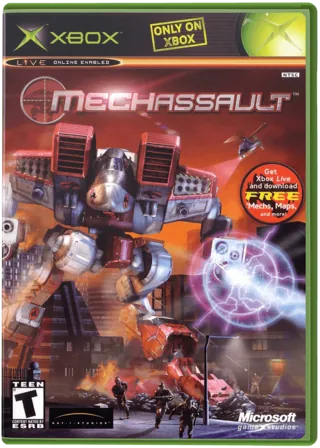
MechAssault
Action with giant robot battles from the BattleTech universe; a key title for Xbox Live.
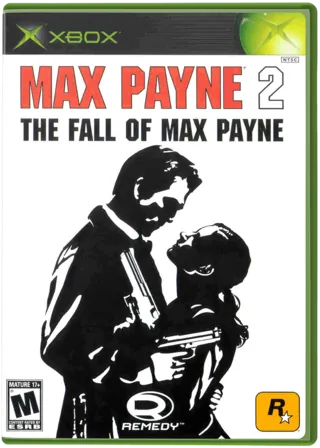
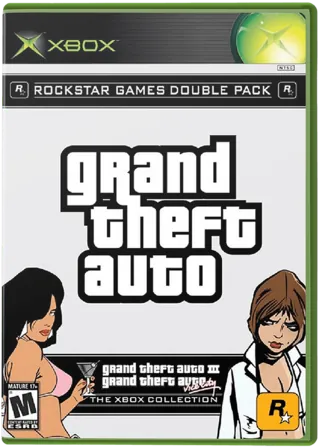
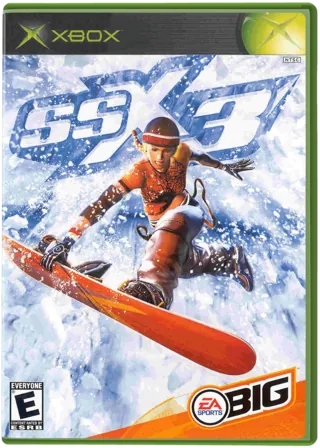
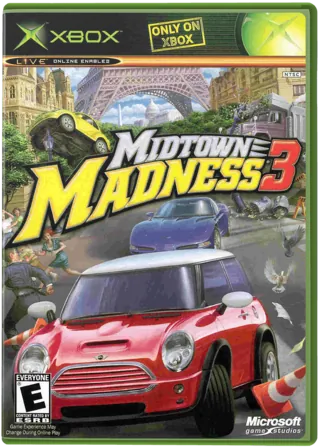
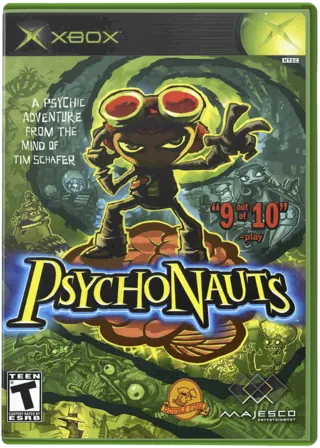
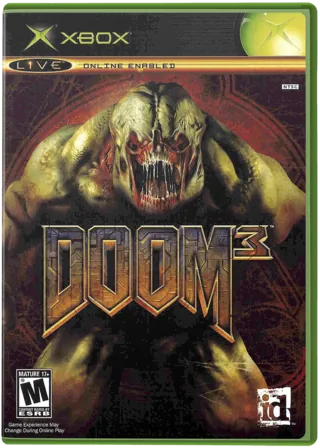
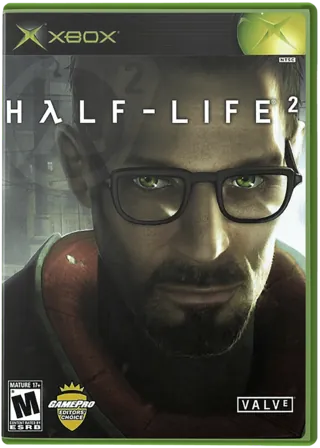
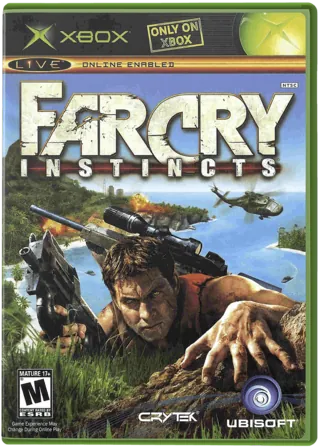
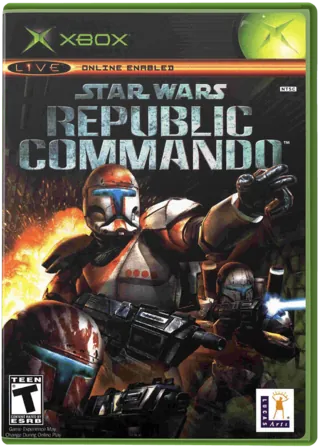
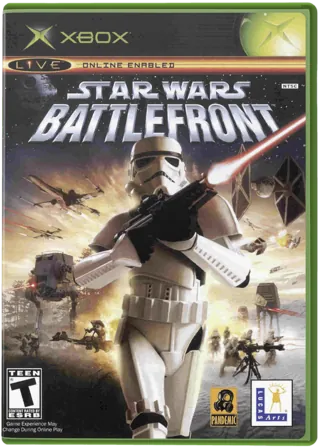
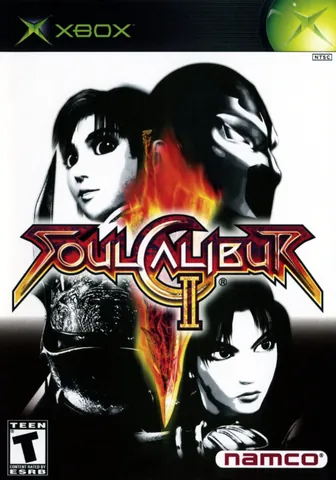
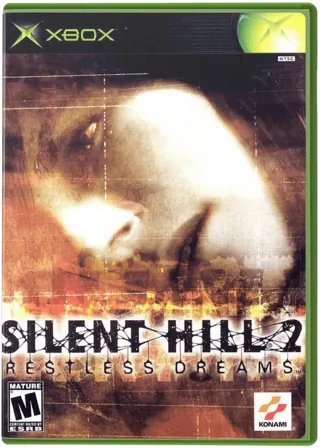
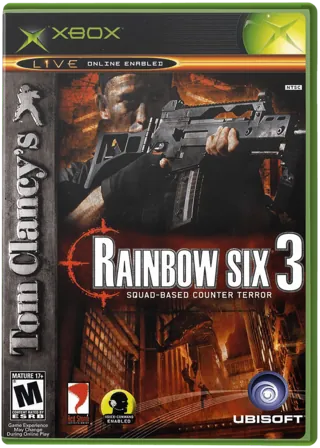
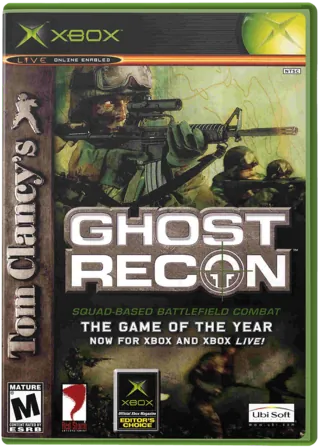
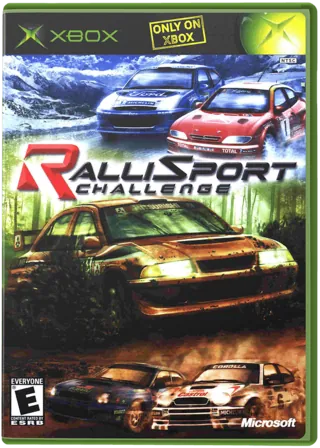
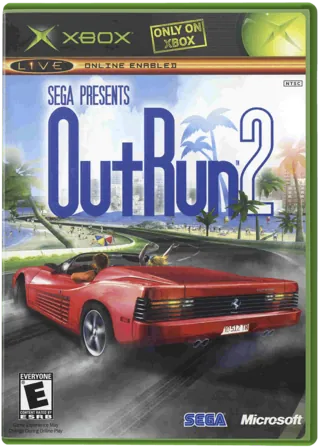
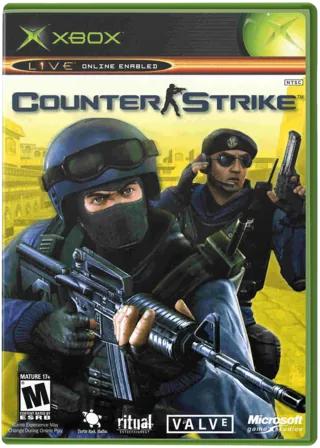
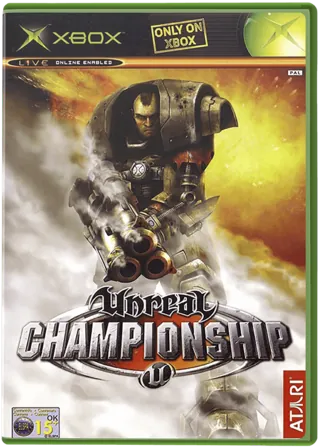
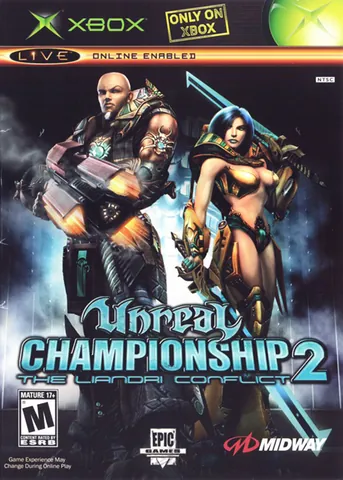
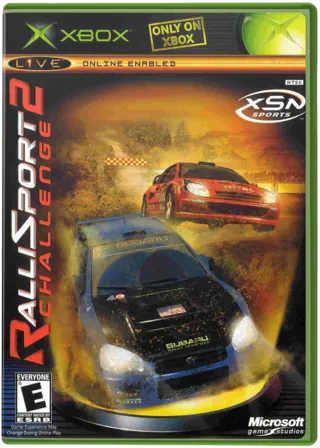
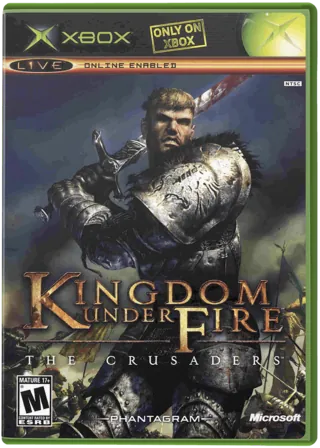
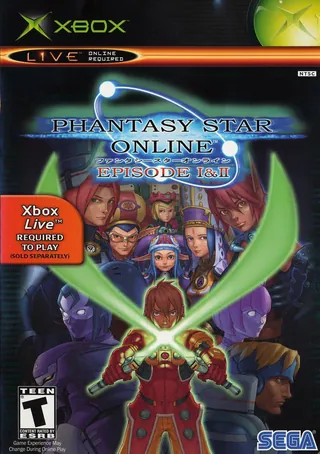
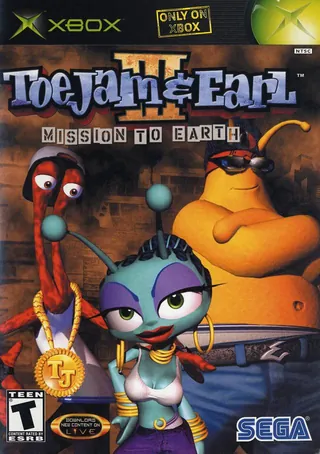
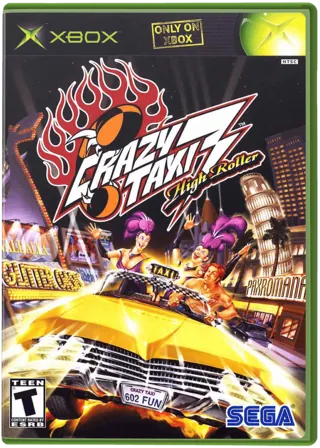
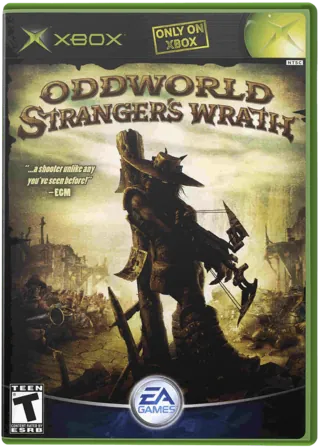
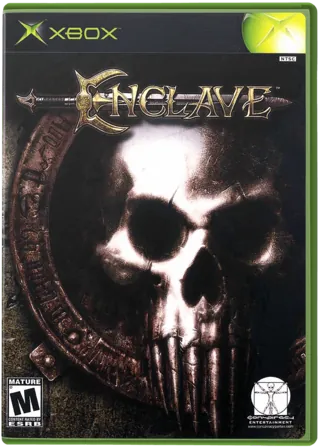
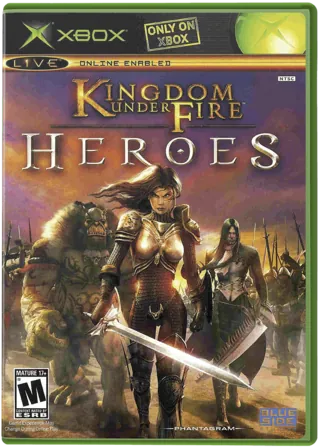
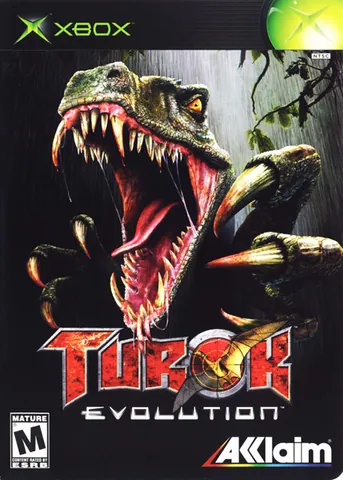




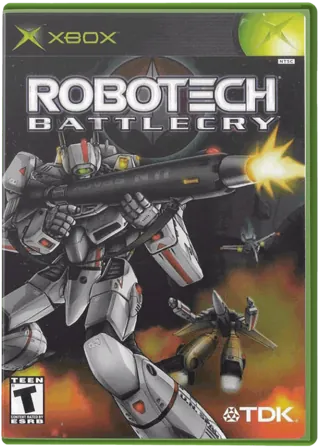
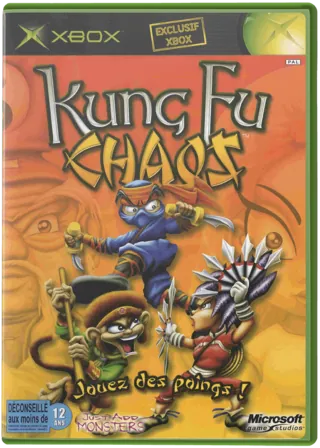
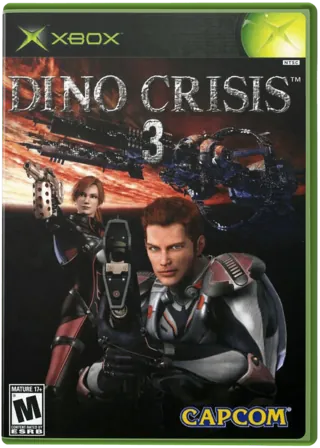
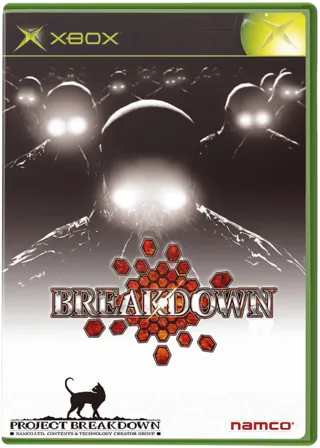

No game in this genre.