 Nintendo · 2006
Game consoles
Nintendo Wii
History & context
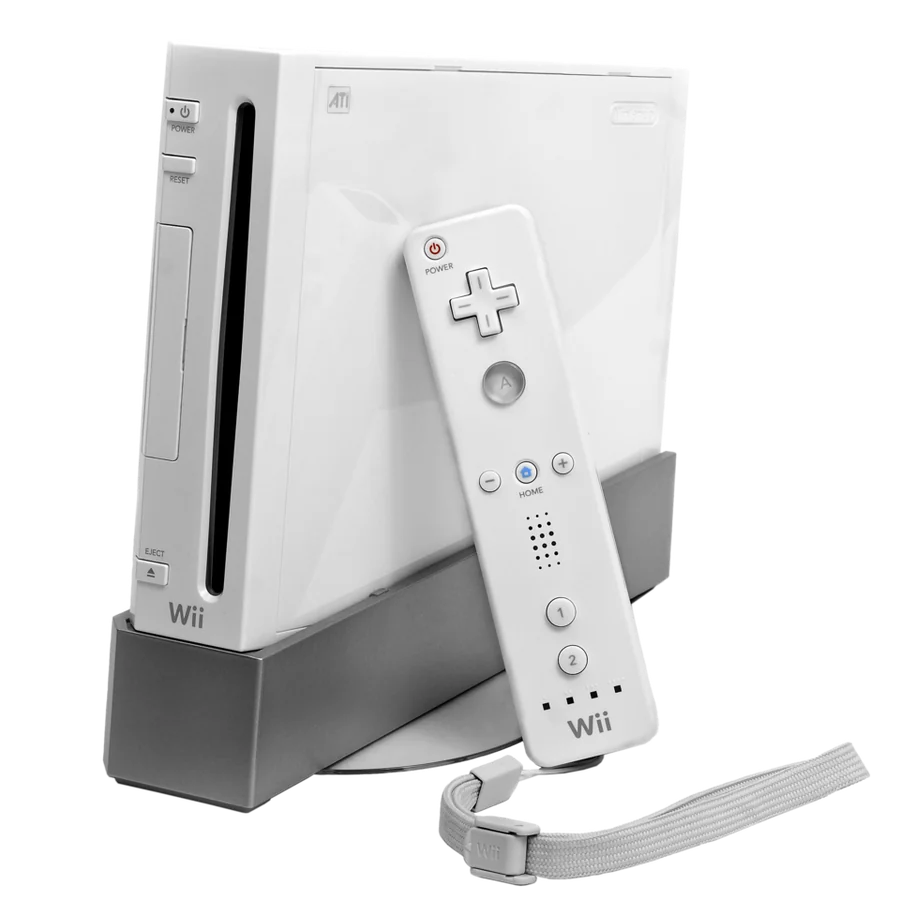
When Nintendo unveiled a console in autumn 2006 that had gone by the codename Revolution during development, few suspected it would become one of the biggest hits in gaming history. The Wii was small, quiet, white, and at first glance almost unassuming — next to the bulky cases of the PlayStation 3 and Xbox 360, it looked like a set-top box. Nintendo had deliberately refused to join the performance race its rivals were running, betting everything instead on a single card: the way games are controlled.
That card was the Wii Remote controller, shaped like a TV remote control. Thanks to accelerometers and infrared sensing against a sensor bar placed on top of the television, it could react to tilting, swinging, and pointing at the screen. The accompanying Nunchuk, connected by cable, added an analog stick and a second set of sensors for the left hand. The controls were so intuitive that people who had never held a gamepad before sat down at the console for the first time — grandparents, parents, whole families.
The result surpassed even the most optimistic expectations. The Wii sold over 101 million units, more than the PlayStation 3 and the Xbox 360, despite being the technically weakest console of the generation. Nintendo proved that the winner doesn't have to be the one with the best graphics — it's enough to offer something no one else has, at a price almost everyone can afford.
Technology: graphics and sound
Inside the Wii lay an evolution of the GameCube hardware, not a revolution. The IBM PowerPC “Broadway” processor was essentially a faster version of the older Gekko chip, graphics were handled by ATI “Hollywood”, an improved successor to the Flipper chip. The console had 88 MB of memory split between fast 1T-SRAM and slower GDDR3, used 12cm optical discs as its medium, and stored games on 512 MB of internal flash memory expandable with an SD card.
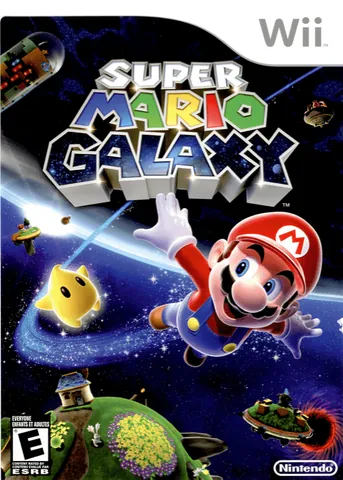
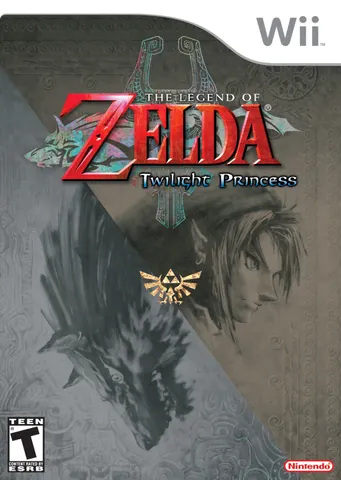
The most glaring technical limitation was resolution: the Wii offered a maximum of 480p — merely standard definition at a time when competitors were running in HD and households were switching en masse to large flat-panel TVs. On a modern display, the Wii therefore looks soft and blurry. Nintendo offset this disadvantage with a bold, clean, colorful art style — games like Super Mario Galaxy or The Legend of Zelda: Skyward Sword have aged visually far better than their technical specs would suggest.
Peripherals and accessories
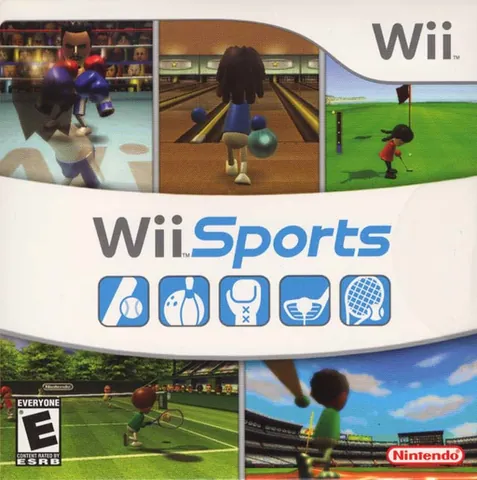
The bundled game Wii Sports played a key role. Five simple disciplines — tennis, bowling, boxing, golf, and baseball — controlled by swinging your arm became the best possible demo for the console, and in many households it was the very first title people ever tried. Wii Sports essentially sold the console all by itself.
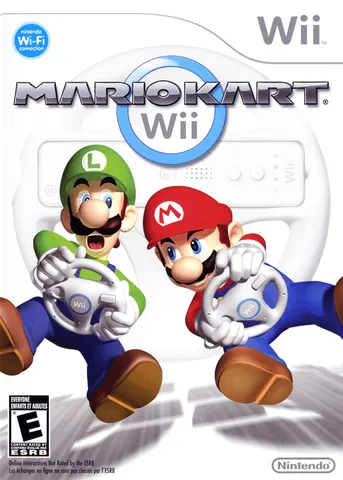
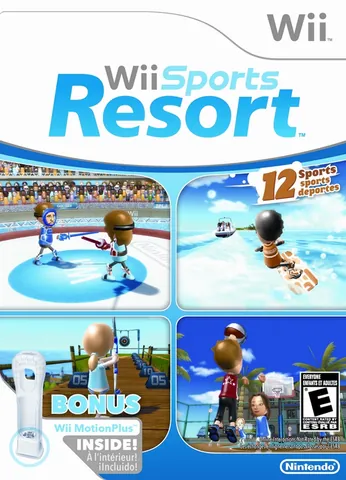
A huge number of peripherals followed. Wii MotionPlus added a gyroscope to the controller and dramatically improved motion tracking accuracy; Wii Sports Resort made full use of it. The Wii Balance Board, a platform that reacted to shifts in weight, opened up a whole wave of fitness and wellness titles with Wii Fit. Plastic add-ons arrived too, like the Wii Wheel for Mario Kart Wii or the Wii Zapper for shooters, along with the more traditional Classic Controller for Virtual Console games.
A major strength was backward compatibility with the GameCube. The original model had four GameCube controller ports and two memory card slots hidden under a flip-down cover, so older games ran natively and players didn't have to throw anything away.
Models and revisions
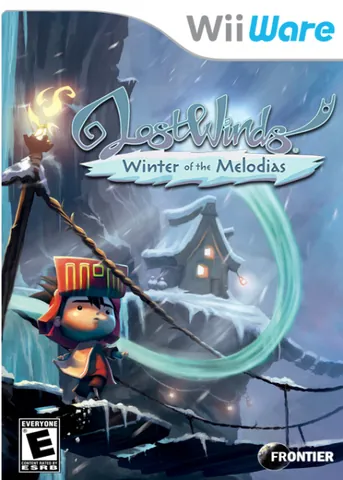
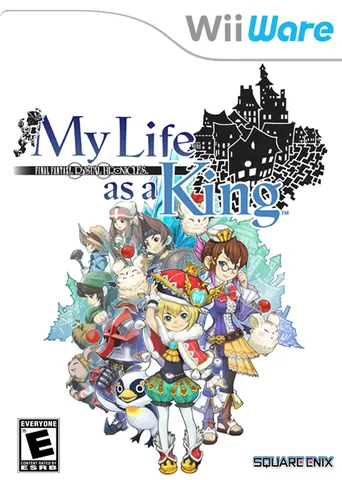
From the start, the Wii was distinctly an online console. Built-in Wi-Fi, the WiiConnect24 system, and an interface divided into “channels” offered the Wii Shop Channel digital store, the WiiWare service for smaller original games, and above all Virtual Console — a legal way to access classics from the NES, SNES, Nintendo 64, Sega Mega Drive, and other platforms. For a lot of players, it was the very first easy way to get their hands on old games. The Mii channel, with its custom avatar creation, became one of the defining symbols of the whole era.
The hardware went through several revisions. The Wii Family Edition from 2011 was designed to lie flat only and dropped GameCube support — the ports and memory card slots disappeared entirely. The Wii mini from 2012 went even further: a cheap, compact version with a top-loading disc drive, no Wi-Fi or online functions, no SD card slot, no GameCube support, and only composite video output. It served as a budget machine for the platform's final years, before being replaced in 2012 by the backward-compatible Wii U.
The scene today
The Wii is today one of the most accessible retro consoles around — so many units and games were made that both are cheap to find. On a modern TV it's worth using a component cable or an external upscaler, otherwise composite output looks very soft. The Wii Shop Channel has been shut down, so digitally purchased titles can no longer be bought; the legal options left are physical discs and modern remasters or remakes of select games on the Nintendo Switch.
Emulation is in excellent shape. Dolphin handles both Wii and GameCube in high resolution, with anti-aliasing and widescreen hacks; controls can be handled with a mouse and keyboard, or by connecting an original Wii Remote over Bluetooth. The Wii is also supported by Batocera, so the platform can be run on a gaming PC or a beefier mini-PC — weaker handhelds generally aren't up to the task of motion-controlled games, though.
The homebrew scene is also alive and well. Through the Homebrew Channel, the console can run custom software, emulators for older platforms, media players, and tools for launching games from a USB drive or SD card. It's precisely this combination of low price, a huge library, and an open community that makes the Wii one of the most rewarding consoles a retro gamer can pick up today.
Games on this platform (140)
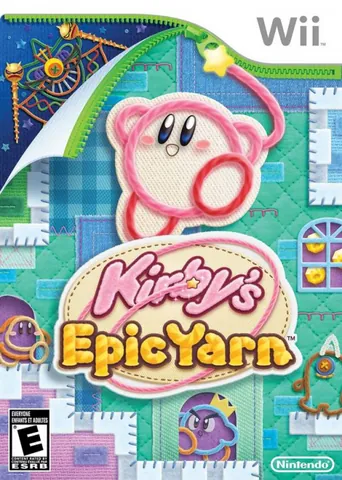
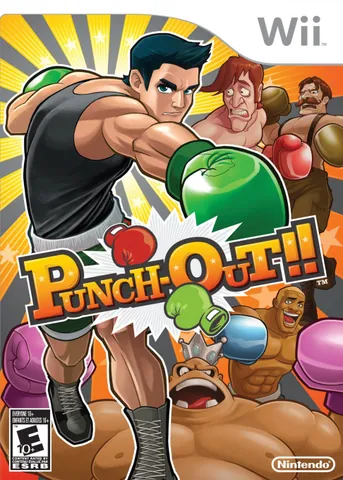
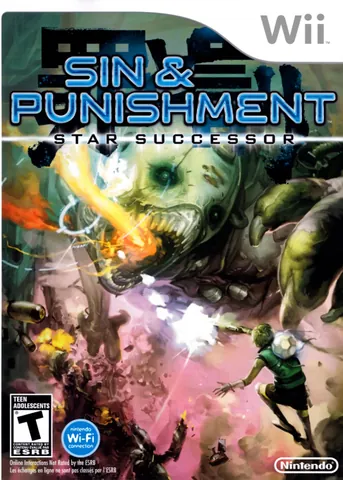
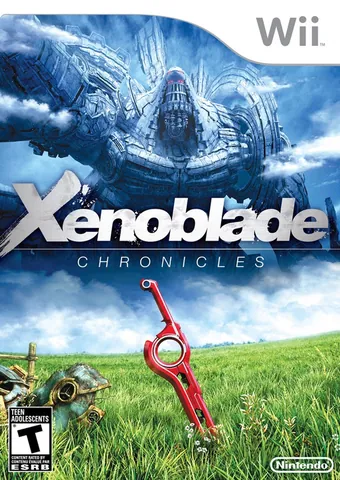
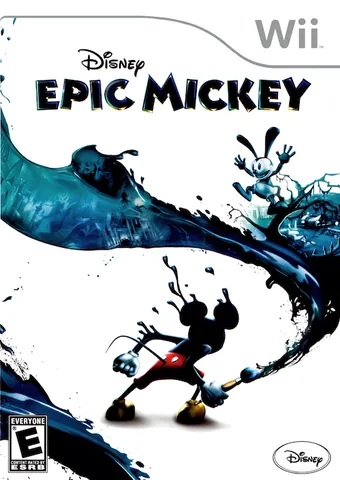
Epic Mickey
An ambitious attempt to make Mickey the hero of an adventure in the forgotten Wasteland.
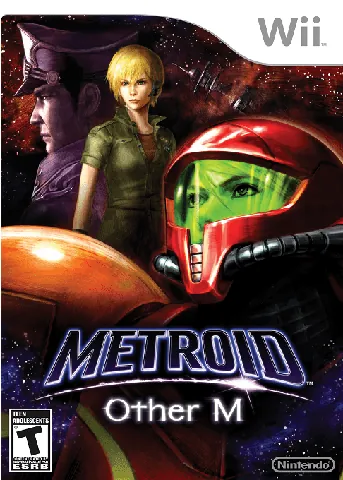
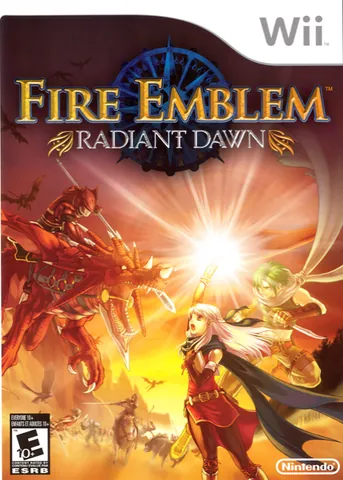
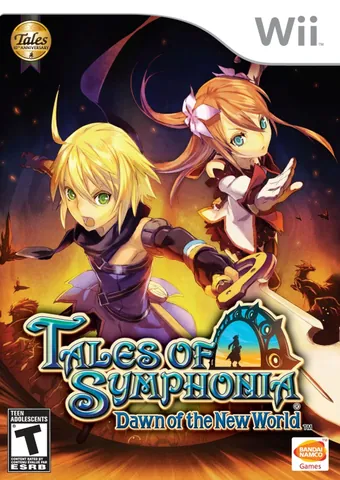
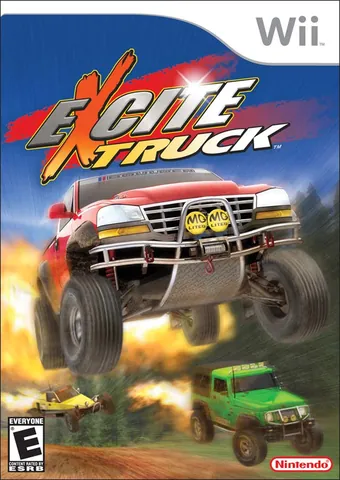
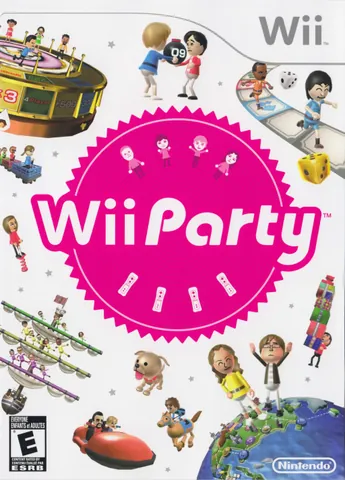
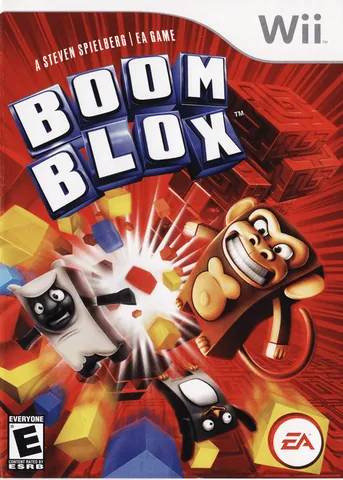
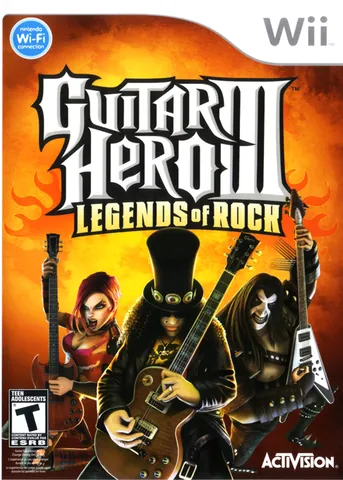
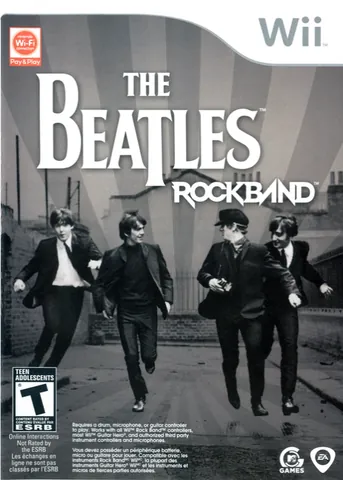

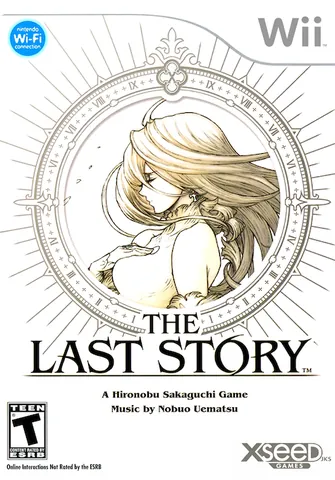
The Last Story
A JRPG from Sakaguchi with music by Nobuo Uematsu; one of Wii's late flagship titles.

No game in this genre.