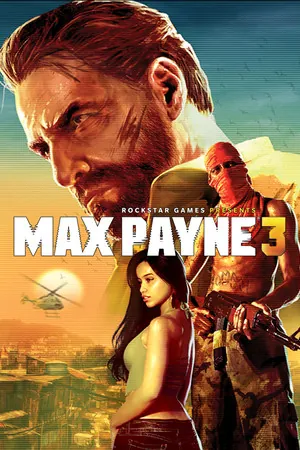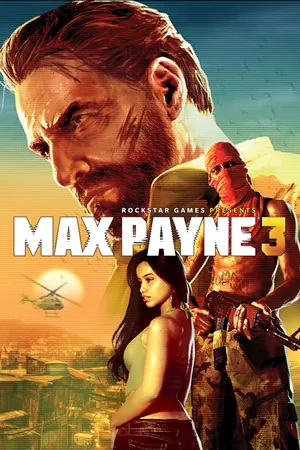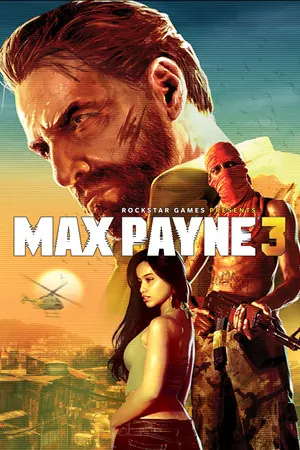
Max Payne 3

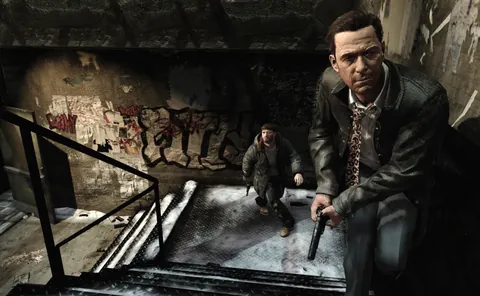
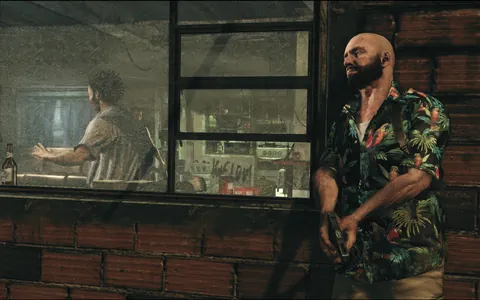
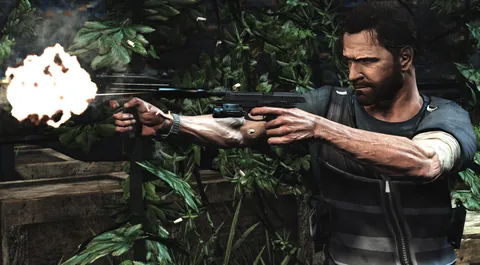

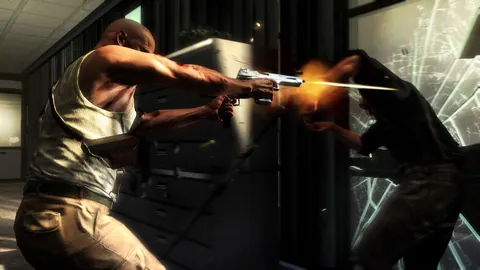
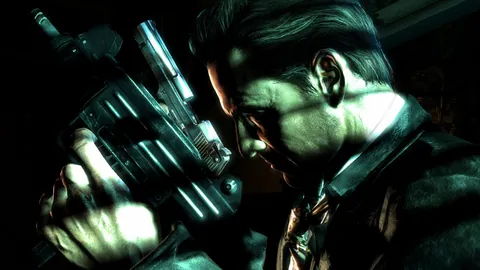
Max Payne 3 catches up with the former New York cop many years and many bottles later, working personal security for a wealthy family in São Paulo. Snow and dark hallways have been replaced by oppressive sun, luxury apartments, and a sprawling favela, and Max himself is a tired, shaved, bitterly ironic narrator of his own downfall. The story unwinds like a spiral of betrayal around kidnappings and organized crime, jumping between the present and memories of what brought the hero to Brazil in the first place, so his motivation is revealed gradually.
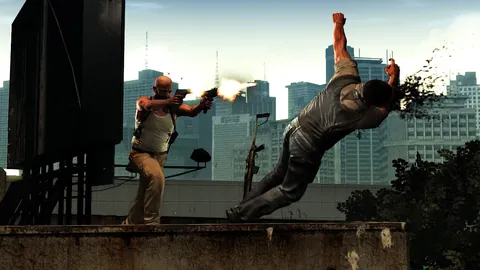
The combat system stays true to the brand while also being substantially reworked. Bullet time and the slow-motion dive to the side remain the foundation, except now they're backed by physics-based animation, so Max genuinely slams into a railing or tumbles down stairs on landing and stays lying wherever the leap carried him. Hits are brutally readable, weapons have weight, and the last-stand system gives the player a second after a lethal hit to still take down the attacker, provided there's enough painkiller left. Cover is available, but the game clearly rewards movement. The campaign is complemented by a competitive multiplayer with its own unlock system, into which slowed time carried over between players as well.
The presentation is exceptional. The screen breaks apart into colored split panels, snatches of dialogue pop up on the frame, and transitions between scenes flow without a single loading screen, so the whole thing plays like one long film. Aimless wandering practically doesn't exist here; every scene has a clear drive. The music was handled by a band with a dense electronic sound, and the final airport shootout ranks among the best-orchestrated action scenes of its time. Contemporary reviews were very positive, with reservations about frequent unskippable sequences. Today Max Payne 3 stands out for its precise shooting, tangible weight to every hit, and a bleak atmosphere rarely achieved in the genre.
Game 65 of 259 for Xbox 360