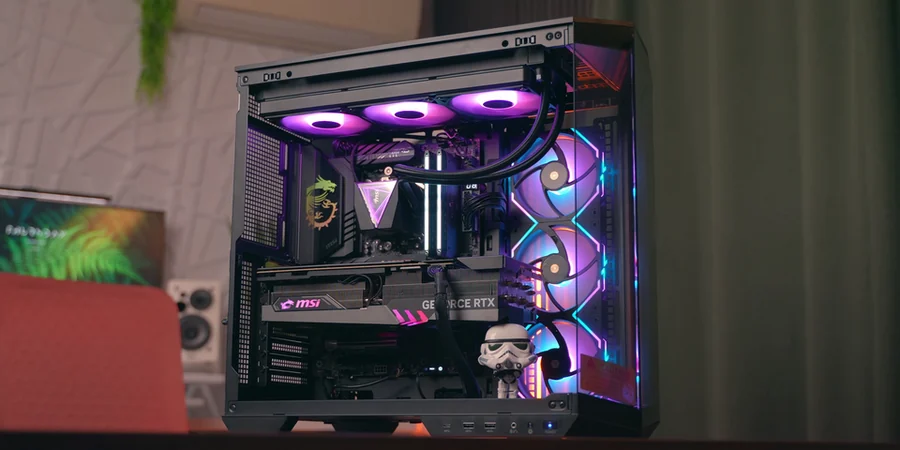
 PC platforma · 2001
Computers
PC / moderní (64bit a GPU)
History & context
The break between the "old" and "modern" PC has no single date, but it has clear markers. Sometime around 2001, the gaming PC stopped being a box you stuffed with the fastest possible processor and became a machine where the heavy lifting is done by a programmable graphics card. Shortly after, a second revolution arrived: in 2003 AMD launched the Athlon 64 processor along with the x86-64 architecture, a 64-bit extension that — unlike various exotic dead ends — stayed fully backward compatible with everything that came before it. Intel adopted it too after some initial resistance, and x86-64 became the industry's common language, including on game consoles.
The era's third pillar arrived with multi-core processors. Clock speeds hit a physical ceiling, and instead of more gigahertz, cores started multiplying, forcing game studios to rewrite the way they built their engines. From the middle of the decade onward, game development stopped being a matter of a single fast loop and became a discipline of parallel programming — with separate threads for physics, audio, data streaming, and rendering.
And above all of this came a change that hit players harder than any piece of silicon: digital distribution. The box on the shelf gave way to an account, a library, and background downloads. The PC, a platform console gamers were writing off in the mid-2000s, became the most open and the largest gaming platform of all.
Technology: graphics and sound
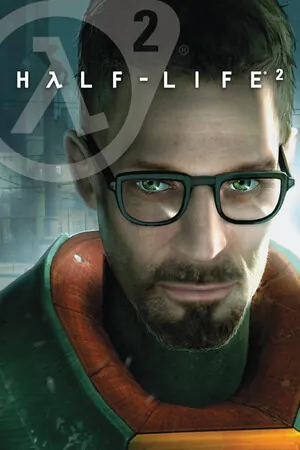
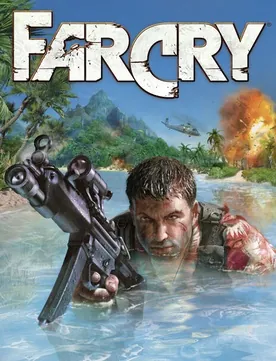
The key moment was programmable shaders. Until then, graphics cards could only perform a fixed set of operations; with DirectX 8 and the GeForce 3 card (2001), developers could for the first time write their own short programs running directly on the GPU for every vertex and every pixel. DirectX 9 and the ATI Radeon 9700 (2002) pushed the boundary further, and the result was visible at a glance: real reflections on wet asphalt, rippling water, soft shadows, skin and fabric that actually looked like skin and fabric. Games like Half-Life 2 and Far Cry showed what that meant in practice.
The next step brought unified shaders — instead of separate units for vertices and pixels, a universal array of compute cores arrived, one that could also be used for general-purpose computation. This was followed by DirectX 11 with tessellation and compute shaders, and later DirectX 12 and the open Vulkan, which gave developers access closer to the hardware and reduced driver overhead.
At the same time, the "raw" numbers kept climbing. From a resolution of 1024×768, gaming moved through 1080p and 1440p to 4K, refresh rates rose from 60 Hz to 144 Hz and beyond, antialiasing smoothed jagged edges, and HDR widened the range of brightness and color. The latest major chapter is ray tracing — calculating reflections, shadows, and lighting by tracing rays, the same approach once used to render film overnight. Because it remains demanding, it's accompanied by upscaling techniques like Nvidia's DLSS and AMD's FSR, which render the image at a lower resolution and reconstruct it to full size.
Connectivity and peripherals
The keyboard and mouse remained the foundation — a pairing no console has ever matched for aiming precision and the sheer number of instantly available commands. Alongside it, though, the PC gained full gamepad support: the Xbox controller became the de facto standard, games recognize it automatically and display its icons, so platformers and racing games play just as comfortably as on a console.
Peripherals that consoles simply don't have also arrived — VR headsets, high-refresh-rate monitors, wheels and sticks for simulators. On the memory side, generations of DDR cycled through all the way to DDR5, but the biggest practical difference came from storage: the move from hard drives to SSDs and then to NVMe drives connected via PCI Express cut loading screens from tens of seconds down to a handful, and let games stream vast open worlds on the fly.
Digital distribution and services
Valve launched Steam in 2003, and players openly hated it at first — mainly because, in 2004, there was no way to launch Half-Life 2 without it, an utterly unheard-of condition at the time. Within a few years, though, this necessary evil became the most convenient way to buy games, keep them updated, and have them available forever. GOG.com followed, with DRM-free games and care for old titles, along with the Epic Games Store and the Game Pass subscription.
This changed a game's entire life cycle. Boxed releases disappeared, along with the idea that a game was finished the moment it was pressed — regular patching took over, along with additional content, Steam Workshop for easy distribution of mods, and early access, where players buy a title while it's still in development and watch it grow. For small studios, this was a fundamental turning point: the road to market no longer had to run through a publisher and distributor.
Modding, indie games, and openness
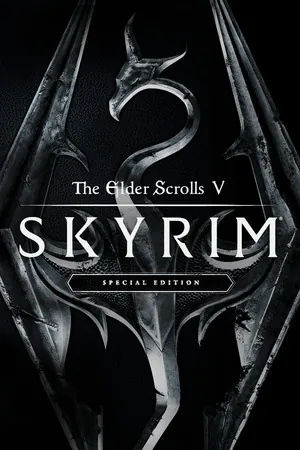
Openness is precisely the trait no one ever took away from the PC. Modding grew from a fringe pastime into a phenomenon — Skyrim, years later, has thousands of mods changing its graphics, mechanics, and even entire new regions, Minecraft built its own culture around modifications, and more than one of today's standalone games began life as a mod of someone else's title.
Alongside this, the indie scene grew up. Digital distribution gave it a storefront, and tools like Unity and the open-source Godot gave it a way to build; games that never would have made it past approval in the boxed era suddenly found hundreds of thousands of players. And third, the PC is home to emulation — this is precisely where emulators for consoles from the 8-bit era to recent generations are built and run.
Todays scene
Recent years have brought something that would have sounded like a contradiction at the start of the era: the handheld gaming PC. Valve's Steam Deck and machines like the ROG Ally look like handhelds, but inside is an ordinary x86-64 PC. The Deck, moreover, runs on Linux and launches Windows games through the compatibility layer Proton, which worked well enough to turn a purchased game library into essentially portable property across systems and devices.
And with that, the circle closes. Today's PC isn't just the platform with the newest games — it's the one place where practically the entire history of gaming can be played at once: today's ray-traced blockbusters, indie gems, old classics from GOG.com, and emulated titles from consoles of every generation. The modern PC is at once the most powerful gaming machine of our time and the finest museum gaming has ever had.
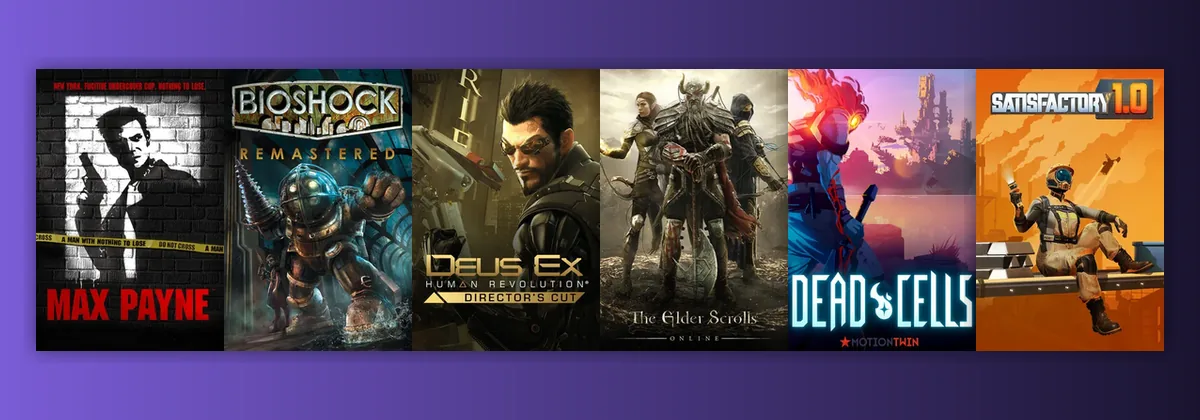
Games on this platform (583)



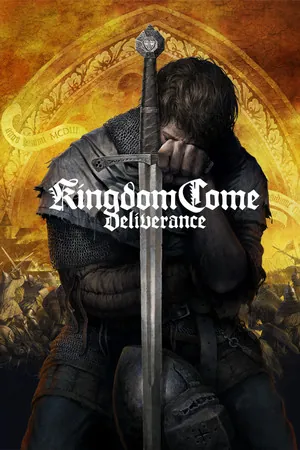
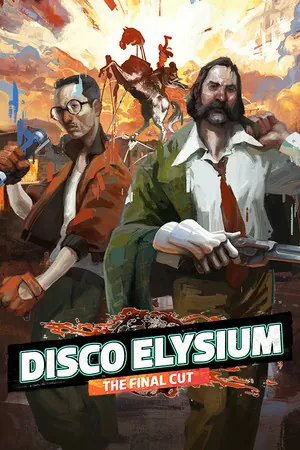
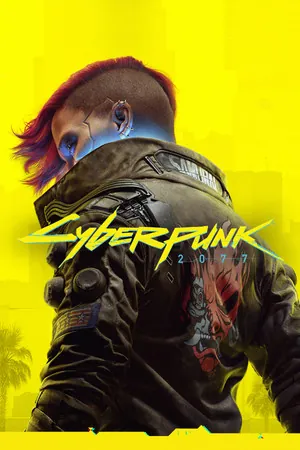

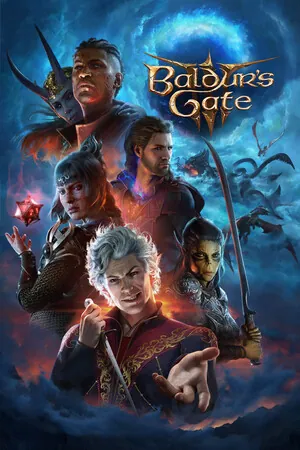

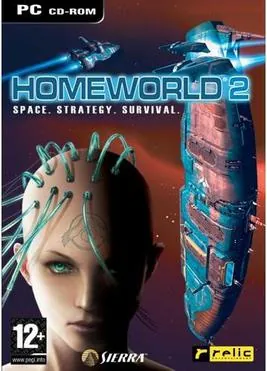
Homeworld 2
One of the few strategy games that truly pulled off full-scale fleet combat in 3D space.


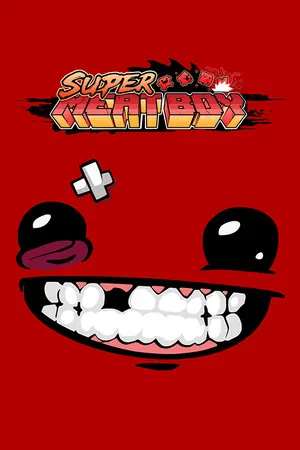



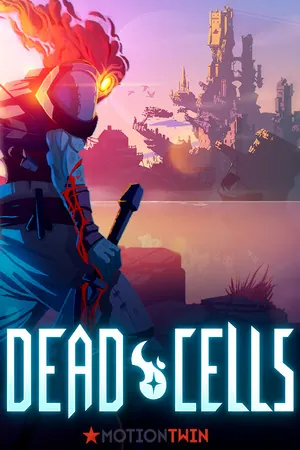
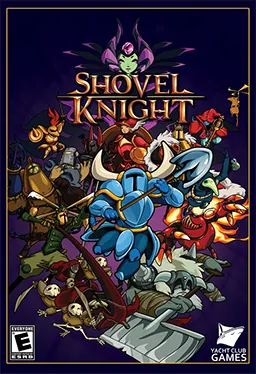
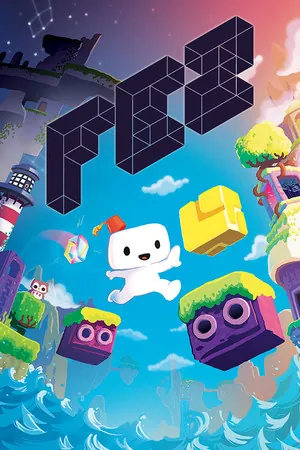











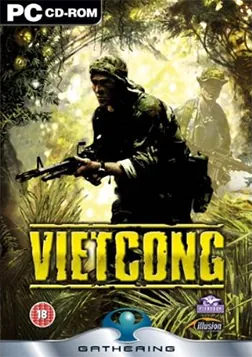

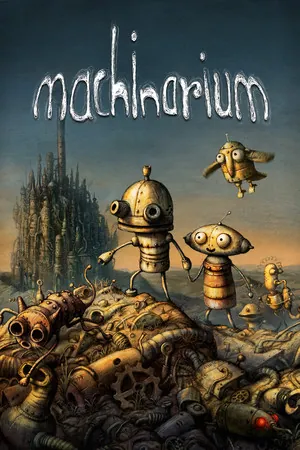


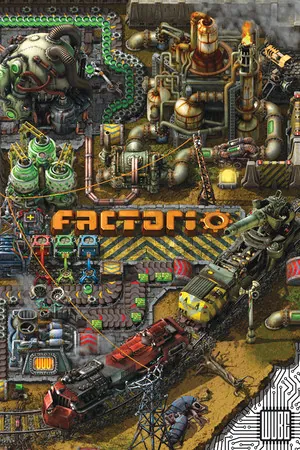


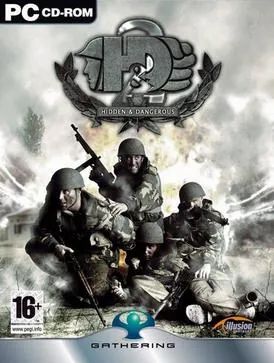





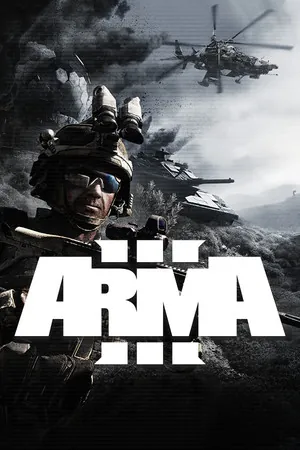
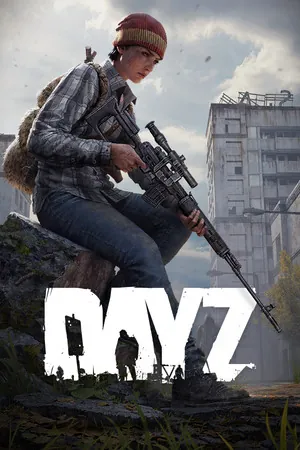
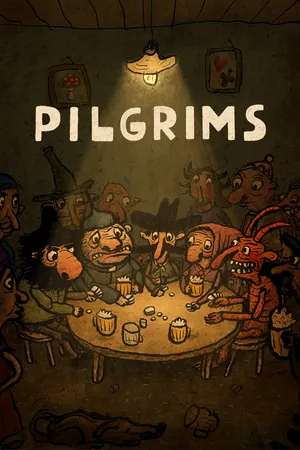
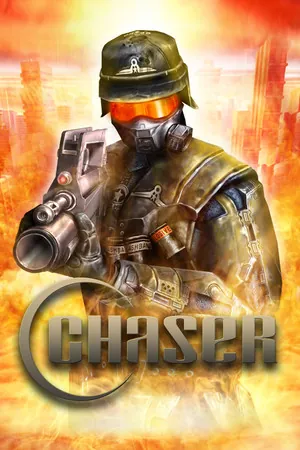





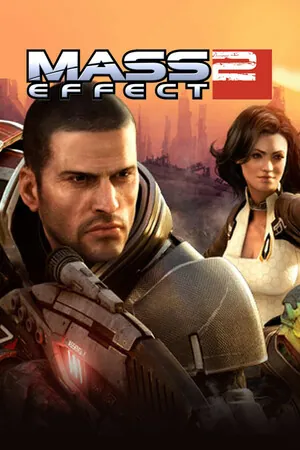
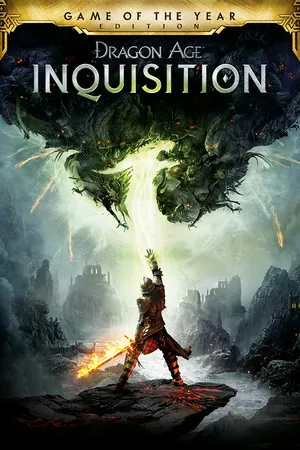
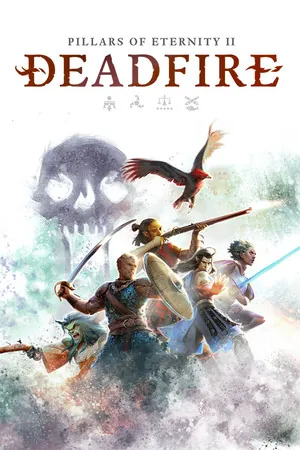
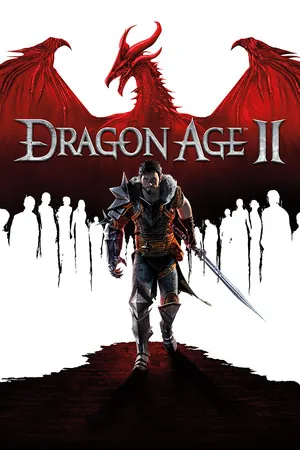
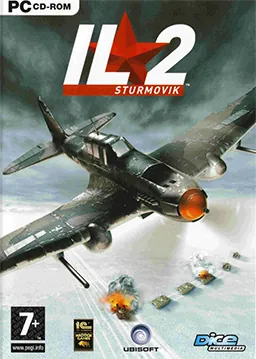
IL-2 Sturmovik
The founder of modern World War II flight simulators; the Eastern Front and the Il-2.




































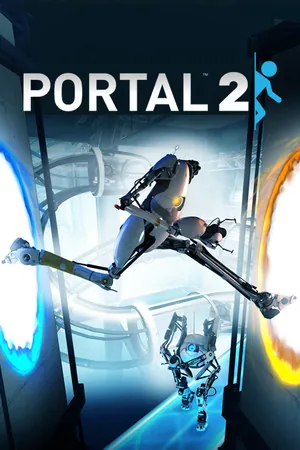
Portal
Short but tremendously influential game; GLaDOS's dry humor guides puzzles with a portal gun.

















SimCity
A controversial reboot with always-online DRM and tiny plots; a flop that damaged the brand.
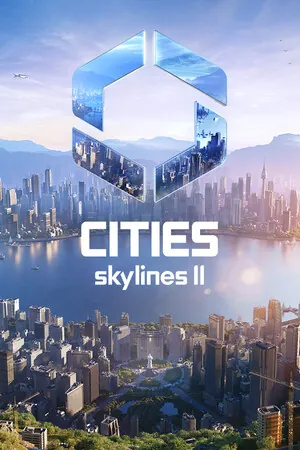
Cities: Skylines
The successor that saved the genre with Steam Workshop after the SimCity 2013 flop.

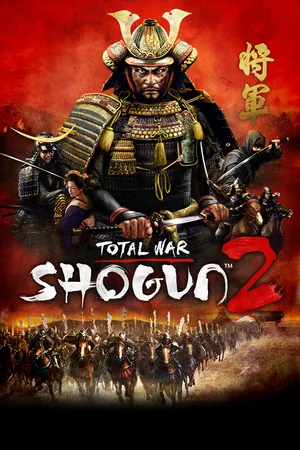
Total War: Shogun 2
A return to the series' roots in feudal Japan; one of the best-reviewed entries.










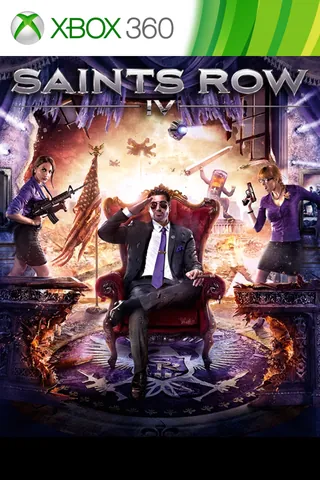
Saints Row IV
A gang boss becomes President of the United States and fights aliens with superpowers.




















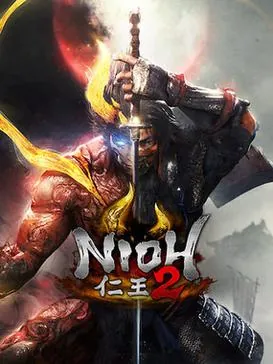
Nioh 2: The Complete Edition
Drsný soulslike z feudálního Japonska plný yókai; boj je hodně hluboký.
















No game in this genre.