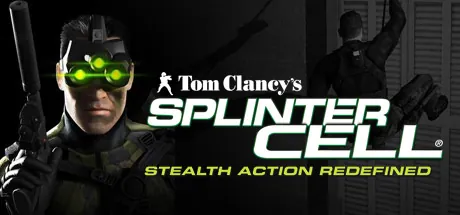
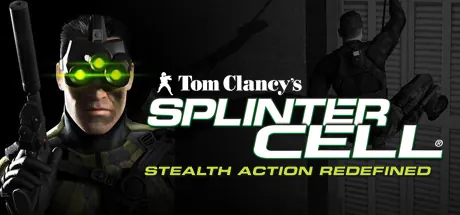
Tom Clancy's Splinter Cell
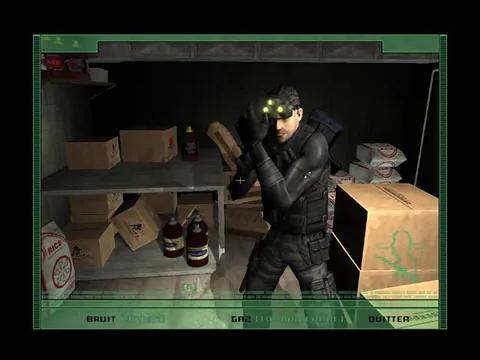
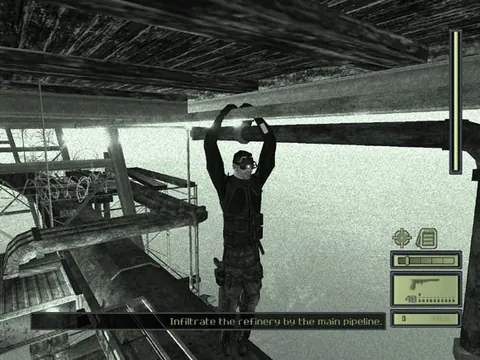
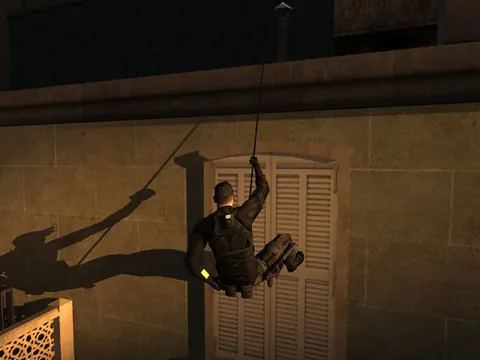
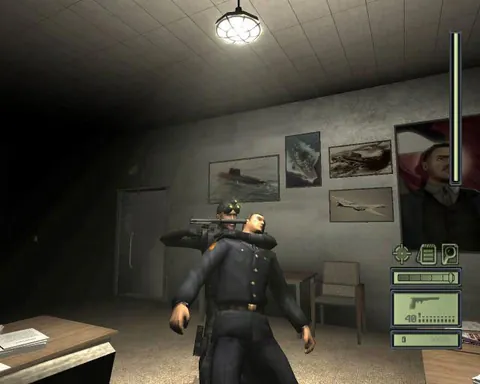
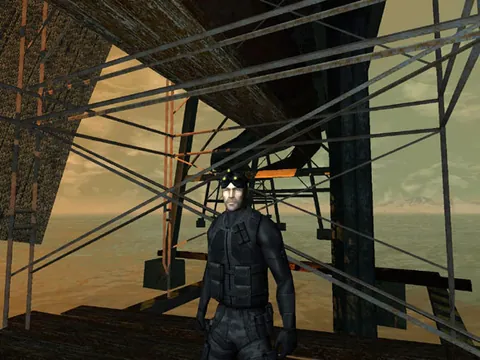
Tom Clancy's Splinter Cell introduced players to Sam Fisher, an NSA veteran and agent of the secret Third Echelon unit, and along with him the emphasis on light and shadow as a key gameplay mechanic that no other major action game offered to that degree at the time. The story deals with a crisis around Georgia and the threat of nuclear conflict, but really serves mainly as a framework for a series of carefully designed missions in which the player sneaks through shadows, extinguishes lights, hangs from pipes, and decides whether to merely bypass guards or quietly take them out. Gear like an optic cable for spying through doors or thermal vision gave the player's progress a believable espionage feel.
On PC the game stood out for its then very advanced lighting and shadow rendering, which created a tense, almost claustrophobic spy-thriller atmosphere – the player must constantly monitor their own visibility via a light meter and adjust their approach accordingly. The music and sound design underscored a sense of isolation and risk typical of Cold-War-flavored spy stories of the time, and the individual locations, from Russian prisons to Tokyo skyscrapers, gave the game variety despite its linear structure. At the time the game was received as a serious rival to the Metal Gear Solid series and classic titles like Thief, and on both PC and consoles it earned a reputation as a technically and design-wise ambitious project.
With its emphasis on realistic light manipulation, the first Splinter Cell laid the foundation on which all later series entries built, and even with the years of hindsight it's clear how great an influence it had on shaping the modern stealth genre. Today it feels a bit slower and less forgiving than its sequels, with less sophisticated guard AI and a simpler movement repertoire, but as a historical milestone it remains a game worth returning to.
Why play: As the historical milestone that laid the foundation of the modern stealth genre through its emphasis on light manipulation, even though it feels slower today and has simpler guard AI than its sequels.
Game 202 of 583 for PC / moderní (64bit a GPU)
The same title elsewhere (3)
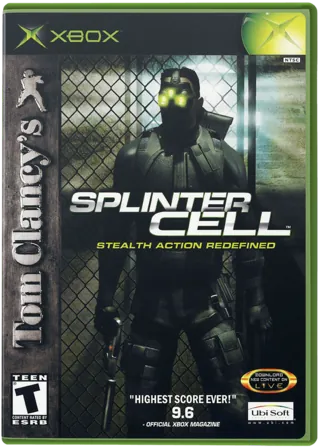
From the same series Splinter Cell →
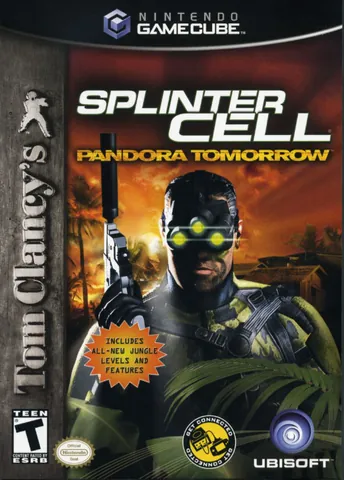 Tom Clancy's Splinter Cell: Pandora Tomorrow GCN · 2004
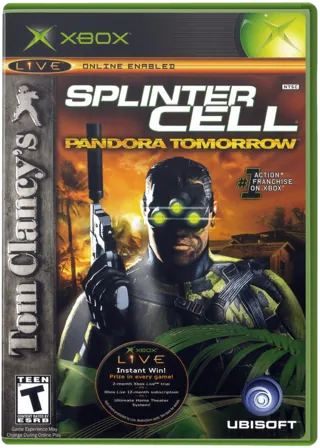 Splinter Cell: Pandora Tomorrow Xbox · 2004
 Tom Clancy's Splinter Cell: Chaos Theory PS2 · Xbox · PC · 2005
 Tom Clancy's Splinter Cell: Essentials PSP · 2006
 Tom Clancy's Splinter Cell: Double Agent Xbox · X360 · PC · 2006
 Tom Clancy's Splinter Cell: Conviction X360 · 2010
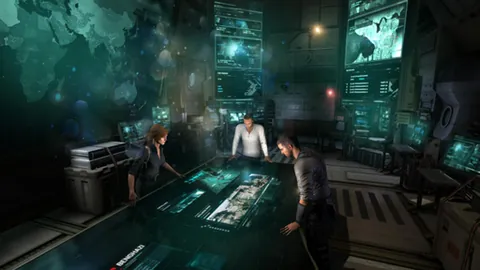 Tom Clancy's Splinter Cell: Blacklist Wii U · PS3 · 2013