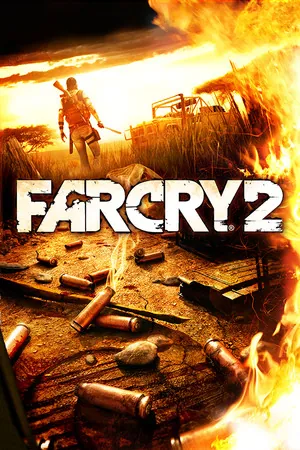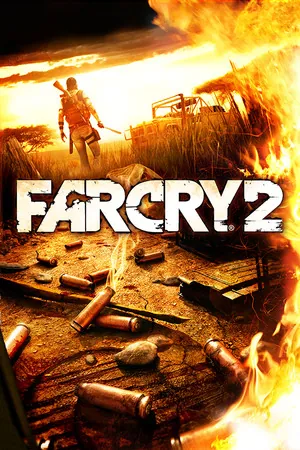
Far Cry 2
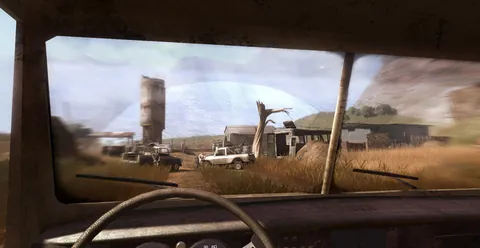
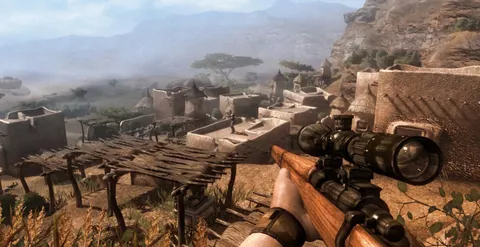
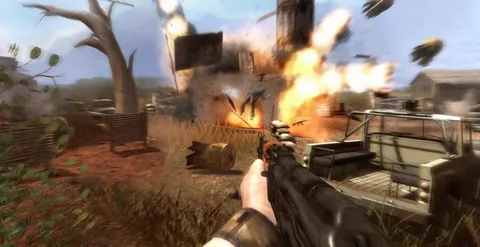
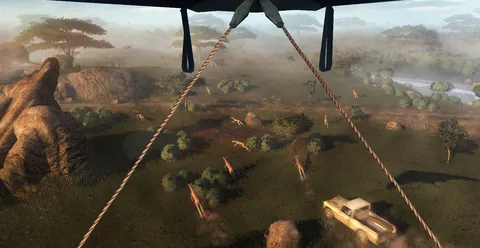
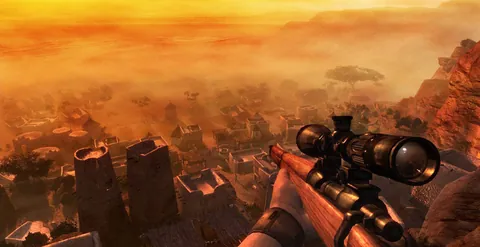
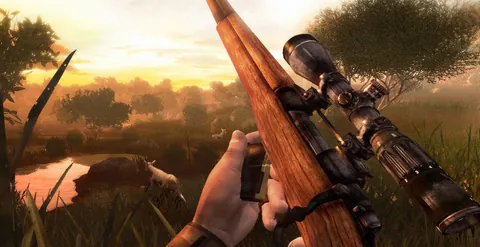
Far Cry 2 moved the series from a tropical island to a vast, parched Africa divided by a border between two fictional factions locked in civil war, and unlike the first game it bet on an open world that the player explores at their own pace using buggies, boats, and a paraglider. The main character is a mercenary gunman infected with malaria, which feeds directly into the gameplay - medicine must be collected and taken regularly, or debilitating seizures follow. Weapons wear out and can jam in the middle of a firefight, fire spreads realistically across dry grass and devours entire hills, and roadside patrols respawn over time, a design decision that was heavily debated at the time. At the outset the player picks one of two warring factions, whose conflict serves only as a pretext for paid contracts, and during missions they're helped by so-called buddies - fellow fighters who can save them from death at the last moment, but who can also fall in battle themselves.
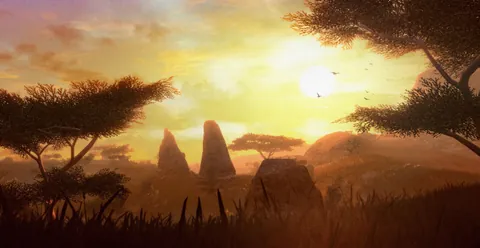
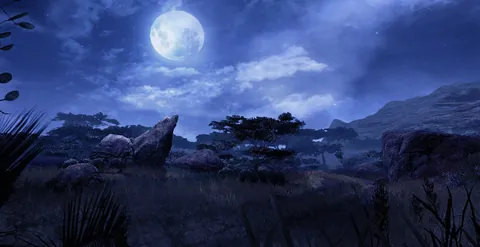
Technically it was one of the first titles powered by the Dunia engine, which delivered impressive long-distance views, dynamic weather, and a smooth day-night cycle along with fire physics that was unique for its time. The atmosphere was rounded out by the dense, raw visuals of the scorched savanna and a dark story of war, corruption, and survivors, told through audio recordings and diaries found in the world rather than classic cutscenes. Survival also means regular visits to safe houses, where supplies can be replenished and a damaged vehicle repaired, and trading in diamonds, which in a world without money serve as the sole currency for weapons.
Far Cry 2 divided both players and reviewers - some praised its ambition, systemic depth, and willingness to abandon heroic pathos, while others criticized the repetitive checkpoints and steep difficulty. Looking back, though, it's now seen as an important stepping stone that influenced later open-world shooters and set the direction the series would follow toward more elaborate survival and world-interaction systems.
Why play it: If systemic depth and the courage to abandon heroic pathos appeal to you, overlook the annoying checkpoints and steep difficulty - this is an important stepping stone toward later open-world shooters.
Game 189 of 583 for PC / moderní (64bit a GPU)