 různí (MAME / FBNeo) · 1979
Arcades
Arcade
History & context
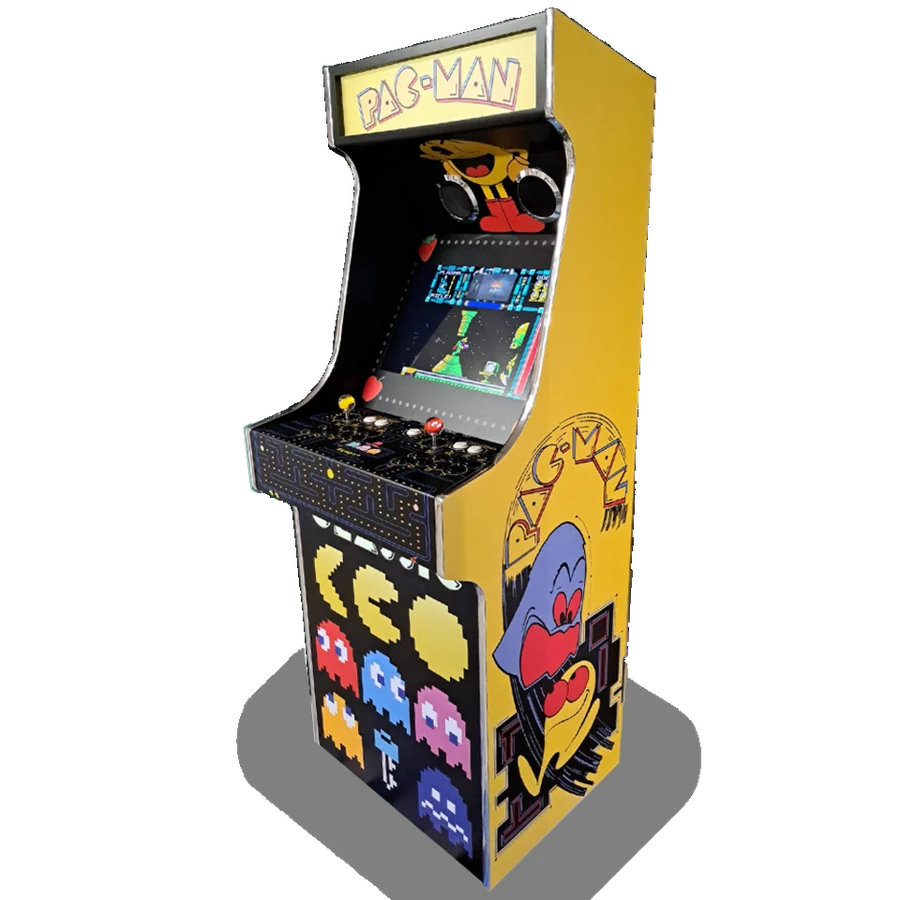
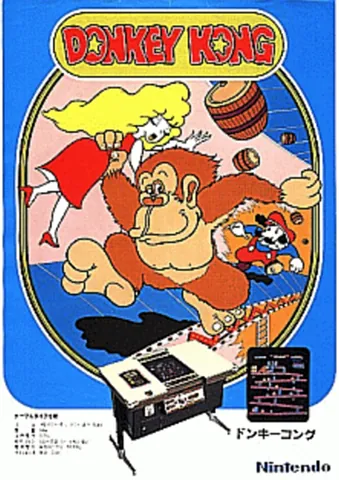
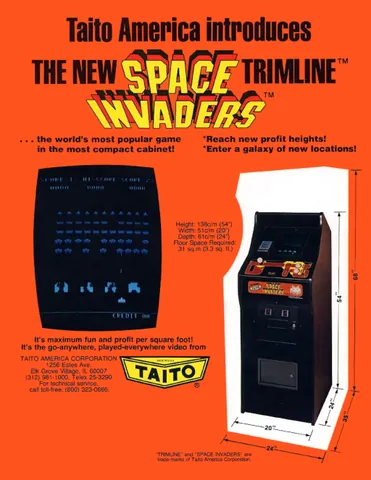
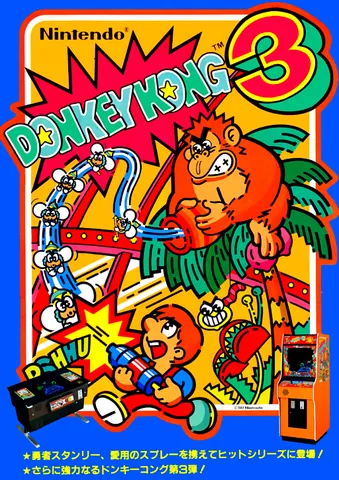
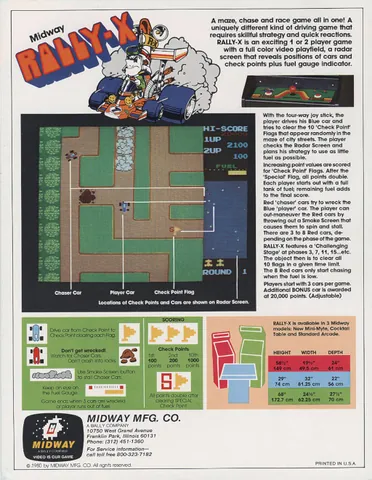
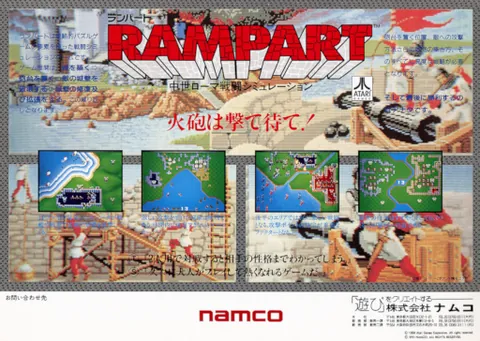
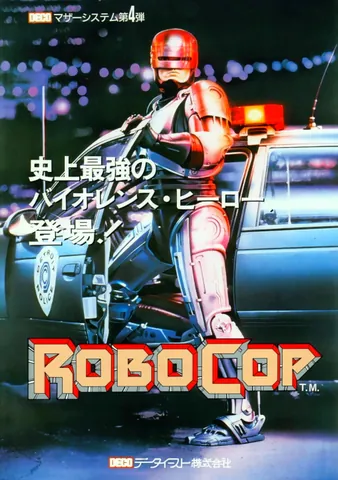
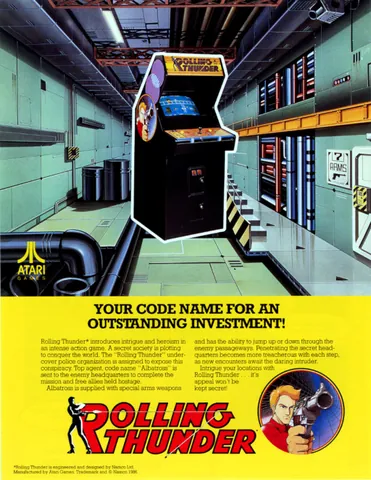
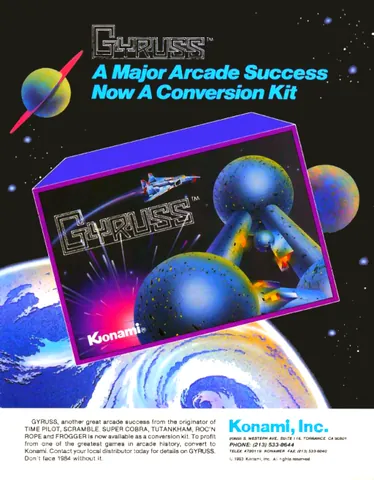
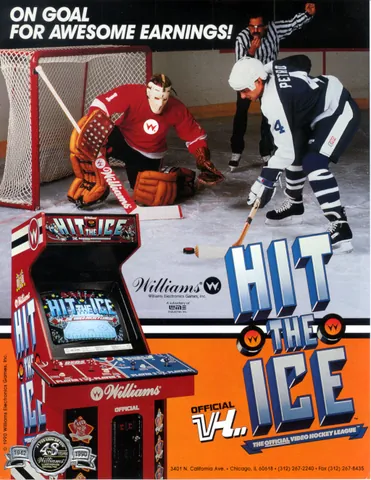
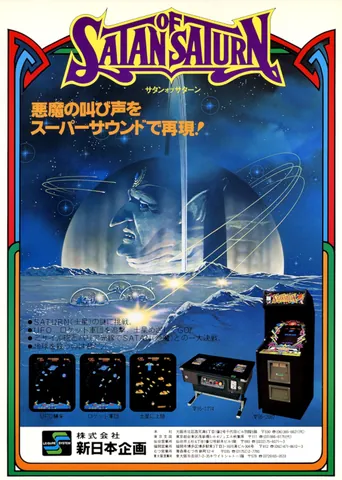
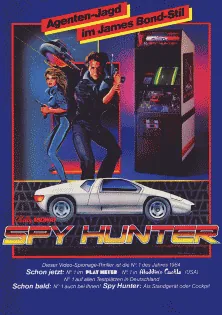
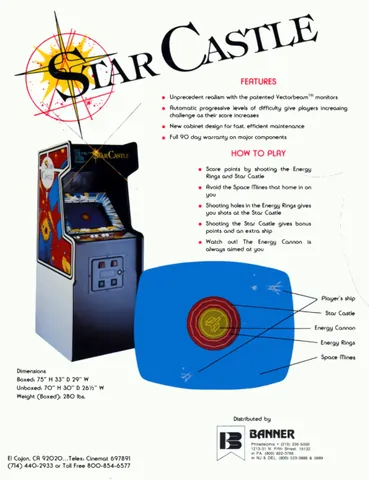
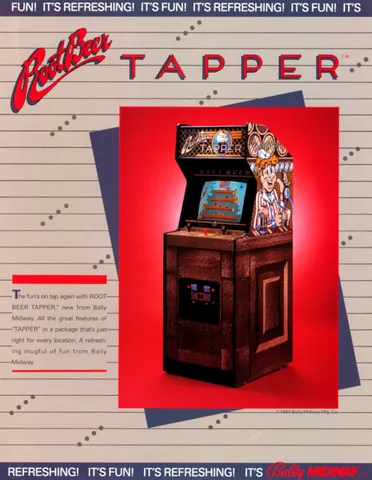
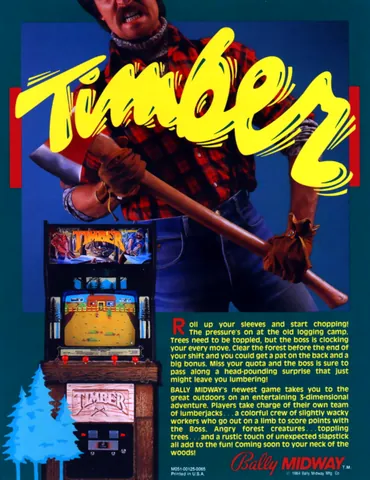
Arcade machines are not a single platform — they are a whole universe. Before home consoles arrived, people played on coin-operated machines, and that is precisely where the entire gaming industry was born in the 1970s. Pong (1972), Space Invaders (1978), Pac-Man (1980) and Donkey Kong (1981) did not originate on living-room screens but in wooden cabinets under neon lights. For most of the 1980s and 1990s, arcade machines were technically always a step ahead of what you could have at home — and that was exactly their selling point.
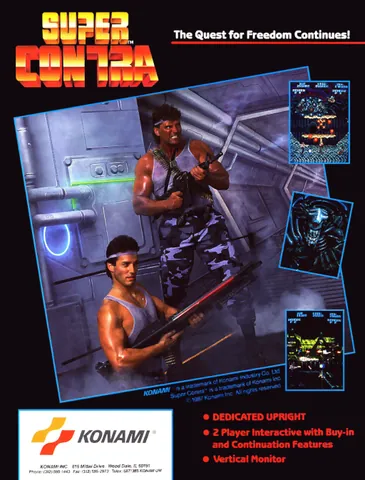
The key to understanding the arcade world is the business model: the machine was meant to take coins. That dictated the design of the games. Difficulty was often deliberately merciless so that the game would "kill" you and force you to drop in another coin. It was not a bug or developer incompetence — it was a way to make money. With home emulation today you have unlimited credits, so you can enjoy the same games without draining your wallet and get to know them from a side they never wanted to show you.
Technology: graphics and sound
You can't speak of a single "arcade hardware" — every generation of cabinets had its own board. They had one thing in common: they were built without the compromises that shackled home machines. While a console had to be cheap enough for every household, an arcade machine could afford more memory, faster processors and specialized graphics chips.
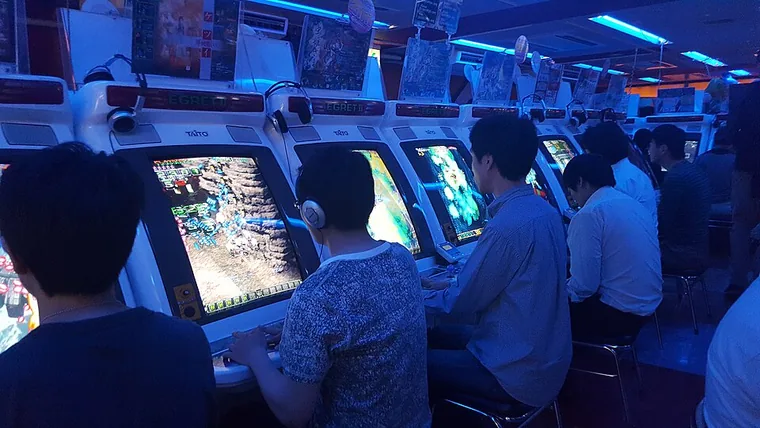
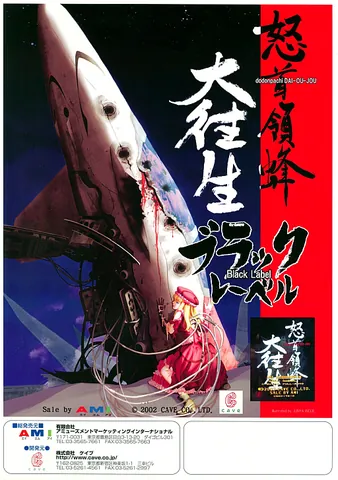
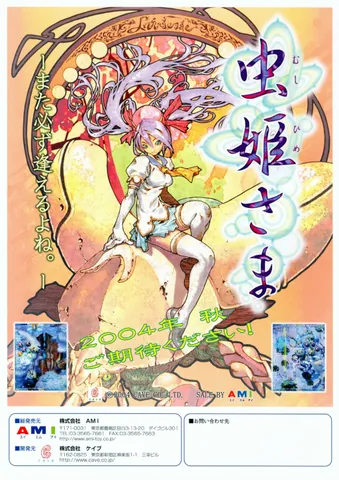
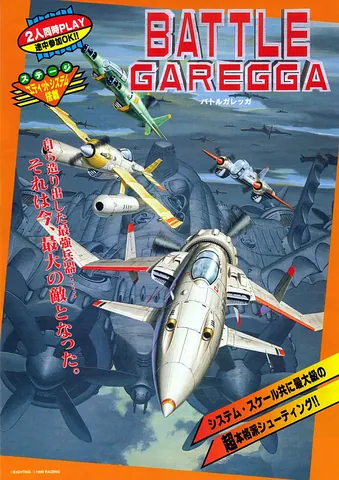
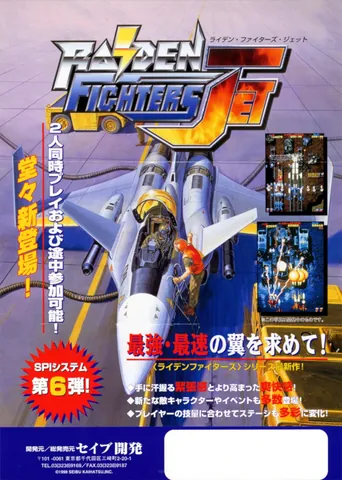
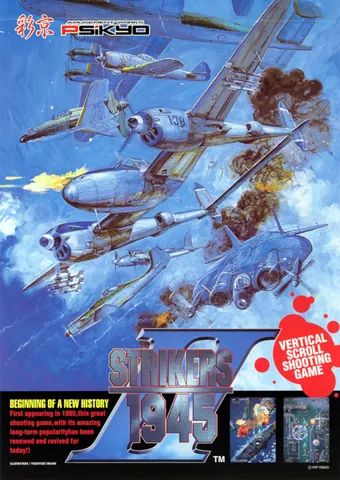
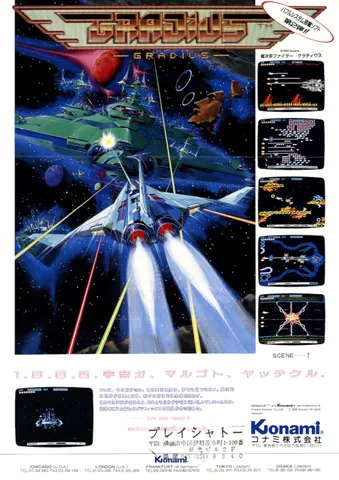
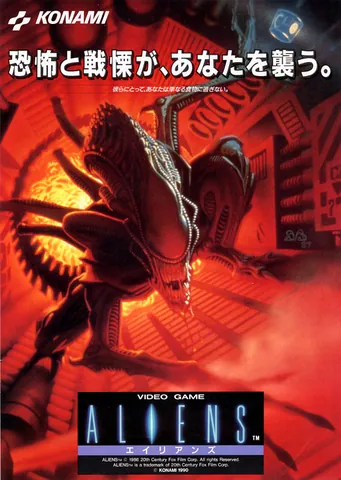
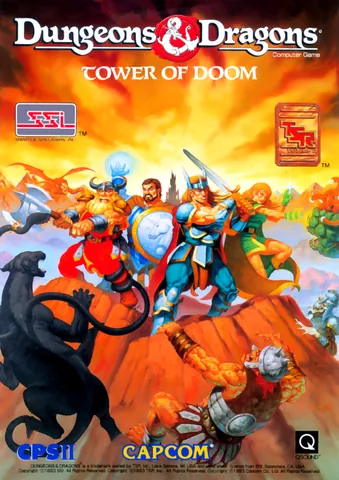
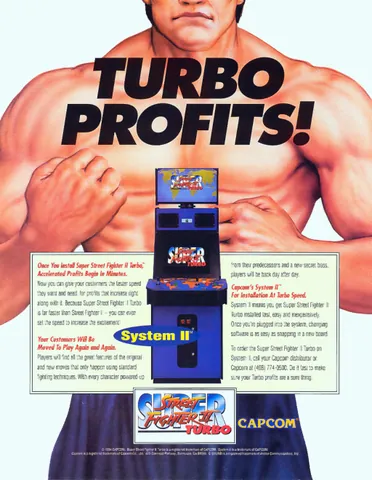
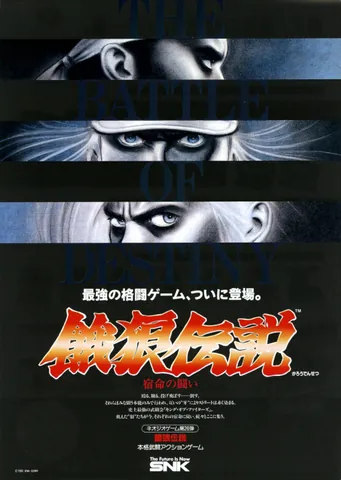
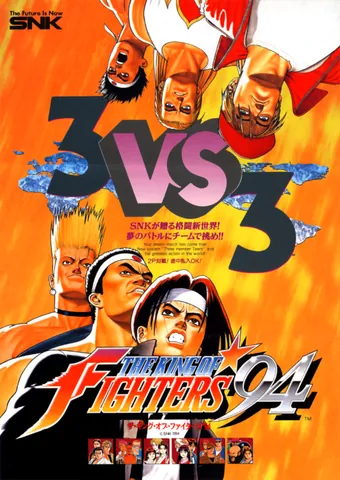
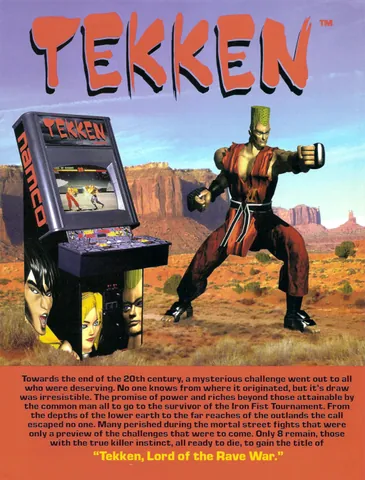
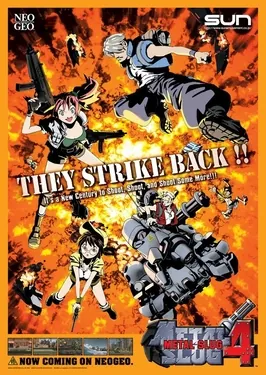
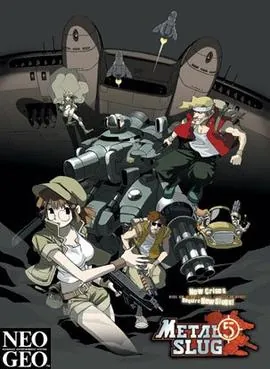
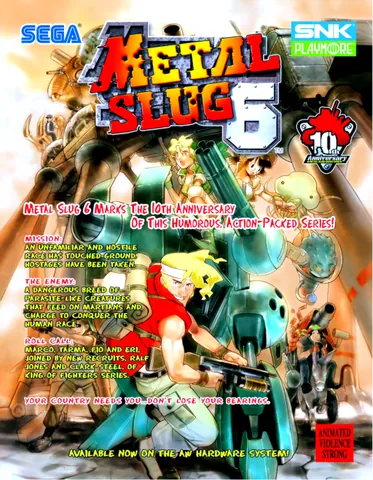
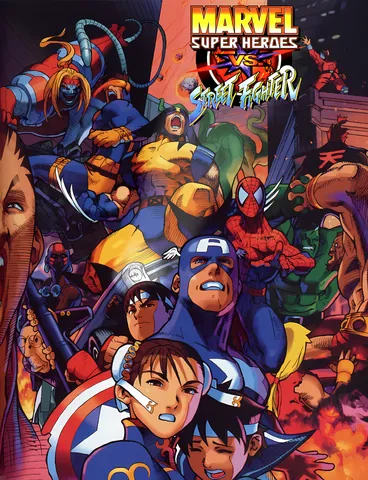
The golden era for fans is the 2D period from the late 1980s to the late 1990s. Boards like the Capcom CPS-1 and later the CPS-2 powered fighting games and beat 'em ups with large, smoothly animated sprites and rich colors. The SNK Neo Geo (the MVS board) excelled with enormous sprites and a palette that was long unavailable at home — which is why games like Metal Slug or King of Fighters looked so rich. The shmup genre (vertical shooters) was brought to perfection by the Japanese studio Cave: bullet-hell titles like DoDonPachi or Mushihimesama filled the screen with hundreds of bullets without a stutter.
Sound was similarly diverse. Early arcade machines combined simple chips and discrete circuits; in the 1980s Yamaha's FM synthesis chips reigned (the YM series, e.g. the YM2151 and YM2203), which gave arcades their characteristic metallically ringing sound. With the CPS-2 and Neo Geo came sampled instruments and higher-quality digitized sound.
Connectivity and peripherals
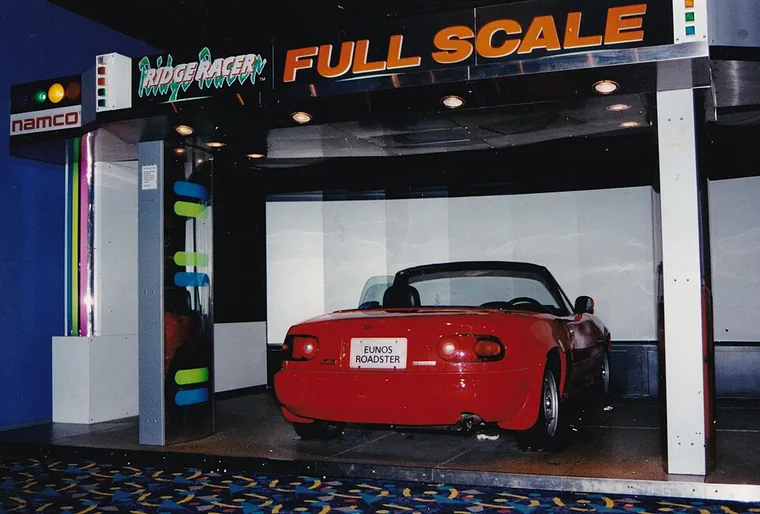
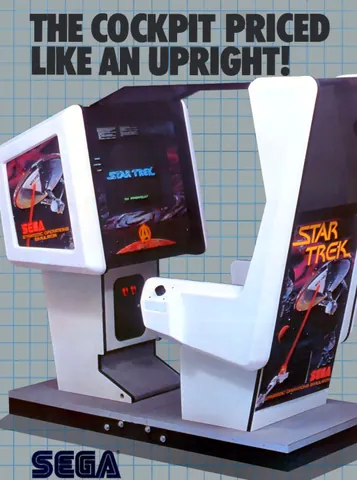
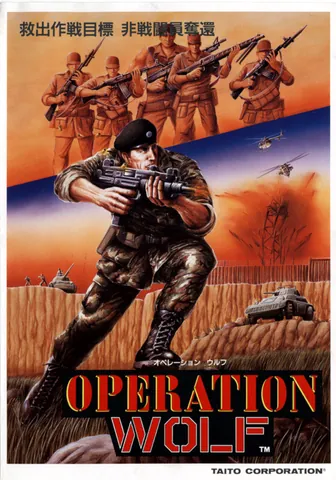
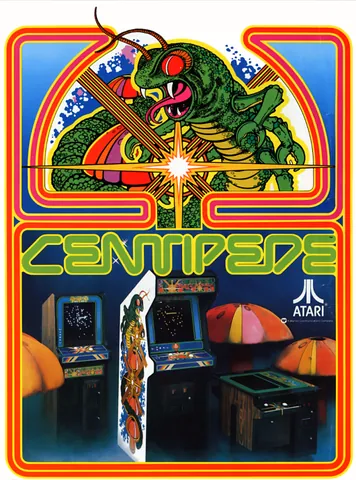
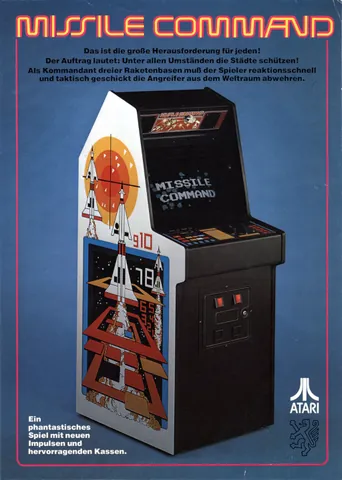
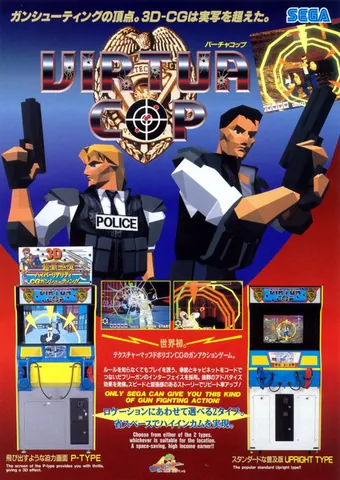
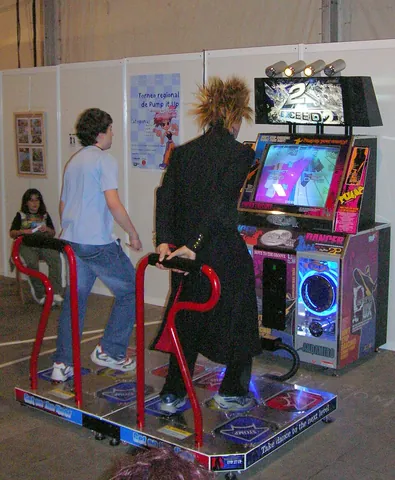
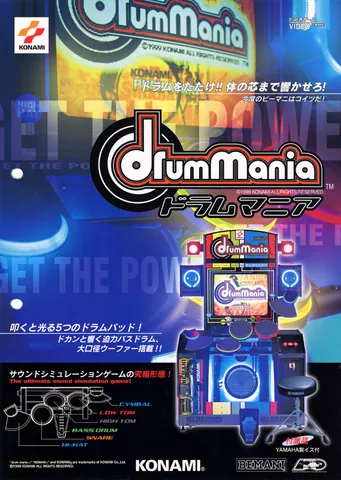
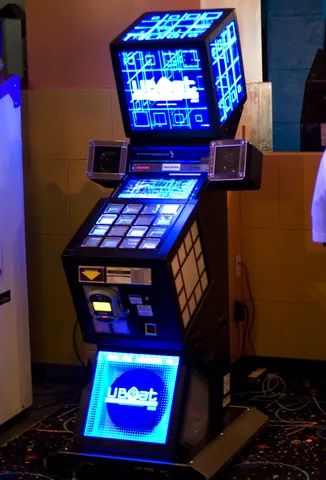
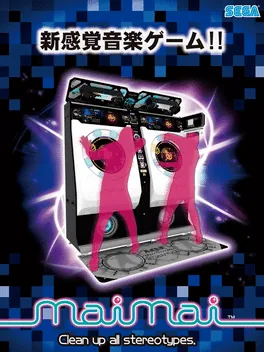
The controls of an arcade machine were part of an experience that could not be replicated at home. Alongside the classic joystick and buttons there were pedals and steering wheels on racing games, light guns on shooting machines like Operation Wolf, trackballs (Centipede, Missile Command) and rotary controls (paddles). Some cabinets were experiences in themselves — the seats tilted, the cabin shook.
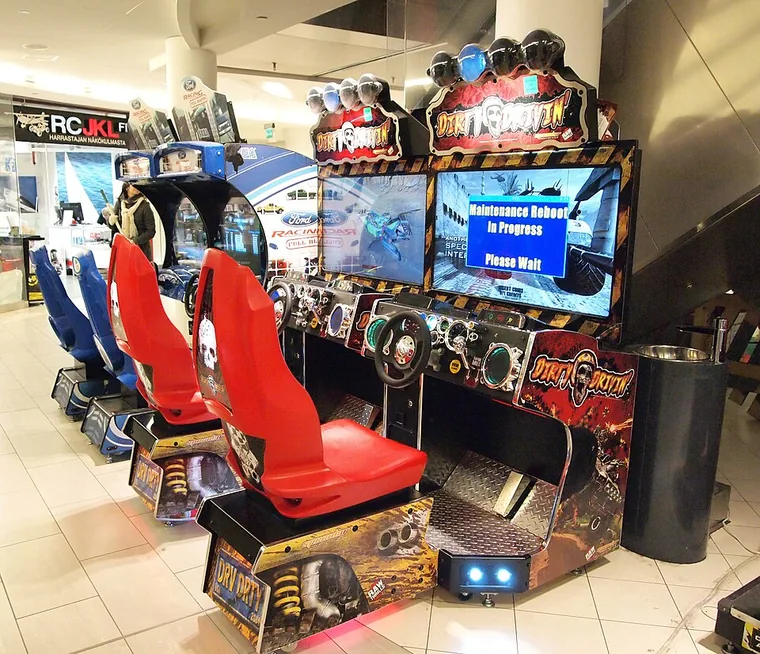
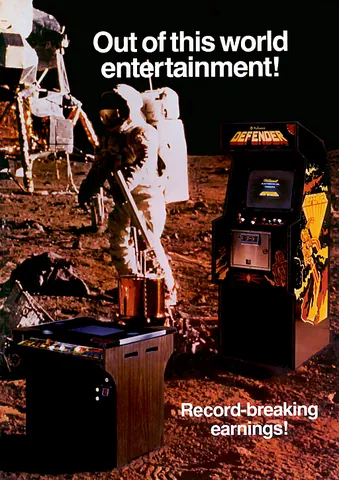
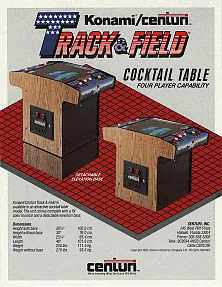
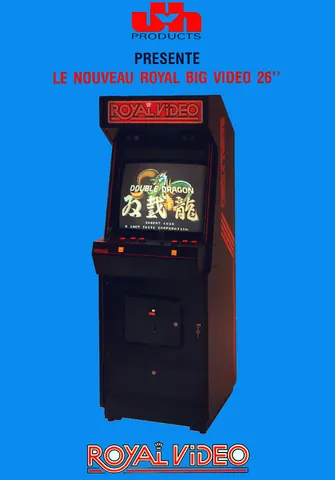
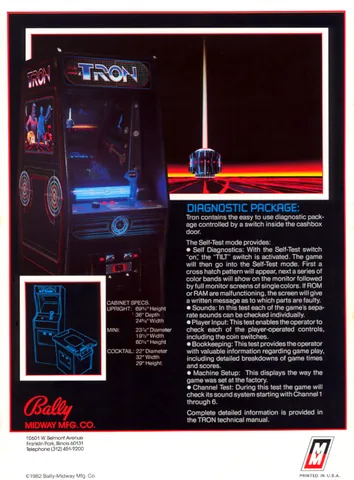
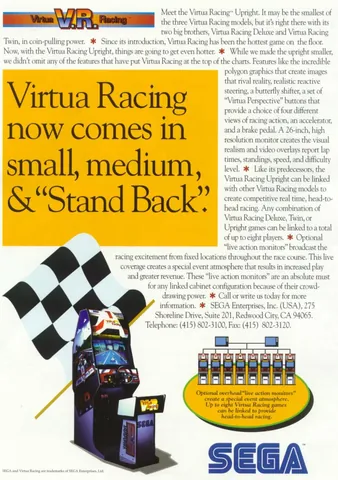
An important format was cabinet versus cocktail: the upright standing cabinet against the table-top version, where players sat opposite one another and the picture rotated between turns. Networked linking of several cabinets existed in racing games, where multiple players raced against each other on machines standing side by side.
Models and variants
Instead of "revisions of a single console", the arcade has whole families of system boards. Worth mentioning in particular:
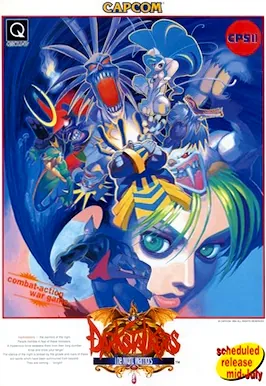
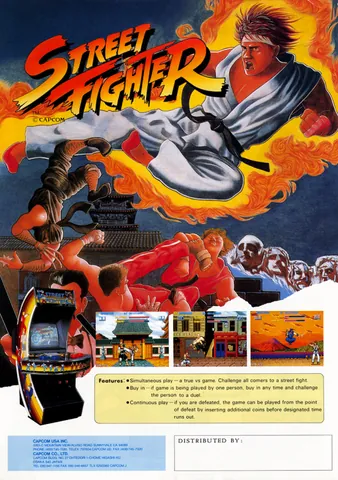
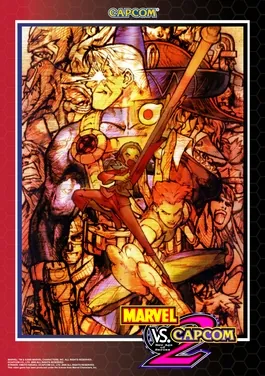
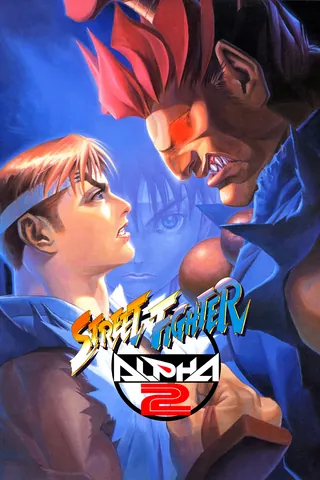
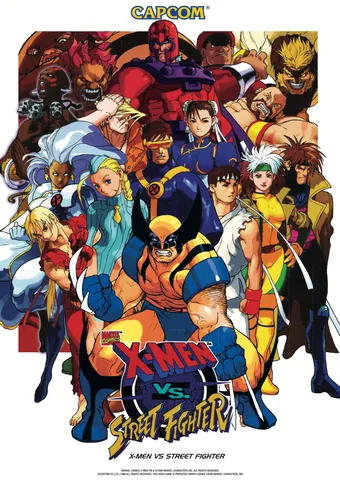
- Capcom CPS-1 / CPS-2 / CPS-3 — successive generations with interchangeable game cartridges, the heart of 1990s Capcom (Street Fighter, Final Fight).
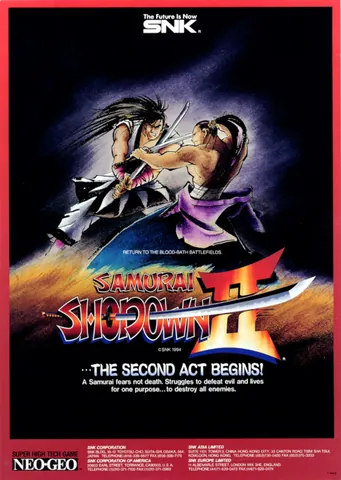
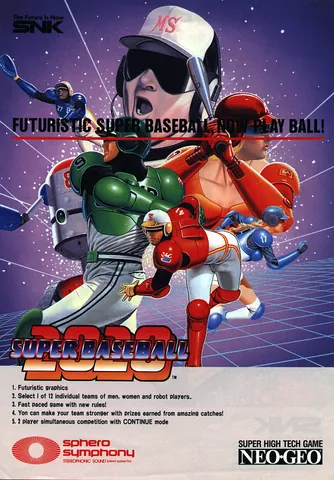
- SNK Neo Geo MVS — a machine with several slots into which the operator inserted up to six different games at once; technically identical to the home variant.
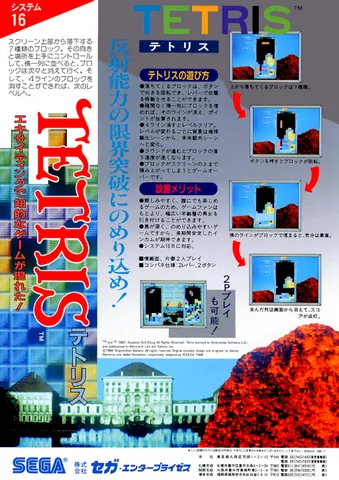
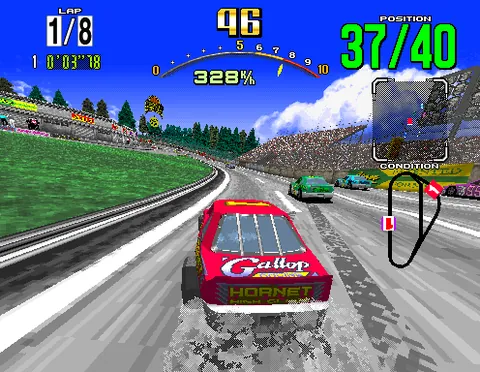
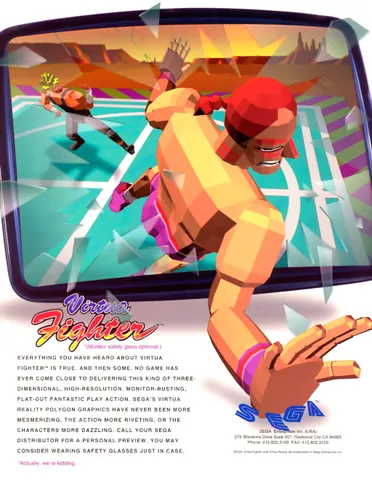
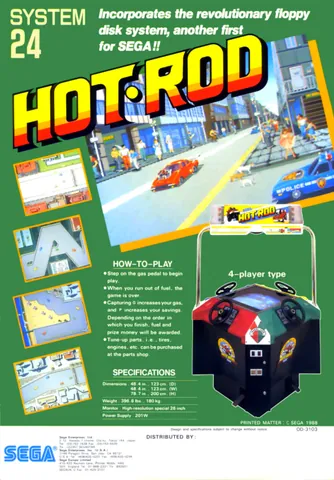
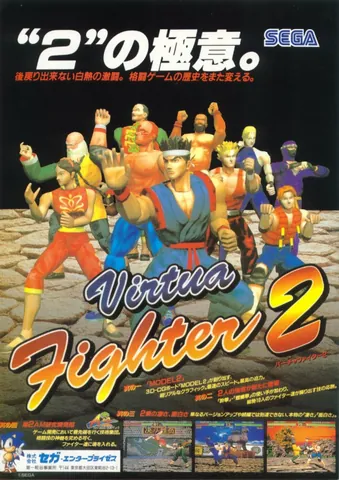
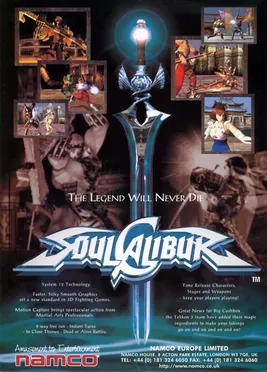
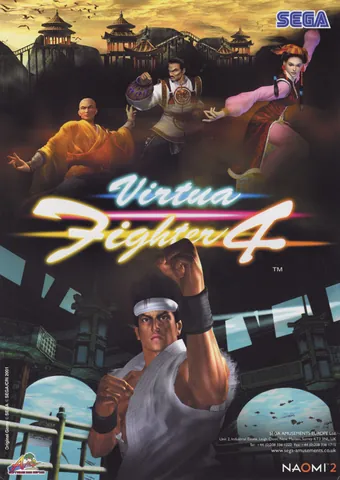
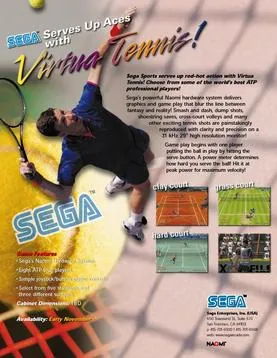
- Sega System 16 and the later 3D boards Model 1/2/3 — Sega pushed polygon graphics (Virtua Fighter, Daytona USA).
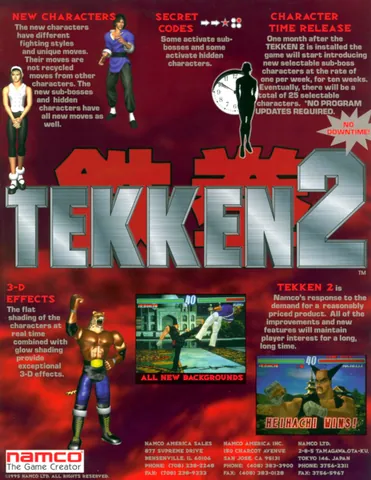
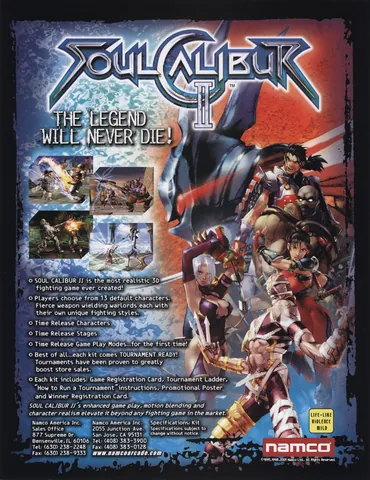
- Taito, Konami and Namco also had their own board lines with their own sound and graphics chips.
This very fragmentation is why emulating arcades is more demanding than emulating a single closed console.
Clones and variants
The arcade world was always full of bootlegs — unofficial copies of popular boards, often made in Asia or Italy, that circumvented licenses. Many classics thus circulated in dozens of regional versions and pirate variants; MAME today carefully catalogs them alongside the originals.
The domestic trace here is indirect: SNK also sold the Neo Geo as an (extremely expensive) home console, the Neo Geo AES, so the richest players had an arcade machine literally in their living room. In the Czechoslovak and Eastern European context, arcades in the form of Western cabinets spread only after 1989; until then it was more a matter of isolated machines and, later, local copies of popular titles.
Today's scene
Arcade emulation stands on two pillars. MAME (Multiple Arcade Machine Emulator) is a huge project striving for faithful preservation of thousands of boards — it prefers accuracy over performance. FinalBurn Neo (FBNeo) focuses on the most popular hardware (CPS, Neo Geo, Sega) and runs briskly even on weaker hardware.
One thing is crucial for a newcomer: arcade ROM files must exactly match the version of the emulator. The romset is tied to a specific version of MAME or FBNeo, and when it doesn't match, the game simply won't boot — which is the most common source of frustration for beginners.
On handheld consoles with the H700 chip, the vast majority of 2D classics run superbly; only the most modern 3D arcade machines cause problems, and they don't belong in the retro aesthetic anyway. The arcade is thus an inexhaustible well for short, intense sessions — you toss in an imaginary coin and off you go.
Games on this platform (258)
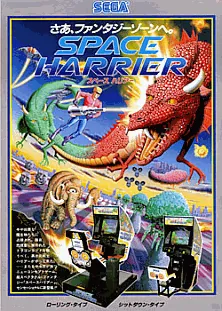
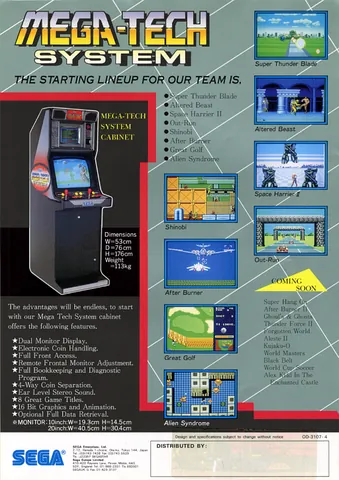
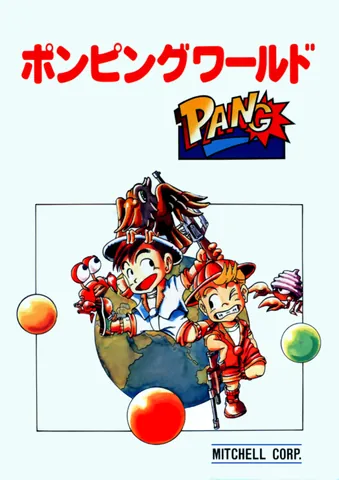
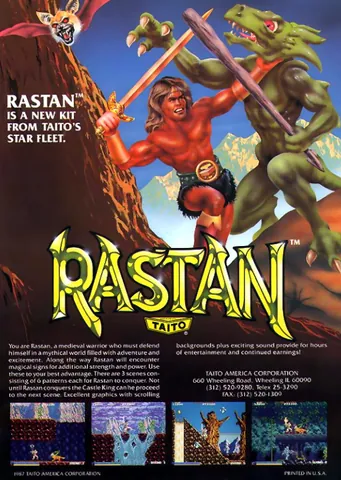
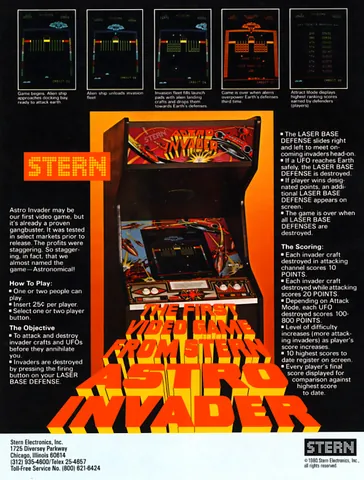
Astro Invader
Sega's Space Invaders clone enriched with falling meteors as a second layer of threat.
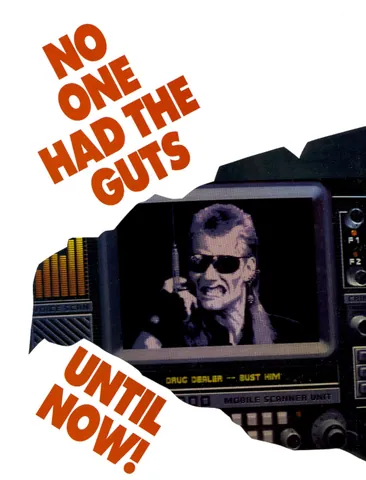
Narc
A gritty shooter about fighting drug gangs; a rocket launcher literally tore enemies to pieces.
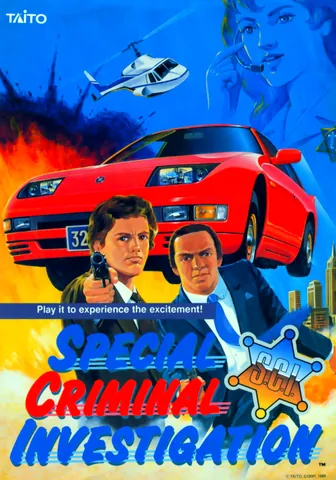
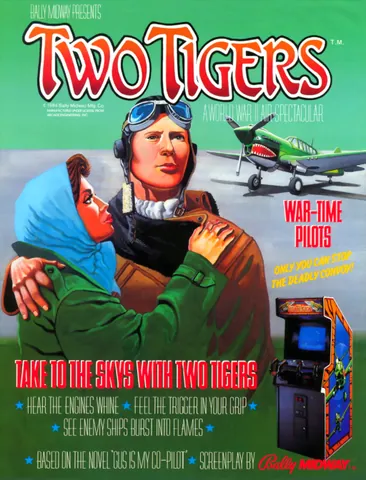

No game in this genre.