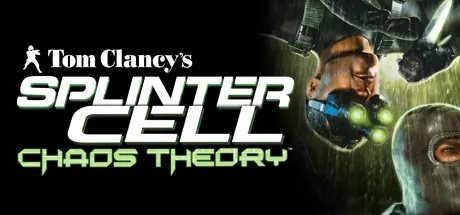
Tom Clancy's Splinter Cell: Chaos Theory
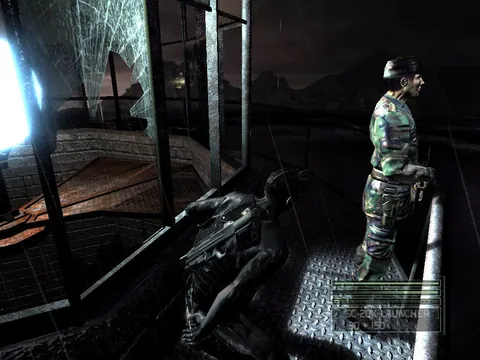
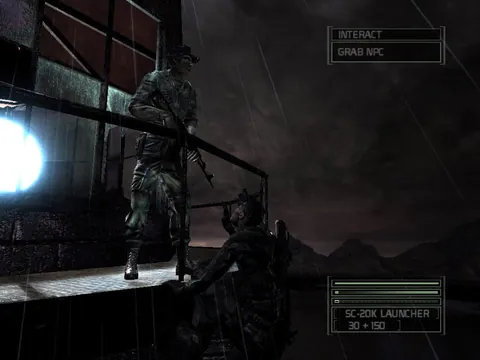
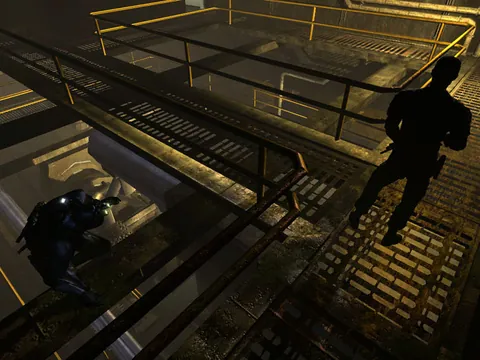
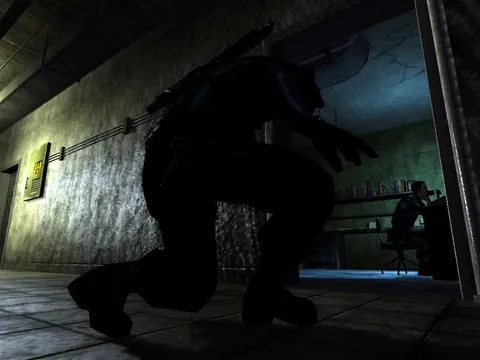
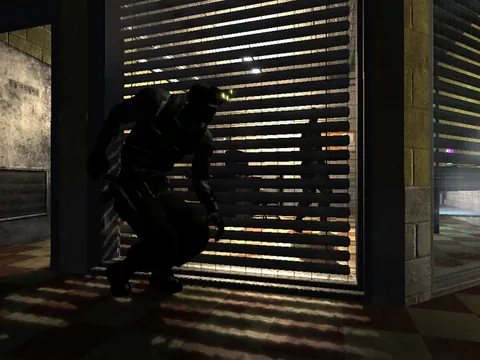
Tom Clancy's Splinter Cell: Chaos Theory is the entry many fans and reviewers consider the high point of the whole series and one of the best stealth titles of its generation. NSA agent Sam Fisher once again moves through the shadows, using multispectral goggles, sticky cameras, and other espionage gear to reach his objectives without unnecessary violence, though the game also offers a harder, more direct approach for players who prefer action. The key element remains the elaborate light-and-shadow system – the player constantly assesses where they can and cannot be seen, extinguishes lamps, hides bodies, and listens for footsteps behind doors, and the game rewards a stealthy, nonviolent completion of the mission.
On PC the game offered the most refined presentation of all the versions available at the time, with improved lighting, smoother animation of Sam Fisher's movement, and support for the era's modern graphics cards, which made details like dynamic shadows and light reflections on wet surfaces stand out. Sound played an irreplaceable role in Chaos Theory – footsteps, echoes, and guards' voices are just as important as what the player sees, and the tense, quiet atmosphere, permeated by a sensitive musical score, gave every mission a cinematic edge. The game also introduced the popular cooperative and asymmetric multiplayer mode Spies vs. Mercs, which pitted spies against heavily armored mercenaries with different abilities and long stood as one of the most original online modes of its time.
Contemporary reviews were nearly unanimously enthusiastic, and Chaos Theory is still cited today as a textbook example of what an elaborate stealth system should look like, where every player decision has a visible impact on how the mission unfolds. The game's influence is noticeable in later series entries and in competing titles that borrowed its light-and-shadow mechanics, and even after all these years it still plays surprisingly well.
Why play: As a textbook example of an elaborate stealth system where every decision has a visible impact on the mission, Chaos Theory remains surprisingly playable even after all these years.
Game 199 of 583 for PC / moderní (64bit a GPU)
The same title elsewhere (2)
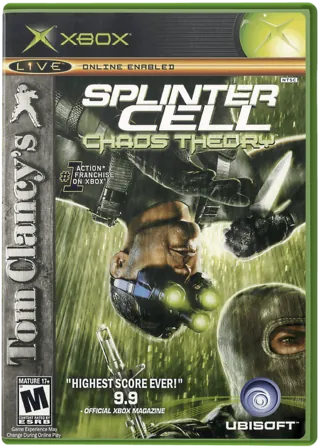
From the same series Splinter Cell →
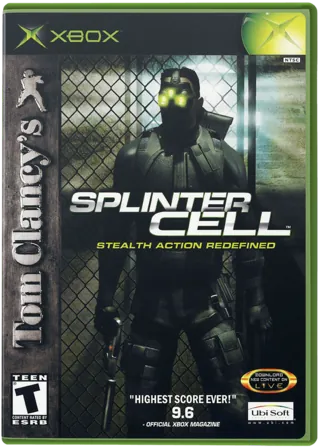 Tom Clancy's Splinter Cell Xbox · GBA · PS2 · PC · 2002 Java ME Splinter Cell (mobile) Java ME · 2003
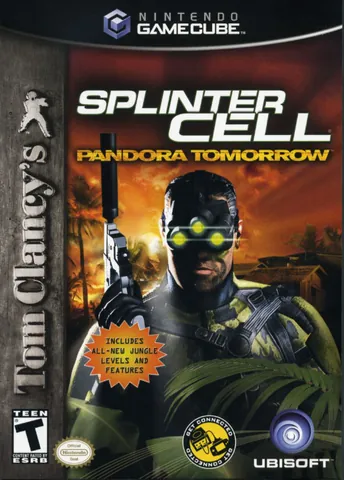 Tom Clancy's Splinter Cell: Pandora Tomorrow GCN · 2004
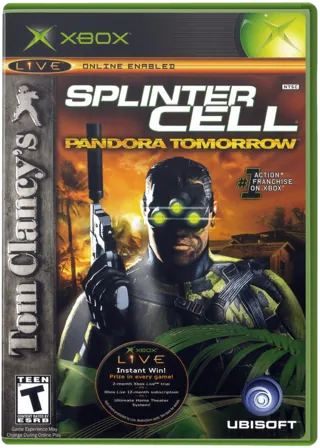 Splinter Cell: Pandora Tomorrow Xbox · 2004
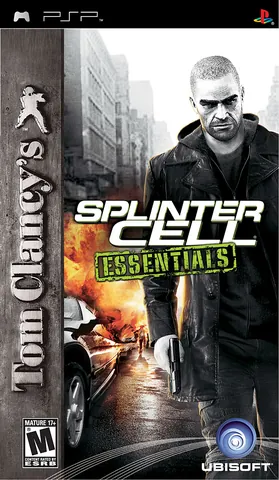 Tom Clancy's Splinter Cell: Essentials PSP · 2006
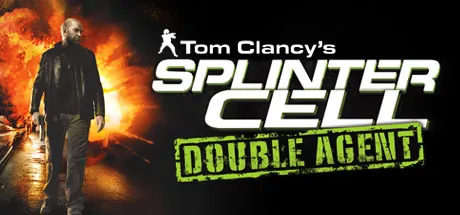 Tom Clancy's Splinter Cell: Double Agent Xbox · X360 · PC · 2006
 Tom Clancy's Splinter Cell: Conviction X360 · 2010
 Tom Clancy's Splinter Cell: Blacklist Wii U · PS3 · 2013