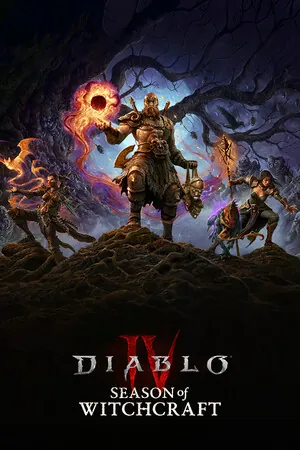
Diablo IV
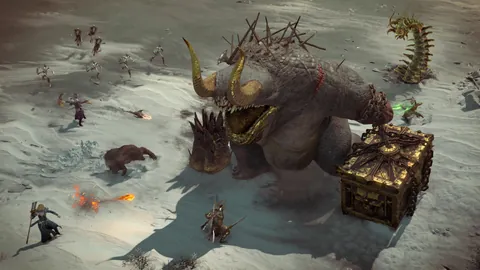
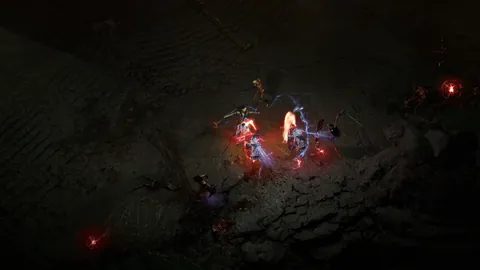
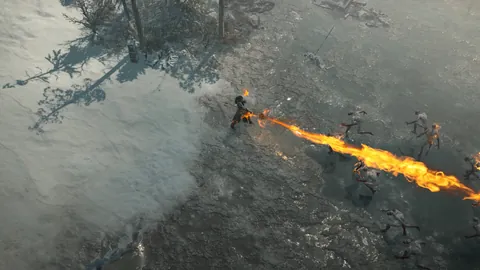
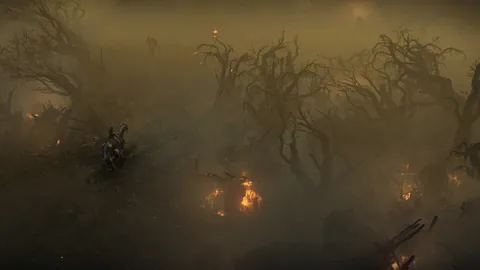
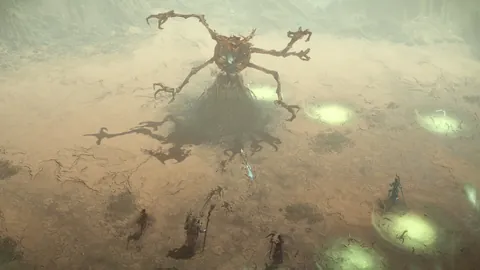
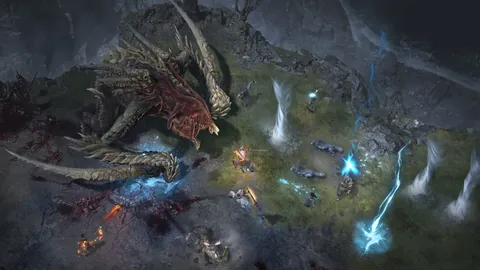
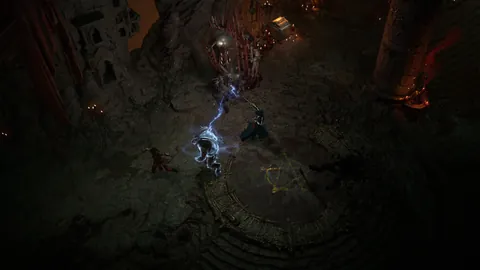
Diablo IV returns the series to its dark, gothic roots and combines them with an open world the player explores between the main storyline and a wealth of side quests. The story takes place in Sanctuary as it is gripped by the return of the demoness Lilith, and the player chooses one of several classes – Barbarian, Sorceress, Necromancer, Rogue, or Druid – each with its own combat style and branching skill tree. The world is divided into several regions with distinct climates and visual moods, from snow-capped mountains to parched wastelands, and the player moves between them on horseback or via fast travel between discovered waypoints.
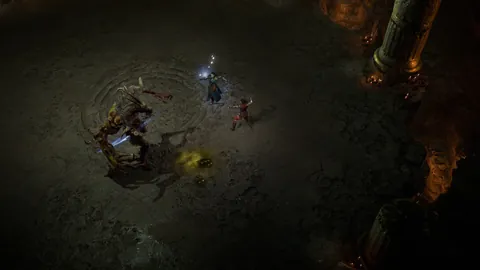
The core of the game remains the proven hack-and-slash gameplay: collecting gear, upgrading equipment, building a character build, and gradually strengthening the character through difficulty tiers up to an endgame with dungeons, seasonal mechanics, and world bosses. The open world brings shared spaces with other players, random events, and strongholds to conquer, so the game combines a solo story experience with online elements without forcing the player into full multiplayer. Technically the game runs on a modern engine with an emphasis on atmospheric lighting, weather, and detailed environments, which stands out especially in dark interiors and stormy landscapes on powerful graphics cards; the game also offers scalable graphics settings for a wider range of configurations.
The audiovisual presentation builds on the dark aesthetic of previous entries, the music reinforces the sense of decay and threat that made the series famous, and the sound design of combat gives weapon and spell strikes appropriate weight. Diablo IV launched to a somewhat more mixed reception than the pre-release expectations suggested, particularly over questions of monetization and character balancing, but the core game underwent substantial changes in seasonal updates after release, gradually altering the endgame content and item economy. Its influence on the genre is evident in how the game repopularized the combination of an open world with the collection-focused core of action RPGs. Today it represents a sprawling game with dozens to hundreds of hours of content for players who want to endlessly improve their character and hunt for better gear.
Why play: For the dark atmosphere, striking music, and dozens to hundreds of hours of seasonally refreshed endgame content, even though questions of monetization and character balancing come with it.
Game 203 of 583 for PC / moderní (64bit a GPU)
The same title elsewhere (4)
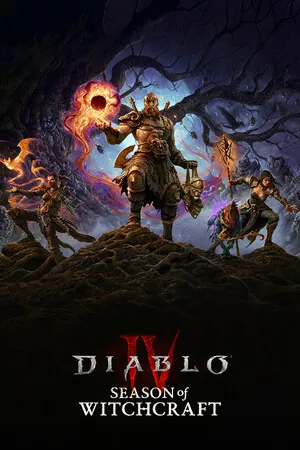
From the same series Diablo →
 Diablo Win9x · PS1 · 1996
 Diablo: Hellfire Win9x · 1997
 Diablo II Win9x · 2000
 Diablo II: Lord of Destruction Win9x · 2001
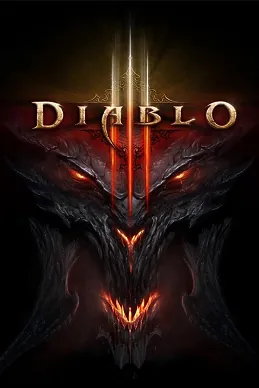 Diablo III PC · X360 · PS3 · 2012
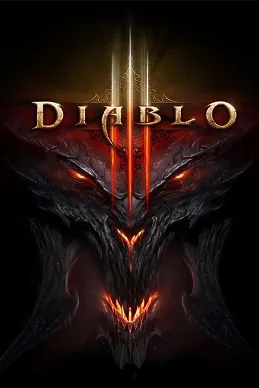 Diablo III: Ultimate Evil Edition X360 · PS3 · XONE · 2014
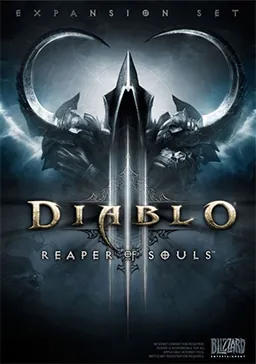 Diablo III: Reaper of Souls PC · 2014
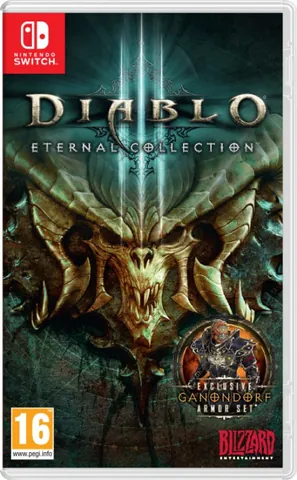 Diablo III: Eternal Collection Switch · 2018
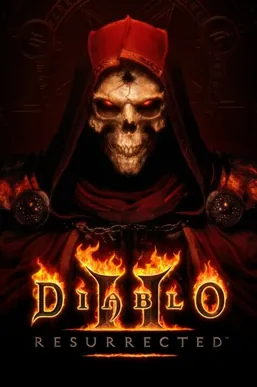
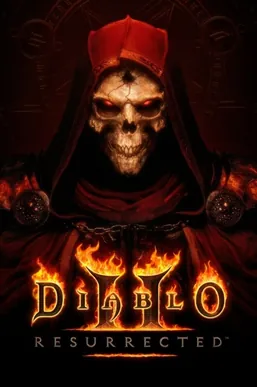 Diablo II: Resurrected PS4 · PS5 · XONE · Switch · Series · PC · 2021
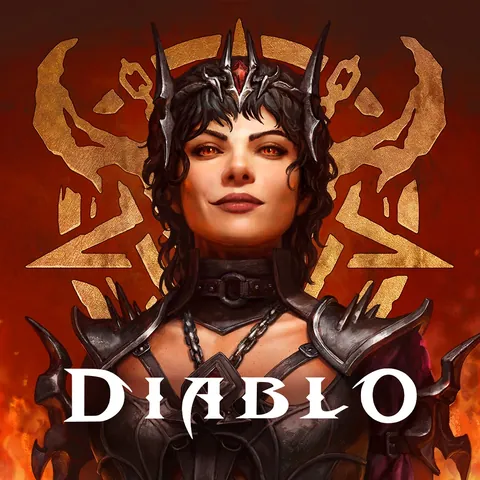 Diablo Immortal Mobil · 2022
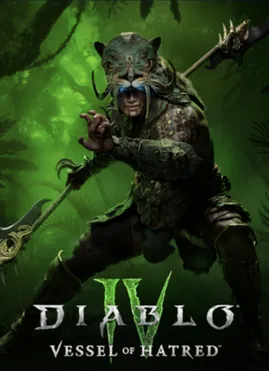 Diablo IV: Vessel of Hatred PC · 2024