Assassin's Creed
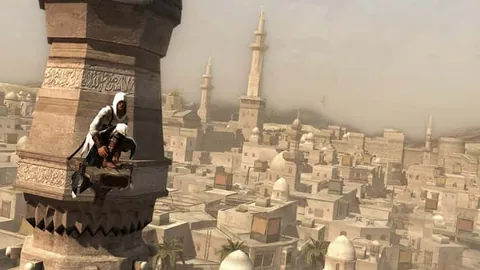
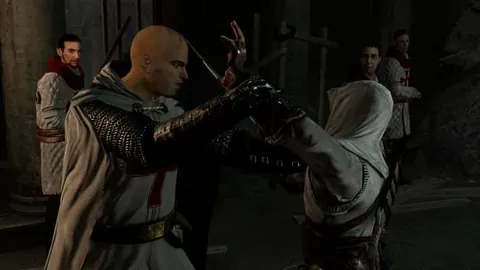
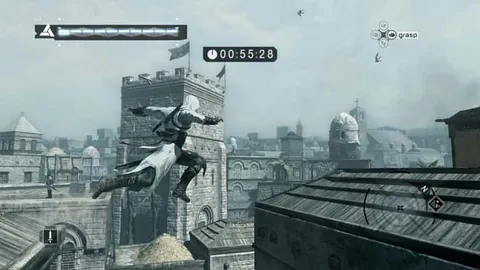
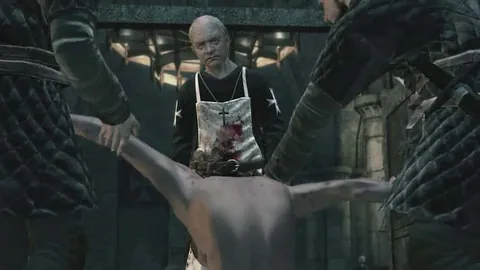
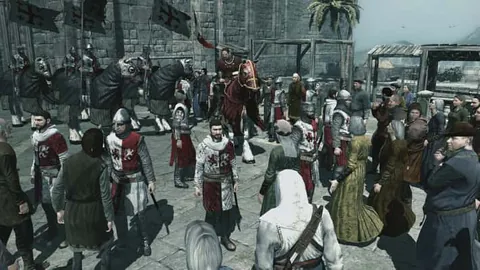
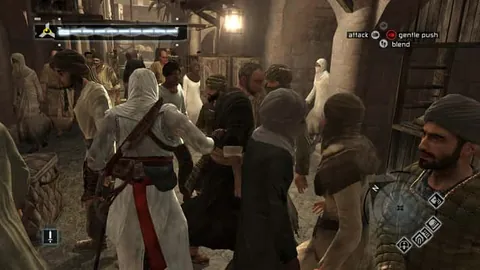
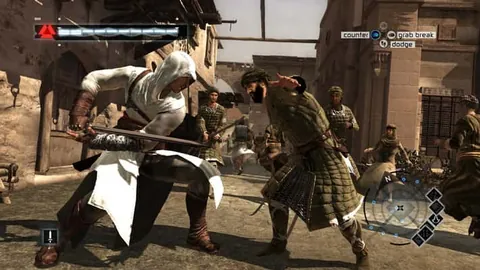
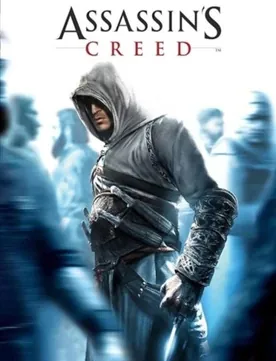
Assassin's Creed, released on PC in 2008 (the game had already launched on consoles in 2007), laid the foundation for one of the longest-running game series and introduced players to Altaïr Ibn-La'Ahad, an assassin traveling through the Crusader-era Middle East of the late 12th century. The game combined free movement through the open cities of Jerusalem, Damascus, and Acre with parkour climbing over buildings, tailing targets, interrogating informants, and elaborate assassinations that could be carried out in several ways — from a silent drop from a rooftop to open combat in a crowd. The story's framing device was a sci-fi thread involving Animus technology, through which modern-day bartender Desmond Miles relives his ancestor's genetic memories in the laboratory of the mysterious Abstergo corporation — a motif that became a hallmark of the whole series and still sparks discussion among fans today.
Technically, it was a very ambitious audiovisual title that, on the hardware of its time, could render bustling medieval streets full of NPC crowds reacting to the player's behavior, which was uncommon at the time of release and put the game at the imagined cutting edge of its generation. The music was composed by Jesper Kyd, and the atmosphere was rounded out by a melancholic, Middle-Eastern-flavored score that underscored the contrast between the meditative calm of the assassins' towers and the loud chaos of crowded marketplaces. Reviews at the time praised especially the graphics, atmosphere, and innovative system of climbing building facades, but criticized the marked repetitiveness of the side tasks, where before each of the nine assassinations the player repeatedly performed practically the same types of investigative activities.
Despite these reservations, the game became a commercially and critically significant milestone and launched one of the most successful game franchises ever, one that still returns to new historical eras today. Looking at the first Assassin's Creed today means looking at a game that defined the parkour-adventure genre, but which itself now feels stiffer and slower than later sequels — yet it remains a historically unmissable stop for anyone who wants to understand where modern open-world design on PC came from.
Why play: For anyone who wants to understand the roots of modern open-world design on PC, it's an unmissable stop — even though it now feels stiffer and slower than the later entries in this successful series.
Game 275 of 583 for PC / moderní (64bit a GPU)
The same title elsewhere (3)
From the same series Assassin's Creed →
 Assassin's Creed: Altaïr's Chronicles DS · 2008
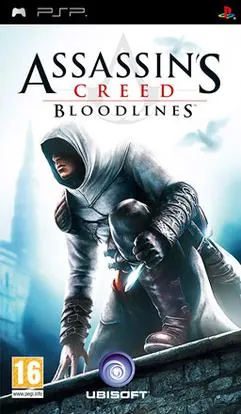 Assassin's Creed: Bloodlines PSP · 2009
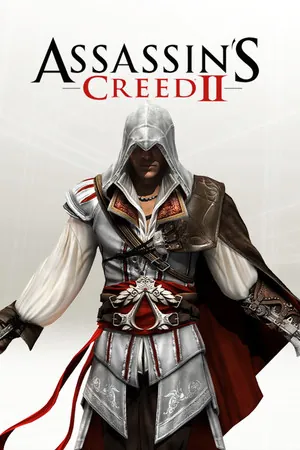 Assassin's Creed II X360 · PS3 · PC · 2009
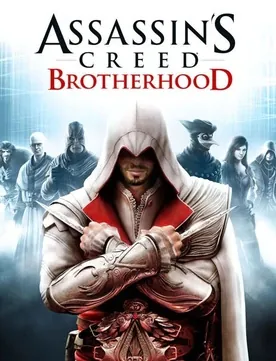 Assassin's Creed: Brotherhood PS3 · 2010
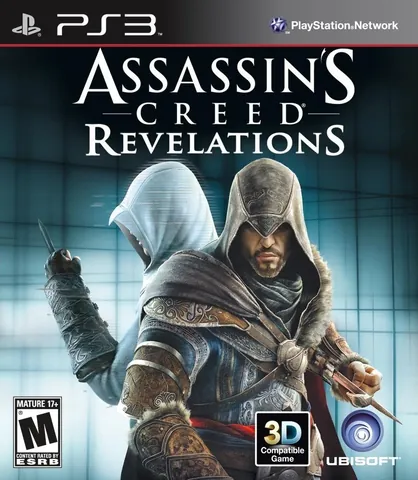 Assassin's Creed: Revelations PS3 · 2011
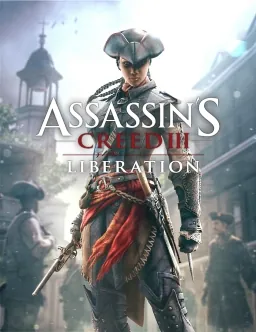 Assassin's Creed III: Liberation Vita · 2012
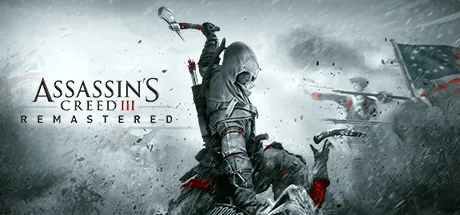 Assassin's Creed III PS3 · Wii U · 2012
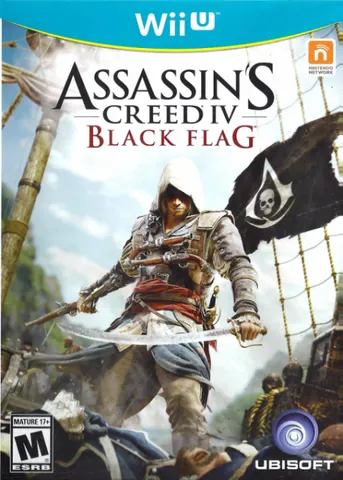 Assassin's Creed IV: Black Flag Wii U · PS3 · 2013
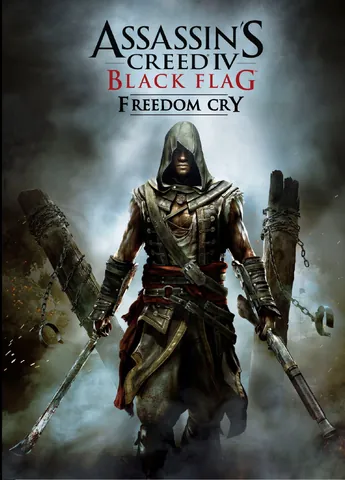 Assassin's Creed: Freedom Cry PS3 · 2013
 Assassin's Creed: Rogue PS3 · 2014
 Assassin's Creed Unity XONE · 2014
 Assassin's Creed Syndicate XONE · 2015