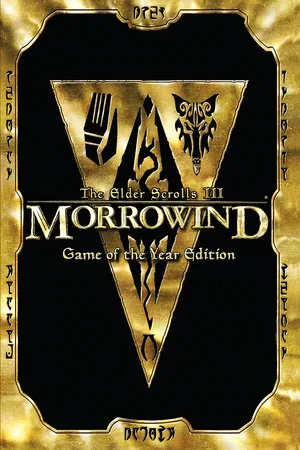
The Elder Scrolls III: Morrowind
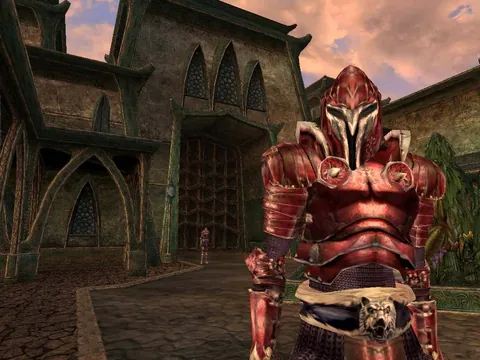
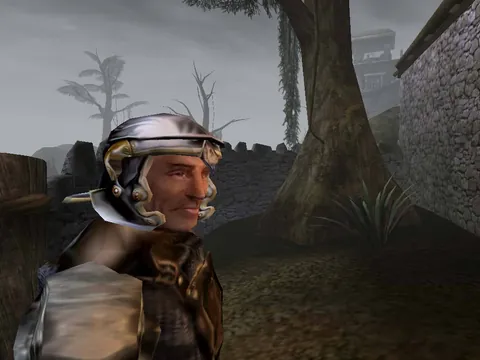
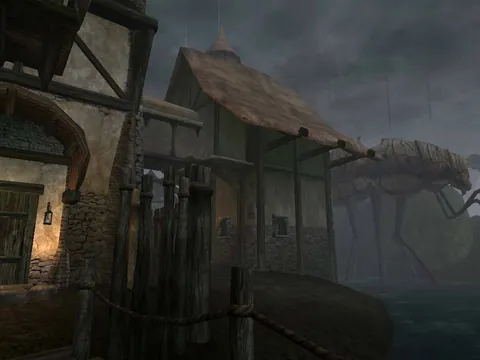
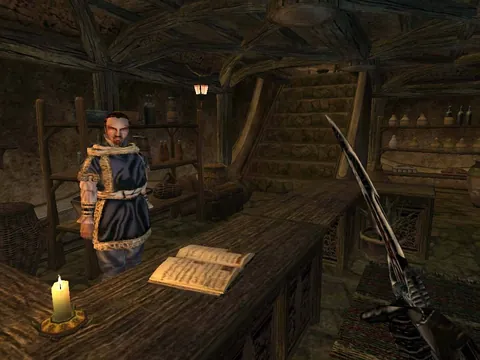
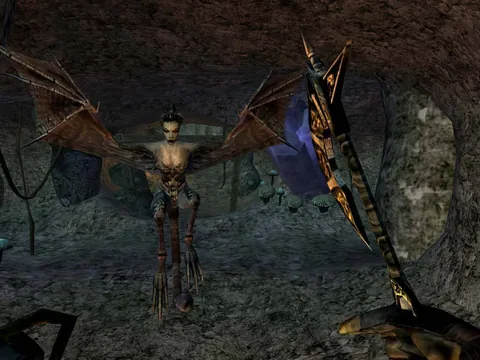
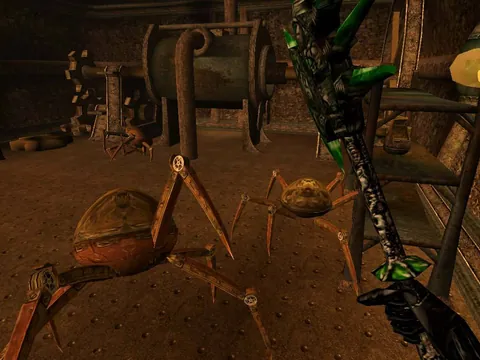
The Elder Scrolls III: Morrowind transported players to the island of Vvardenfell, where, instead of a linear story, a sprawling world opens up, full of factions, supernatural cults, and ancient mythology. The game builds on a system of choice: the character develops according to what they actually do, skills grow through use, and the player can choose almost any path, from a wandering beggar to the leader of a vampire clan. The player can join one of the powerful Great Houses, such as Hlaalu, Redoran, or Telvanni, the Imperial Legion, the Mages Guild, or the secret brotherhood of the Morag Tong, and each choice opens up a different perspective on the island's politics and the conflict between the native Dunmer and the Empire. Quests offer no markers on the map, only verbal descriptions and orientation by the landscape, which felt unusual at the time and is something many players return to today for the feeling of genuine discovery.
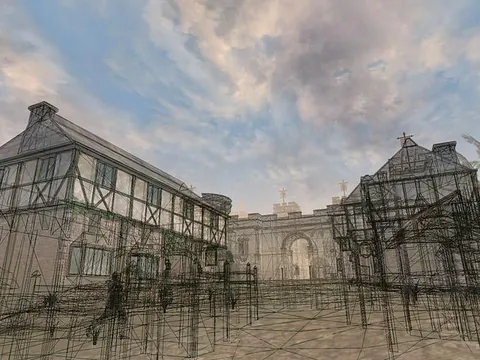
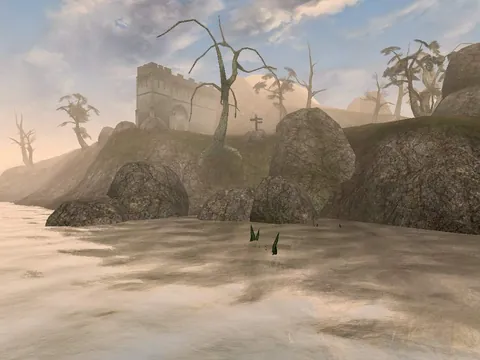
Technically, this was a big leap from previous entries in the series, with a 3D world with changeable weather, time of day, and architecture that differed from region to region, from mushroom-like Telvanni houses to the volcanic wastelands around Red Mountain. The music was composed by Jeremy Soule, and its melancholic, ambient tones became an inseparable part of the atmosphere, as did the strange, alien aesthetic of Vvardenfell, sharply different from the later, more accessible entries in the series.
After release, the game gathered praise for its freedom and depth of systems, even though combat and the interface felt archaic. Morrowind significantly influenced the direction open-world RPGs later took, and even with the need for modernizing mods, it remains playable and cherished today for an atmosphere that no later Elder Scrolls entry has fully replicated. The game was later expanded by the Tribunal and Bloodmoon expansions, which added new areas and quest lines and became a standard part of later compilation releases, and even decades after release, community projects such as OpenMW or extensive graphical overhauls continue to extend its lifespan on modern PCs.
Why play it: Anyone longing for an atmosphere no later Elder Scrolls entry has fully replicated will appreciate Morrowind even with its archaic combat, especially with the help of community projects like OpenMW.
Game 138 of 583 for PC / moderní (64bit a GPU)
The same title elsewhere (1)
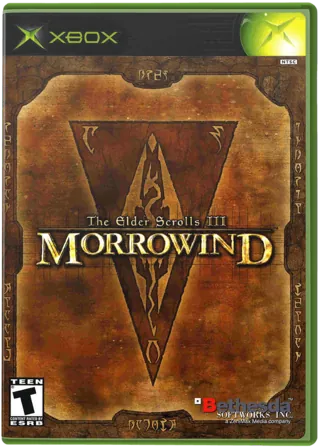
From the same series The Elder Scrolls →
 The Elder Scrolls Online: Tamriel Unlimited PS4
 The Elder Scrolls V: Skyrim Special Edition PC · XONE
 The Elder Scrolls: Arena DOS · 1994
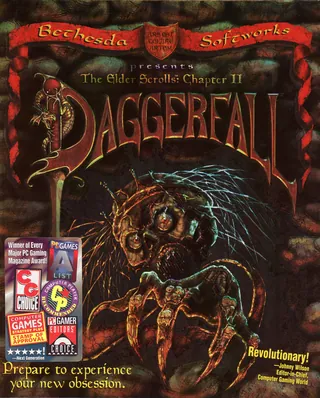 The Elder Scrolls II: Daggerfall DOS · Win9x · 1996
 The Elder Scrolls Adventures: Redguard DOS · 1998
 The Elder Scrolls IV: Oblivion X360 · PC · PS3 · 2006
 The Elder Scrolls V: Skyrim X360 · PS3 · PC · Switch · Series · 2011
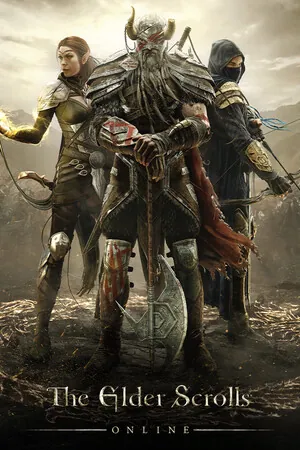 The Elder Scrolls Online PC · 2014
 The Elder Scrolls V: Skyrim VR PCVR · 2018
 The Elder Scrolls V: Skyrim Anniversary Edition Series · 2021