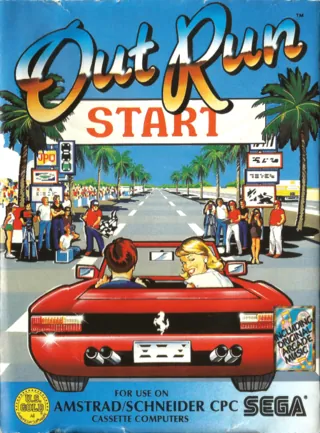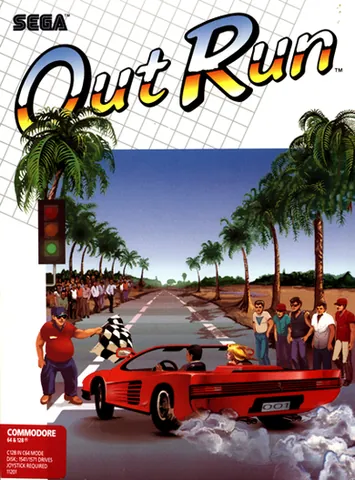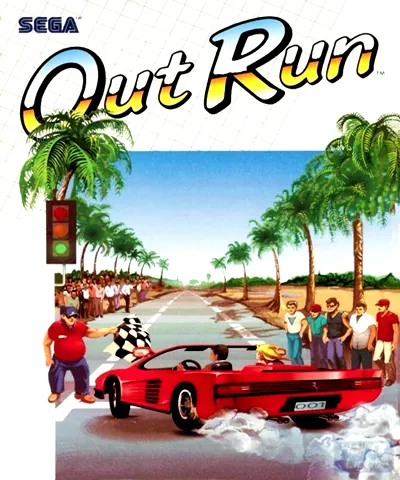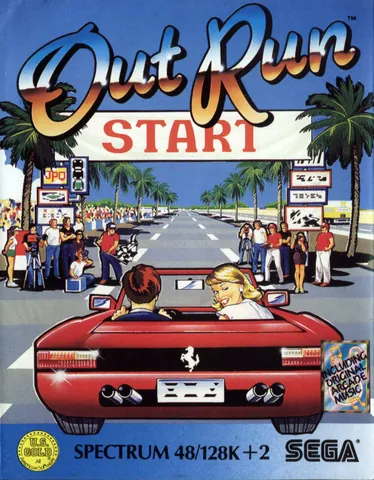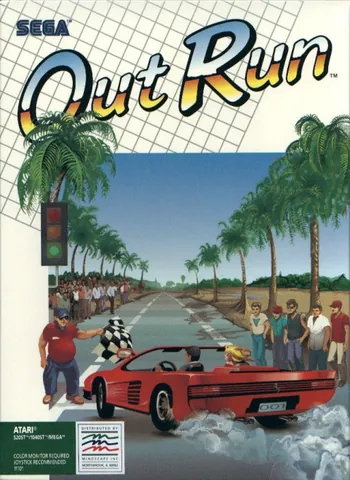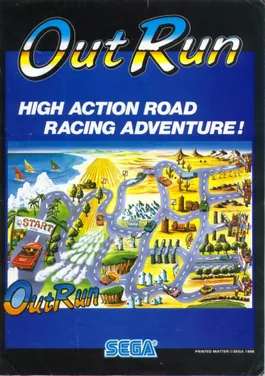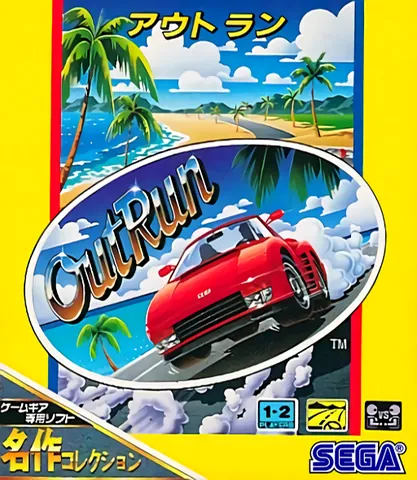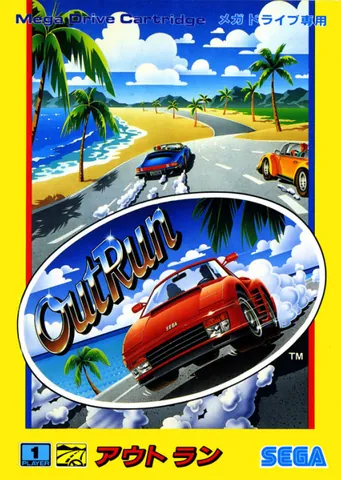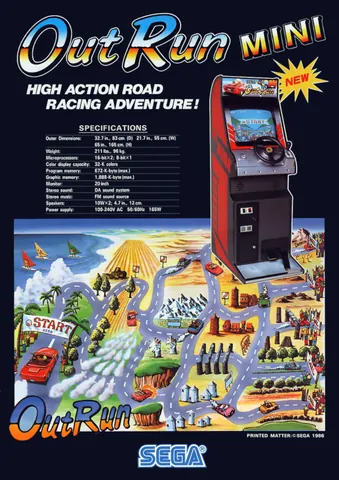
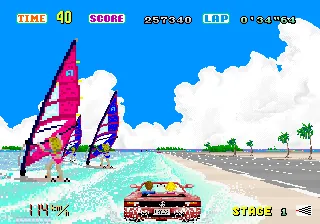
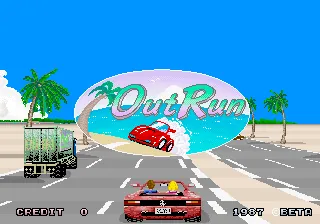
The open road, a red Ferrari, hair in the wind and the freedom to decide where you go next. Out Run by Yu Suzuki and the Sega AM2 team from 1986 was not just a racing game, it was a promise of freedom and a lifestyle crammed into an arcade cabinet.
Unlike the races of the day that drove you to defeat your rivals, Out Run offered something different: a leisurely cruise through the landscape where the only opponent was the passing clock and the checkpoints. The real innovation, though, lay in its branching track; at the end of each stage you chose at a fork where to head next, gradually uncovering five different destinations. That gave the game unusual replayability and the feeling that the road belonged to you alone.
Out Run was a technical marvel of its time. Pseudo-3D graphics created a convincing impression of speed, and the deluxe cabinet even tilted in response to your movements at the wheel. Unforgettable too is the soundtrack, which you picked from the car radio at the start; tracks like Magical Sound Shower became legendary and to this day rank among the very best that eighties game music had to offer.
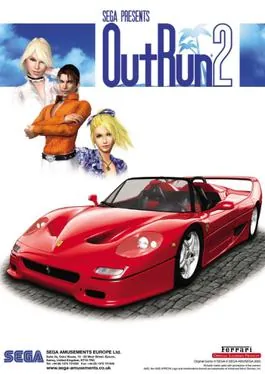
The cultural influence of Out Run was enormous. It became synonymous with a summery, sunny aesthetic and, decades later, inspired an entire musical and visual current known as outrun or synthwave. The game received countless ports to home computers and consoles, and sequels like OutRun 2 only confirmed that Suzuki's vision of carefree driving is timeless.
Out Run is a celebration of the journey itself, not the destination. It is a game that makes you smile even when you lose, because it is not about winning but about that perfect feeling of wind, asphalt and music. Few titles captured the spirit of their time so elegantly.
Why play: For the timeless feeling of a free-flowing drive and a soundtrack that defined an entire aesthetic of summer cruising.
Game 224 of 258 for Arcade
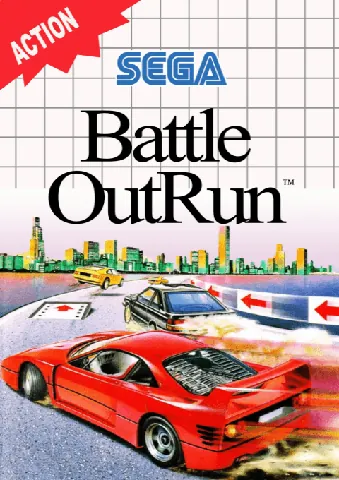
The same title elsewhere (9)
Sega's 1986 arcade original ran on special Super Scaler hardware that let the road scale smoothly into the distance, with three selectable tunes playing from the cabinet's speakers. Home computers could not fully recreate that illusion of speed: the Commodore 64, Amstrad CPC, and Atari ST versions all show noticeably choppier road scrolling and less track detail. The Amiga kept decent smoothness and nicer visuals despite the limitations, while the Master System surprised with fairly faithful graphics and music for an eight-bit console. For the real arcade feeling, the original remains unmatched.