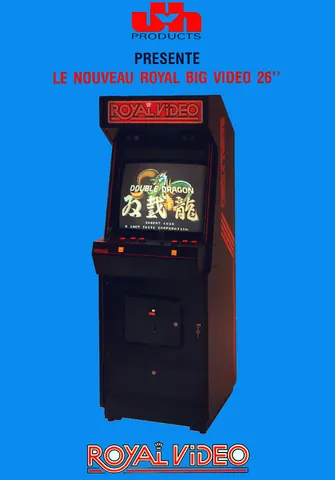
Double Dragon (arcade)
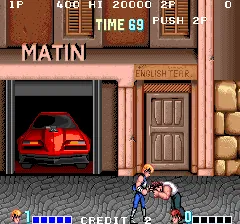
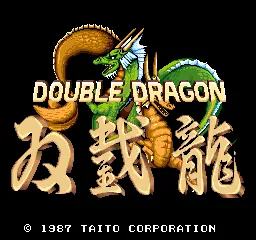
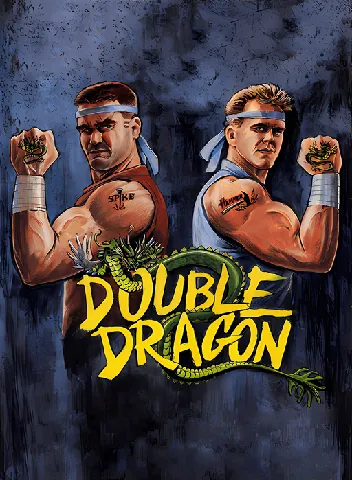
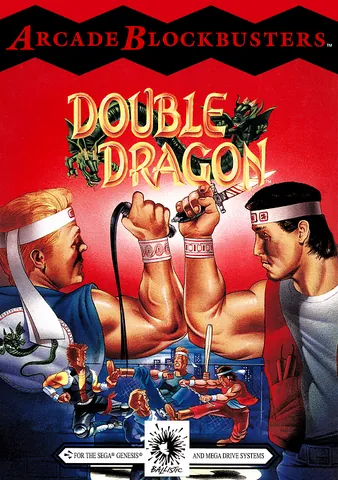
Double Dragon is the game that in 1987 practically founded the modern beat 'em up as we know it. Technos sent the brothers Billy and Jimmy Lee out into the streets to fight their way through the urban underworld of the Black Warriors gang and rescue the kidnapped Marian. What we take for granted today — progressing from left to right, crowds of enemies, using weapons picked up off the ground — got its definitive, endlessly copied form right here.
The key innovation was the interplay of varied combat and cooperation. Beyond punches and kicks, you could grab enemies, use elbows, headbutts, and picked-up sticks, whips, and crates. Above all, though, it offered play for two people at once — two brothers side by side against the odds, which turned it into an arcade sensation. The mischievous cherry on top was the ending: after rescuing the girl, the two brothers had to fight each other over who would get her.
Retro players honor Double Dragon as the father of the genre on which Final Fight, Streets of Rage, and dozens of others were built. Its influence is immeasurable — it defined the visual language, the rhythm, and the cooperative spirit of brawlers. Even today it's a joy to walk its streets with a friend at your side and feel where it all began.
Game 82 of 258 for Arcade
The same title elsewhere (9)
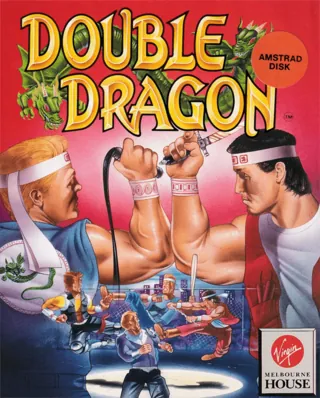
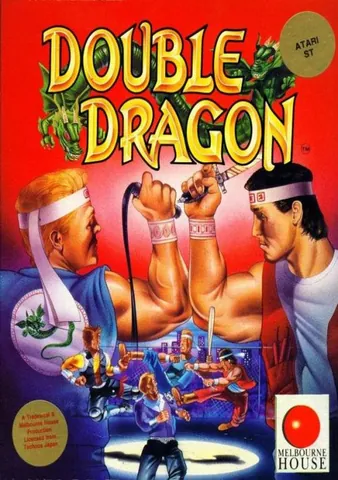
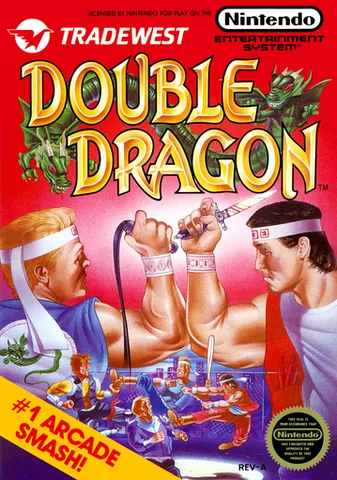
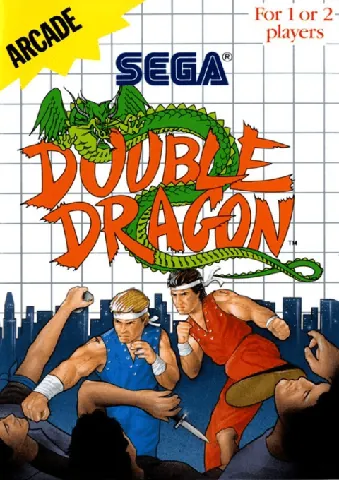
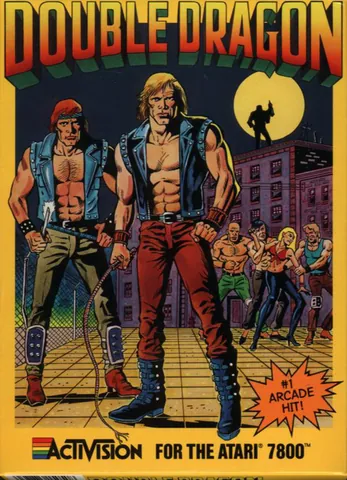
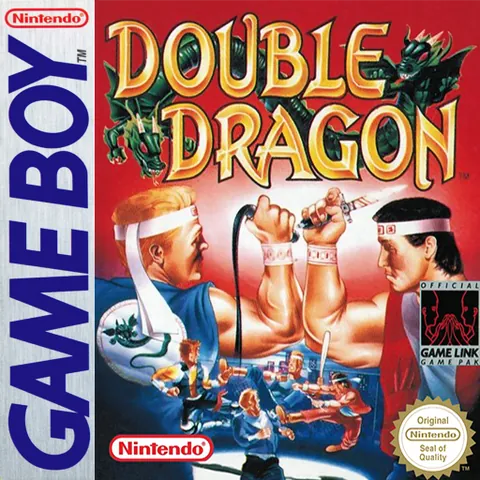
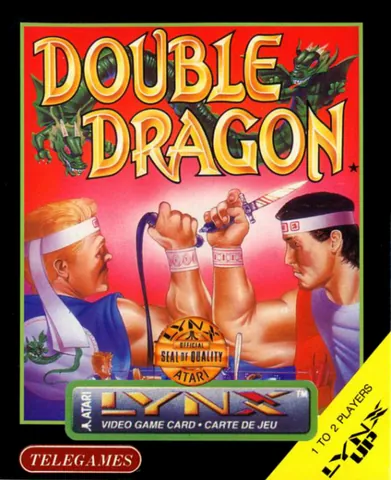
The differences between Double Dragon versions are among the most striking in the genre's early history. The NES version couldn't offer simultaneous two-player action like the arcade due to hardware limits — fights run in alternating turns or a duel mode — but developers compensated with an experience system and new moves, which many players still consider more enjoyable than the arcade. Versions for 8-bit computers like Commodore 64, ZX Spectrum, and Amstrad CPC drew sharp criticism for clunky controls, slow animation, and imprecise hits. Atari Lynx delivered a portable version many rank among the console's best action titles thanks to fluid movement and good sound. SEGA Master System and Mega Drive offered more colorful graphics closer to the arcade spirit, including two-player co-op.