Mortal Kombat
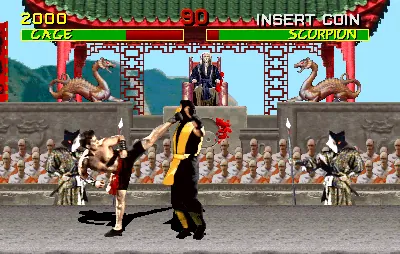
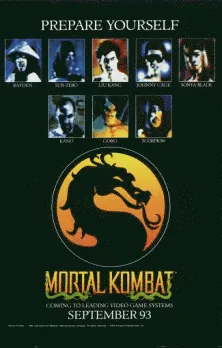
If Street Fighter II was elegant tournament art, Mortal Kombat was its dark, bloody rebel. When Midway unleashed this cabinet into American arcades in 1992, it instantly caused both a sensation and an outrage. The game bet on something no one had offered before: digitized characters recorded from real actors and a level of brutality unmatched in the mainstream.
The visual signature was utterly unique. Instead of drawn sprites, the screen was populated by captured figures of real people, giving the game a realistic, even unsettling look. The team around Ed Boon and John Tobias captured fighters like Liu Kang, Sub-Zero, Scorpion, and Sonya Blade, creating a tournament mythology that immediately captivated fans. The combat system was built on a block button and a series of specials, but the real draw became the fatalities, brutal finishing moves with which the winner spectacularly executed a helpless opponent after a won battle.
It was precisely the fatalities and the spurting blood that made Mortal Kombat a cultural bomb. Scorpion tearing off his mask and spitting fire, or Sub-Zero ripping out a spine, became infamous icons. The game ignited a huge public debate about violence in video games that culminated in hearings in the U.S. Congress in 1993. The result was the creation of the ESRB rating system in 1994, an institution that rates games for suitability to this day.
Technically the game ran on Midway hardware, and through the combination of its style, atmosphere, and secrets, such as the hidden fighter Reptile, it built an aura around itself that kept pulling players back to the machine. Discovering codes and secrets was part of the experience in the pre-internet era, when information spread by word of mouth in schoolyards.
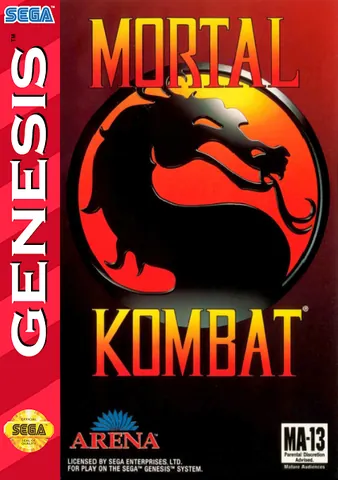
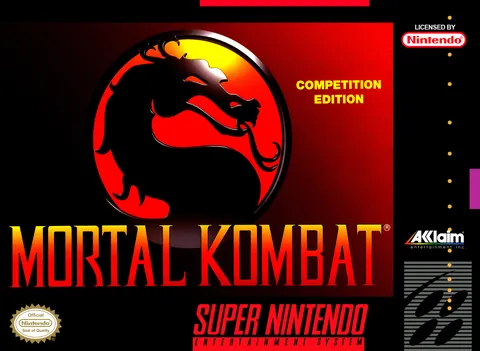
Success in arcades was lightning fast and led to massively anticipated home conversions. Publisher Acclaim made a clever marketing move and declared a so-called Mortal Monday in the fall of 1993, when the game hit every console of the day at once. It was here that the difference between platforms became fully apparent. While the Super Nintendo version was censored at Nintendo's insistence, on the SEGA Mega Drive the blood and full fatalities could be unlocked with a famous code. This decisively influenced sales in SEGA's favor and underscored just how much authentic brutality mattered to players.
Mortal Kombat's cultural influence reached beyond the arcades. The brand turned into a film series, comics, and an endless line of sequels and became a direct rival to Street Fighter, with both camps waging a passionate fan war. Mortal Kombat proved there was an enormous appetite for more mature, more controversial content, and forever changed the debate about what games are allowed to show.
Today the first installment is more of a raw foundation that its sequels surpassed in terms of gameplay. As a historical milestone, however, it is untouchable. No other game of the era caused such a social uproar or left such a tangible mark in the form of an entire rating system.
Why play it: To experience the original shocking sensation that unleashed the war over violence in games and gave rise to the ESRB rating.
Game 22 of 258 for Arcade
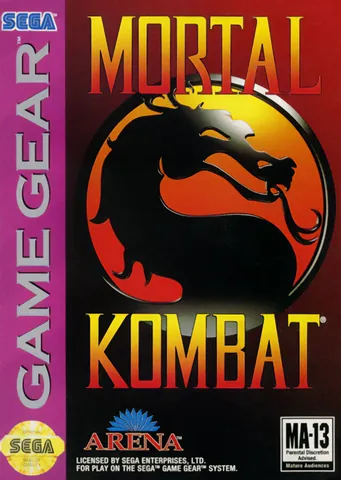
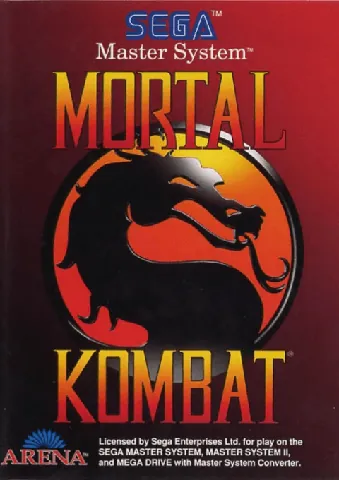
The same title elsewhere (7)
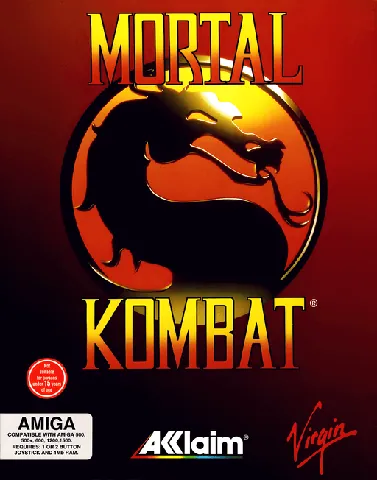
Midway's 1992 arcade original was built on digitised actors and graphic violence that sparked a worldwide scandal and debates about video game censorship at the time. Translating that look to home platforms of the era wasn't easy: the 8-bit SEGA Master System had to drastically cut resolution, colour count and animation frames, leaving characters smaller and their movement choppier than in the arcades. The early-1990s Commodore Amiga version fared even worse – the ageing hardware struggled to play back the large digitised sprites smoothly, the game loaded from floppy disks, and reviews often single it out as one of the weakest home versions. For an authentic taste of the original, an arcade emulation remains the better bet.
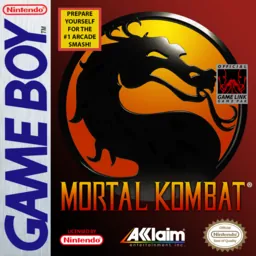
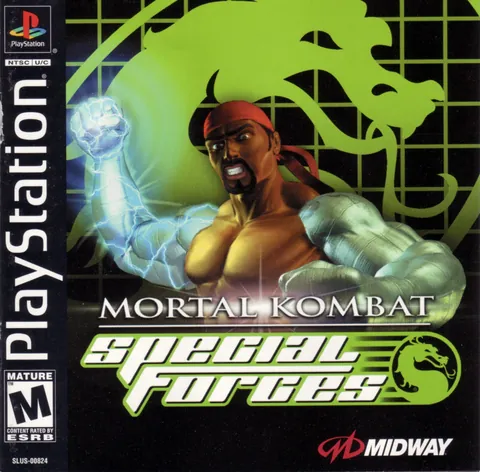
From the same series Mortal Kombat →
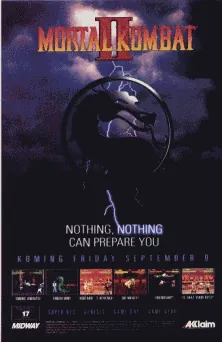 Mortal Kombat II MAME · GB · SNES · MD · GG · 32X · 1993
 Mortal Kombat 3 MAME · 1995
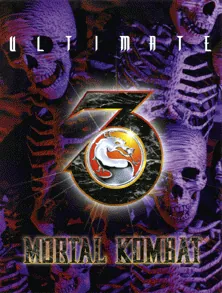 Ultimate Mortal Kombat 3 MAME · 1995
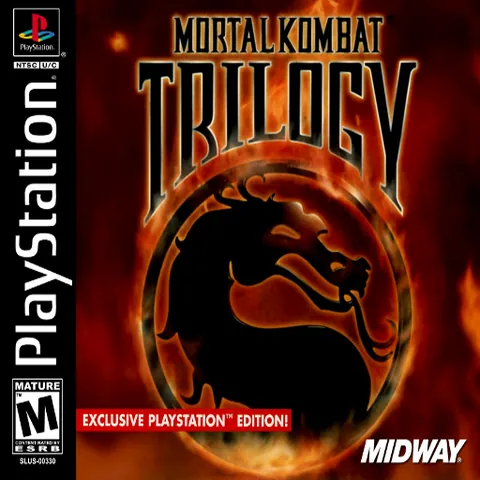 Mortal Kombat Trilogy PS1 · N64 · 1996
 Mortal Kombat Mythologies: Sub-Zero PS1 · 1997
 Mortal Kombat 4 MAME · 1997
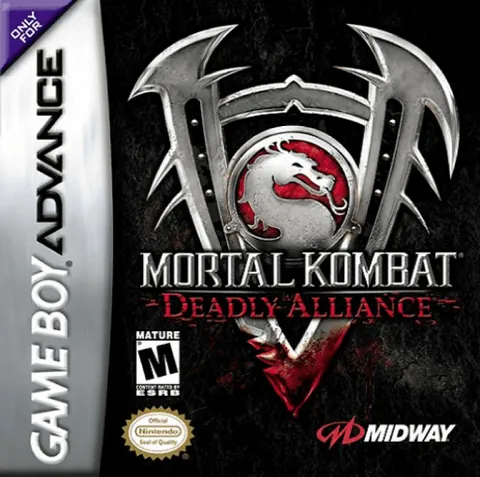 Mortal Kombat: Deadly Alliance GBA · Xbox · 2002
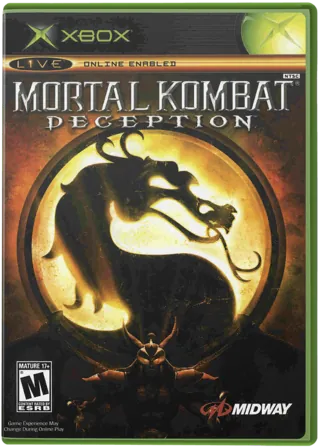 Mortal Kombat: Deception Xbox · 2004
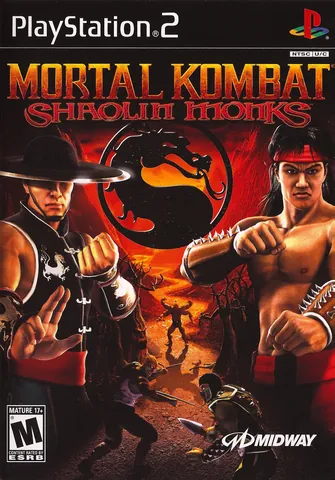 Mortal Kombat: Shaolin Monks PS2 · 2005
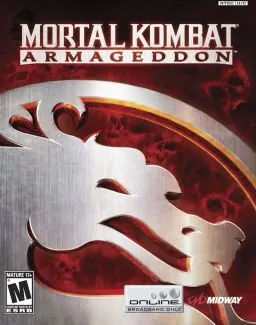 Mortal Kombat: Armageddon PS2 · 2006
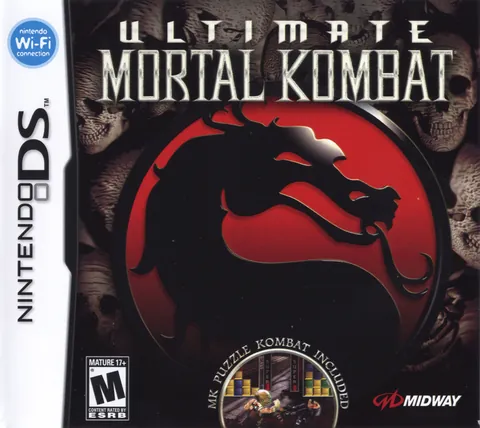 Ultimate Mortal Kombat DS · 2007
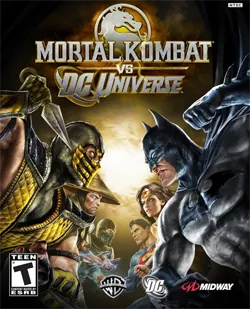 Mortal Kombat vs. DC Universe PS3 · 2008