Street Fighter III: New Generation
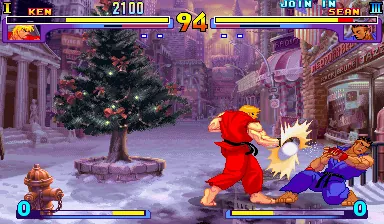
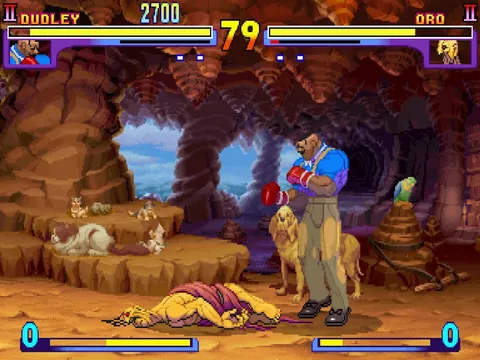
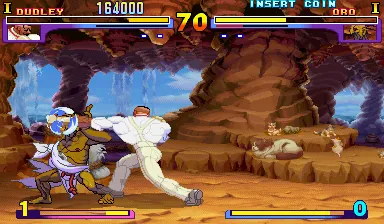
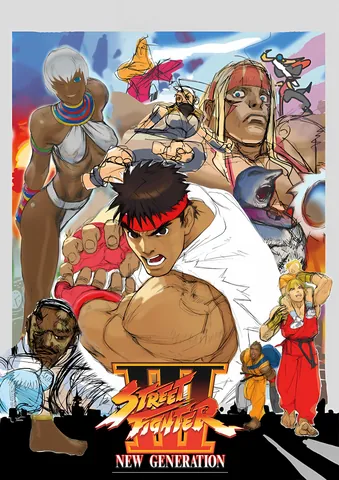
Street Fighter III: New Generation was, in 1997, the boldest move Capcom had ever dared to make with its flagship series. Instead of further expanding the Street Fighter II cast, it wiped almost the entire lineup, keeping only Ryu and Ken - the rest was replaced by an entirely new generation of fighters led by the street brawler Alex. The role of main antagonist passed from M. Bison to the mysterious Gill, the immortal leader of a secretive organization, who is able to briefly stop time in the final battle.
The game ran on Capcom's most powerful arcade hardware of the time, the CD-ROM-based CP System III, which fully showed in the smoothness of the animations and the finely drawn sprites unlike anything the series had seen before - characters had dozens of frames of movement and felt almost like a hand-drawn film. The combat system also underwent a fundamental transformation: instead of air blocking and taunts from the Alpha series came parrying - precisely timed deflection of an attack without losing energy and without needing to block. This single mechanic became the trademark of the entire third installment, remains among the most demanding in the whole fighting game genre to this day, and shifted the emphasis from memorizing combos to reading the opponent's rhythm and anticipating their attacks.
Story-wise, the game abandoned the large international tournaments of the World Warrior type and focused instead on the personal motivations of individual fighters, who encounter a mysterious organization built around Gill in the streets of various cities. Alex, the main hero whose subtitle hints at the entire new generation, is searching for his missing mentor Tom and gradually finds himself in conflict with the forces behind the series' hidden events. The smaller but distinctive roster of fighters therefore felt more consistent than the growing crowds of characters in previous installments, which is also why several of them, including Alex and Gill, appear among the selectable fighters across Capcom's later games.
Why play it: Worth the attention of anyone who wants to see the moment Street Fighter decided to stop repeating itself - a completely new roster of fighters, a reworked combat system built around parrying, and graphics that showed arcades of the time just how far a 2D fighting game could go.
Game 199 of 258 for Arcade
From the same series Street Fighter →
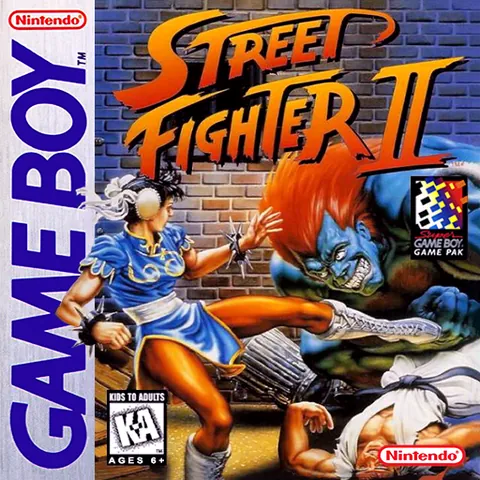 Street Fighter II GB · 1991
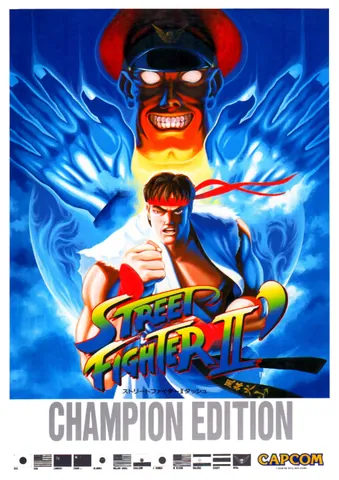 Street Fighter II': Champion Edition CPS · X68k · PCE · 1992
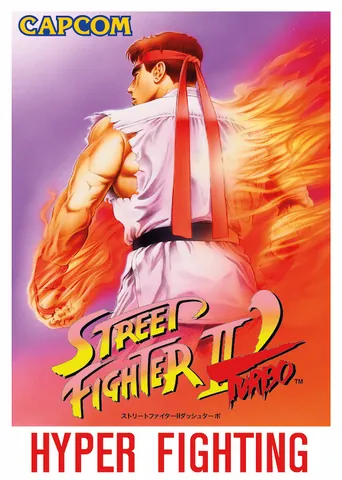 Street Fighter II: Hyper Fighting CPS · 1992
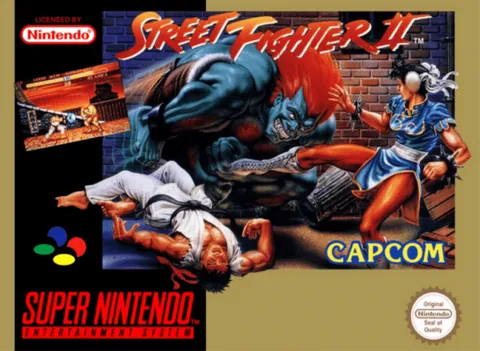 Street Fighter II Turbo: Hyper Fighting SNES · 1993
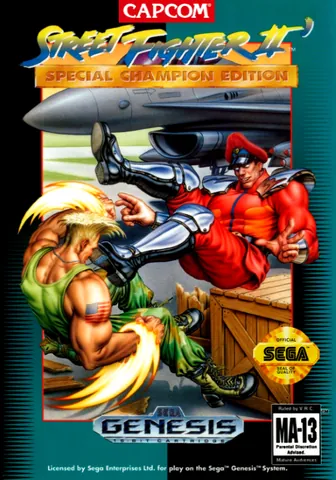 Street Fighter II: Special Champion Edition MD · 1993
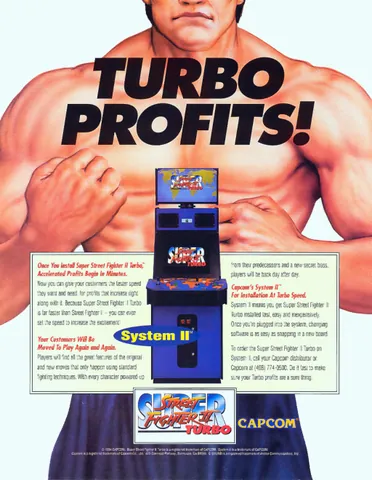 Super Street Fighter II Turbo MAME · 3DO · 1994
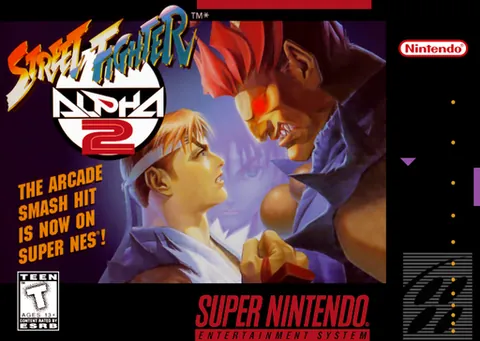 Street Fighter Alpha 2 SNES · Saturn · MAME · 1996
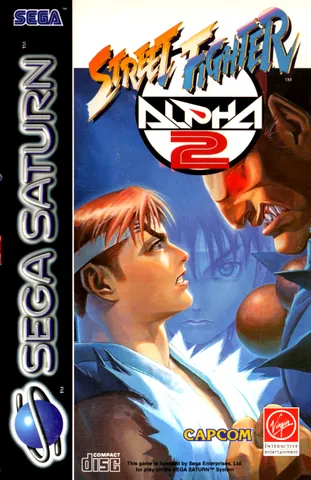 Street Fighter Alpha 2 / 3 Saturn · 1996+
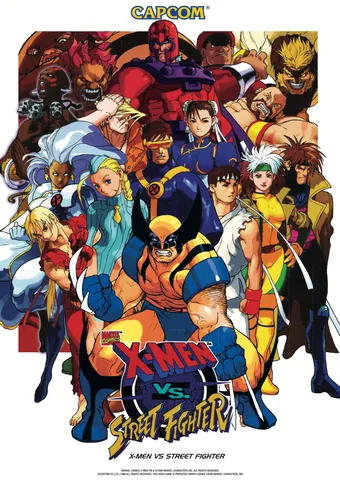 X-Men vs. Street Fighter MAME · Saturn · 1996
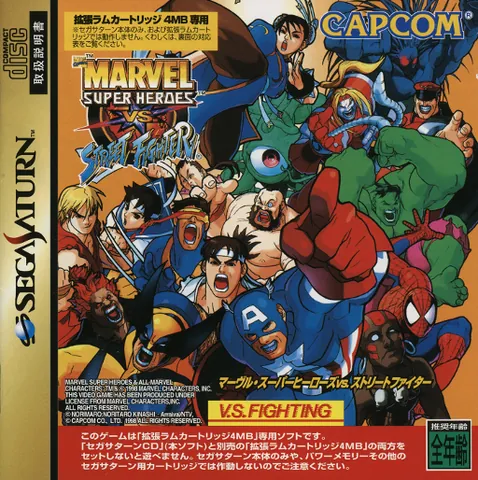 Marvel Super Heroes vs. Street Fighter Saturn · MAME · 1997
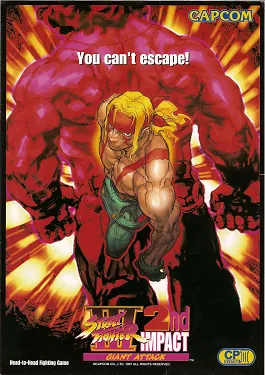 Street Fighter III: 2nd Impact MAME · 1997
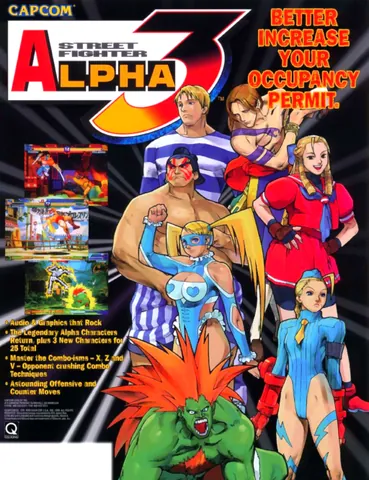 Street Fighter Alpha 3 CPS · PS1 · GBA · 1998