Ms. Pac-Man
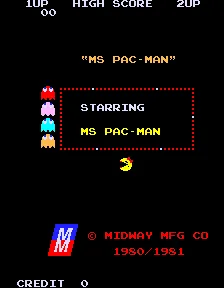
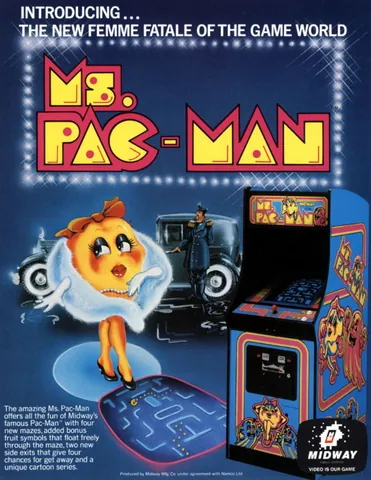
Sometimes a sequel surpasses the original, and that is exactly what happened when a lady with a bow entered the maze. Ms. Pac-Man took the perfect formula of its famous predecessor, refined it, and added so many improvements that many players to this day consider it the best installment of the entire series.
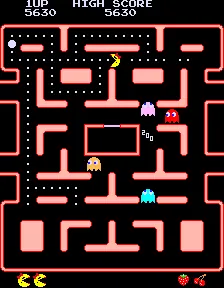
The foundation stays the same: you eat dots, collect energizers, and turn the hunt onto the ghosts. The key difference is in the variety. The game offers several different mazes instead of a single one, fruit moves around the map, and above all the ghosts behave less predictably. This removes the option of learning a single guaranteed pattern, and every round is fresh and thrilling.
The game's history is fascinating in itself. It originated as an unofficial modification of Pac-Man by a group of developers around General Computer Corporation, which Namco and distributor Midway then officially took over and released at the start of the eighties. It became one of the most popular arcade games in North America.
Culturally, Ms. Pac-Man is also groundbreaking in that it put a female character in the lead role at a time when this was an absolute exception. Along with short animated interludes that tell of the meeting of Pac-Man and his counterpart, it gave the series more character and storytelling.
Thanks to its higher difficulty and unpredictability, the game became popular in the competitive community too, where record scores are still being toppled to this day. It was ported to countless platforms and its reputation as the best Pac-Man title has stayed with it for decades. It is a textbook example of how clever improvements can elevate an already great game.
Why play it: For a more varied, more thrilling, and by many accounts more perfect version of the immortal maze classic.
Game 26 of 258 for Arcade
The same title elsewhere (3)
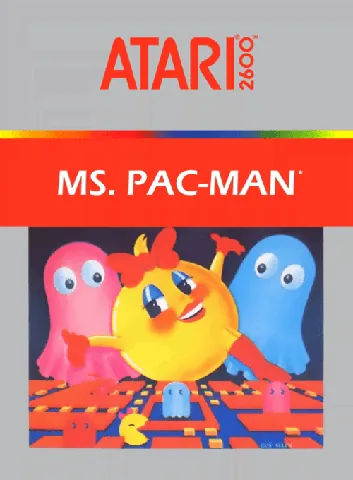
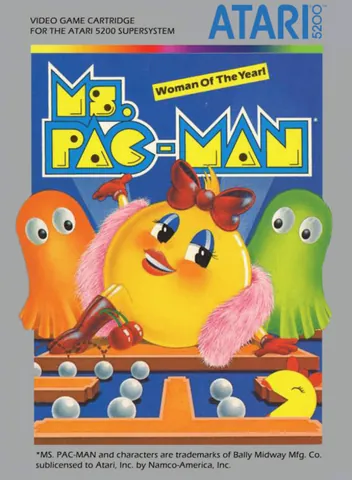
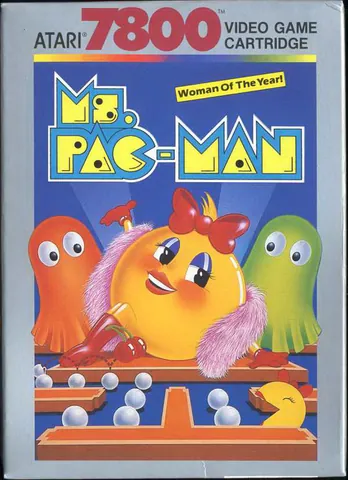
The arcade original offers four distinct mazes, a richer palette and smoothly animated ghosts, which is why it's often called the most complete version of the game. The Atari 2600 port counts among that machine's surprisingly good conversions — unlike the infamously botched Pac-Man port, developers here managed to preserve the gameplay and pace despite blockier graphics and a limited color range. The Atari 5200 had more powerful hardware than the 2600, so its version delivered smoother ghost movement and colors closer to the arcade look, placing it among the best home conversions of its time. Anyone wanting the experience closest to the original should reach for the arcade version; anyone after a solid early-1980s home release will appreciate the Atari 5200.