Bubble Bobble
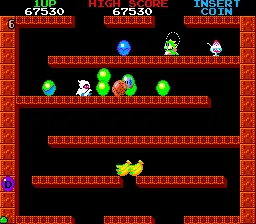
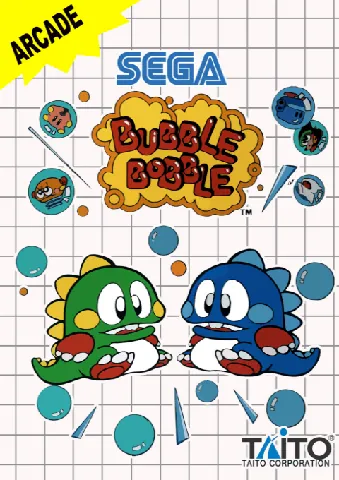
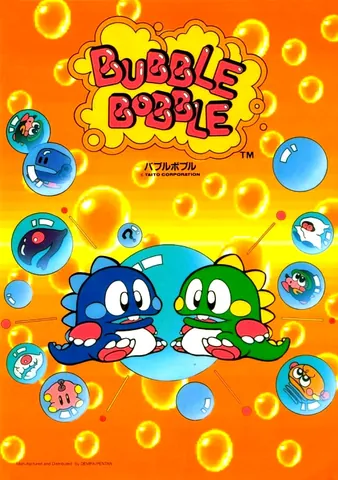
Two adorable little dragons, endless bubbles and a melody that lodges itself in your head for life. Bubble Bobble from 1986 by Taito is one of the most lovable and addictive arcade classics of all time. Playing as the dragons Bub and Bob, players make their way through a hundred single-screen levels in which they trap enemies in bubbles and then pop them to finish them off.
The genius of the game lies in simplicity combined with surprising depth. The basic principle, namely trapping an enemy in a bubble and bursting it, you learn quickly, but mastering all the mechanics, collecting bonuses and finding your way through dozens of levels takes practice. The game moreover hides a number of secrets and several different endings, with the true one unlocked only by meeting certain conditions. That makes it a title players return to again and again.
The greatest asset, however, is the two-player co-operation. Bouncing through the levels together, helping each other and gently competing over bonuses ranks among the best shared experiences the classic arcades offer. The adorable graphics, catchy music and the unmistakable character of the little dragons made Bubble Bobble a timeless favourite that charms every generation.
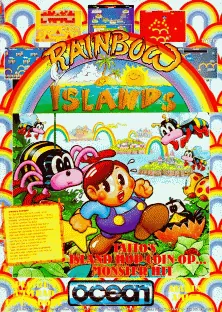
Around this game Taito built a whole line of follow-up titles. Among them is the charming platformer Rainbow Islands, in which you create rainbows instead of bubbles. These serve both as bridges you climb upward on and as a weapon against enemies. Its fresh, colourful visuals and inventive mechanics make it another excellent representative of Taito's adorable era.
Together the two games represent the best of the accessible, family-friendly arcade entertainment of the eighties. Their timeless design and warm humour ensured they received countless ports to home systems and that players still remember them today.
Why play: For timeless, adorable and addictive arcade fun that's even better with two players and that absolutely everyone will fall in love with.
Game 1 of 258 for Arcade
The same title elsewhere (8)
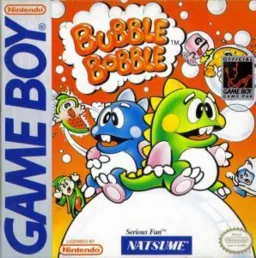
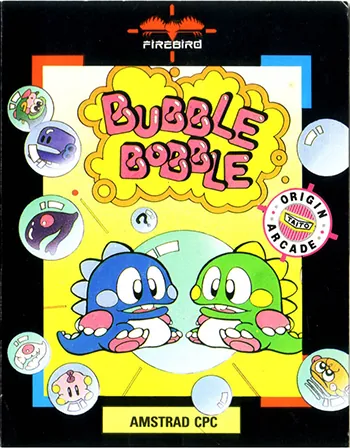
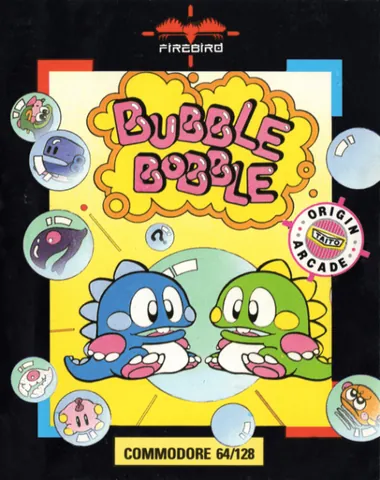
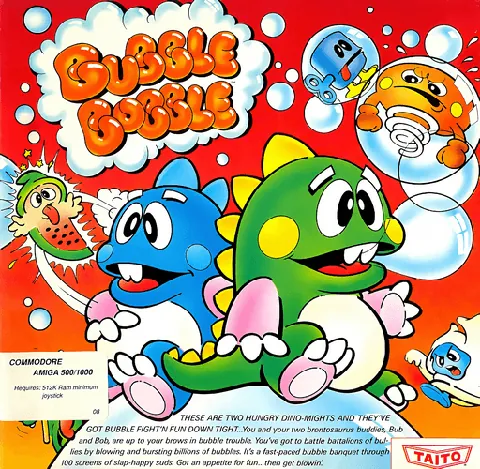
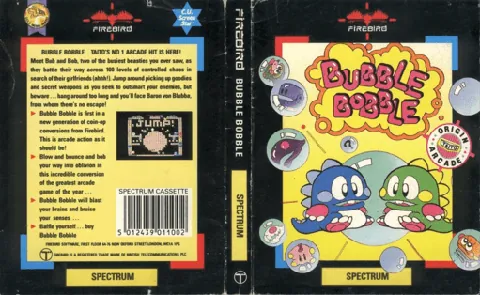
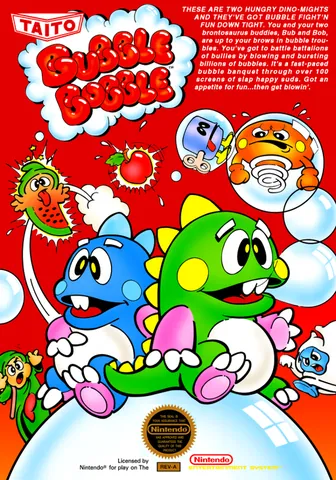
Taito's arcade original defined the game's charm, but home 8-bit versions earned their own reputation. The Commodore 64 version is famous for its music — the SID chip tune remains one of the most praised soundtracks of the 8-bit era. The NES conversion contains all one hundred original levels plus bonus modes and alternate endings, often seen as the most complete home version. ZX Spectrum and Amstrad CPC had to limit color and the smoothness of bubble movement due to weaker hardware, giving a plainer screen than the competition. Amiga and Atari ST offered faithful arcade-style graphics, but given the power of those machines, they're often judged as less ambitious ports than contemporary projects elsewhere. Game Boy reduced everything to a small monochrome screen, yet stayed addictive.