Donkey Kong
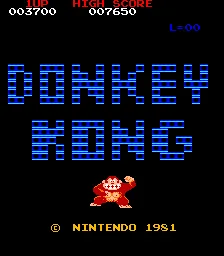
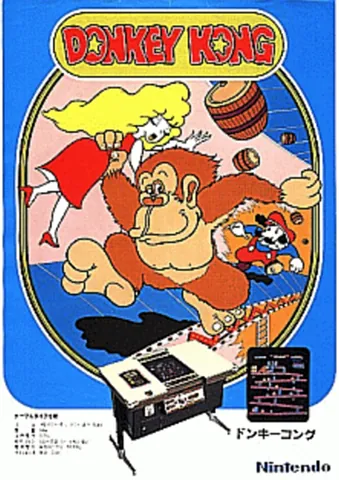
A single machine was enough to give birth to two legends at once. When Nintendo placed Donkey Kong into arcades in 1981, it introduced to the world not only the titular ape but above all a mustachioed fellow in a cap whom no one at the time called anything but Jumpman. Today you know him as Mario.
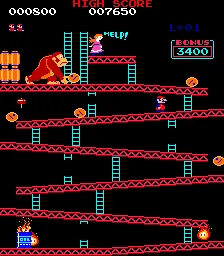
The game concept was daringly narrative for its time. A giant gorilla kidnaps a girl to the top of a construction site, and the player must rescue her by climbing sloped platforms and ladders while avoiding barrels that Donkey Kong tirelessly rolls down. The jump - an action practically unknown in arcades until then - became the cornerstone of the gameplay and defined the entire future genre of platformers. Each of the four screens had its own layout and its own hazards, from rolling barrels through moving elevators to burning traps.
Behind the game stood the then thirty-one-year-old designer Shigeru Miyamoto, for whom it was the first big project. At the time Nintendo desperately needed a hit; the American market was flooded with unsold cabinets of the unsuccessful Radar Scope machine, so Miyamoto was tasked with inventing a game that could be used to rebuild them. He drew inspiration from the story of King Kong and from the Popeye comics, and he transferred the love triangle of ape, girl, and hero directly into the gameplay.
The result exceeded all expectations. Donkey Kong became an enormous commercial success, earned Nintendo millions of dollars, and laid the foundations of its American branch. It gave rise to an entire range of characters and series that to this day form the backbone of the brand - from Mario to Donkey Kong himself as a playable hero. The game also entered the courtrooms when Universal unsuccessfully sued Nintendo over the alleged similarity to King Kong.
The cultural significance of this machine is hard to overstate. It stands at the very beginning of the largest gaming brand in history and to this day attracts competitive players who battle over the highest score on the original cabinet - a rivalry immortalized in the famous documentary The King of Kong.
Why play it: This is where it all began - the first Mario, the first jump, the first platformer. A piece of history that, even after all these years, is also a pleasantly challenging test.
Game 29 of 258 for Arcade
The same title elsewhere (6)
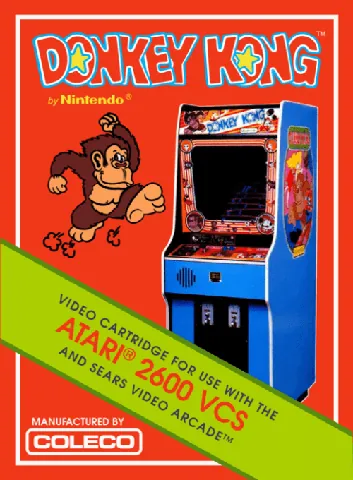
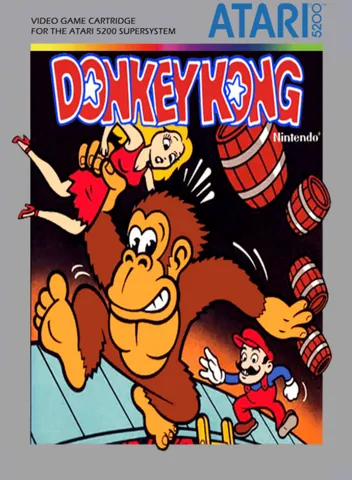
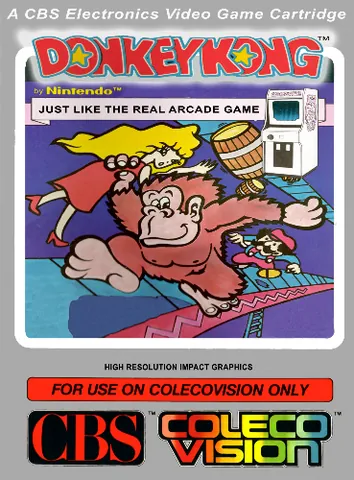
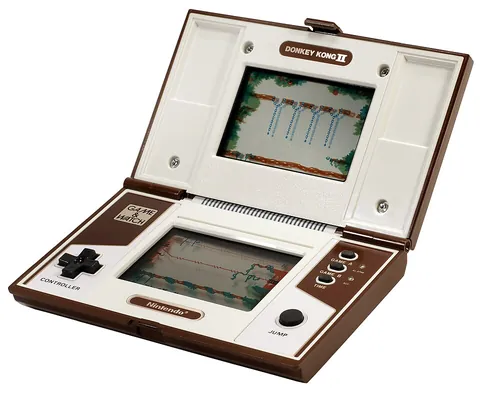
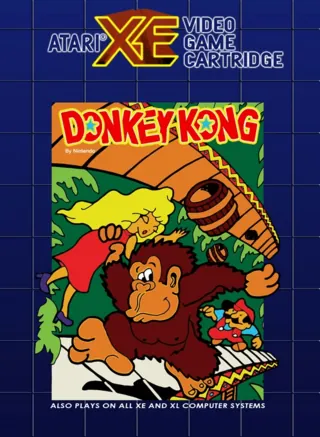
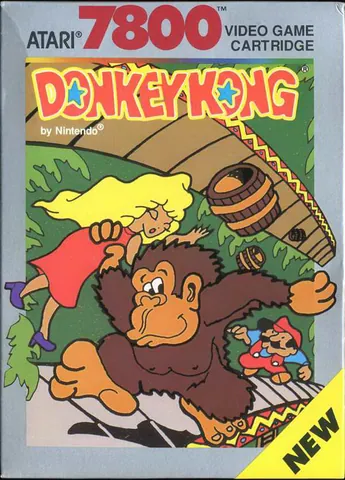
Nintendo's 1981 arcade original featured four stages – ladders, rolling barrels, elevator platforms and the rivet floor – and became the yardstick every home conversion was measured against. The 1982 ColecoVision version was remarkably accurate for its time in both looks and feel and became the main reason people bought the console, though cartridge memory limits forced it to drop one of the arcade's four stages. The pack-in cartridge bundled with the Atari 7800 offered its own solid rendition close to the original, though it still fell short of the arcade's smoothness and detail. Anyone wanting the complete game with every stage should reach for an arcade emulation.
From the same series Donkey Kong →
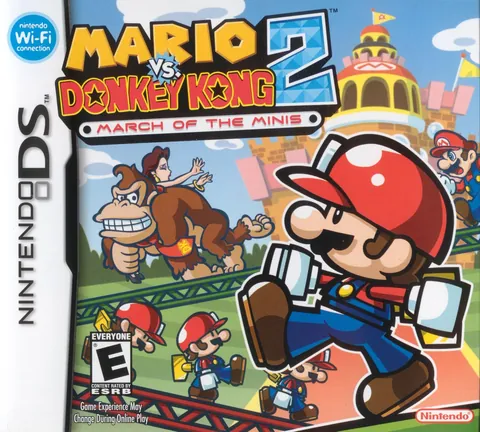 Mario vs. Donkey Kong 2: March of the Minis DS
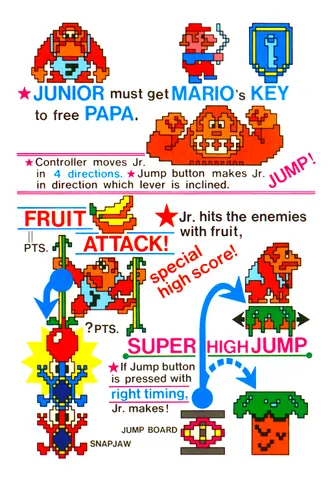 Donkey Kong Jr. MAME · G&W · 1982
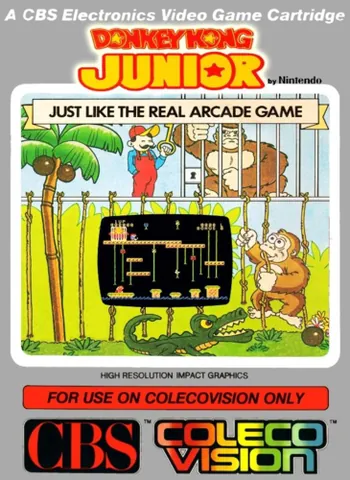 Donkey Kong Junior Coleco · 1982
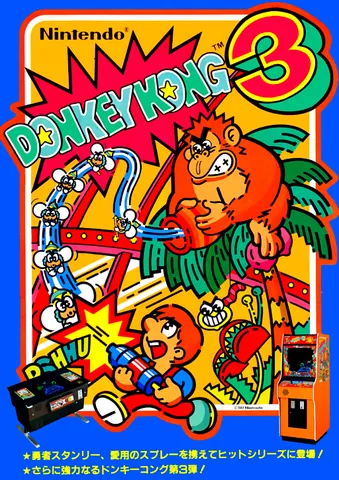 Donkey Kong 3 MAME · 1983
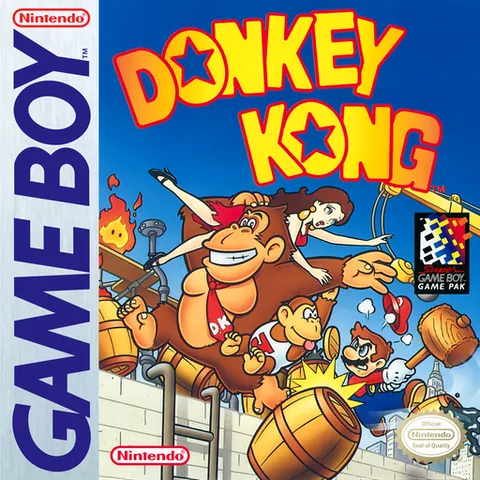 Donkey Kong (1994 / "Donkey Kong '94") GB · 1994
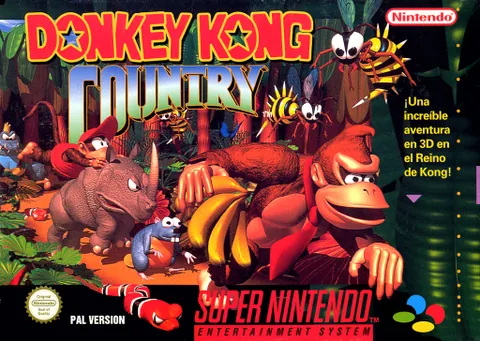 Donkey Kong Country 1–3 SNES · 1994–1996
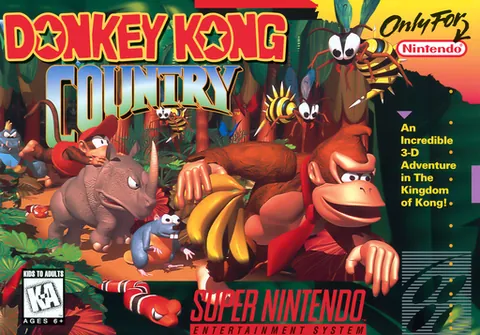 Donkey Kong Country SNES · GBC · GBA · 1994
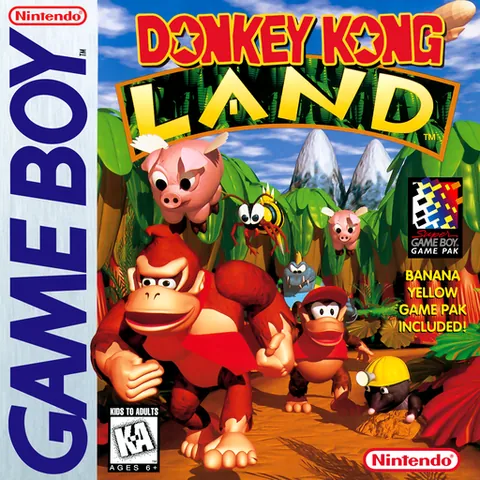 Donkey Kong Land GB · 1995
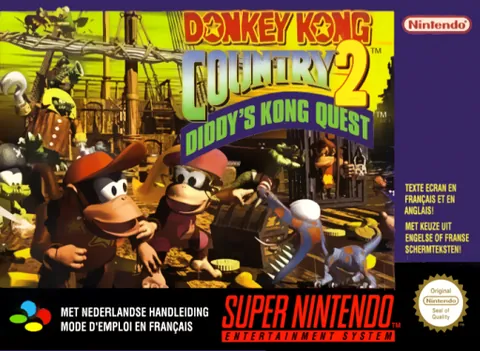 Donkey Kong Country 2 SNES · GBA · 1995
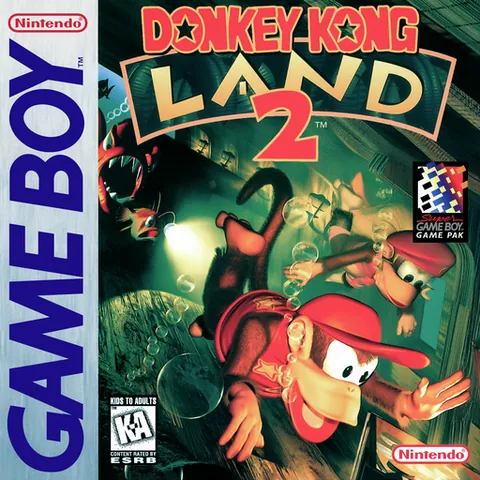 Donkey Kong Land 2 GB · 1996
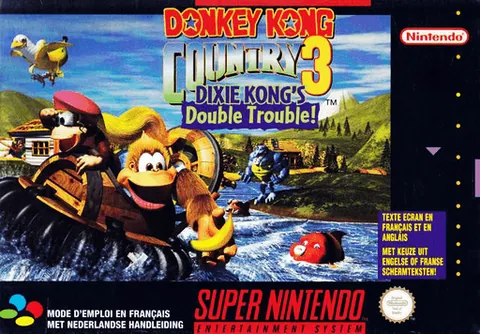 Donkey Kong Country 3 SNES · GBA · 1996
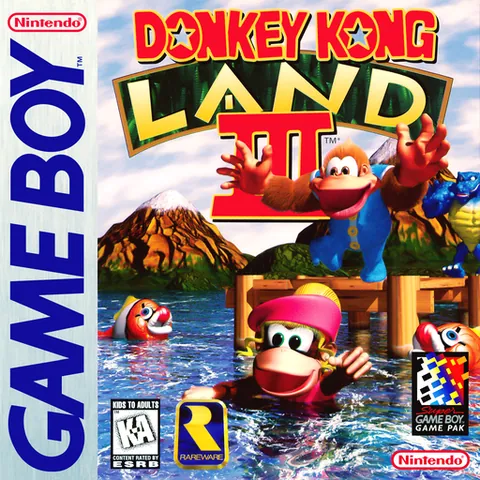 Donkey Kong Land III GB · 1997