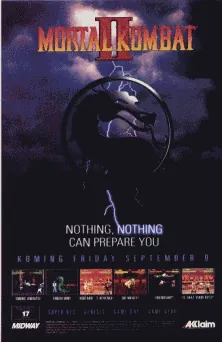
Mortal Kombat II
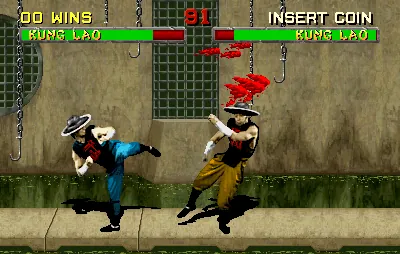
If the first Mortal Kombat was a shock, Mortal Kombat II from 1993 was a masterpiece that took every idea from its predecessor and polished it to perfection. With this installment Midway reached the peak of the golden era of digitized fighters and created a title that many fans to this day consider the best classic Mortal Kombat of all.
There was more of everything, and better. A larger roster brought new icons like Kitana, Mileena, Kung Lao, Jax, and the demonic Shao Kahn in the role of the final boss. The combat system became smoother and faster, the controls more fluid, and every character received a richer set of specials. Midway also expanded the arsenal of finishing moves. The brutal fatalities were joined by so-called Babalities, which turned the opponent into a crying baby, and Friendships, where the victor offered the opponent a friendly gesture instead of an execution. It was a brilliant move that brought humor and self-parody into the game.
Visually the game excelled. The digitized characters were more detailed, the backdrops more imaginative, from temples through lava pits to the infamous Pit, where you could knock an opponent down onto the spikes. The atmosphere of the mythical tournament thickened and the whole world of Mortal Kombat gained depth. The tradition of secrets continued with hidden fighters like Smoke, Noob Saibot, and Jade, whose unlocking required fulfilling bizarre conditions about which legends circulated.
In terms of development it was a confirmation that Mortal Kombat was no fad but a fixture. After the commercial explosion of the first game, Ed Boon and John Tobias were given the space and resources to fully realize their vision, and they used them to the fullest. The game ran in arcades and became an enormous hit that filled the halls with players eager to discover all the hidden moves and characters.
The sequel also fine-tuned the controls and combat rhythm so that it played more fluidly and more fairly than the original. Specials were easier to land, characters had more distinct personalities, and the lineup felt more balanced. The atmosphere was rounded out by captivating music and voiced lines, some of which, like Shao Kahn's mocking commentary on the fights, became cult favorites. Thanks to this the game did not feel like a mere sequel but like the definitive version of the whole concept, one to which the series essentially kept returning in later years, whether in remasters or in the spirit of later installments.
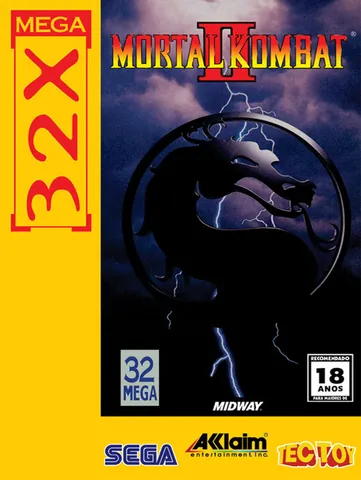
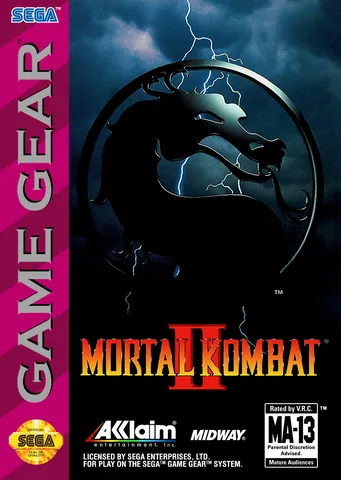
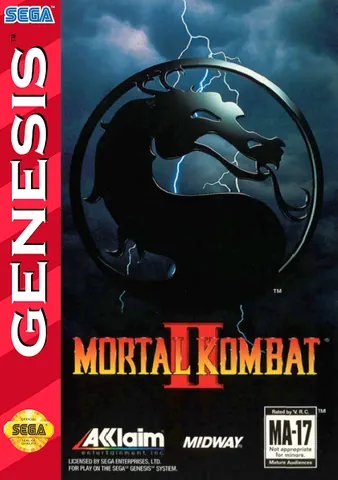
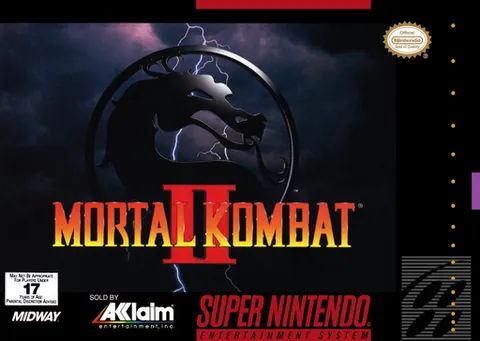
The cultural influence was considerable. Mortal Kombat II came out right at the height of the debate over violence in games and the creation of the ESRB rating, and it became a flagship of both controversy and commercial success. It received ports to all the home systems of the day, and, having learned from the first affair, even Nintendo now allowed the blood, so the home versions were finally more faithful to the original.
Many veterans still name the sequel as the peak of the so-called classic trilogy, the moment when the series achieved the ideal balance between style, gameplay, and shock. It is the Mortal Kombat remembered with the greatest fondness.
Why play it: A masterfully tuned peak of the classic era, with a rich roster, new fatalities, humor, and an atmosphere the series never bettered.
Game 23 of 258 for Arcade
The same title elsewhere (5)
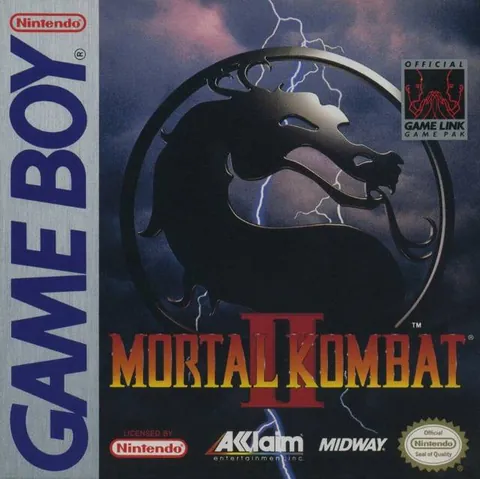
From the same series Mortal Kombat →
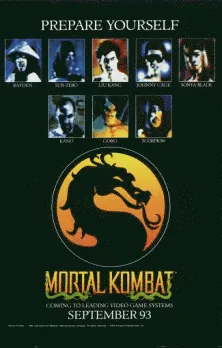 Mortal Kombat MAME · GB · SNES · MD · GG · Amiga · SMS · Vita · 1992
 Mortal Kombat 3 MAME · 1995
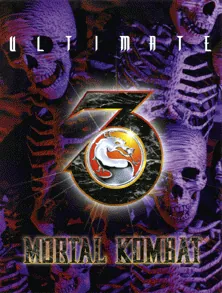 Ultimate Mortal Kombat 3 MAME · 1995
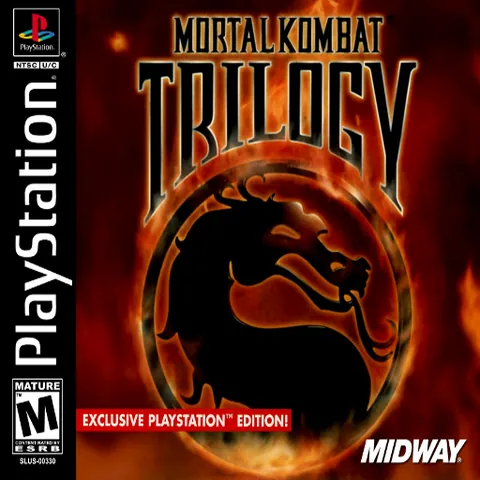 Mortal Kombat Trilogy PS1 · N64 · 1996
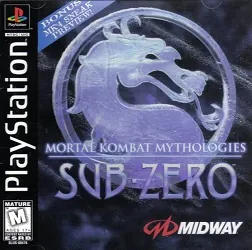 Mortal Kombat Mythologies: Sub-Zero PS1 · 1997
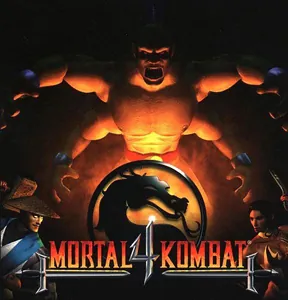 Mortal Kombat 4 MAME · 1997
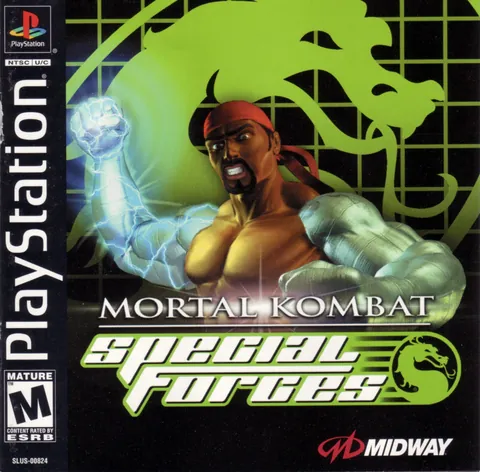 Mortal Kombat: Special Forces PS1 · 2000
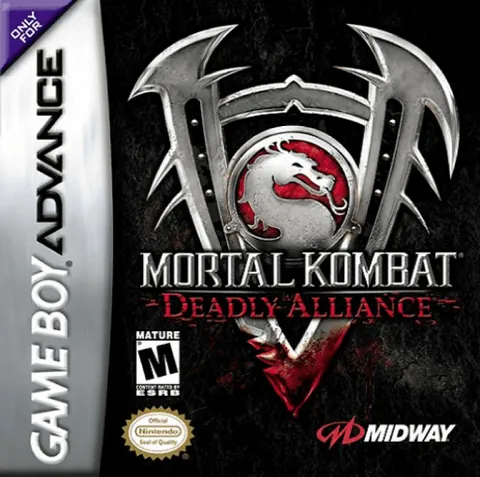 Mortal Kombat: Deadly Alliance GBA · Xbox · 2002
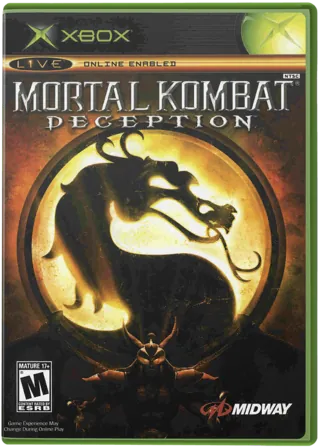 Mortal Kombat: Deception Xbox · 2004
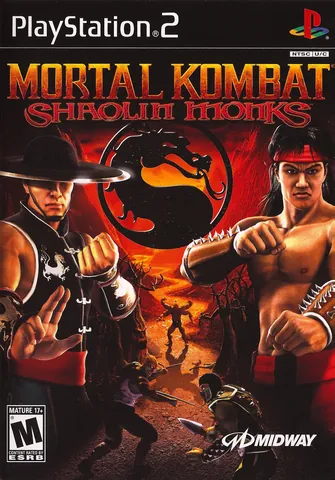 Mortal Kombat: Shaolin Monks PS2 · 2005
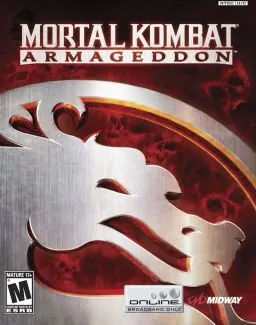 Mortal Kombat: Armageddon PS2 · 2006
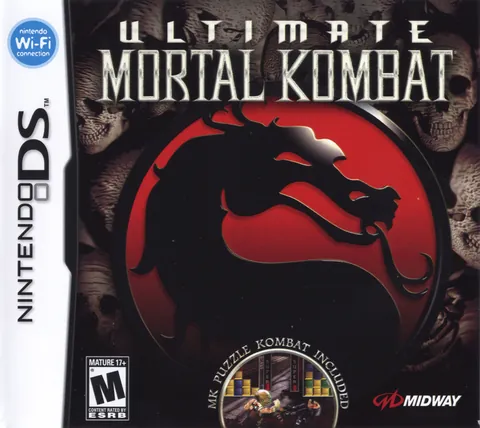 Ultimate Mortal Kombat DS · 2007