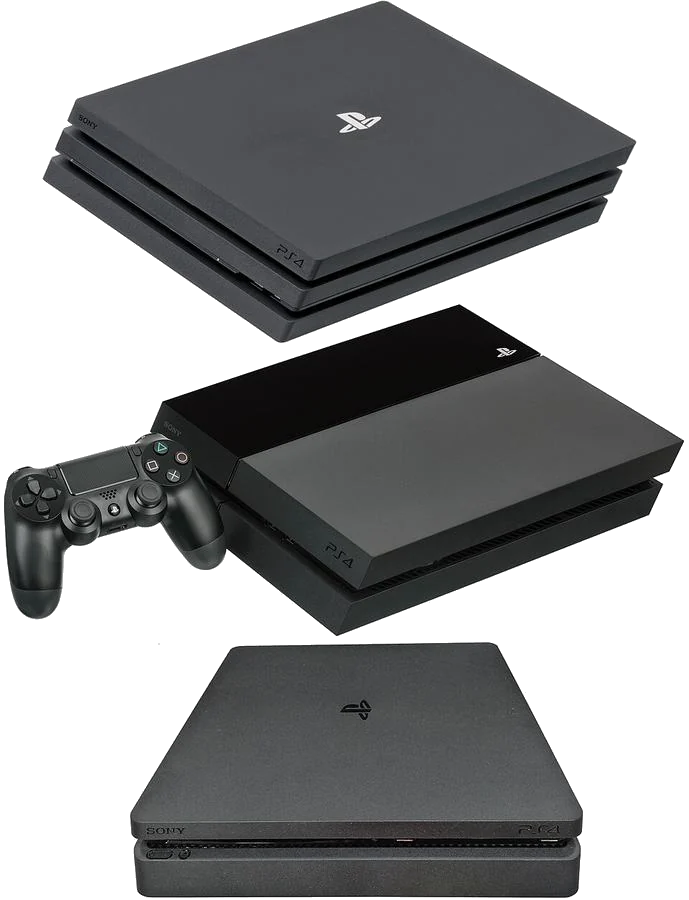
 Sony · 2013
Game consoles
Sony PlayStation 4
History & context
When Sony launched the PlayStation 4 in November 2013, it did exactly the opposite of what it had done a generation earlier with the PlayStation 3. Instead of the exotic Cell architecture, which had drained developers' blood for years, the company bet on standard PC hardware built around an x86-64 processor, making clear that its priority would be easy development and strong third-party support. It was the move of the century — the PS4 became the dominant console of the eighth generation, and with an estimated over 117 million units sold, it ranks among the most successful gaming machines in history, second only to the PlayStation 2.
Sony took developer criticism from the PS3 era to heart and delivered a powerful yet, above all, predictable machine. While the Xbox One bet on multimedia ambitions and controversial policies, the PS4 presented itself primarily as a console for gaming. A strong lineup of exclusives, an aggressive price, and developer trust made it the console the vast majority of players of this generation took home.
Technology: graphics and sound
At the heart of the PS4 was an AMD APU codenamed "Jaguar" — an eight-core x86-64 processor paired with a graphics core based on the AMD Radeon (GCN) architecture. It was a single-chip solution combining CPU and GPU on the same silicon, complemented by 8 GB of GDDR5 memory shared between the processor and the graphics. This unified memory eliminated the bottlenecks known from the previous generation and gave developers greater freedom.
Graphics performance amounted to roughly 1.84 teraflops, enough for a stable 1080p in most titles. An architecture close to a regular PC fundamentally simplified porting games between platforms, a key advantage throughout the machine's entire life cycle.
DualShock 4 and peripherals
The DualShock 4 controller marked the most significant redesign in the history of the lineup since the original PlayStation. Its most striking novelty was the touchpad on the front, which developers used for everything from menu gestures to unconventional mechanics. Beneath it sat the Share button, allowing screenshots and videos to be shared to social networks with a single press.
The controller also gained a light bar, used to identify players as well as a gameplay element reacting to on-screen events, and combined with the PlayStation Camera it also enabled motion tracking. The camera and DualShock 4 formed the foundation for the PlayStation VR headset, which brought virtual reality into homes on a mainstream scale.
PSN, online, and services
A major, if controversial, milestone was making online play a paid feature through PlayStation Plus — unlike the PS3, multiplayer online required a subscription. In return, subscribers received free monthly games, store discounts, and cloud storage.
The PSN network grew over the PS4's lifetime into one of the largest gaming platforms in the world, with features like streaming to Twitch/YouTube and gradually expanding cross-play. The PlayStation Now service offered streaming of older games without the need to download them, foreshadowing the direction the gaming industry would start to take.
Models and revisions (Slim, PS4 Pro)
The original PS4 model was slimmed down in 2016 into the PS4 Slim — a smaller, more energy-efficient case with the same performance. That same year, however, brought a far more important novelty: the PlayStation 4 Pro.
The PS4 Pro offered significantly boosted graphics (around 4.2 teraflops), enabling gameplay in 4K resolution (often via checkerboard rendering) and support for HDR. It was the first example of a so-called mid-generation console — Sony did not force players to buy new hardware, only offering an upgrade for those who wanted better graphics, while games remained compatible across models. Microsoft later adopted the concept with the Xbox One X.
Significance and legacy
The PlayStation 4 went down in history as the console that corrected its predecessor's mistakes and showed that developer-friendliness is valued more than exotic performance on paper. A strong lineup of exclusive titles, openness toward the indie scene, and a smart business strategy made it the winner of the eighth console generation. Today the PS4 is gradually passing into the hands of emulators and retro enthusiasts, but in significance it stands alongside the PlayStation 2 as one of the pillars of Sony's dominance in the home console market.
Games on this platform (278)





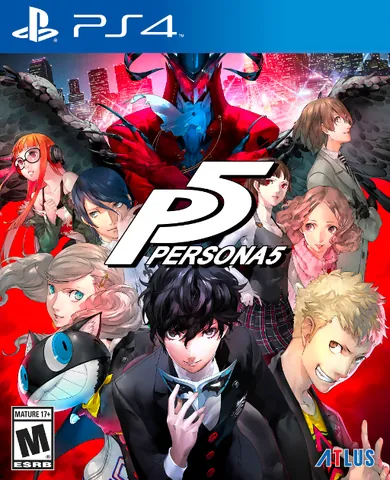
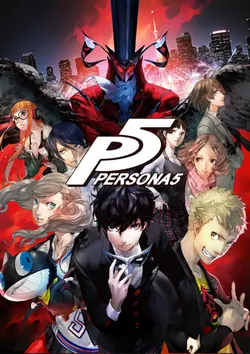
Persona 5
A double life for students: school by day, stealing the hearts of corrupt adults by night.









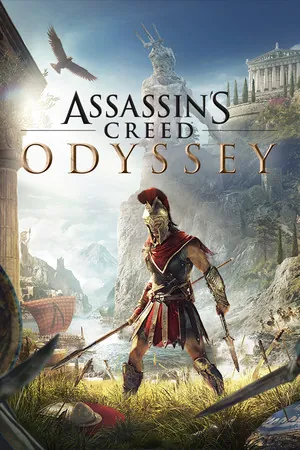





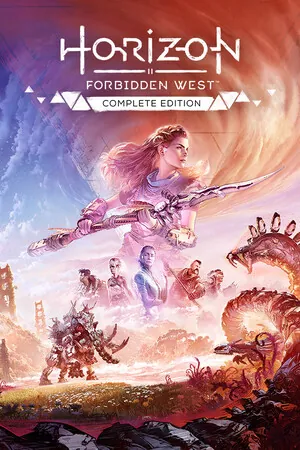
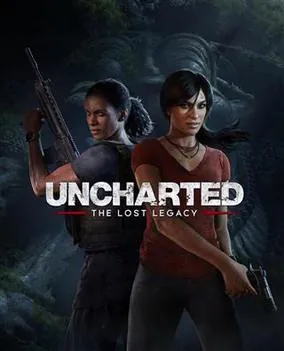
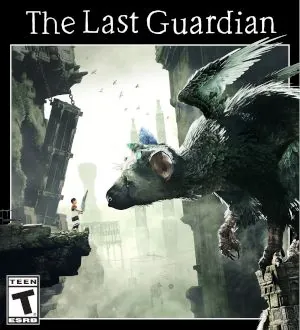


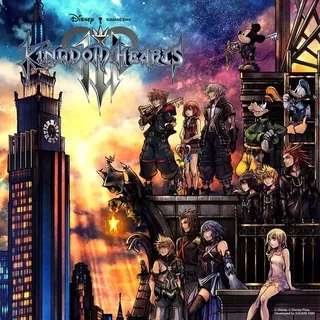
Kingdom Hearts III
Concludes a fifteen-year story arc connecting Disney worlds with serious fantasy.



















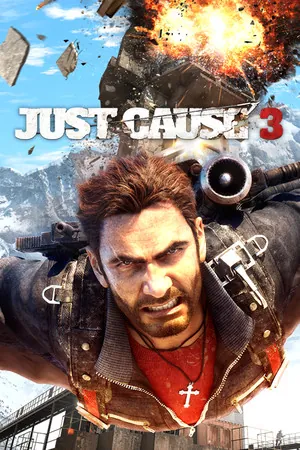
Just Cause 3
Physics-driven destruction in the fictional Medici against dictator General Di Ravello.

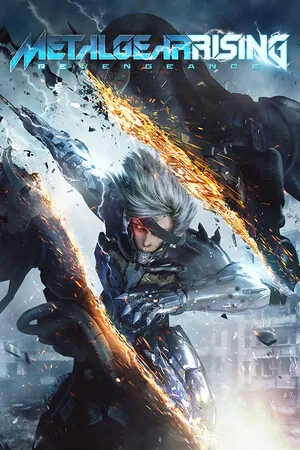

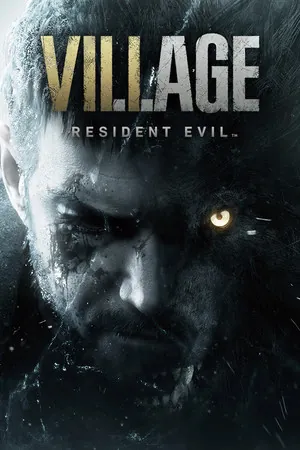
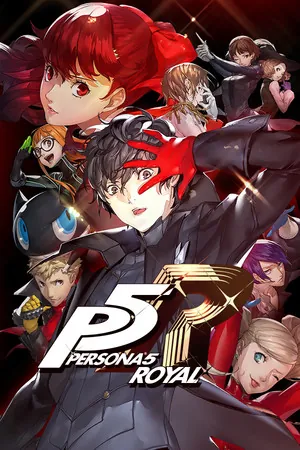
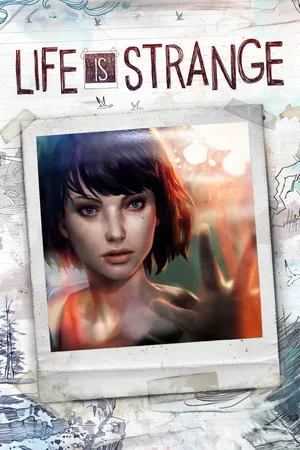
Life is Strange
An episodic adventure about rewinding time; choices come to fruition episodes later.





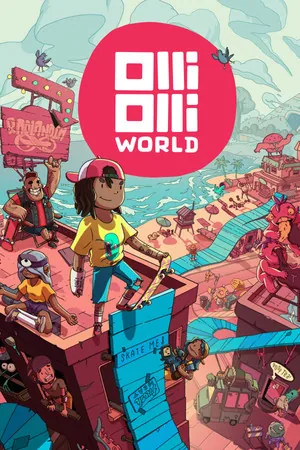
OlliOlli World
A skateboarding platformer in a fairy-tale world; combo tricks demand precise timing.


















































No game in this genre.