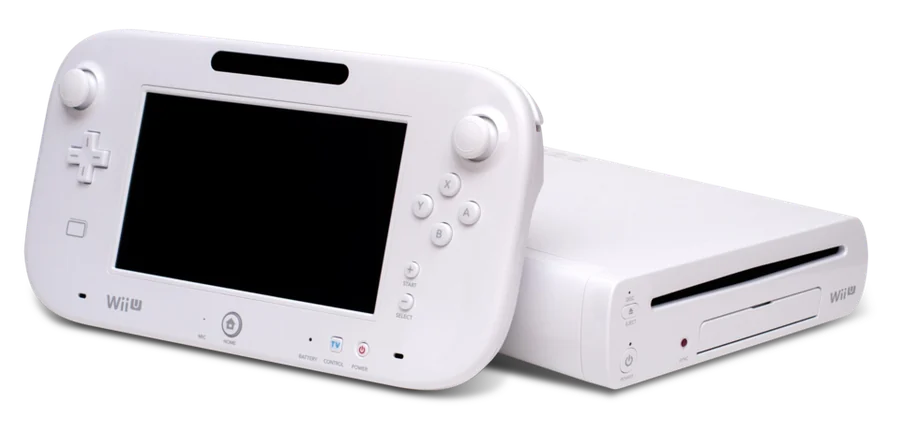
 Nintendo · 2012
Game consoles
Nintendo Wii U
History & context
Nintendo's Wii U arrived on the market in autumn 2012 with a task that was almost unsolvable from the start: following up on the Wii, one of the best-selling consoles ever. By then Nintendo realized the magic of waving a controller around had worn off, and it came up with an idea that looked great on paper — the GamePad, a large controller with its own touchscreen functioning as a second screen alongside the television. Maps, inventories, or moves hidden from other players moved into your hands, and when someone in the living room needed the TV, the game simply continued on the GamePad in off-TV play mode. It was also Nintendo's very first HD console.
Yet the Wii U became a textbook example of how to sell a good idea badly. The confusing name suggested an accessory for the Wii rather than a new console, and the ads focused so heavily on the GamePad that many customers never grasped it was a different machine altogether. The result was a commercial failure: only around 13.5 million units sold. Third-party publishers left quickly after a lukewarm start, and in 2013 the PlayStation 4 and Xbox One arrived, against which the Wii U simply couldn't compete on power.
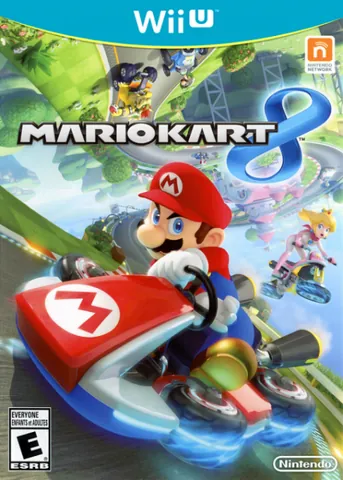
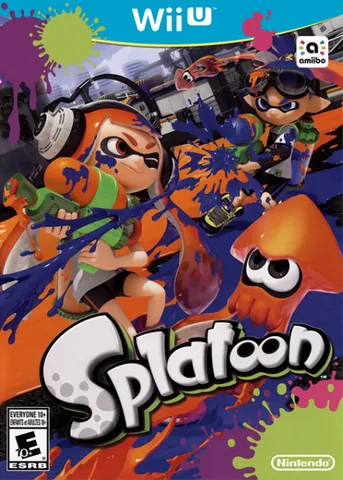
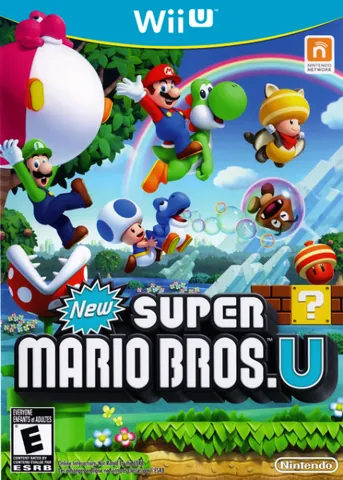
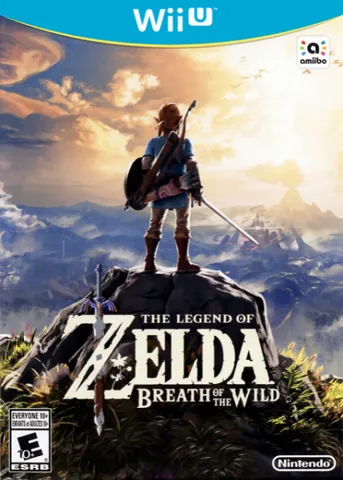
Ironically, the library itself ranks among the best Nintendo has ever released in a single generation. This is where Mario Kart 8, Splatoon, and The Legend of Zelda: Breath of the Wild debuted first — games that only became massive hits in their reworked Switch versions. Today the Wii U looks like an underappreciated laboratory that gave rise to the following console's success.
Technology: graphics and sound
At the heart of the console sits the triple-core IBM Espresso processor built on the PowerPC architecture, a direct descendant of the Broadway chip from the Wii and the Gekko chip from the GameCube. This family lineage ensured smooth backward compatibility, but it also meant the Wii U entered the HD era with a conservative, none-too-fast CPU. Graphics are handled by the AMD Latte chip, based on the Radeon architecture and supplemented with fast eDRAM memory built right into the package.
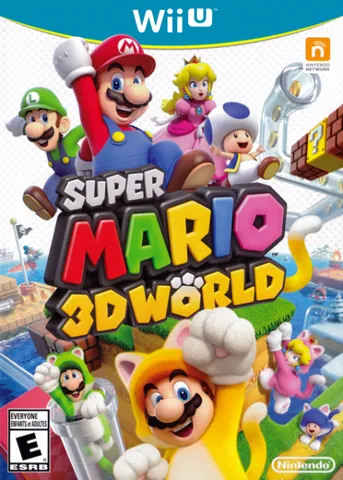
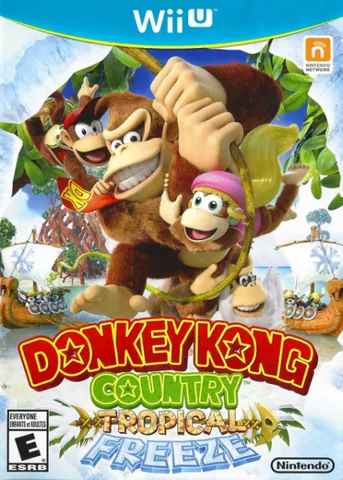
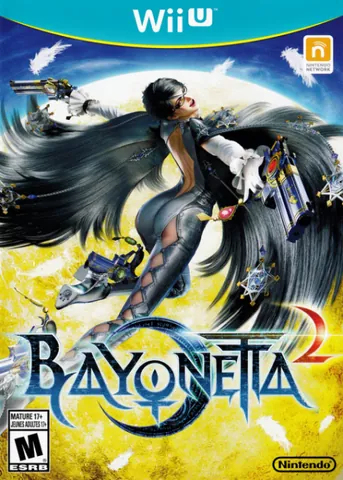
The console carries 2 GB of DDR3 memory, though only half of that belongs to games — the second gigabyte is reserved for the system, so multitasking, the browser, and social features can run in the background. Video output goes out over HDMI at up to 1080p, though most games targeted 720p with stable frame rates instead. The hardware sat roughly at the level of the PlayStation 3 and Xbox 360, just with a more modern graphics architecture and considerably lower power consumption. Even so, Nintendo's studios squeezed visually gorgeous games out of it — Super Mario 3D World, Donkey Kong Country: Tropical Freeze, and Bayonetta 2 rank among the cleanest-looking titles of their era.
Connectivity and peripherals
The GamePad is, without question, the star of the system. Besides the touchscreen, it carries analog sticks, motion sensors, a camera, a microphone, and an NFC reader, on which the amiibo figures launched in 2014. Video streams to it wirelessly from the console, so its range is limited to roughly one room — the GamePad isn't a standalone handheld, but an extension of the console's reach.
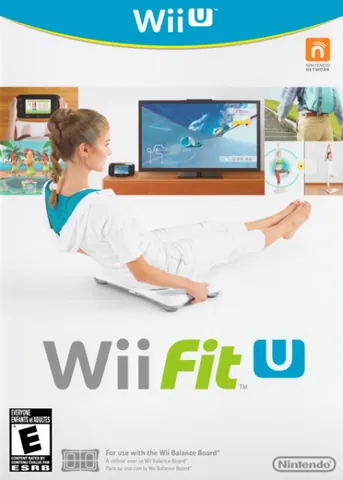
The Wii U is backward compatible with the Wii: in so-called Wii mode it runs practically the entire original library and can use old accessories too, namely the Wii Remote, Nunchuk, and Balance Board. For classic television play there was the comfortable Wii U Pro Controller. The online side was handled by the Nintendo Network, along with the social Miiverse, where players drew messages and left them directly inside other people's games. The eShop store also offered Virtual Console, for the first time including games from the Game Boy Advance and Nintendo DS.
Models and revisions
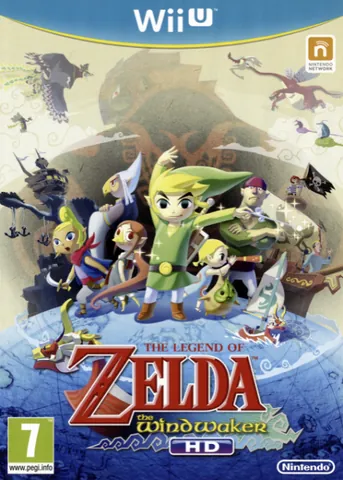
Hardware variants are few and differ mainly in storage capacity. The base Basic model was white with 8 GB of built-in storage, while the pricier Deluxe (called Premium in Europe) was black with 32 GB and a stand. Since even 32 GB isn't enough for modern games, the console can connect an external USB drive and reads SD cards. Nintendo released a number of collector's bundles, including editions tied to The Wind Waker HD, Mario Kart 8, and Splatoon. No major revision ever arrived; production ended in 2017, just a few weeks before the Switch launched. The Wii U is also Nintendo's last regionally locked home console.
Clones and variants
True clones don't exist — the architecture was closed and commercially unattractive enough that nobody bothered copying it. The homebrew scene, on the other hand, is remarkably alive. The community gradually developed methods like Haxchi, and later Tiramisu and Aroma, which open the console up to custom apps and emulators. Even the built-in Wii mode (vWii) can be unlocked, turning the Wii U into a very capable emulation machine for older Nintendo systems.
The scene today
On PC, the clear choice is the Cemu emulator, which has matured into remarkable quality — a number of games run on it at higher resolutions and more smoothly than on the original hardware, with its handling of Breath of the Wild being especially legendary. Cemu is demanding on performance, though, and targets classic x86 computers, so you can run it under Batocera on a regular PC as well, but cheap ARM handhelds like the Anbernic or R36S aren't anywhere close to enough for the Wii U. The eShop was shut down in 2023, so digital purchases are no longer possible and games have to be sourced as secondhand discs.
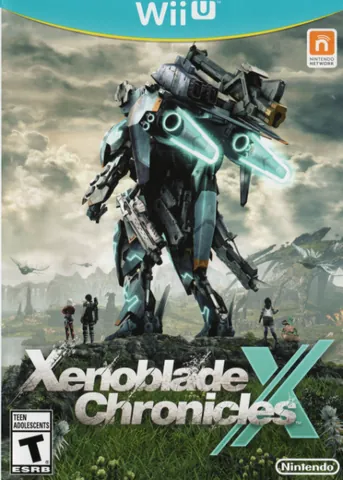
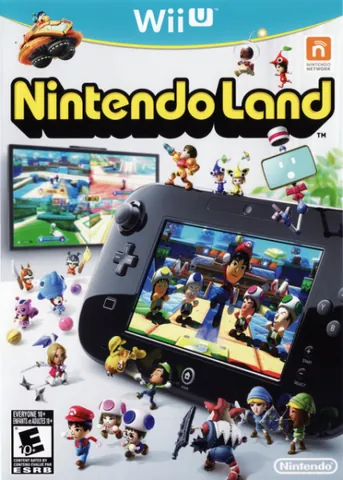
On the resale market the Wii U is still cheap, while offering dozens of excellent games, some of which never appeared anywhere else — Xenoblade Chronicles X, for instance, or the GamePad-driven minigames in Nintendo Land. Its usual weak point is the GamePad itself: batteries fade after years of use, and finding a replacement is harder than finding a whole console. Even so, the Wii U is growing into a prized collector's item — a console the world passed by, even though it deserved so much more.
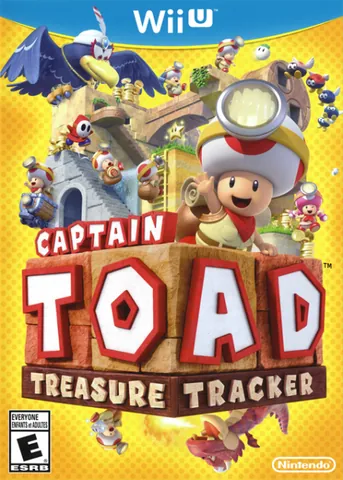
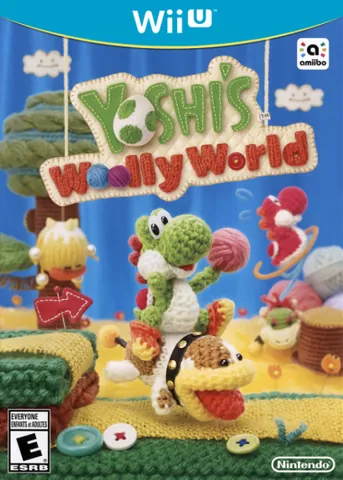
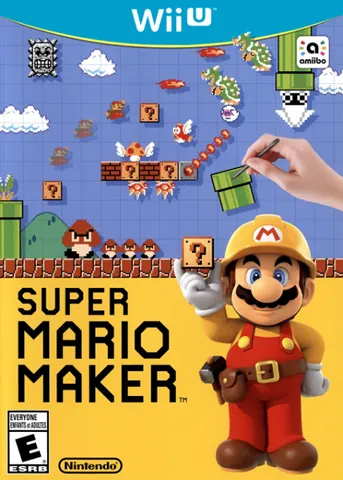
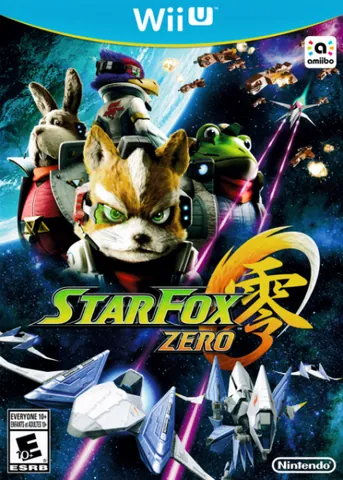
Games on this platform (87)

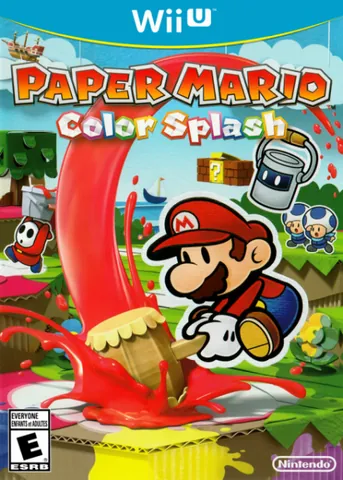
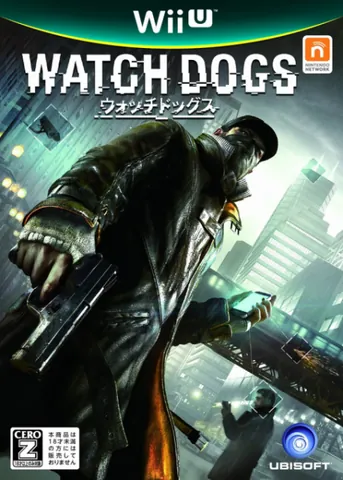
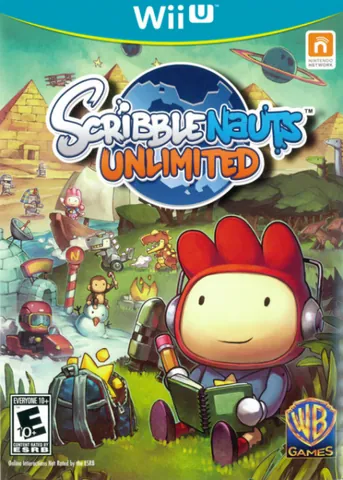
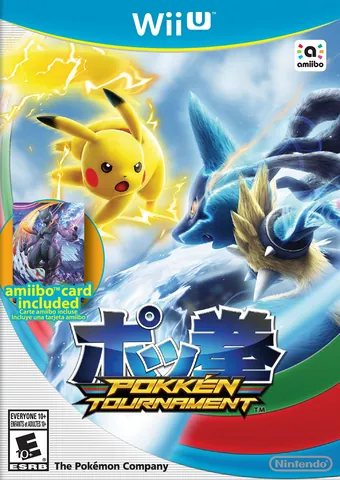
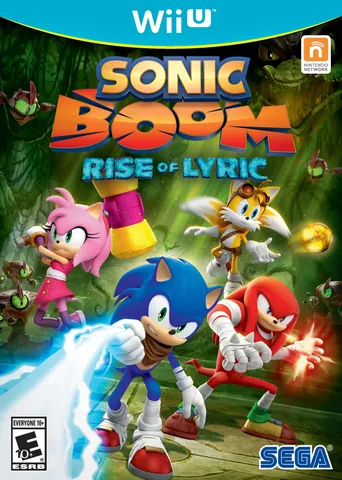
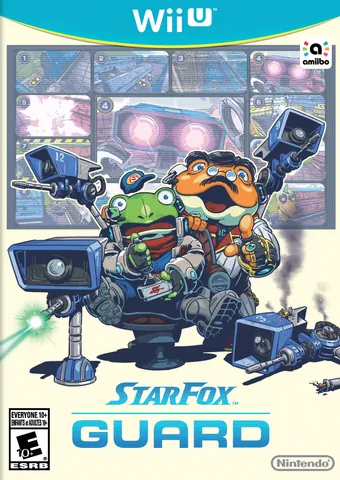
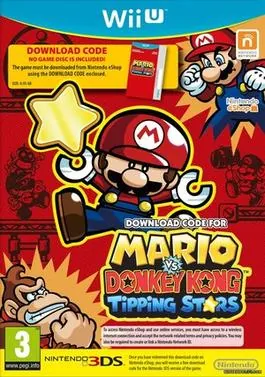
No game in this genre.