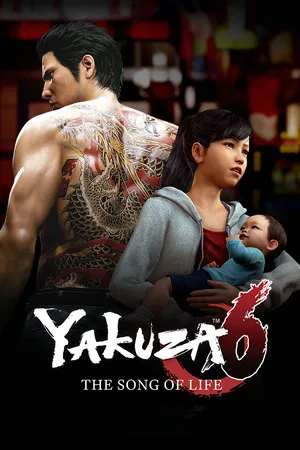
Yakuza 6: The Song of Life
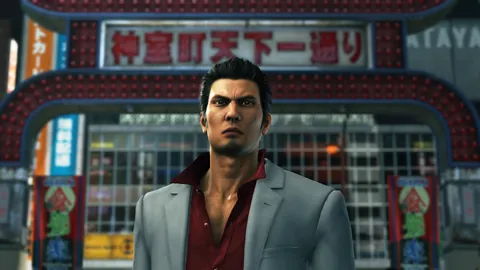
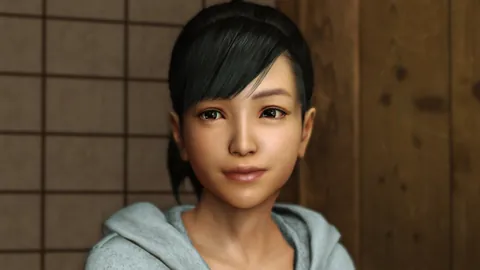
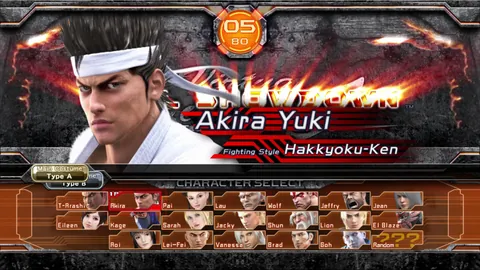
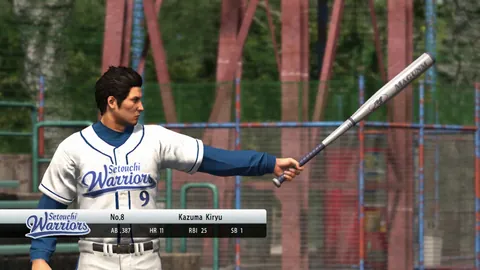
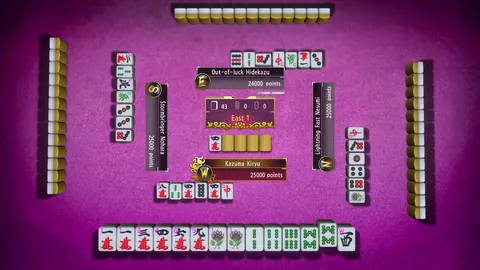
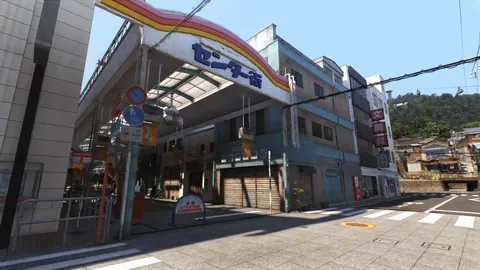
Yakuza 6: The Song of Life closes out Kazuma Kiryu's long-running story and is the first entry in the series built on the new Dragon Engine, which replaced the older technology and delivered seamless open cities with no transition screens between combat and walking around. The story picks up directly after the previous entries - Kiryu is released from prison and learns that his adoptive daughter Haruka is in a coma after a car accident and has a son whose existence no one knew about. The search for the boy's father takes Kiryu from Kamurocho to the new, quieter coastal district of Onomichi, where instead of yakuza he mostly encounters fishermen, farmers, and local small-time troublemakers.
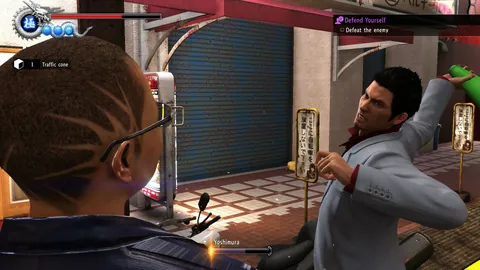
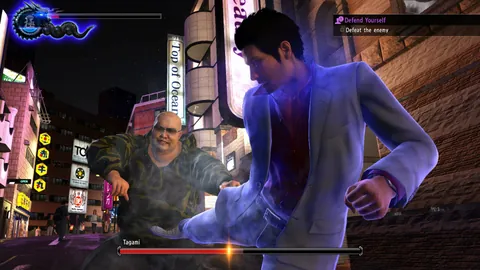
The combat system was simplified down to a single style instead of the earlier multiple variants, making the game more approachable for newcomers, while also adding a more detailed injury system and contextual fights that make use of the surroundings, from street furniture to vehicles that can be used to throw opponents across the street. The new Onomichi district contrasts with the noisy Kamurocho through its slower pace and smaller community, which is also reflected in side quests focused on local residents and the fishing community. On PlayStation 4, the game showed off the full graphical power of the Dragon Engine - densely populated streets, realistic faces, and smooth transitions between cutscenes and gameplay, all of which make Kamurocho and Onomichi feel more alive and cohesive than in earlier entries built on the previous technology.
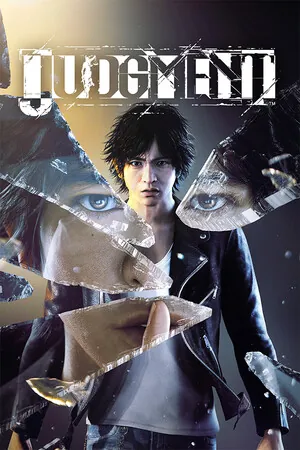
Critics praised above all the emotional culmination of Kiryu's story and the technical leap forward, though the simplified combat system sparked discussion among part of the fanbase about whether the series was losing some of the depth of its earlier fights. The musical score and cinematic final sequences rank among the strongest in the series and round out a farewell to a character players had followed through many previous entries. Yakuza 6 today stands as both a dignified, emotional conclusion to one of the longest-running game sagas and as the technological foundation on which all later entries in the series were built, including the spin-off Judgment.
Why play it: For players who followed Kiryu through the previous entries, it offers an emotional and technically accomplished conclusion to one of the longest-running game sagas, even if the simplified combat system trimmed some of its complexity.
Game 109 of 278 for Sony PlayStation 4
From the same series Yakuza →
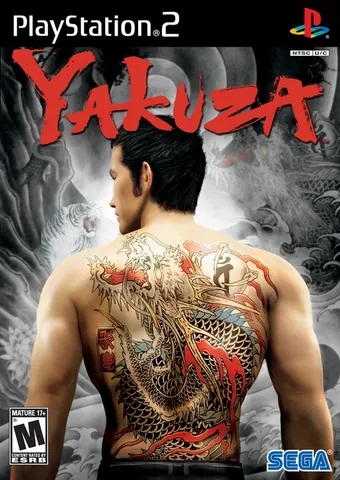 Yakuza PS2 · 2005
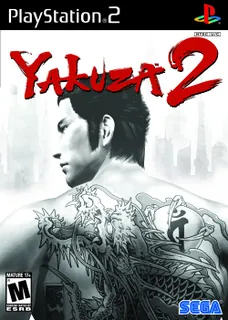 Yakuza 2 PS2 · 2006
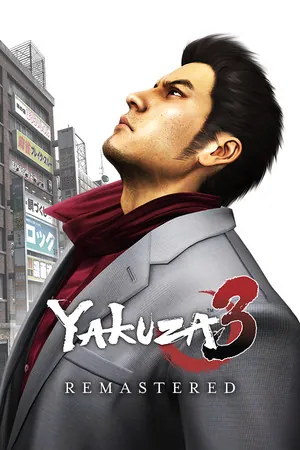 Yakuza 3 PS3 · 2009
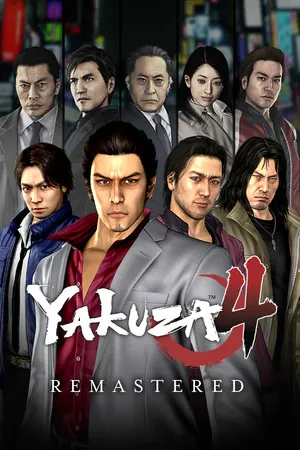 Yakuza 4 PS3 · 2010
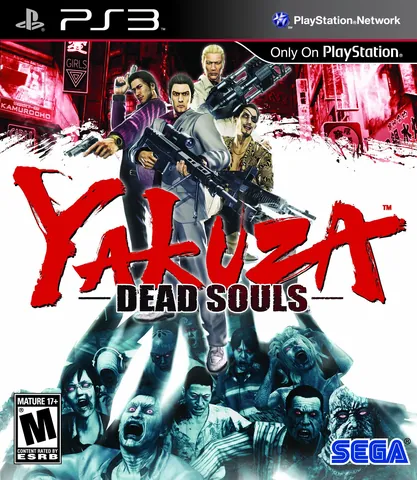 Yakuza: Dead Souls PS3 · 2011
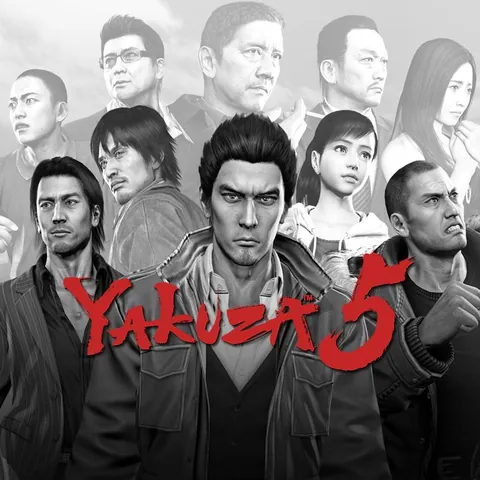 Yakuza 5 PS3 · 2012 PS4 Yakuza Ishin! PS4 · 2014
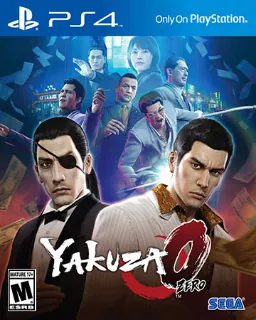 Yakuza 0 PS4 · PC · XONE · 2015
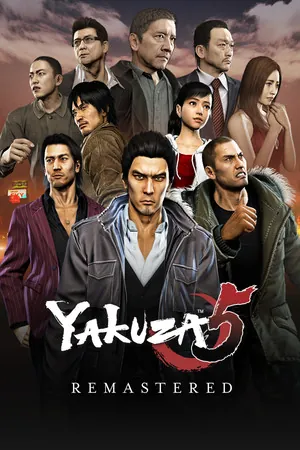 Yakuza 5 Remastered PS4 · 2015
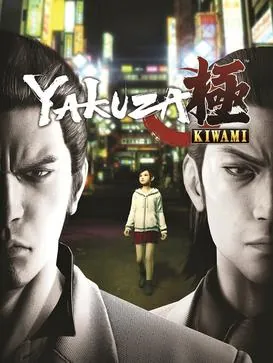 Yakuza Kiwami PS4 · 2016
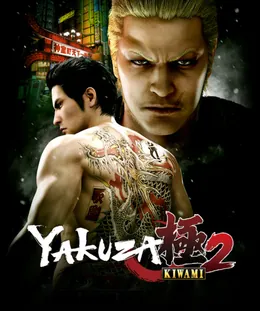 Yakuza Kiwami 2 PS4 · 2017
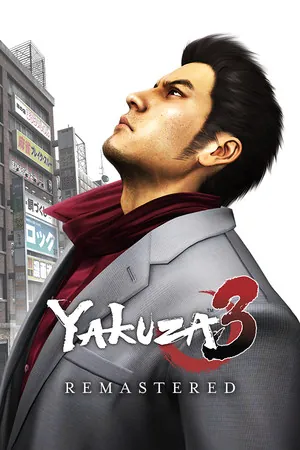 Yakuza 3 Remastered PS4 · 2019