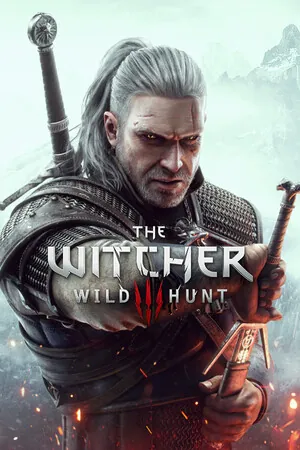
The Witcher 3: Wild Hunt
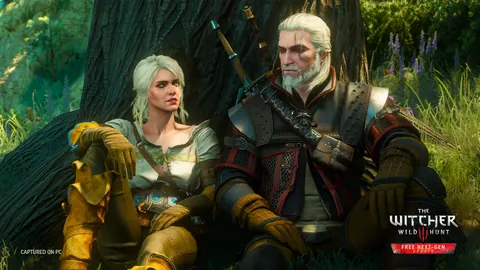
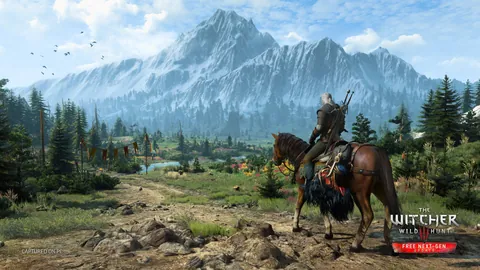
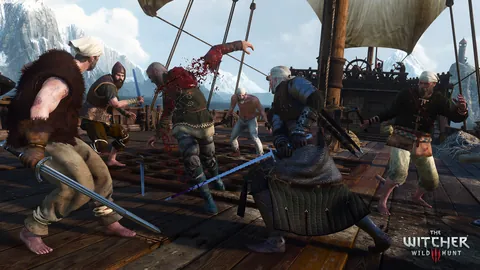
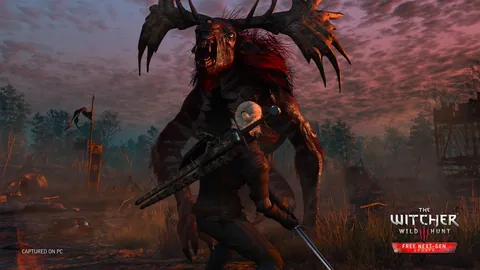
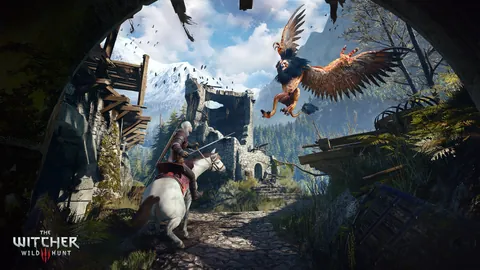
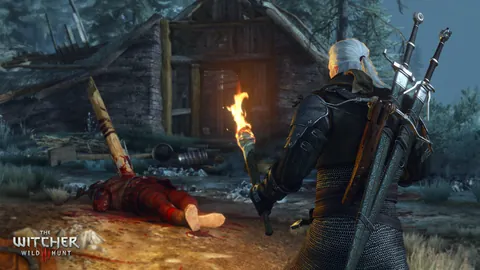
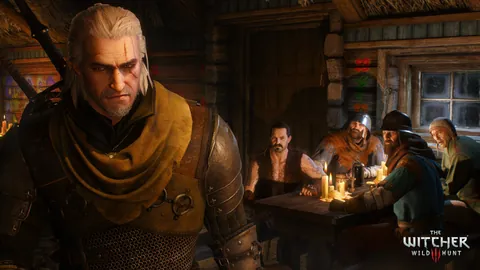
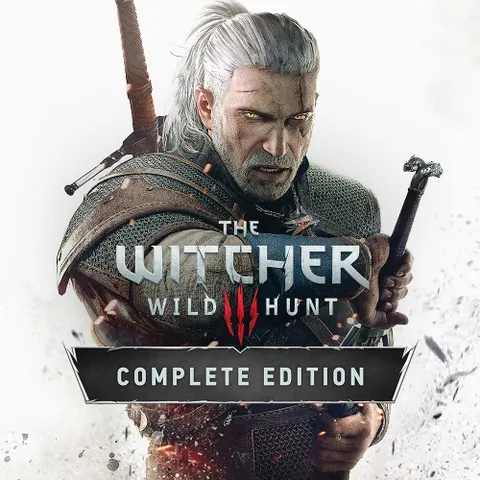
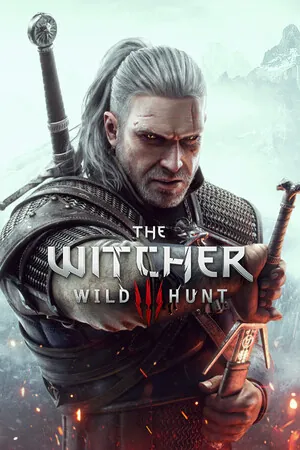
Geralt of Rivia, a witcher and monster hunter for hire, journeys through the war-torn Northern Kingdoms in The Witcher 3: Wild Hunt, the final and most expansive chapter of the Polish trilogy, searching for his adoptive daughter Ciri, who is being hunted by the supernatural Wild Hunt. CD Projekt Red created one of the largest and most densely crafted open worlds of its time, where even minor side quests usually conceal morally ambiguous stories worthy of the main plot, from village curses to political intrigue between Nilfgaard and Temeria.
The combat system combines two swords for human and monstrous opponents, Signs - magical attacks like the fiery Igni or the protective Quen - potions, and alchemy, with preparation paying off on higher difficulties: reading the bestiary, coating the blade with the right oil, and setting out only in the right weather. The Witcher Sense turns monster hunting into a small detective investigation involving tracks and witness interrogations. Gwent, a card minigame scattered across taverns across the continent, became so popular that it later spun off into its own standalone title.
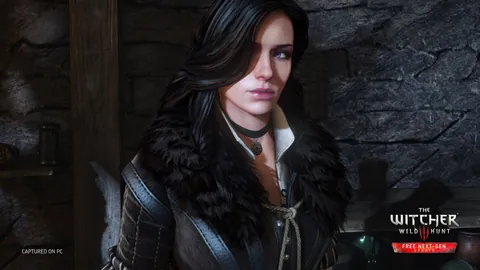
The expansions Hearts of Stone and especially Blood and Wine, set in the sunny region of Toussaint, rank among the best-reviewed expansions in the genre's history. The sorceress Yennefer, Ciri's friend Triss Merigold, and even the horse Roach became an inseparable part of pop culture, while morally ambiguous choices, such as the fate of Novigrad and its witch hunts, showed that a fantasy RPG can tackle political and ethical questions just as pressing as serious literature. The game won countless Game of the Year awards, sold tens of millions of copies, inspired a successful Netflix series, and is still considered one of the gold standards of the open-world RPG genre. CD Projekt Red also supported the game for years with dozens of free content updates, earning it enormous respect from the gaming community.
Game 16 of 278 for Sony PlayStation 4