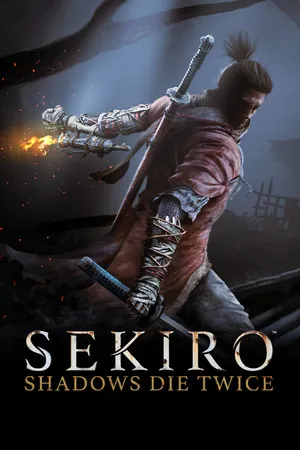
Sekiro: Shadows Die Twice
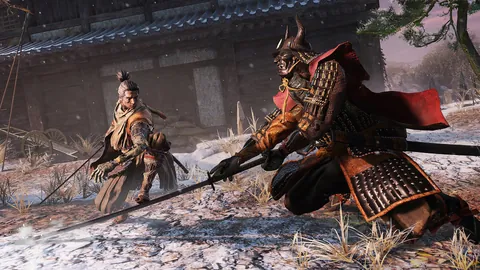
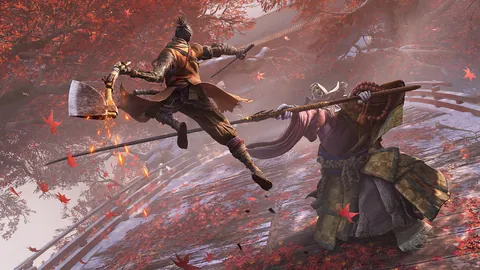
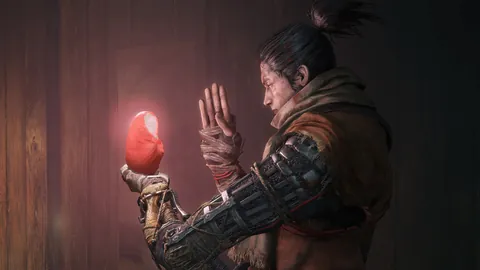
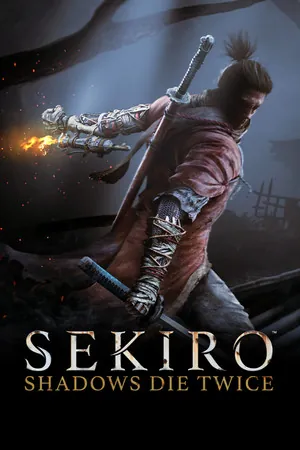
With Sekiro: Shadows Die Twice, FromSoftware abandoned the stat and build systems typical of the Souls series and created a much more direct, yet mercilessly demanding action game set in fictional feudal Japan. The player controls a one-armed shinobi who must rescue his young lord, and the core combat mechanic isn't stamina management for attacks but a posture system - fights are won by aggressively deflecting attacks with a katana until the opponent's posture breaks, allowing a lethal Shinobi Execution strike.
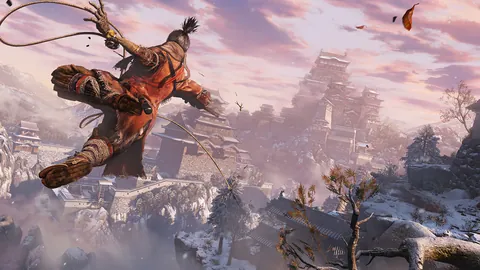
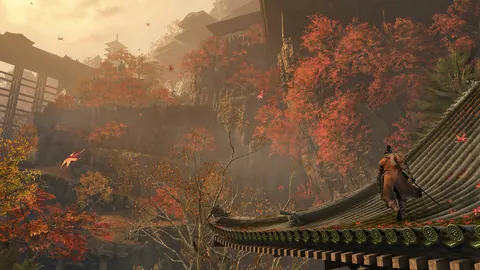
The verticality of the level design allows, thanks to a grappling hook, free movement across rooftops and cliffs, which combined with prosthetic arm tools - an axe that shatters shields, a fire-spewing device, or an opening umbrella - offers a more flexible approach to both stealth and confrontation than the studio's earlier titles. The player can quietly eliminate weaker guards from above, gaining an advantage before a boss fight, and the ability to resurrect once on the spot of death changes the rhythm of trial and error. The difficulty is downright extreme and demands mastering precise parry timing rather than dodging, which put off some players but also delivered an unprecedented sense of satisfaction from defeating bosses like Genichiro or Isshin.
An environment inspired by the Sengoku period, full of castle towers, snow-covered temples, and a mystical underworld inhabited by supernatural beings, offers a visually distinct palette from the studio's Europe-flavored games, and sound design featuring the sharp clang of a deflected blade serves as precise feedback for the entire combat rhythm. Compared to earlier titles, Sekiro also avoids optional builds and skill trees in favor of a strictly balanced combat design, which made it more accessible for viewing as a competitive discipline among skilled players. Critics praised the game as a masterwork of combat design, and it won Game of the Year 2019 at The Game Awards.
Game 21 of 278 for Sony PlayStation 4