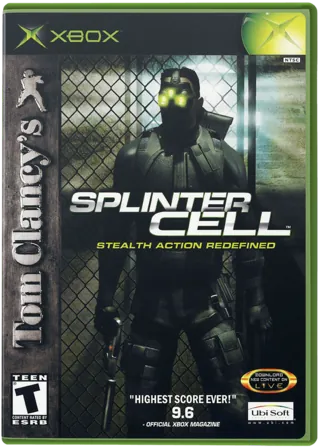
Tom Clancy's Splinter Cell
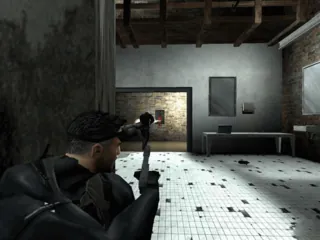
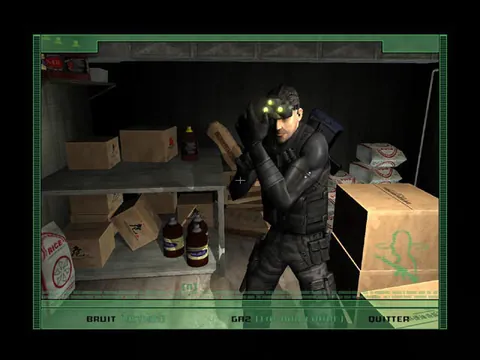
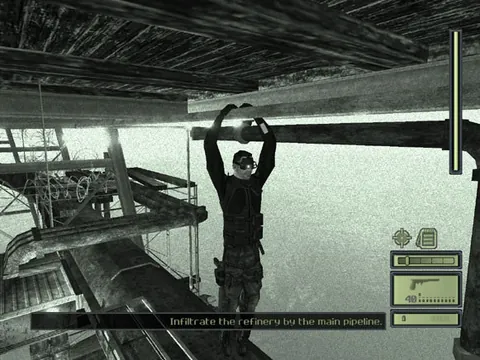
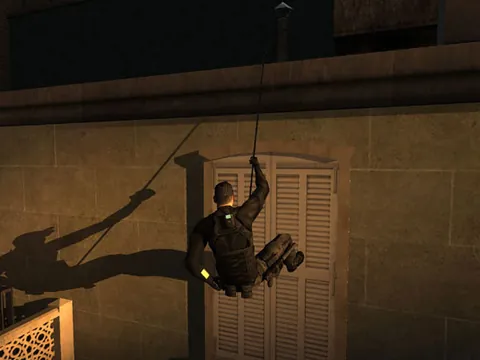
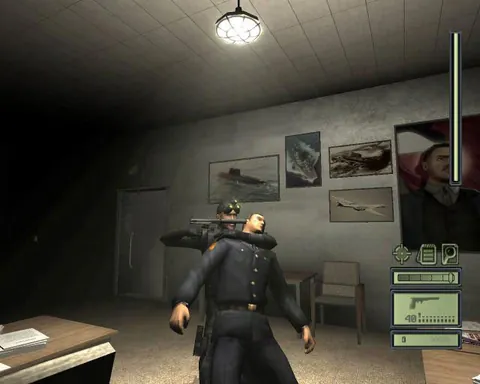
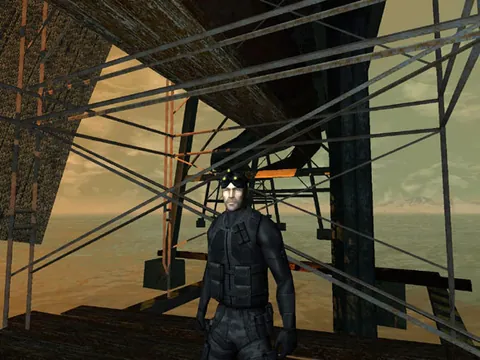
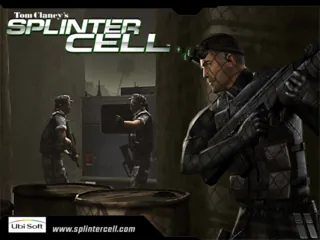
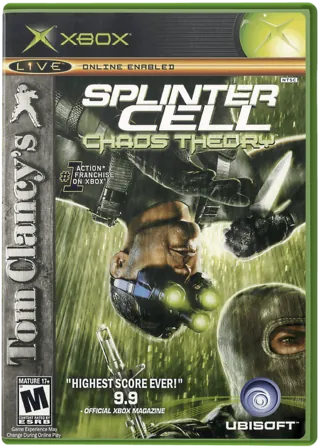
Tom Clancy's Splinter Cell made secret agent Sam Fisher famous and became a technical milestone that showed what the Xbox's performance was capable of in the field of dynamic lighting, at the time one of the most demanding graphical techniques of all. Studio Ubisoft Montreal built the gameplay on the principle of genuine concealment in shadow — the game calculated in real time how much light was falling on the character, and the player could literally shoot out light bulbs or hide in complete darkness where enemies physically could not see him, a revolutionary technical and gameplay mechanic for its time that the competition was only just catching up to.
Sam Fisher creeps across rooftops, climbs through pipes, performs an acrobatic split between corridor walls directly above patrolling guards' heads, and quietly eliminates or bypasses enemies, while the game consistently punishes recklessness and rewards patience, observation, and planning a route in advance. Equipment also plays a crucial role: the goggles' night-vision and thermal-vision modes change how a scene is read, an optical probe allows peeking under doors, and non-lethal tools give room to get through a level without a single casualty. The controls work with analog stick sensitivity, so walking speed determines how loud footsteps are, and the player learns to move inch by inch.
A tense espionage plot drawing on political intrigue and modern geopolitical tension, collaboration with writer Tom Clancy as a brand, and elaborate camera work and a visibility indicator placed Splinter Cell alongside the Metal Gear series as the genre's second great pillar of stealth, albeit with a markedly different, realistic tone. The game received enthusiastic critical reception, became one of the best-selling exclusives of the early Xbox era, and launched a long series of sequels. Visually and technically, it was one of the most impressive games of its time, one that for years defined what modern espionage action based on concealment rather than direct confrontation and unbridled firepower should look like.
Game 13 of 176 for Microsoft Xbox
The same title elsewhere (3)
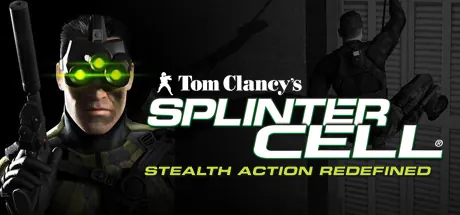
From the same series Splinter Cell →
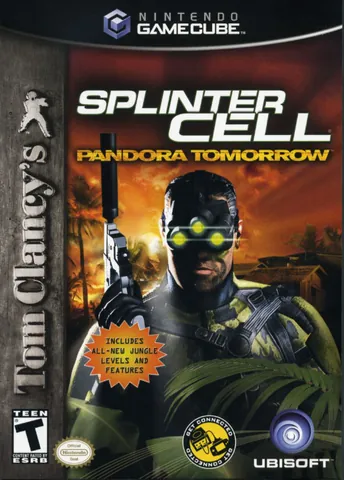 Tom Clancy's Splinter Cell: Pandora Tomorrow GCN · 2004
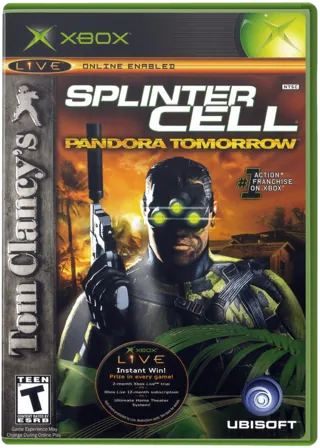 Splinter Cell: Pandora Tomorrow Xbox · 2004
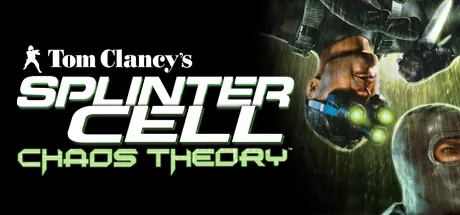 Tom Clancy's Splinter Cell: Chaos Theory PS2 · Xbox · PC · 2005
 Tom Clancy's Splinter Cell: Essentials PSP · 2006
 Tom Clancy's Splinter Cell: Double Agent Xbox · X360 · PC · 2006
 Tom Clancy's Splinter Cell: Conviction X360 · 2010
 Tom Clancy's Splinter Cell: Blacklist Wii U · PS3 · 2013