 Nintendo · 2001
Game consoles
Nintendo GameCube
History & context
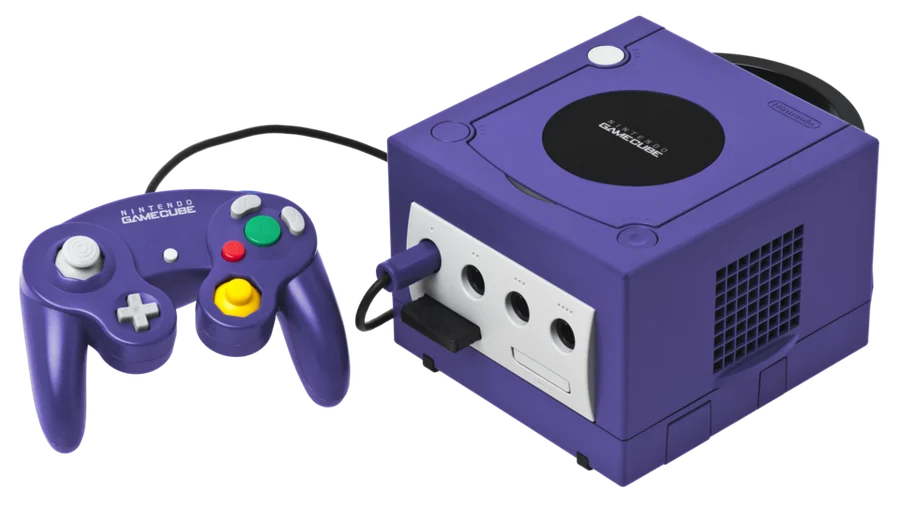
When Nintendo launched the GameCube in Japan and North America in 2001 (and in Europe in 2002), it introduced its most unconventional home console ever. A small purple cube with a carrying handle looked more like a toy than a next-generation gaming machine — and that was exactly what Nintendo wanted. After the commercially lukewarm Nintendo 64, the company decided not to follow the multimedia-hub path taken by Sony, but to offer clean, powerful and above all easy-to-program gaming hardware focused on one thing: great games. The GameCube was also Nintendo's first home console to abandon cartridges and switch to optical media.
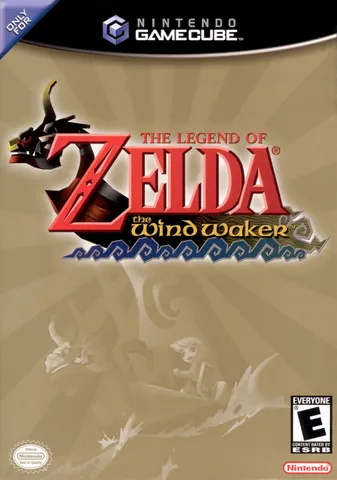
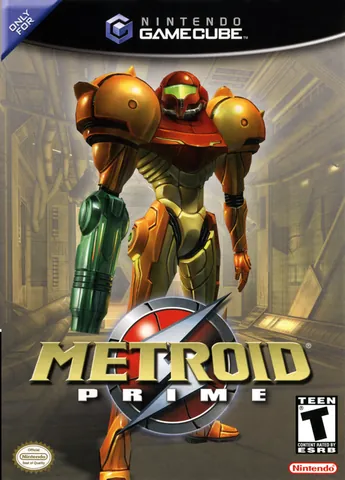
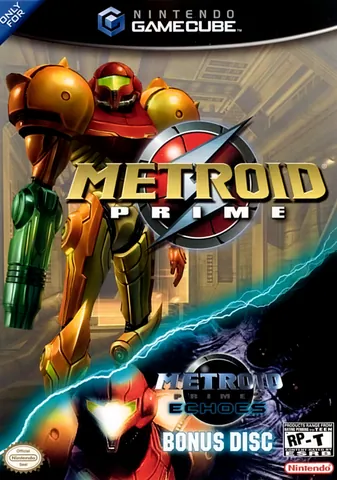
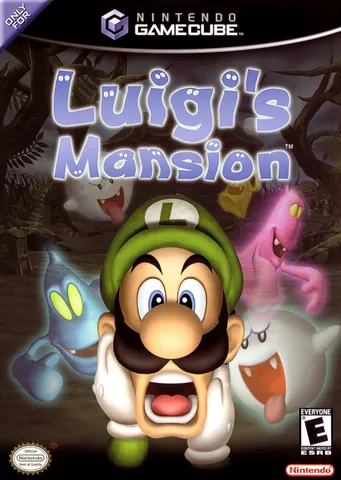
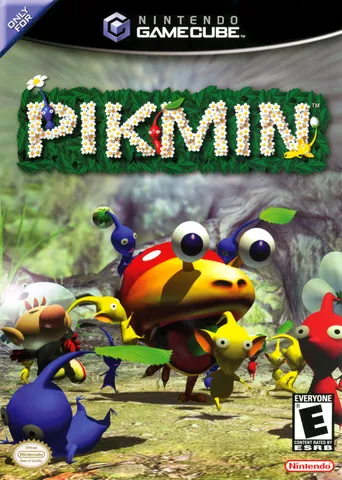
The console's launch was decent, but it was clear from the start that the fight against the PlayStation 2 phenomenon could not be won. Sony had an enormous head start, a strong brand and the trump card of DVD film playback. Against that, the GameCube offered quality, not quantity — and although it sold "only" around 21.7 million units (behind both the PS2 and the Xbox), it left behind one of the most concentrated and beloved libraries of all. It was here that Luigi's Mansion, Pikmin, Metroid Prime and the superb The Legend of Zelda: The Wind Waker first shone.
Technology: graphics and sound
The heart of the GameCube was the 32-bit IBM PowerPC "Gekko" processor clocked at 485 MHz, built on the proven PowerPC architecture and supplemented with custom instructions for floating-point work. Graphics were handled by the ATI "Flipper" chip running at 162 MHz, developed in collaboration with ArtX — a remarkably efficient GPU for its time with an excellent performance-to-price ratio.
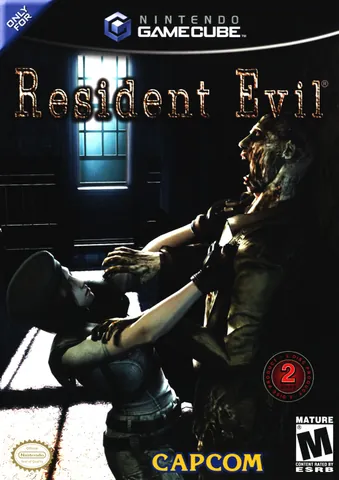
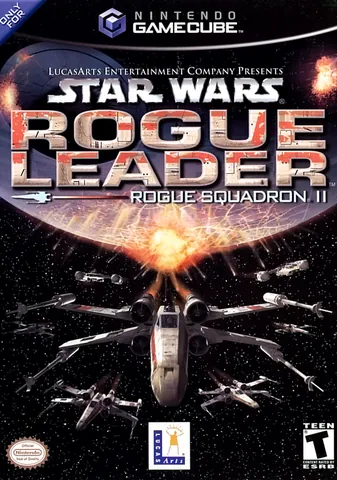
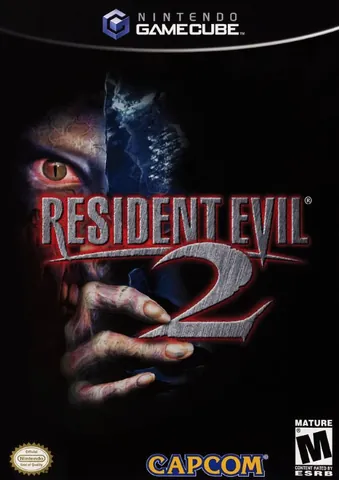
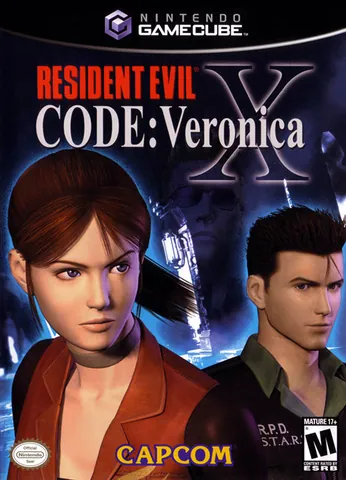
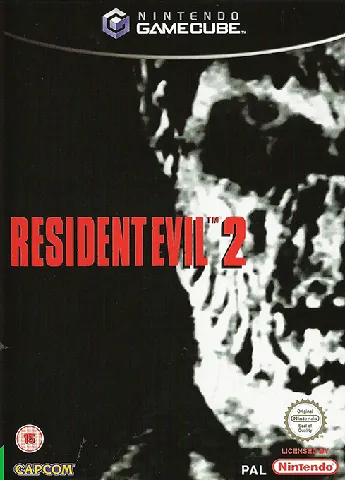
The memory architecture was unusual: the console had 24 MB of fast main memory (1T-SRAM) supplemented by another 16 MB of slower memory for auxiliary tasks. The result was hardware that in real games often surpassed the PS2 in texture cleanliness and frame-rate stability. Titles like Rogue Squadron II or Resident Evil showed what Flipper could do — and Star Wars Rogue Leader was among the most technically impressive games of the entire generation.
Peripherals and accessories
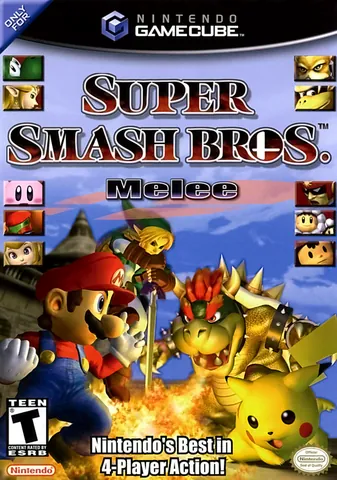
The most famous accessory was the wireless WaveBird controller — a revolutionary radio-frequency pad for its time with excellent range and long battery life, which to this day counts as one of the best wireless controllers in history. The wired GameCube controller itself, with its distinctive large green A button and analogue triggers, gained cult status and is still used today at Super Smash Bros. tournaments.
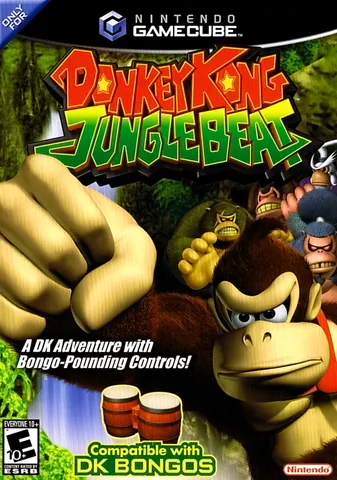
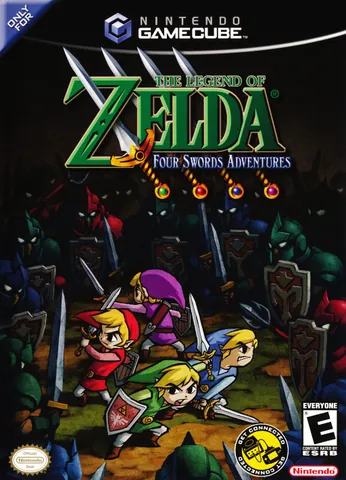
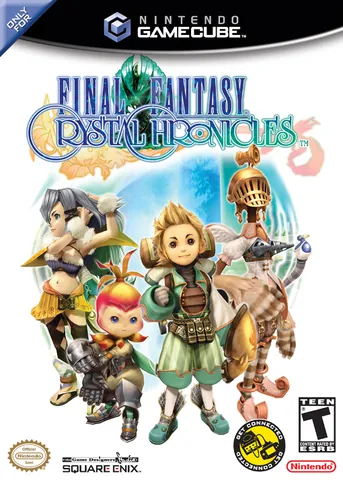
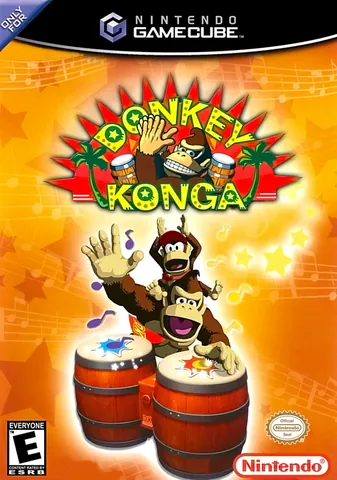
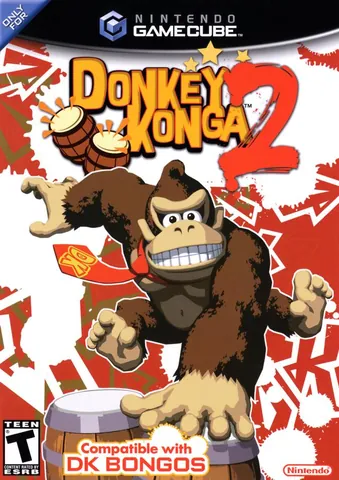
Nintendo also bet on linking with the Game Boy Advance handheld: via a special Link Cable, the GBA functioned as a second screen or an additional controller in games like Final Fantasy Crystal Chronicles or Four Swords Adventures. The Game Boy Player add-on, attached to the bottom of the console, additionally allowed the entire Game Boy, GBC and GBA library to be played directly on the television. There were also exotic peripherals like the bongos for Donkey Konga.
Models and revisions
The GameCube's hardware remained fairly uniform throughout its life. The console came in several colours — besides the iconic purple (Indigo), also in black, silver (Platinum) and in Japan, for instance, in orange (Spice). The most notable revision was the DOL-101 model, which compared to the original DOL-001 omitted the port for the digital AV output (Digital AV Out), thereby ending the possibility of connection via a component cable — which is why these cables and early models are today prized collector's items.
An interesting side note was the Panasonic Q, a Japanese hybrid version combining the GameCube with a full-fledged DVD player in a metal case. It thus responded to one of the main criticisms of the console — the use of proprietary 8 cm miniDVD discs with a capacity of only 1.5 GB, which moreover could not play back DVD films, a noticeable disadvantage compared to the PS2.
Significance and legacy
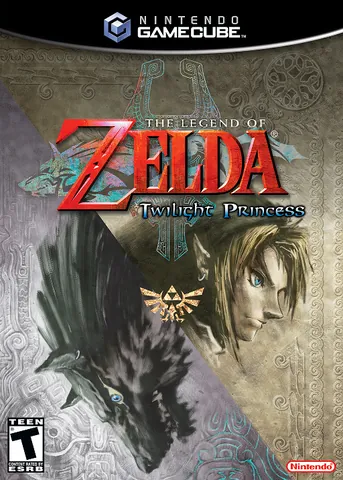
The GameCube never won the sales war, but in hindsight it is one of Nintendo's most highly rated consoles. Production ended in 2007 and the baton was taken up by the immensely successful Wii, which incidentally retained backward compatibility with GameCube games and controllers. The console's legacy lives on not only in remasters (Wind Waker HD, Twilight Princess HD, Metroid Prime Remastered), but also in the community around the Dolphin emulator, which handles GameCube titles superbly in high resolution.
For collectors and retro gamers alike, the purple cube remains a symbol of an era when Nintendo went against the current and bet solely on gameplay. Compact, reliable and packed with jewels — the GameCube is proof that the winner of a generation need not necessarily be the one who sells the most units.
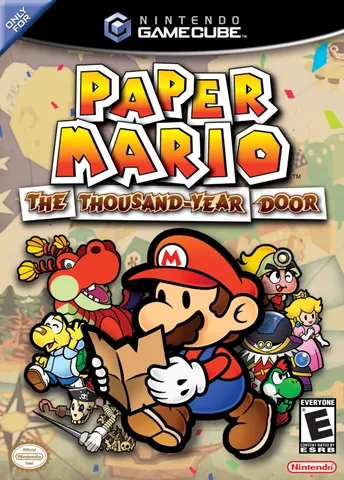
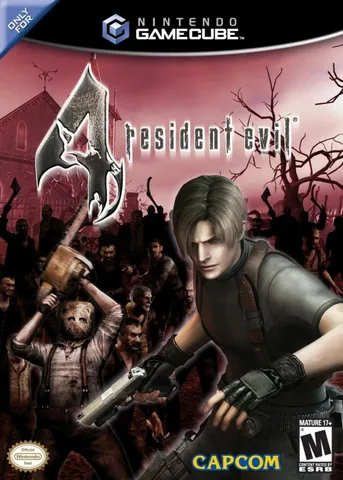
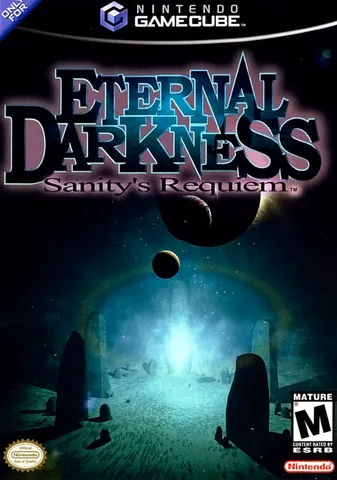
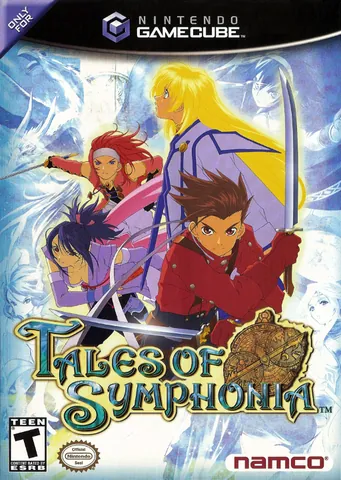
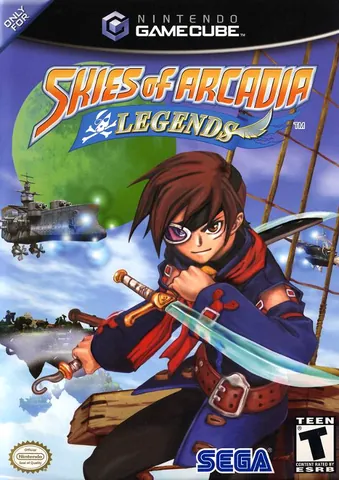
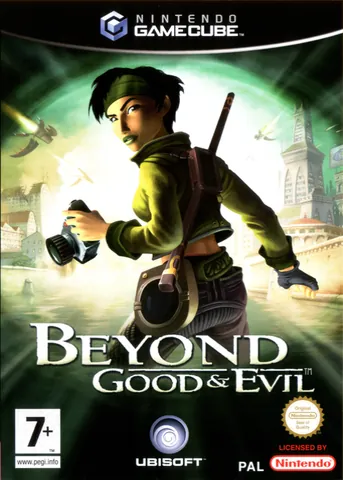
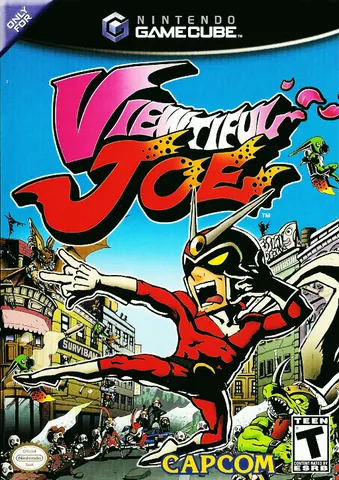
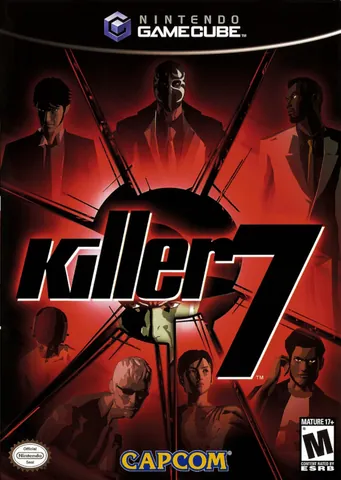
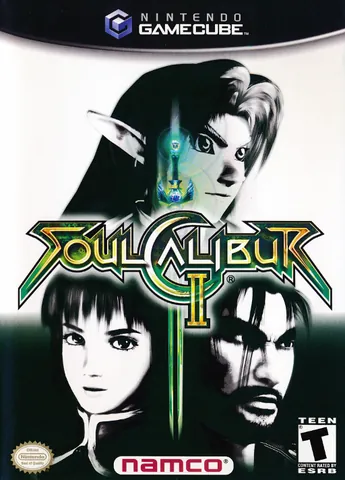
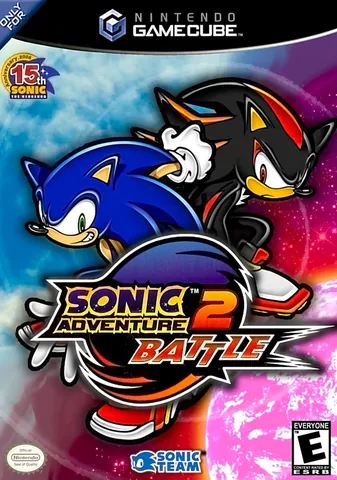
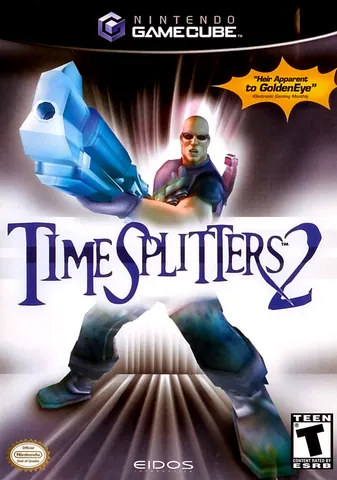
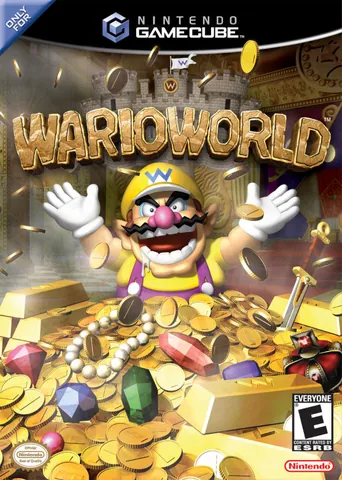
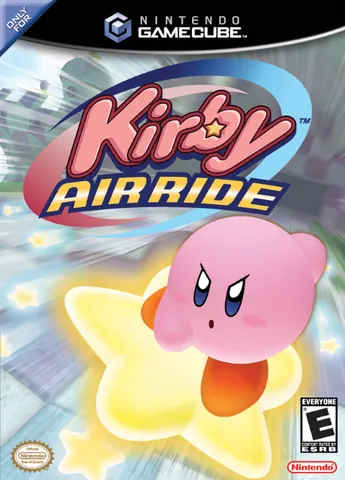
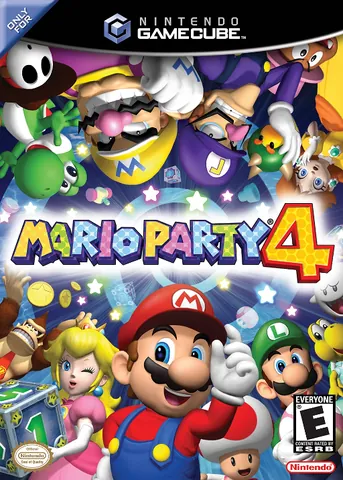
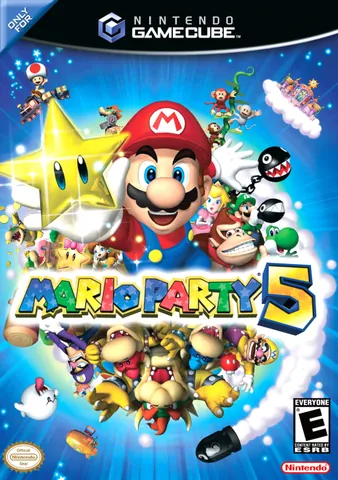
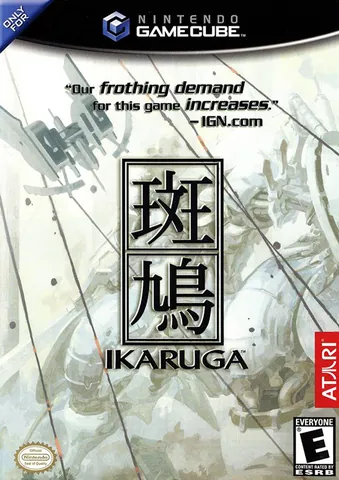
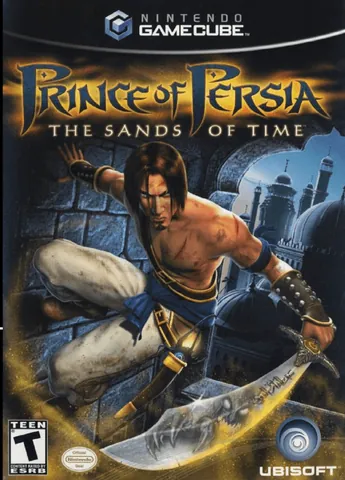
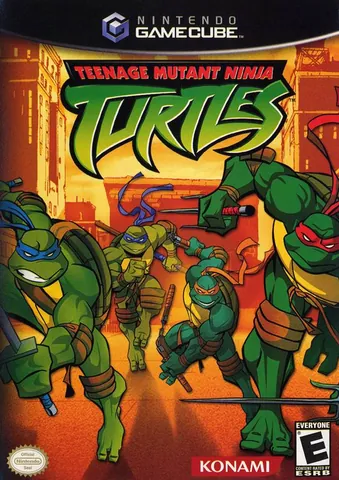
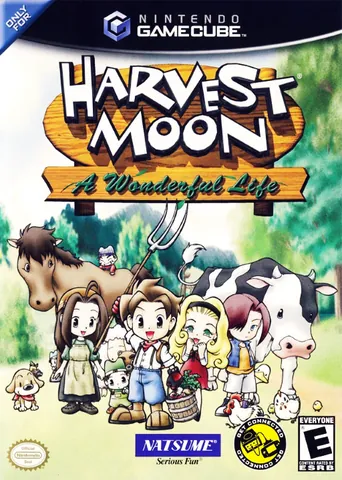
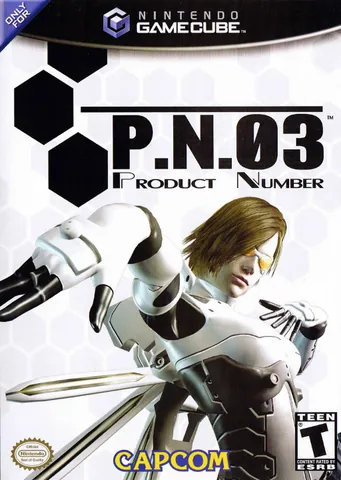
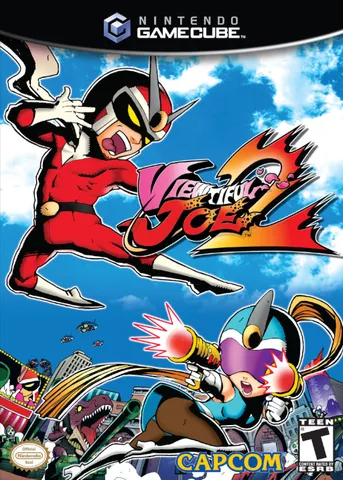
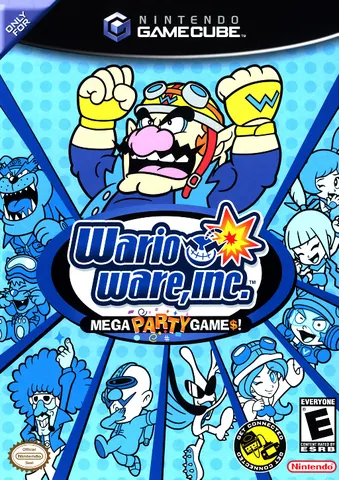
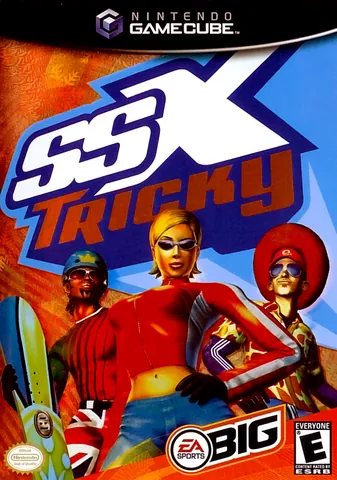
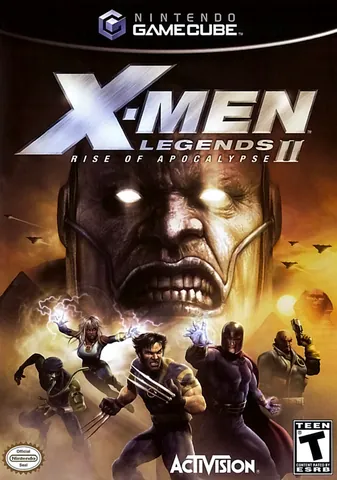
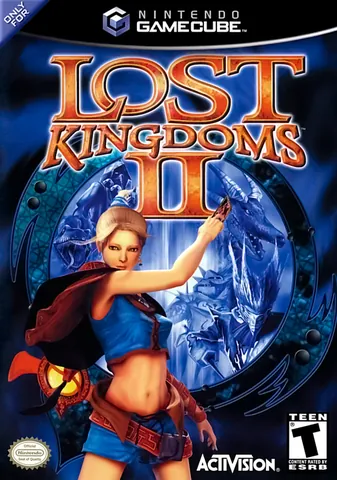
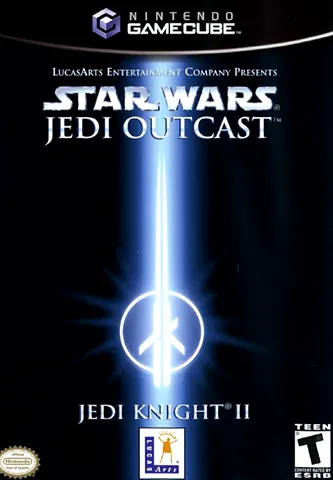
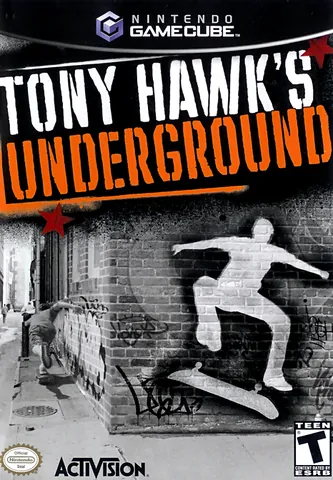
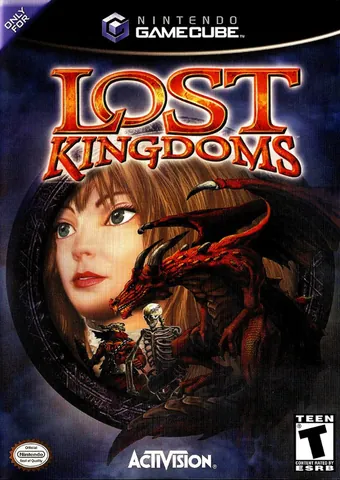
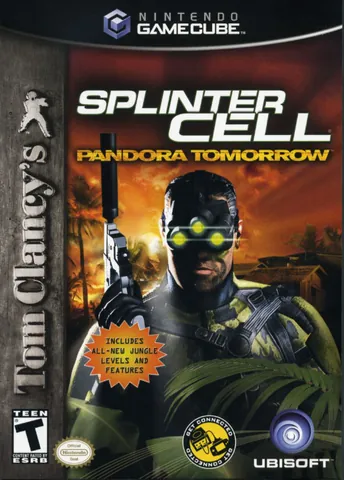
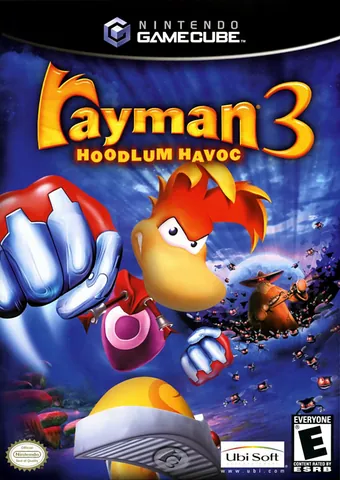
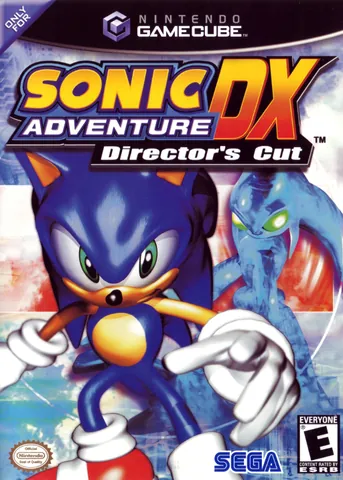
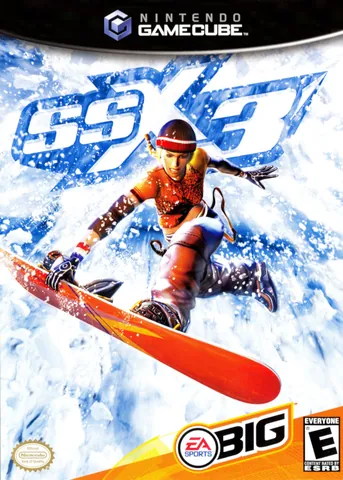
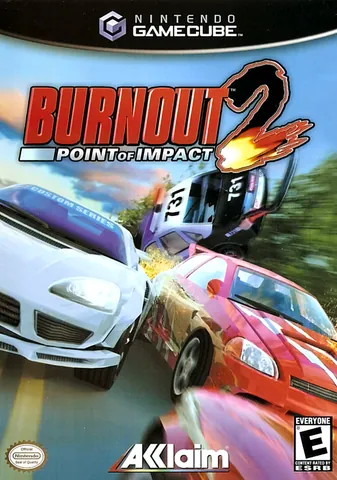
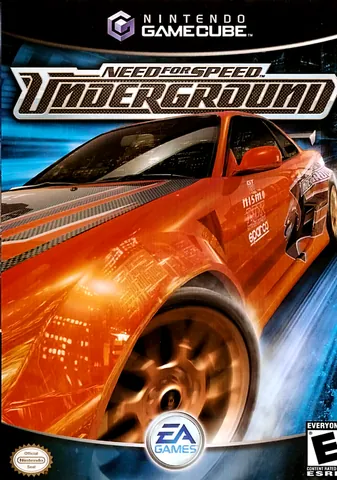
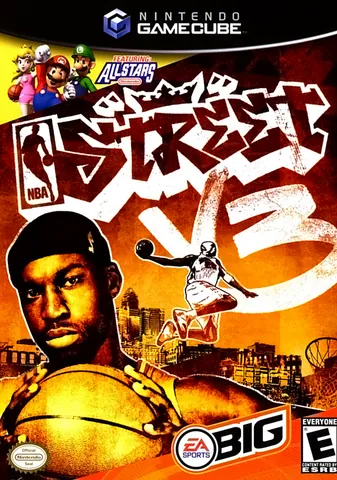
Games on this platform (104)
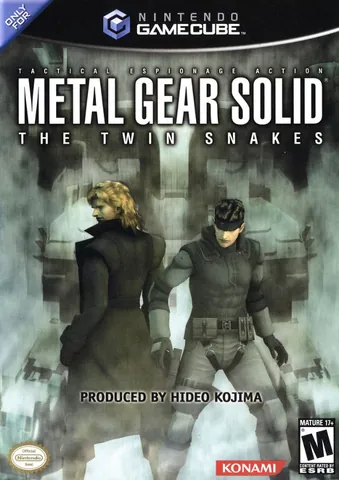
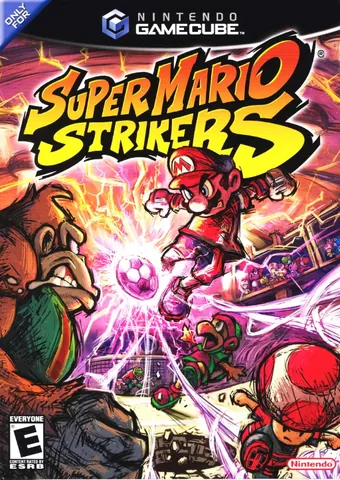
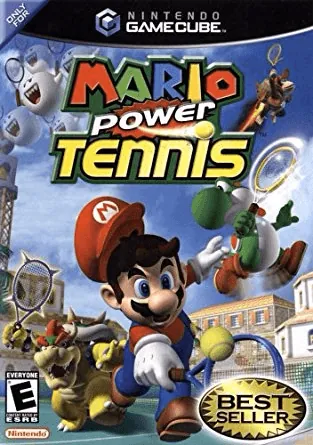
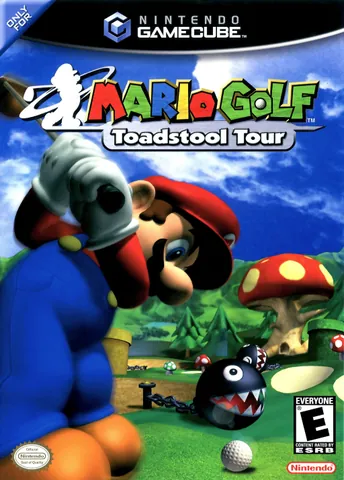
No game in this genre.