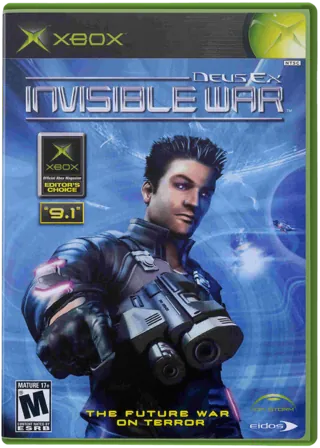
Deus Ex: Invisible War
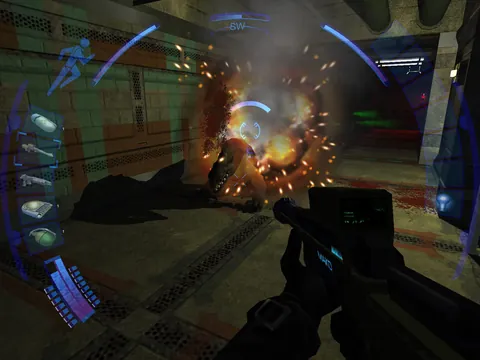
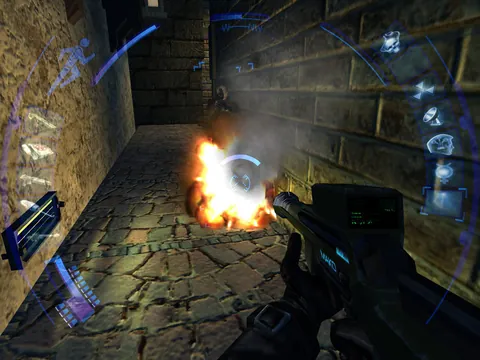
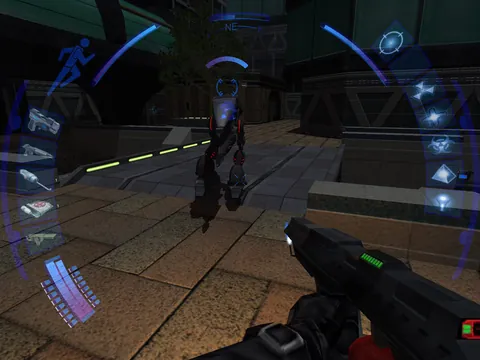
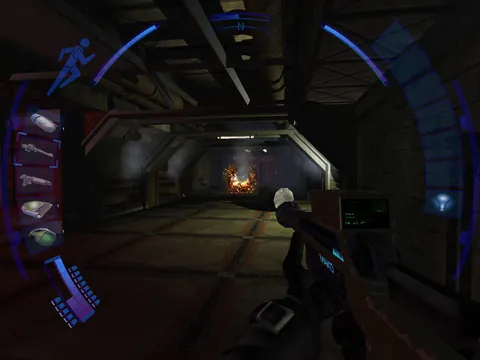
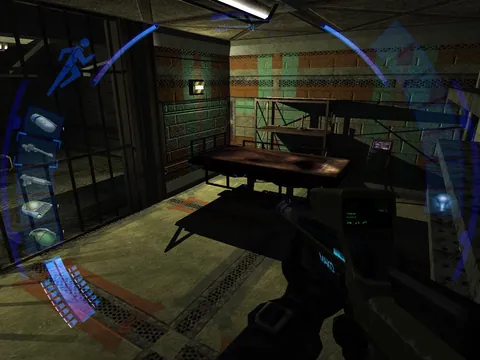
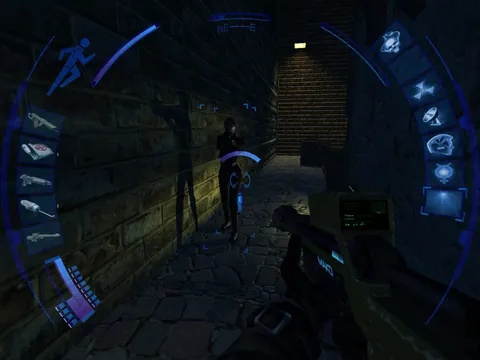
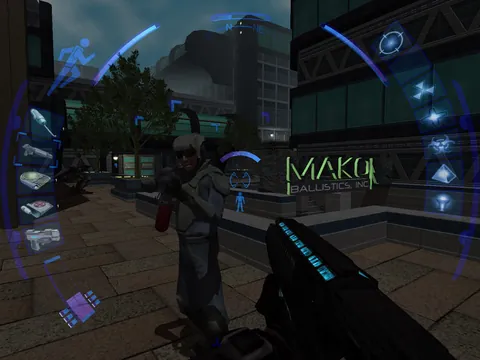
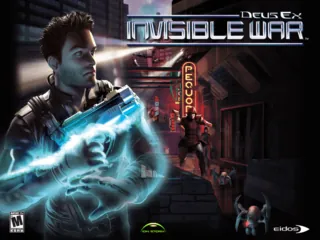
Deus Ex: Invisible War followed up on the cult hybrid RPG-shooter from 2000, releasing simultaneously on PC and Xbox, which required Ion Storm to rework a number of systems so they would work on a console with a gamepad. The story takes place twenty years after the events of the first game, in a world devastated by global collapse, where the player, as agent Alex D, finds himself in the middle of a struggle between factions vying for control over a future for humanity augmented with biomechanical implants. The game combines first-person shooting, stealth, hacking, and dialogue-based decisions, and nearly every task can be completed in multiple ways depending on which faction the player supports and which abilities they develop.
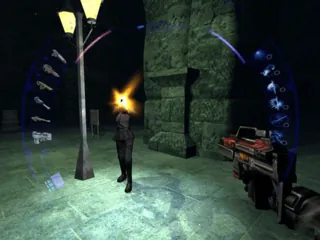
Bio-mods are installed into fixed slots, so the player must choose between invisibility, increased strength, resilience, or the ability to sense enemies through walls, and each choice closes off other paths. Compared to its predecessor, Invisible War simplified some systems, unified ammunition across weapons, and reduced level sizes due to console performance and memory constraints, which drew mixed reactions from fans of the original game who expected the same depth. The engine, however, offered impressively dynamic lighting and physics-based object behavior for its time, letting you experiment with the environment, move crates, block doors, or simply clear an obstacle from your path.
Still, it remains remarkable for its ambition to tie moral dilemmas to gameplay mechanics and to offer an unusually thoughtful alternative to typical action games of the day on Xbox. The cold, steel-gray visual styling of future megacities and the branching dialogue gave the whole thing an atmosphere few other console releases of 2003 offered. Invisible War is now seen as an interesting, if controversial, transitional step between the classic Deus Ex and the series' later entries, one that, despite its compromises, showed that an immersive sim could work on a console. Its gamepad-adapted control scheme, including a contextual action menu, later influenced how similarly complex games approached console controls in the years that followed.
Game 46 of 176 for Microsoft Xbox