Beyond Good & Evil
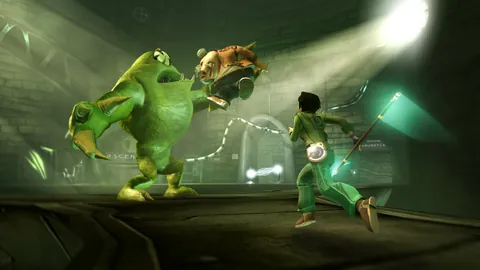
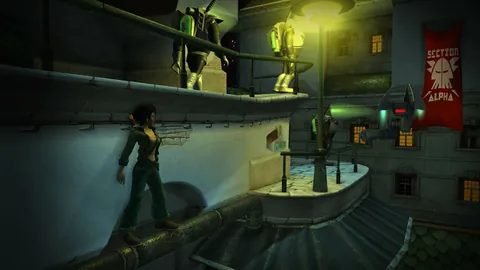
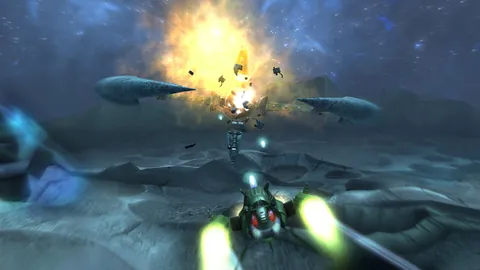
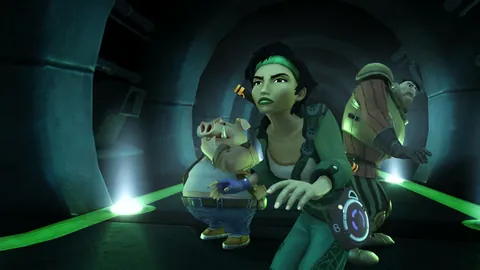
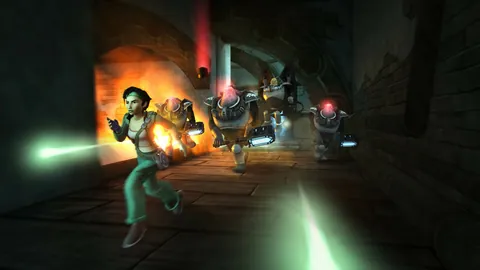
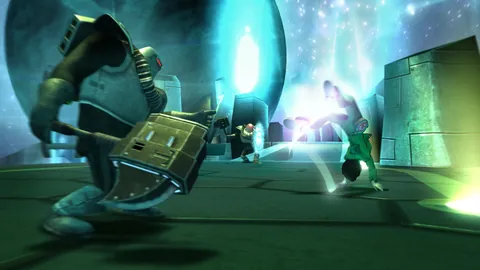
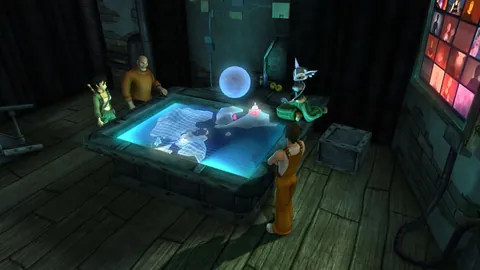
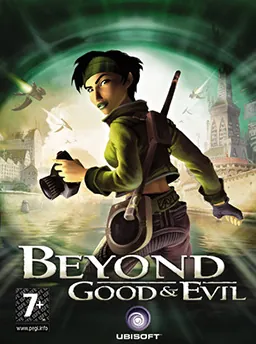
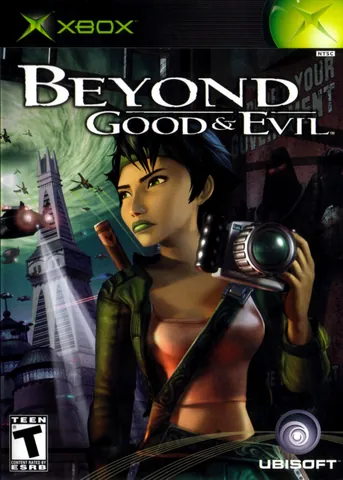
Beyond Good & Evil by French designer Michel Ancel is still cited as an example of a game that was misunderstood in its time and commercially flopped despite being showered with critical praise. The player takes on the role of Jade, a photographer and fighter who runs an orphanage on the planet Hillys while joining the resistance group IRIS, uncovering a conspiracy between the government and the alien DomZ race behind a staged invasion. The gameplay blends more open-world exploration, sneaking past guards, simple but fluid combat with a fighting staff, and hovercraft rides between islands that can gradually be upgraded to open up previously inaccessible parts of the map.
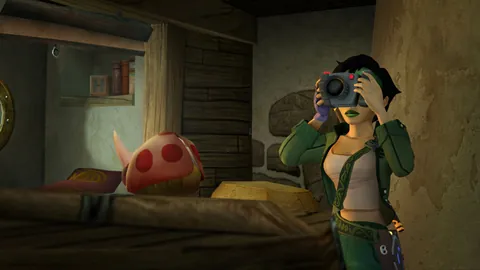
The unique element is photography. Jade is tasked with documenting rare animals as well as incriminating evidence of hidden conspiracies, directly tying the game's mechanics to the theme of investigative journalism and media manipulation. Taking photos earns money and pearls used as currency for upgrades, so curiosity and attention to detail are directly rewarded. The visual style, with bold colors and cartoonish yet emotionally readable characters, set the game apart from the wave of dark action titles of the time, complemented by a varied, at times melancholic soundtrack and an unusually warm relationship between Jade and her uncle Pey'j.
Despite a lukewarm commercial reception, Beyond Good & Evil gradually built a strong cult following that still clamors for the long-promised sequel Beyond Good & Evil 2. The Xbox version was among the technically best-looking and is considered one of the most overlooked gems in the console's library. Jade as a female protagonist free of clichéd sexualization or a side-love-interest role was an exception in the gaming market of 2003 and contributed to the game's reputation as a progressive work in its genre. Even today it plays surprisingly briskly: it is short, tight, and never drags, making it an ideal title for returning to an era when even bigger budgets dared to try wholly original ideas.
Game 45 of 176 for Microsoft Xbox
The same title elsewhere (3)
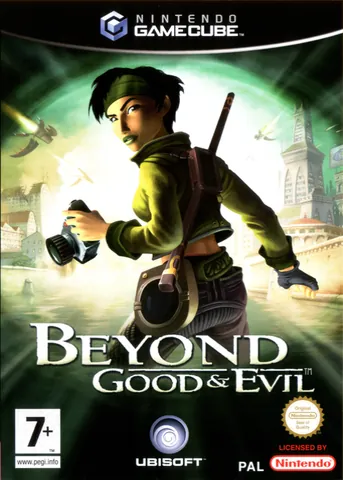
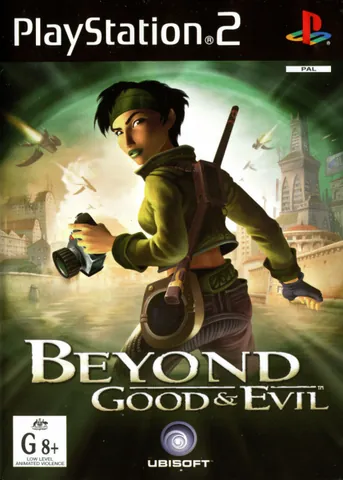
Beyond Good & Evil launched simultaneously on PlayStation 2, GameCube and Xbox, and the story, map and gameplay content stay the same across every version. As with many multiplatform titles of the era, Xbox's more powerful chip and extra memory usually meant slightly sharper textures and smoother frame rates than PlayStation 2 or GameCube, whose versions are in turn very similar to each other. No platform lost gameplay content or levels, despite the game famously flopping commercially at the time. The differences between versions are therefore subtle and technical rather than fundamental, so picking a platform today mostly comes down to what hardware and controller you prefer.