 Commodore · 1982
Computers
Commodore 64
History & context
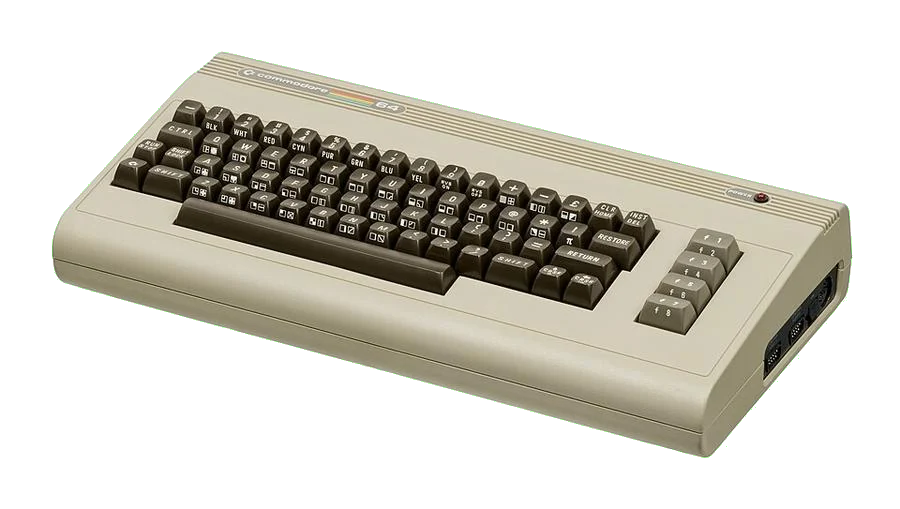
When Commodore introduced the Commodore 64 in August 1982, few suspected that it was launching a machine that would enter the Guinness Book of Records as the best-selling computer model of all time. Estimates vary between 12 and 17 million units sold, and even the lower bound is a figure no other home computer came close to. The secret of its success lay not only in the technology but in the price — Commodore owned the chip maker MOS Technology, and so it could wage an aggressive price war that literally forced competitors like Texas Instruments out of the market. The C64 brought computing and gaming into millions of living rooms and became the uncrowned king of the European gaming scene of the eighties. While consoles ruled in the USA and Japan, in Europe people played on the "sixty-four".
Technology: graphics and sound
At the heart of the computer was the eight-bit MOS 6510 processor (a variant of the famous 6502) running at roughly 1 MHz and 64 kB of RAM, after which the computer was named. The picture was handled by the VIC-II graphics chip, which managed both text and bitmap modes, a palette of 16 colors and hardware support for eight sprites (movable objects) per line. It was precisely the sprites and hardware smooth scrolling that enabled fluid arcade action, for which the ZX Spectrum, for instance, was short of breath. The demoscene moreover discovered a range of tricks to overcome the limits — sprite multiplexing for dozens of objects on screen, or opening up the top and bottom borders of the image.
The real secret weapon, however, was the SID sound chip (officially the MOS 6581, later revised to the 8580). For 1982 it was an incredibly capable music processor with three independent voices, four waveforms (sawtooth, triangle, square/pulse and noise), ADSR envelopes, ring modulation and a programmable analog filter. The SID turned the C64 into a full-fledged musical instrument. Composers like Rob Hubbard, Martin Galway or Chris Hülsbeck (Turrican) coaxed music out of it that remains among the icons of game sound to this day. An entire genre of "SID music" grew up around the chip and lives on to this day.
Connectivity and peripherals
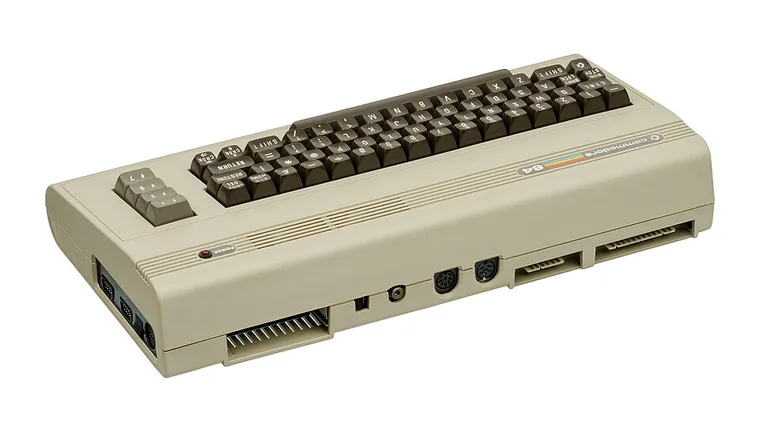
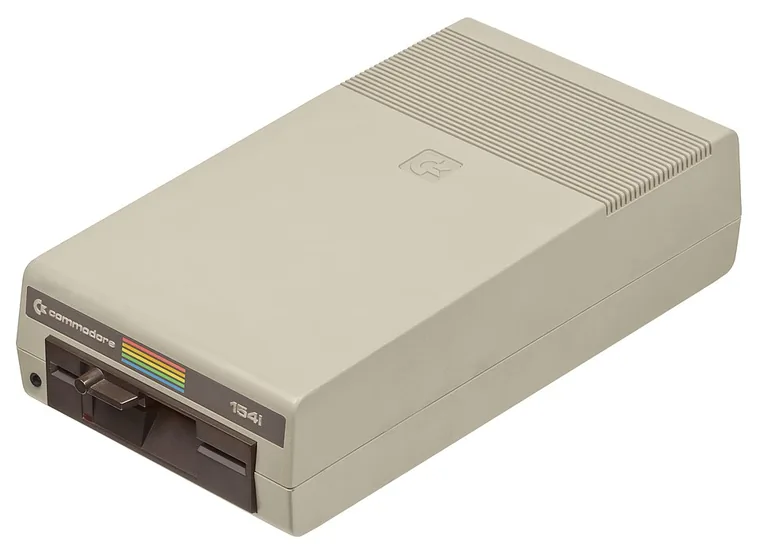
The C64 sat in the middle of a rich ecosystem of accessories. Games were loaded from the Datasette cassette recorder; faster was the 1541 disk drive for 5.25" floppy disks (notorious for its slowness as well as its characteristic clattering, which the demoscene learned to use as a rhythm). The computer had two ports for Atari-standard joysticks, so an ordinary paddle was all it took and multiplayer was ready to go.
Among the other peripherals, mention should be made of the light pen via the joystick port, the single-button mouse and later the 1351 device with a proper mouse for programs like GEOS. Connection to the television was handled by an RF modulator, while a better picture was offered by composite/S-Video output via a DIN connector. For the online world there were modems and services popular in their day; the user port and serial port allowed printers and other hardware to be hooked up.
Models and revisions
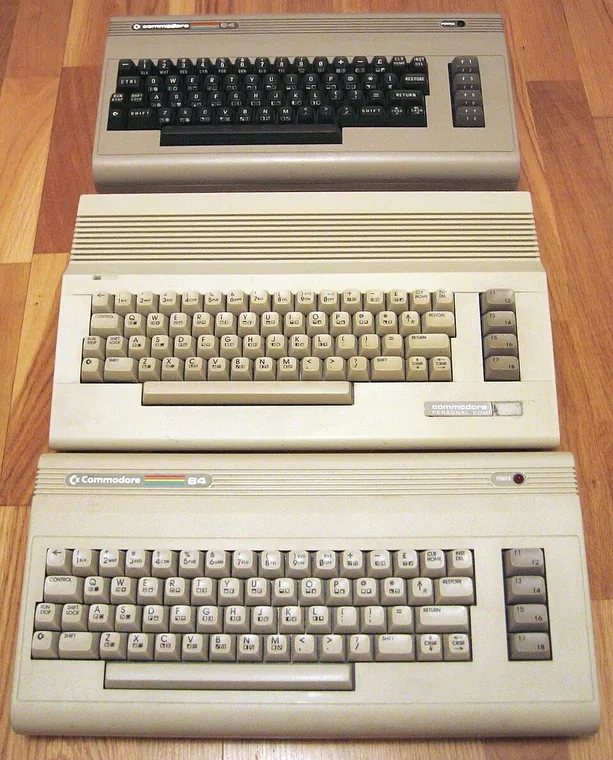
The original "breadbin" with its beige keyboard was replaced in 1986 by the C64C redesign in a flat, lighter form matching the 1541-II drive. Inside, newer revisions of the motherboard and the aforementioned newer 8580 sound chip were gradually added. Commodore also offered a portable variant, the SX-64 — the first color "luggable" computer with a built-in monitor and disk drive. The line was continued by the more powerful Commodore 128, which could also run in a fully compatible C64 mode, so owners did not lose their game library. A more professional offshoot was represented by a business model with expanded memory, which however never caught on as a gaming machine.
Clones and variants
Commodore held the C64 architecture firmly in its own hands (it even owned chip production), so few direct unofficial clones came about — unlike, say, the ZX Spectrum, whose Czechoslovak clone Didaktik was made in Skalica, or the NES with its famiclones and the Polish Pegasus. The C64 thus spread in the Eastern Bloc mainly as gray-imported original units.
Among the later official variants, the C64 Games System (C64GS) game console from 1990 is worth mentioning — a keyboardless computer intended only for cartridges, which however flopped on the market. Present times are recalled by the miniature replica THEC64 Mini and the full-fledged THEC64 with a working keyboard, released by Retro Games Ltd.
Today's scene
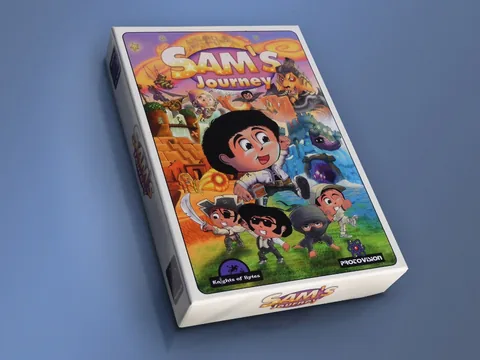
The C64 remains an inexhaustible treasure trove. The benchmark of emulation is the open-source VICE, which runs practically everywhere — on PCs, phones and retro handhelds. The demoscene is inseparably linked with the C64, a community of programmers competing to see who can wring the impossible out of the hardware. This scene arose on the C64 and lives on to this day; its archive, CSDb, is a bottomless well. Modern homebrew that looks like console games is also being released — the flagship is Sam's Journey by Knights of Bytes. For a European, a return to the "sixty-four" is a little bit of a return home.
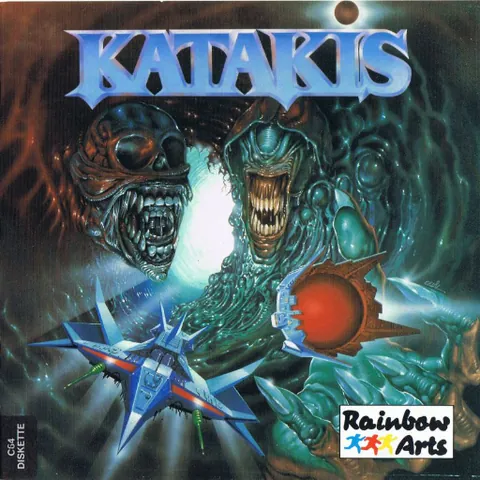
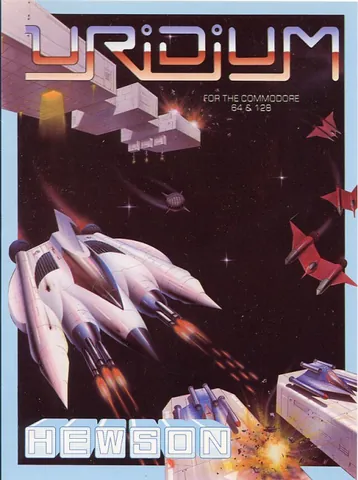
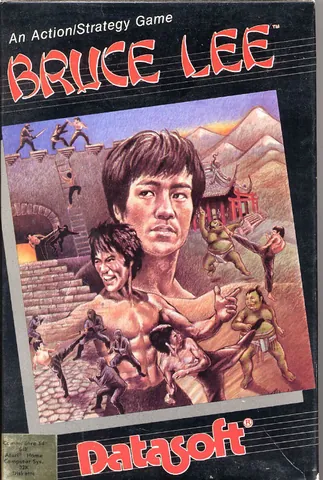
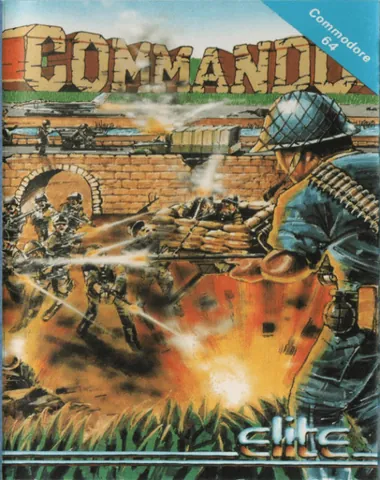
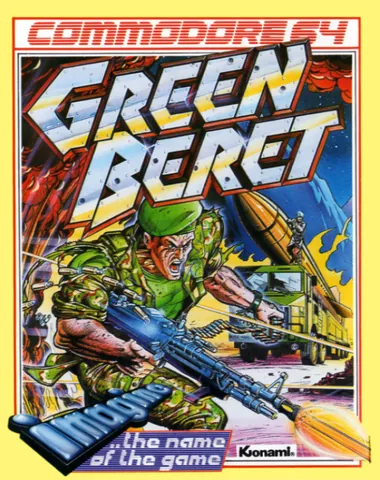
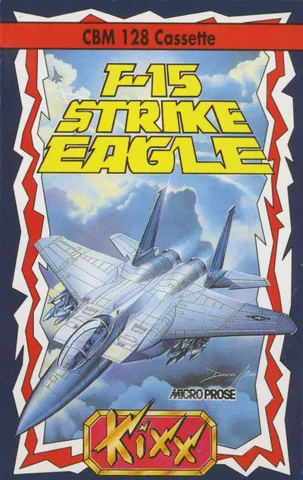
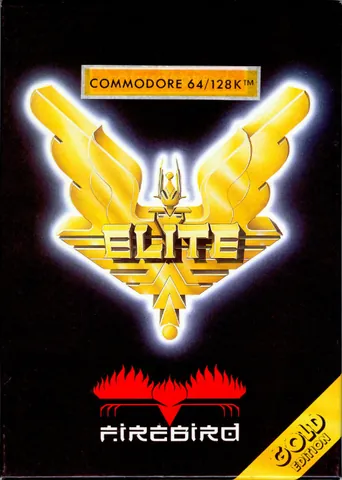
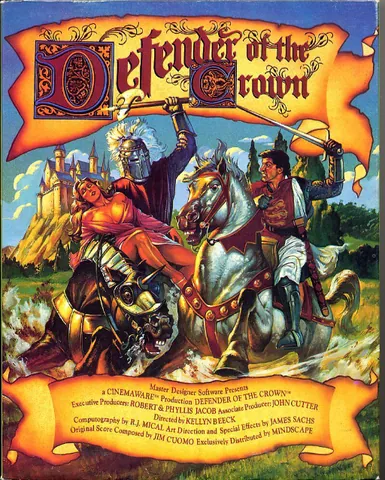
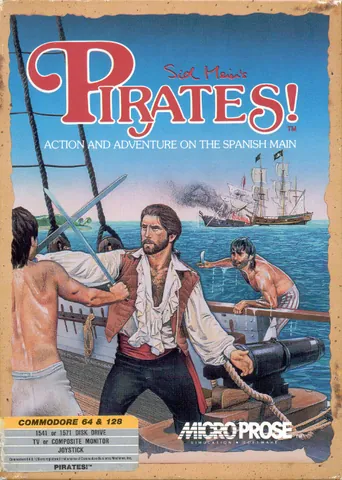
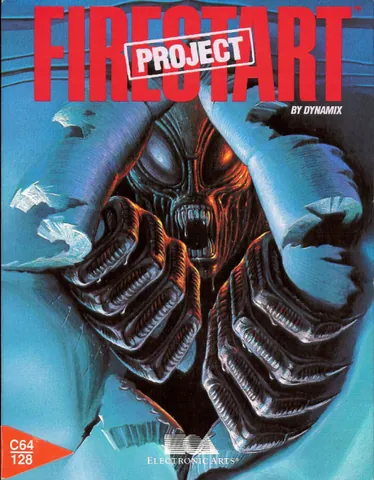
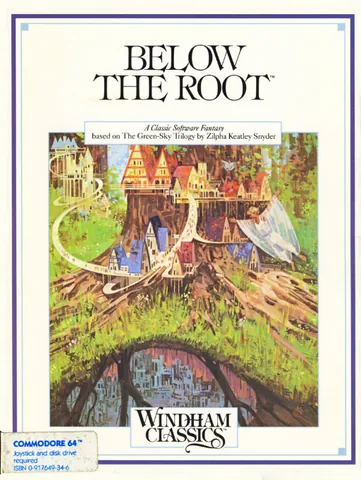
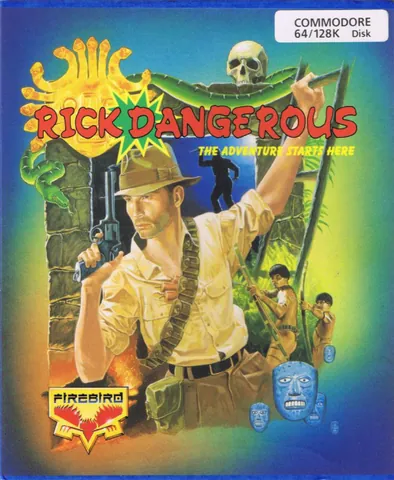
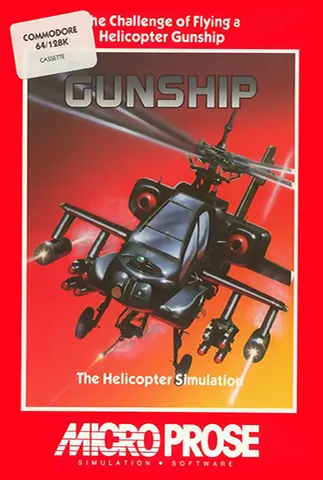
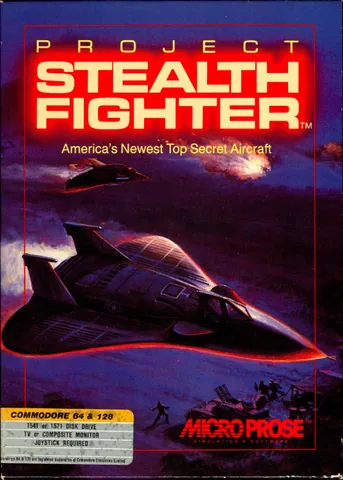
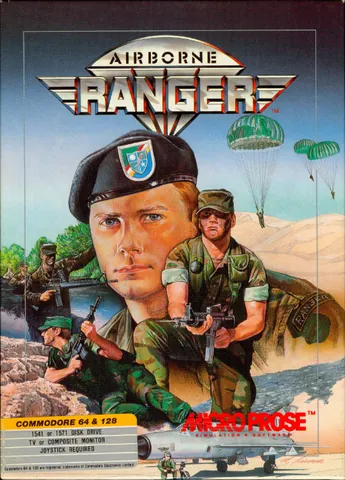
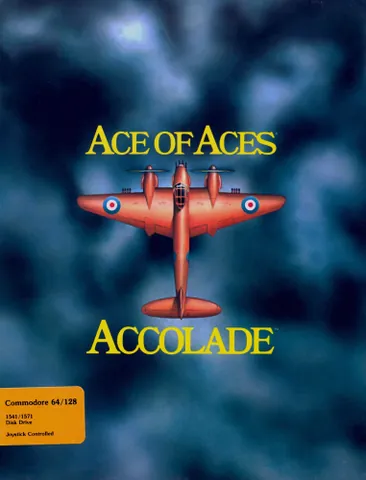
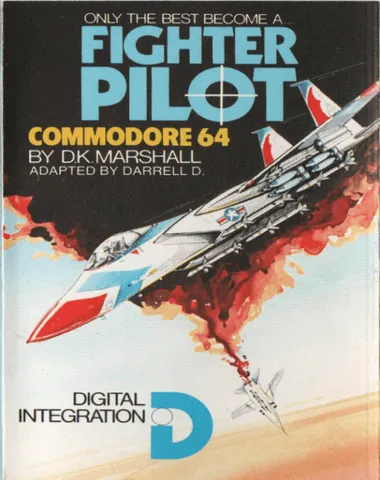
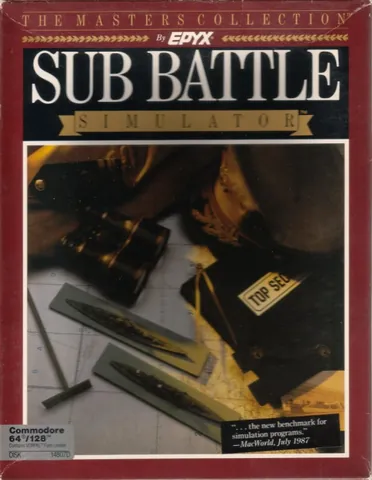
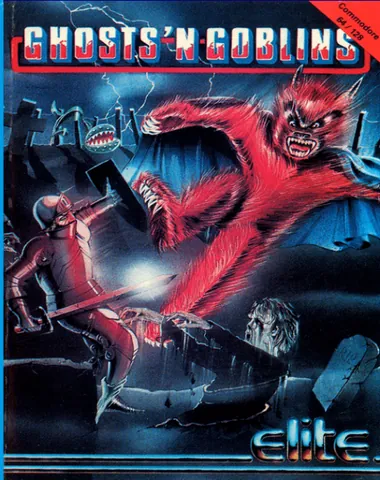
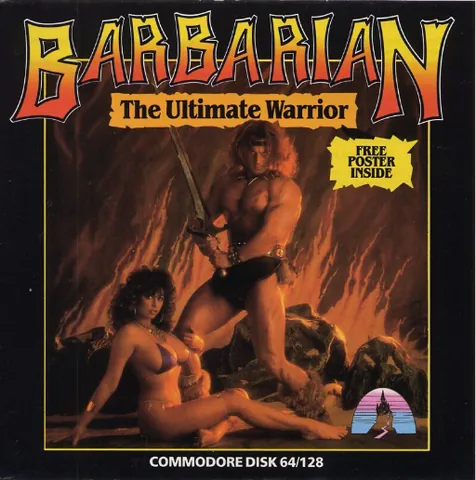
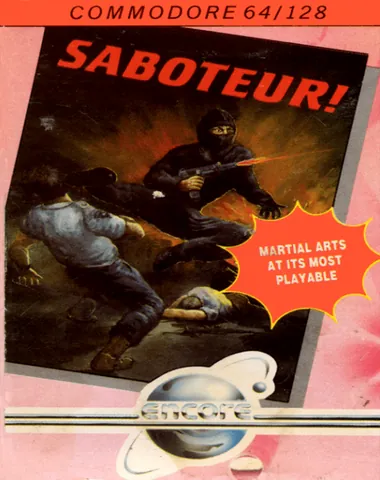
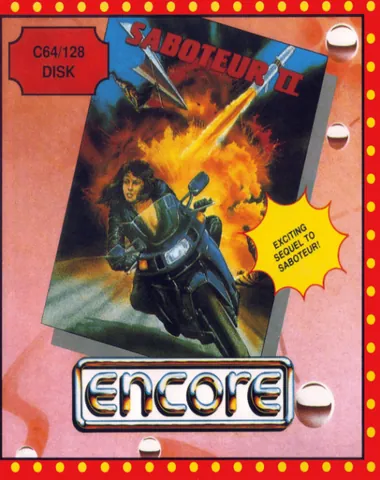
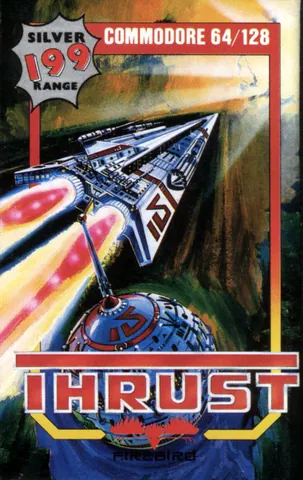
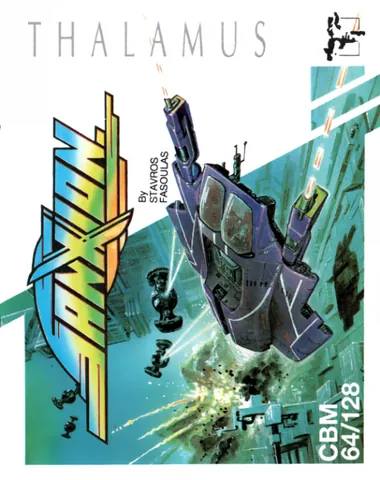
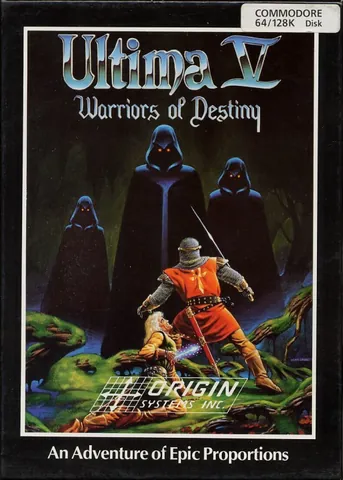
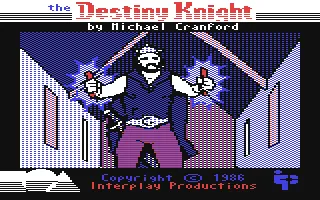
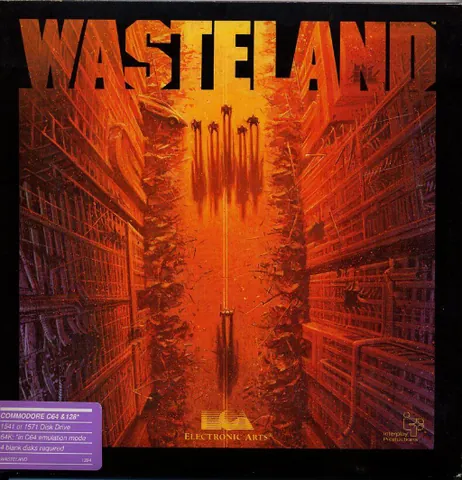
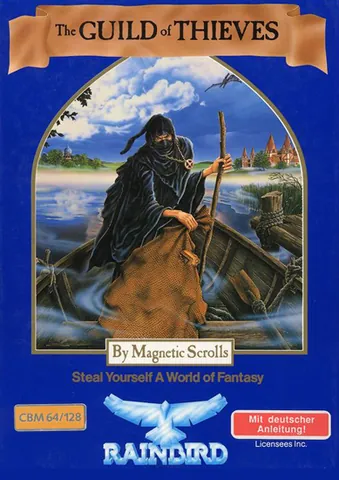
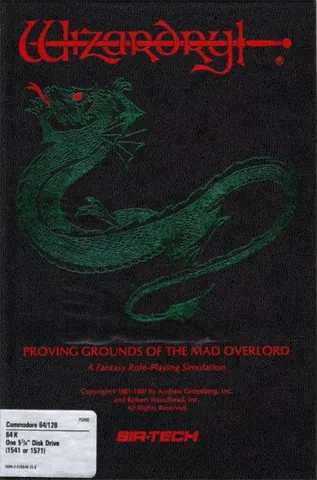
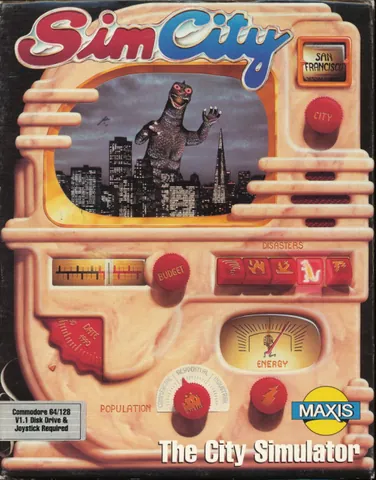
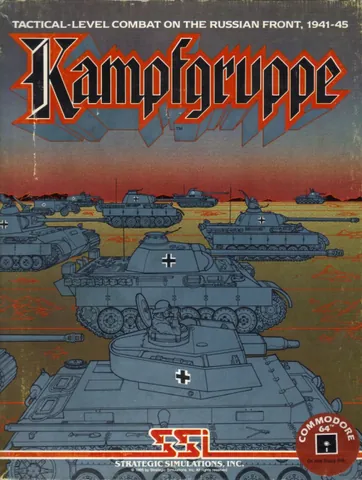
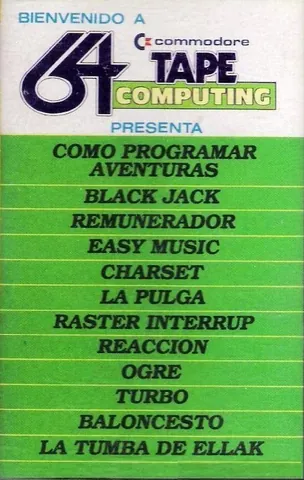
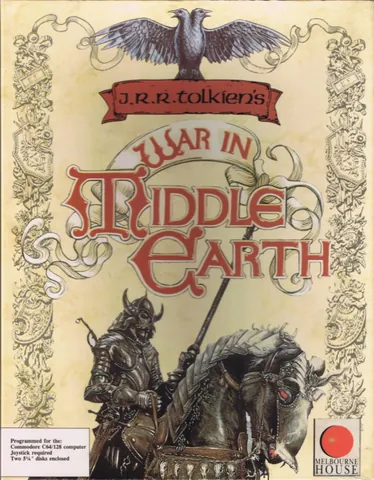
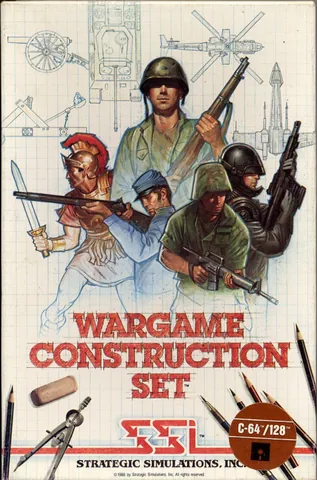
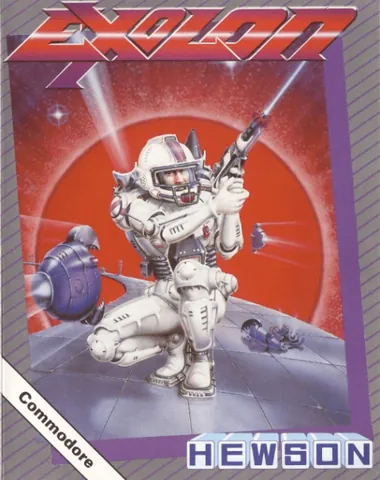
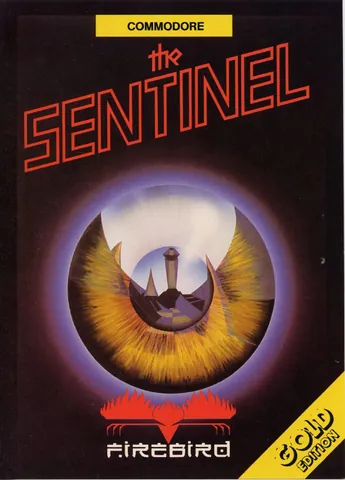
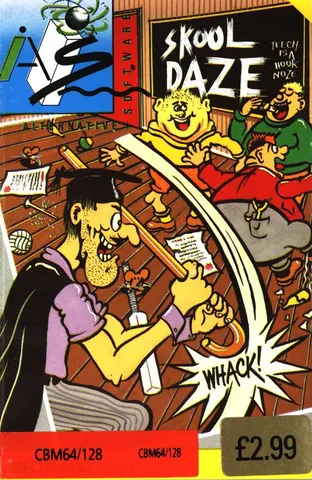
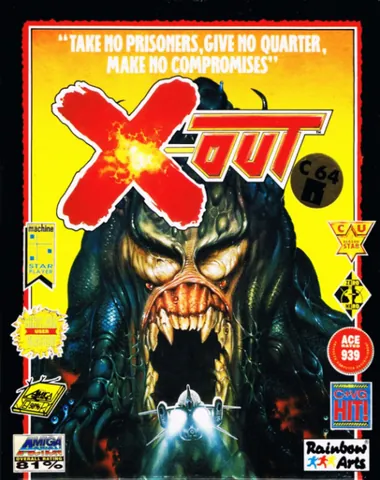
Games on this platform (121)
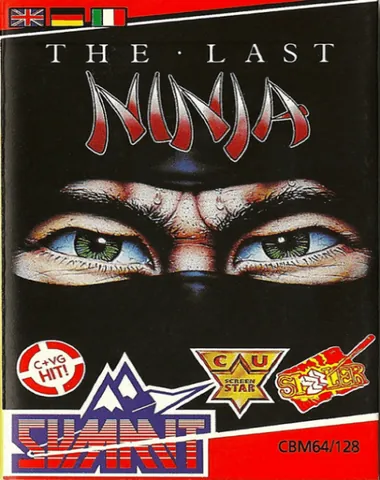
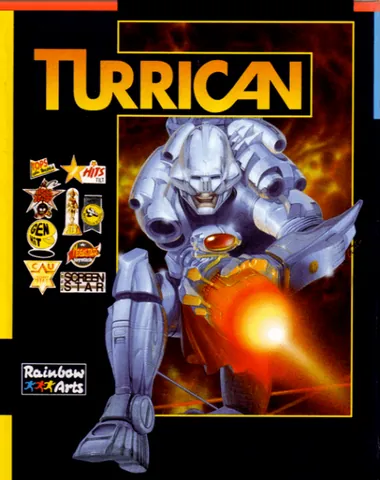
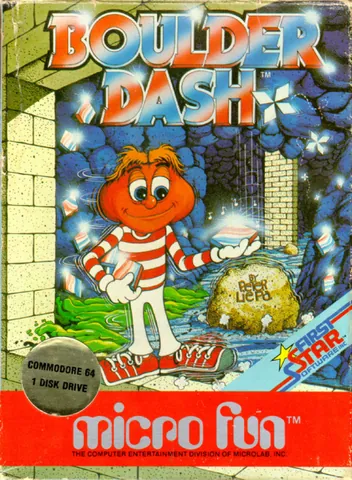
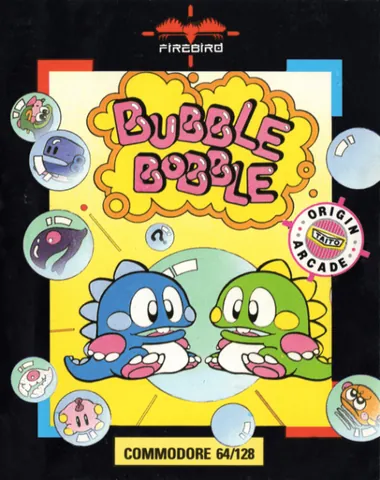
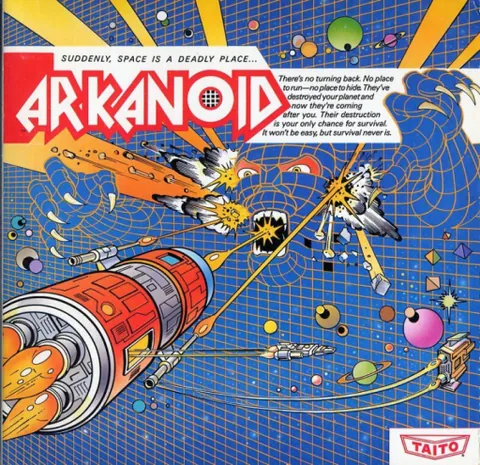
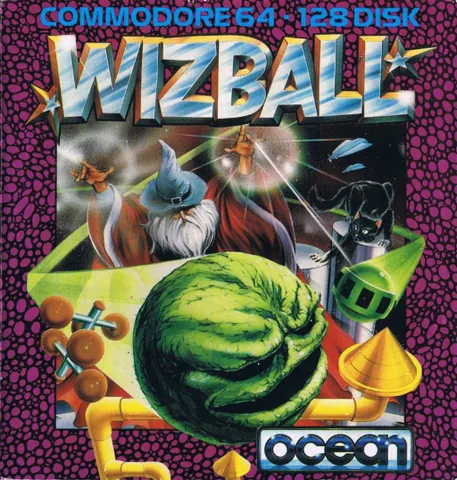
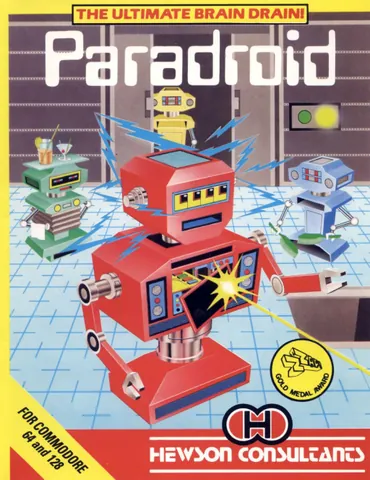
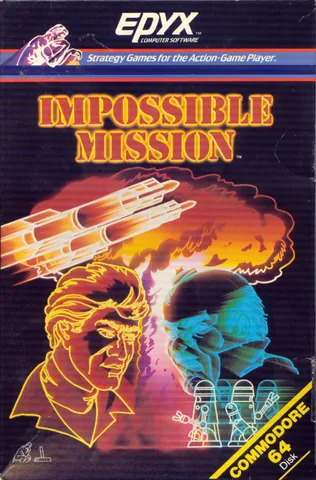





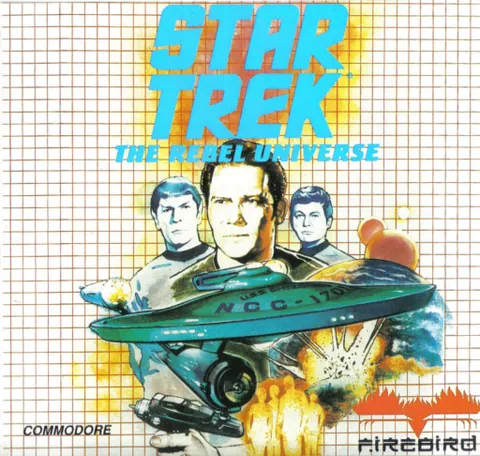
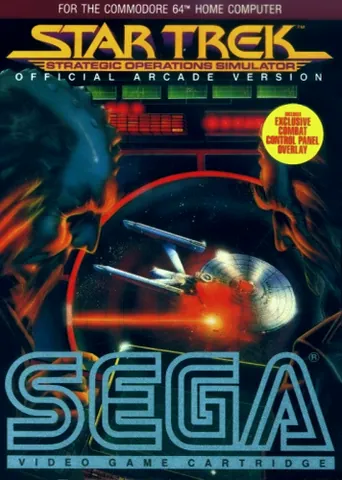
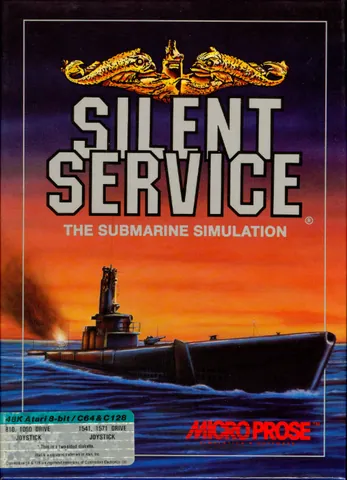
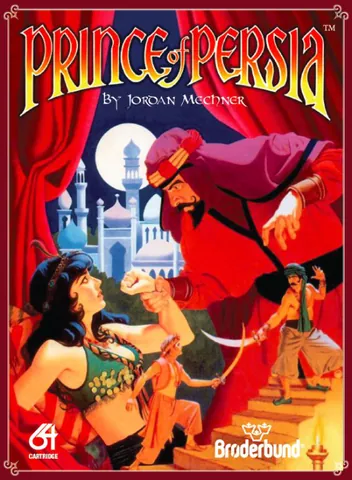








No game in this genre.