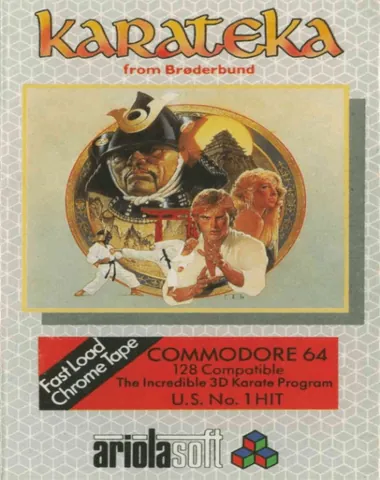
Karateka
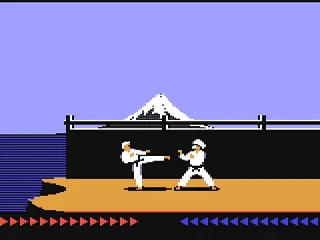
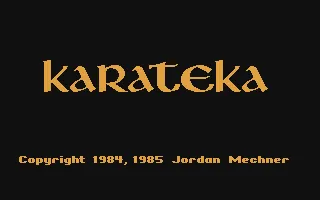
A princess kidnapped by an evil warlord, a hero who must fight his way through his fortress — and every fight looks like a scene from a film. Karateka, created in the mid-eighties by the young Jordan Mechner, brought something never before seen into fighting games: cinematic fluidity of movement.
Mechner used the technique of rotoscoping, in which animation is based on filmed real movement, so your karateka walks, kicks and backs away with a realistic physicality that eight-bit games of the time did not know. The fights are slower and more methodical than in arcade fighters — it is about the correct guard, judging distance and timing a punch or kick against approaching guards. At the same time the game tells a story: you advance through the fortress, interleaving the action with dramatic scenes and heading towards the final encounter.
In the context of the Commodore 64 and other home computers, Karateka was a pioneer of the so-called cinematic school of games. Mechner later took the same path with his more famous work Prince of Persia, which built its entire reputation on rotoscope animation and storytelling. Karateka thus represents an important early step towards games that are not ashamed to be a spectacle as well.
On the Commodore 64 it belonged, together with titles such as International Karate +, to the best that the fighting genre offered — though each from a different barrel: while IK+ bet on briskness and humour, Karateka bet on atmosphere, story and style. The game earned ports to a whole range of platforms and later a modern remastered version.
Even today Karateka captivates with its calm, almost theatrical pace and its emphasis on the fight as a deliberate dance, not frantic button-mashing. It is a piece of gaming history worth getting to know.
Why play: For the pioneering cinematic rotoscope animation and methodical fights from the author of Prince of Persia — a piece of the history of fighting games.
Game 13 of 121 for Commodore 64
The same title elsewhere (2)
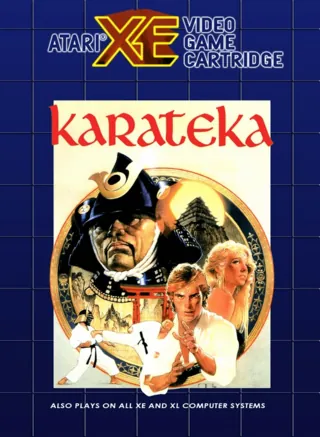
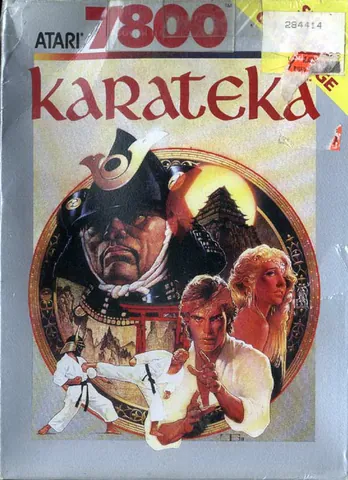
Karateka became famous for its cinematic combat direction and smooth hero animation, which placed heavy demands on the performance and memory of 8-bit machines. The Commodore 64 version is still prized by fans mainly for its dramatic opening theme, which the SID sound chip renders with richer harmony and a fuller sound than the POKEY chip found in Atari's 8-bit computers. The Atari version, in turn, can rely on faster, more direct graphics handling that the system was originally built for, so the duels and the walk through the castle feel just as smooth as on the C64. Both versions keep the same dramatic structure of the game, differing mainly in the character of the sound and small technical details.