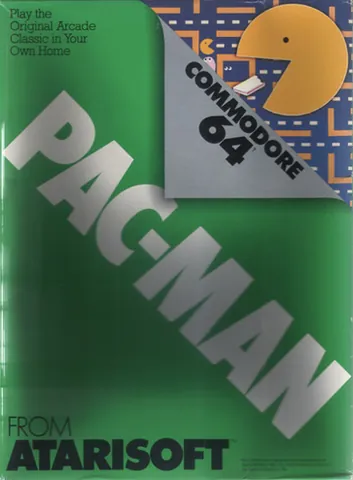
Pac-Man
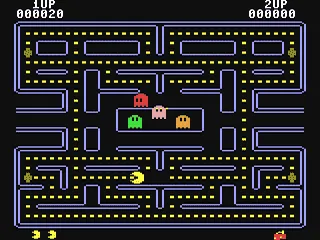
A yellow sphere with an insatiable appetite, four ghosts with their own personalities, and a maze that became an icon of pop culture — Pac-Man is perhaps the most famous video game in history, and on the Commodore 64 an entire generation of home players could play it.
The original was created for the Japanese company Namco by designer Toru Iwatani and arrived in arcades in 1980. Iwatani deliberately designed the game to appeal to female audiences too and to break free from the era's trend of space shooters. The principle was ingeniously simple: eat all the dots in the maze and avoid the quartet of ghosts, whereby after eating a large energizing pellet the roles reversed and the player could chase the ghosts themselves for a while.
Each of the four ghosts — Blinky, Pinky, Inky, and Clyde — had a different behavior pattern, which turned a game that at first glance seemed trivial into a surprisingly deep contest of reading the opponents' movements. Pac-Man became a worldwide phenomenon, gave birth to a mascot, an animated series, musical hits, and an endless number of imitators.
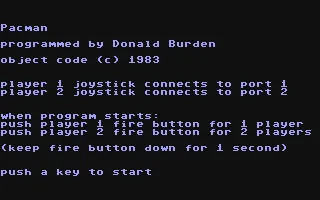
Several versions of Pac-Man and its variants came out on the Commodore 64, since the maze genre was extraordinarily popular on eight-bit machines. The home conversions brought the basic principle into living rooms and gave players the chance to chase the highest score without having to scrounge for coins for the arcade machine.
Pac-Man became a cultural symbol of the eighties and one of the few games recognized even by someone who never held a joystick. Its simplicity and addictiveness remain to this day a textbook example of perfect game design.
Why play: Because Pac-Man is a cornerstone of gaming history — a few seconds in the maze are enough to understand why the world fell in love with this yellow sphere.
Game 50 of 121 for Commodore 64
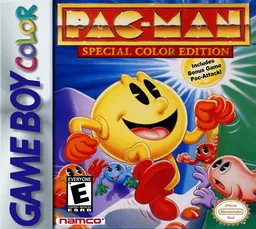
The same title elsewhere (5)
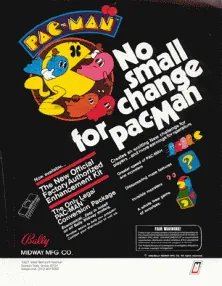
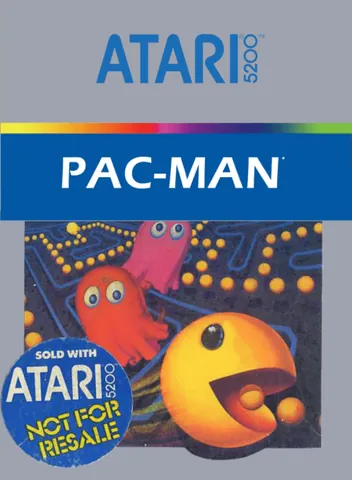
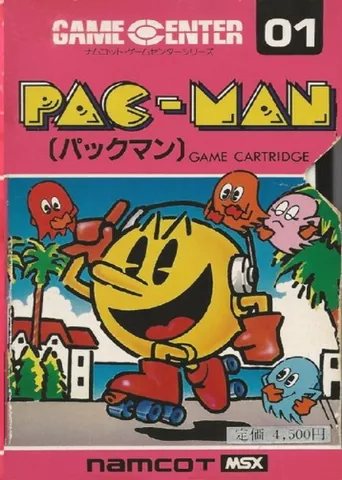
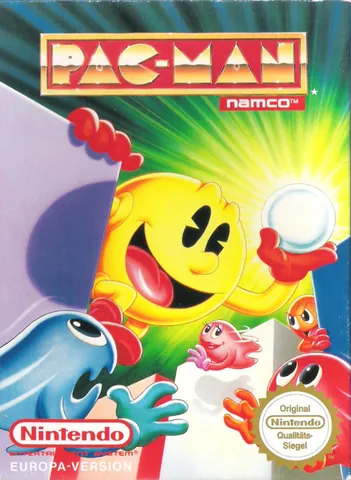
Namco's 1980 arcade original defined the maze genre with bright colors, smooth ghost movement, and its instantly recognizable opening jingle. The Atari 5200 version fared far better than the notoriously poor Atari 2600 port, coming reasonably close in maze layout and color. On the Commodore 64 and MSX, the game came with simpler chiptune music and slightly blockier graphics, but the maze itself stayed intact. Namco's own NES version ranks among the more faithful conversions, with steady pacing and clearly distinct ghosts. Still, no home version fully replaces the feel of the original cabinet.