California Games
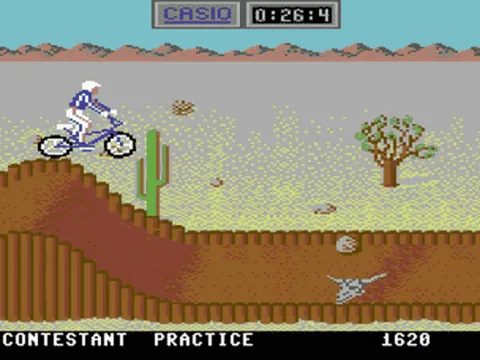
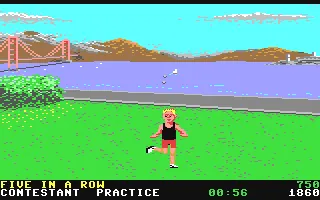
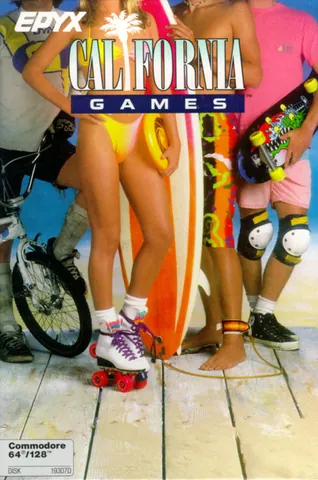
Sun, beach, skateboard and footbag instead of football or athletics — Epyx with its "Games" series bet on unexpected disciplines, and in 1987 it brought it all to a peak in the form of California Games. This game was not about medals and national pride, but about the relaxed summer chill of the Californian lifestyle.
Instead of the classic Olympic disciplines, here you compete in "extreme" and recreational sports: riding a skateboard in a ramp, surfing the waves, BMX, kicking a footbag (hacky sack) and throwing a frisbee. Each discipline has its own controls and rhythm, and typically for the genre of its time it relies on precise timing and reflexes. The charm, however, lies in taking turns at the joystick — California Games was made for parties and battles of multiple players, where friends compete for the best score.
The studio Epyx already had great experience with sports compilations thanks to the Summer Games and Winter Games series. California Games, however, lightened the whole concept and gave it the unmistakable atmosphere of eighties California — colourful graphics, tuned music and an overall sense of carefreeness. That made the game one of the most successful and best-selling sports titles on the Commodore 64.
The popularity of California Games was such that the game spread to a whole range of other platforms from consoles to other home computers and became one of the flagship products of the Epyx brand. For many players it remains a symbol of what laid-back multiplayer fun looked like at the close of the eighties.
Even today California Games works exactly as it did back then: as fast, accessible and competitive fun for which you don't have to learn complicated rules. All you need is a joystick, a friend next to you and the urge to beat them at a skateboard jump.
Why play: For a laid-back summer multiplayer classic that swapped the Olympics for skateboard and surf and defined the eighties Californian style.
Game 11 of 121 for Commodore 64
The same title elsewhere (4)
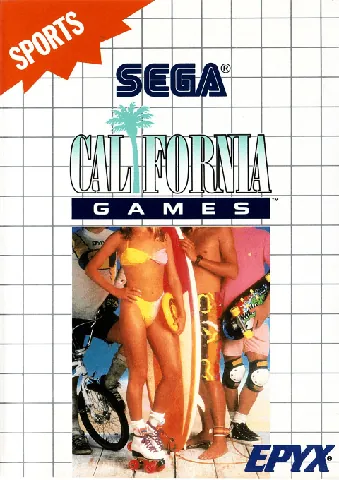
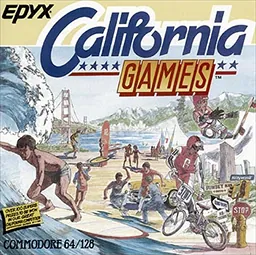
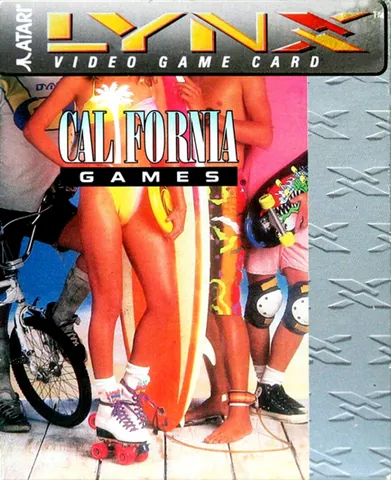
The original was built on the Commodore 64, where it drew on the legendary SID sound chip to deliver the richest, fullest-sounding music of any version. The Atari Lynx portable version, one of its launch titles, ran on a backlit colour screen but had to trim both the number and scope of events compared with the computer original due to limited cartridge memory. The Sega Master System version, meanwhile, had to give up some of the colour depth and animation smoothness offered by the 8-bit home computer, and its sound is noticeably simpler. Anyone wanting the best-sounding version should pick the C64; anyone who prefers gaming on the move will appreciate the Lynx.