R-Type
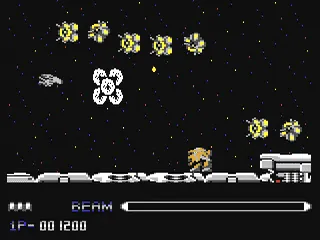
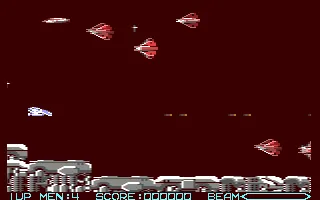
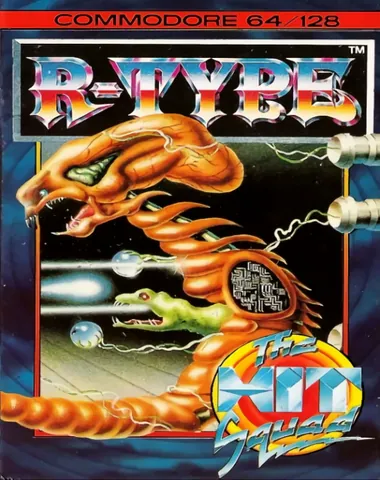
A wall of enemy ships, giant organic bosses resembling a nightmare, and a single press that can change everything — R-Type is one of the hardest and most revered shoot 'em ups ever released, and its conversion to the Commodore 64 was a small miracle.
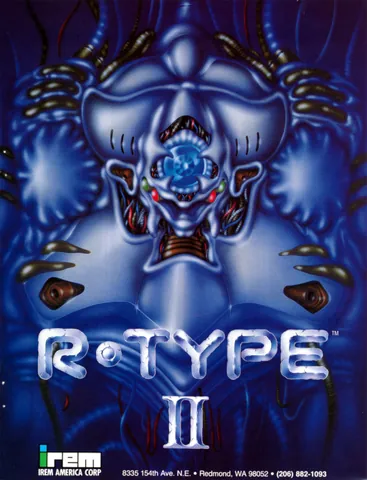
The original cabinet was released by the Japanese company Irem in 1987 and immediately set a new benchmark for the genre of horizontal shoot 'em up games. The key innovation was the so-called Force — a detachable satellite module that could be attached to the ship at the front or the back, served as both a shield and a weapon, and changed the entire tactics of flying through a level. The second iconic element was the beam charge: by holding down fire, the player charged a mighty blast capable of tearing through the enemies' defenses.
R-Type became famous for its uncompromising difficulty and design, in which the player had to learn the layout of each level almost by heart. The biomechanical visuals inspired by the work of H. R. Giger gave the game a dark, unsettling atmosphere, the kind that wasn't a given at the time.
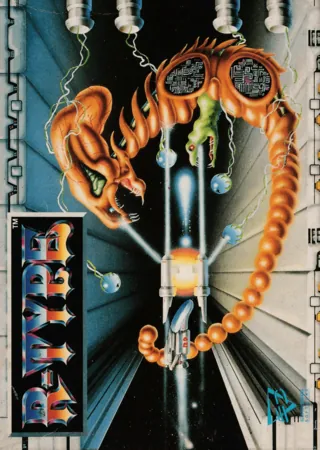
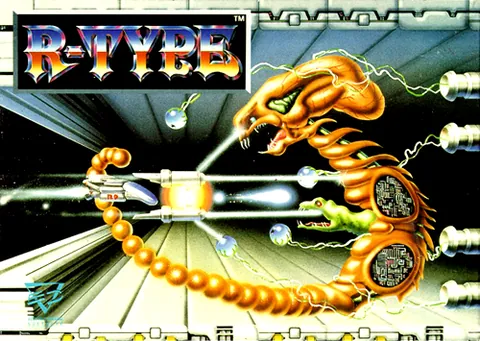
The conversion for home computers was released in Europe by Electric Dreams, and the version for the Commodore 64 had to squeeze the extensive levels and elaborate mechanics into the bounds of an eight-bit machine. Even so, it preserved the essentials — the Force, the charged shot, and that characteristic feeling that every bit of progress is hard-earned.
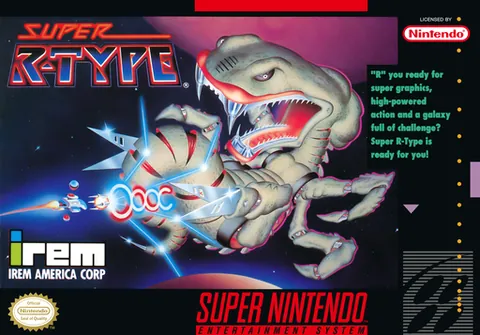
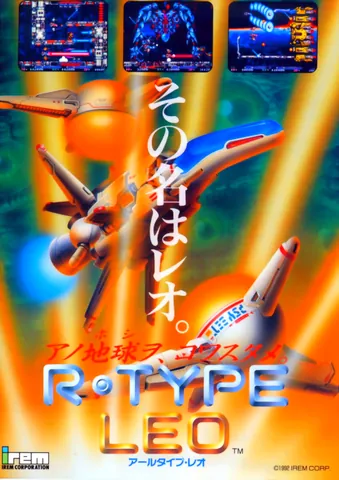
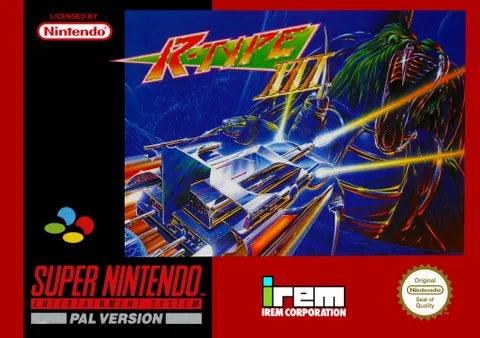
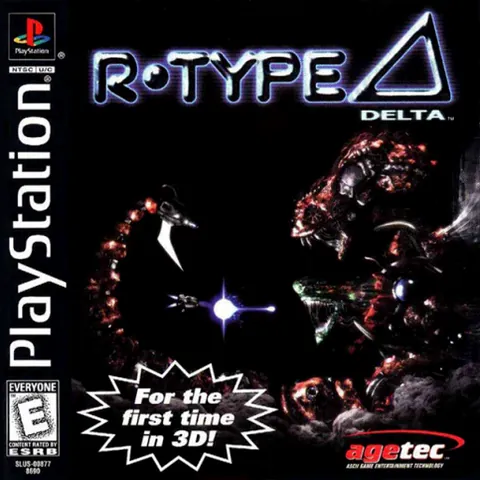
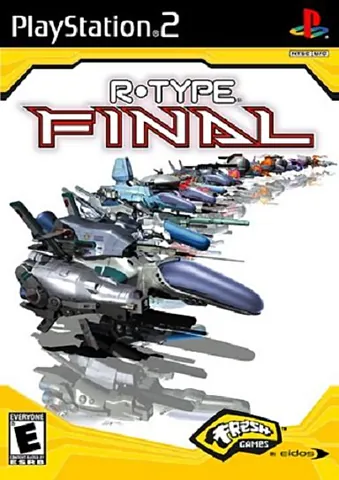
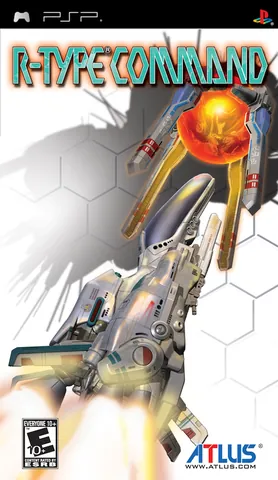
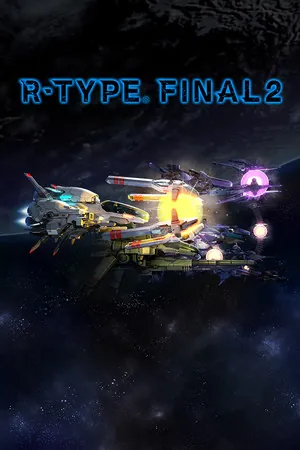
R-Type became one of the longest-living brands of the genre, with a string of sequels across generations of consoles. For many players it remains the benchmark against which all other horizontal shooters are measured.
Why play: If you want to discover the roots of the modern shoot 'em up and test your nerves against one of the most demanding classics of the eight-bit era, R-Type is a must.
Game 48 of 121 for Commodore 64
The same title elsewhere (7)
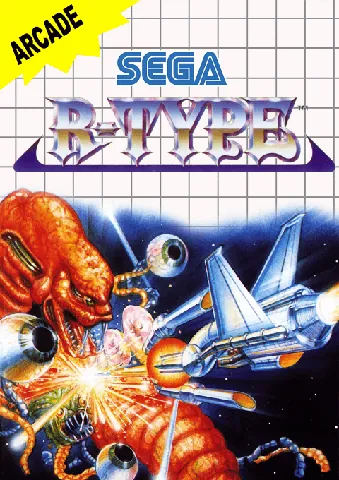
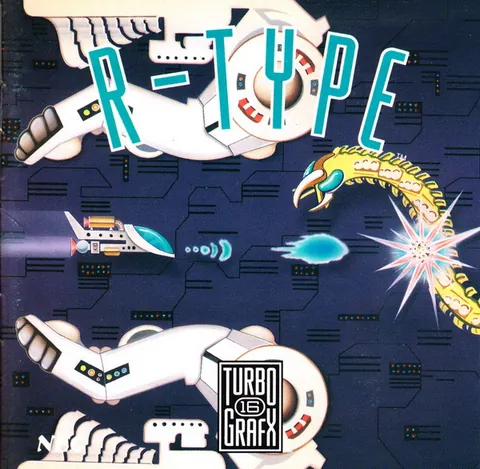
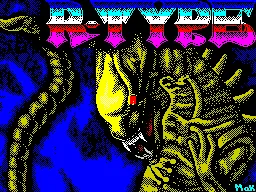
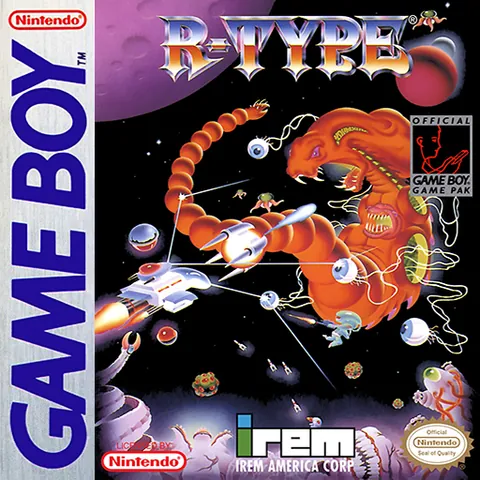
R-Type is a textbook case of a game where Irem's arcade board far outstripped contemporary home conversions, so differences mostly come down to how much graphical density and smoothness each platform could hold onto. Amiga and Atari ST came closest to the arcade experience, with smooth scrolling and faithful colors for the biomechanical enemies. Versions for Commodore 64, ZX Spectrum, and Amstrad CPC had to limit the number of enemies on screen and simplify backgrounds due to weaker hardware, slowing the game down, though the original's punishing difficulty remained intact. The PC Engine conversion was among the technically strongest ports, close to the arcade in color and speed. On Game Boy and SEGA Master System, graphics and pacing had to be noticeably simplified.