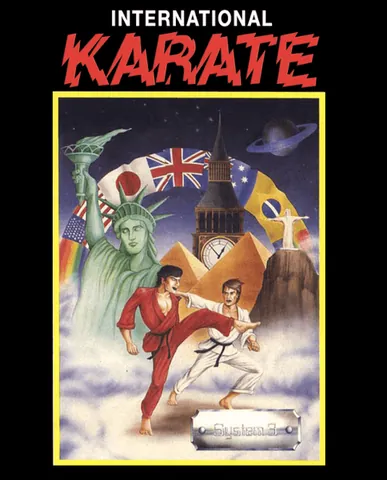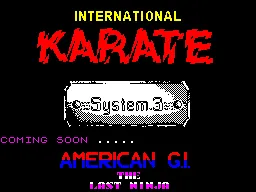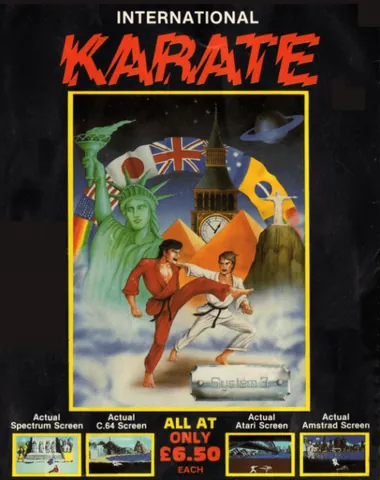
International Karate + (IK+)
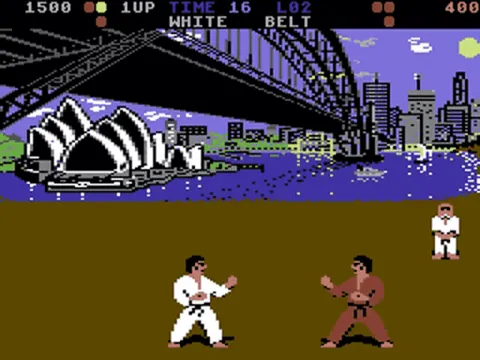
When three karateka stand against each other at once on the screen of a Commodore 64, fluidly animated and accompanied by witty details, it is clear that International Karate + raises the bar for fighting games on eight-bit yet another notch higher. IK+ from 1987 long counted as one of the best fighting games on home computers.
Unlike ordinary one-on-one fights, IK+ adds a third fighter, so you have to watch attacks from two sides at once — which turns the whole fight into a dynamic tactical game of position and timing. Added to the precise, fast fighting system is the typical English humour: between rounds you can, in bonus games, deflect balls or catch falling objects, and the whole thing is accompanied by a number of small gags. Behind the game stands the studio System 3, which made its name with IK+ precisely thanks to this combination of depth and playfulness.
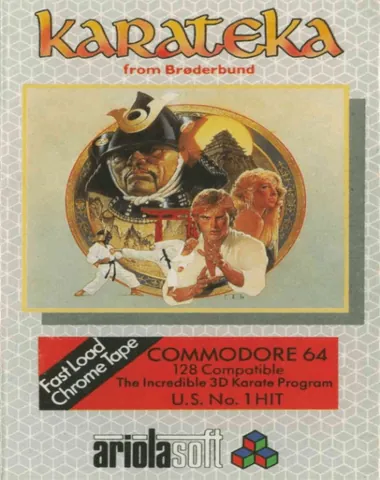
The roots of the series reach back to the title International Karate, which built on the tradition of karate games from the mid-eighties. In theme IK+ ranks alongside another milestone of the genre — Karateka by Jordan Mechner — which brought cinematic rotoscope animation. Together the two games represent the best that the fighting genre offered on the Commodore 64.
IK+ reaped excellent ratings from the press of the day and to this day many retro players rank it among the peaks of the C64 library. The game earned ports to other platforms and its reputation as a fluid, polished and entertaining fighting game has endured for decades.
What makes IK+ so durable is the balance between controllability and depth: the fights are immediately understandable, but real mastery requires a feel for distance and anticipation of both opponents at once. It is a fighting game that even after years entertains with its briskness and wit.
Why play: For one of the best fighting games on the Commodore 64 — a fight of three karateka at once, fluid animation and unmistakable humour.
Game 12 of 121 for Commodore 64
The same title elsewhere (2)
The Commodore 64 version of IK+ is rightly seen as one of the technical high points of the 8-bit era — it managed to animate three fighters on screen at once smoothly, which impressed even seasoned players, aided by a punchy SID-chip soundtrack. The Atari ST, a 16-bit machine, offered sharper graphics, more colors and even smoother motion without slowdown, making the fights feel cleaner and faster. The core fighting system and the timing of hits and kicks stayed the same on both platforms — the difference is mainly visual quality and fluidity. Anyone wanting the game at its period best should pick the Atari ST; anyone valuing the historic 8-bit breakthrough should go for the Commodore 64.