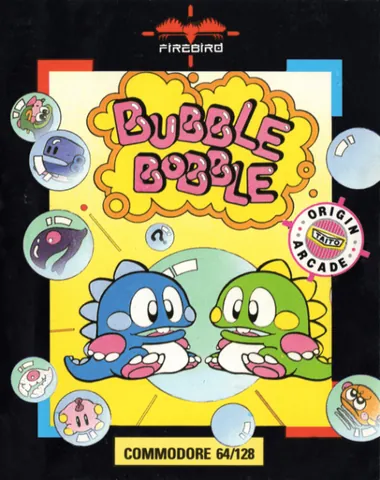
Bubble Bobble
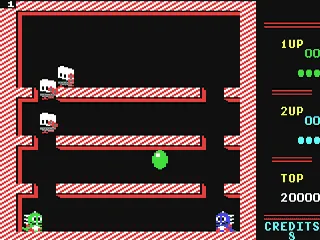
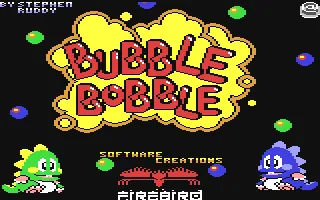
Two adorable little dragons, an endless stream of enemies, and a screen full of bubbles — Bubble Bobble is a joy you'll grasp within the first ten seconds and then play for hours. On the Commodore 64 this arcade classic received one of its best home ports.
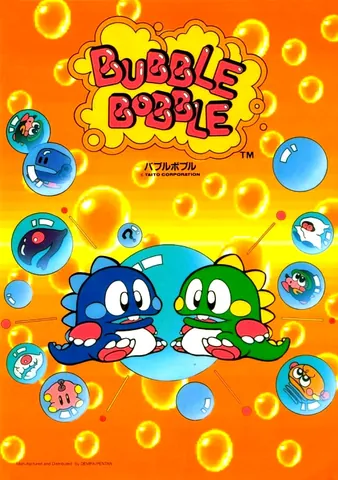
The concept is enchanting: as the dinosaurs Bub and Bob you blow bubbles into which you catch enemies, and then by bursting them you turn them into fruit and bonuses. Each of the levels is a single screen you have to clear — but as the number of floors grows, so do the smarter opponents, power-ups, and secrets. The real magic gets going in cooperation, when two of you play: teamwork, competing for points, and rescuing each other make Bubble Bobble one of the most entertaining shared games of its time.
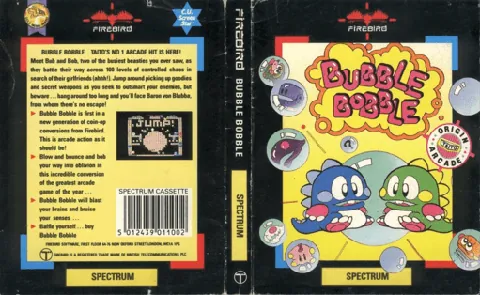
The original arcade machine was created by the Japanese studio Taito and the home versions for 8-bits were released under the Firebird label around 1987. The game contains a hundred levels and a distinctive system of hidden endings that rewards attentive and persistent players. On the Commodore 64 the port is among those that managed to capture the spirit of the original — the briskness, the colorfulness, and the addictiveness — which was far from a given with arcade conversions.
Culturally, Bubble Bobble became one of the most beloved brands of the eighties. Its adorable heroes, catchy music, and endlessly welcoming design made it a symbol of arcade joy that the game industry returns to even today through sequels and remakes. For many players it's a memory of evenings spent at a single screen, two at a time.
Today Bubble Bobble holds up by exactly what it always shone with: instant comprehensibility and infectious fun. It's not a game that wants to be hard for hardness's sake — it's a game that wants you to smile and immediately try again.
Why play: One of the best arcade ports on the C64 and perhaps the most lovable co-op experience of the 8-bit era — grab a friend and clear a hundred floors.
Game 4 of 121 for Commodore 64
The same title elsewhere (8)
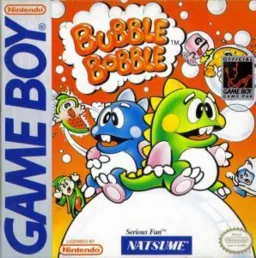
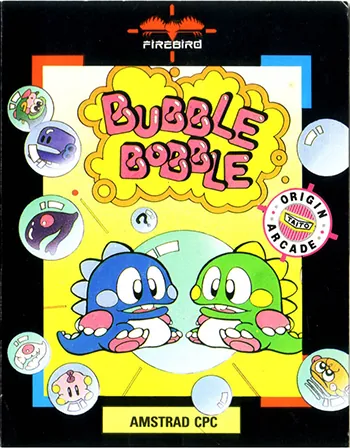
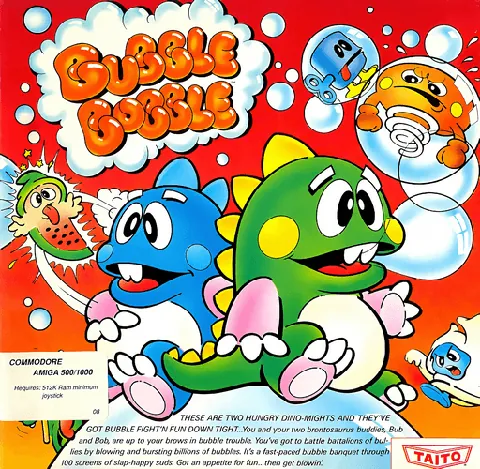
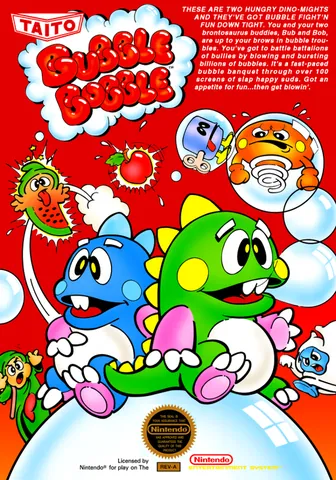
Taito's arcade original defined the game's charm, but home 8-bit versions earned their own reputation. The Commodore 64 version is famous for its music — the SID chip tune remains one of the most praised soundtracks of the 8-bit era. The NES conversion contains all one hundred original levels plus bonus modes and alternate endings, often seen as the most complete home version. ZX Spectrum and Amstrad CPC had to limit color and the smoothness of bubble movement due to weaker hardware, giving a plainer screen than the competition. Amiga and Atari ST offered faithful arcade-style graphics, but given the power of those machines, they're often judged as less ambitious ports than contemporary projects elsewhere. Game Boy reduced everything to a small monochrome screen, yet stayed addictive.