 Sinclair · 1982
Computers
ZX Spectrum
History & context
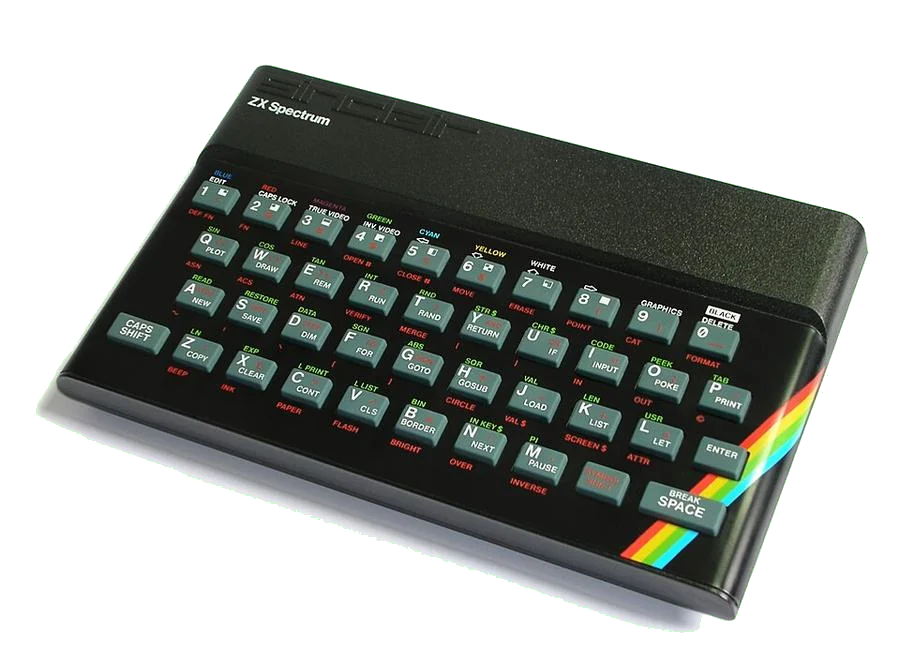
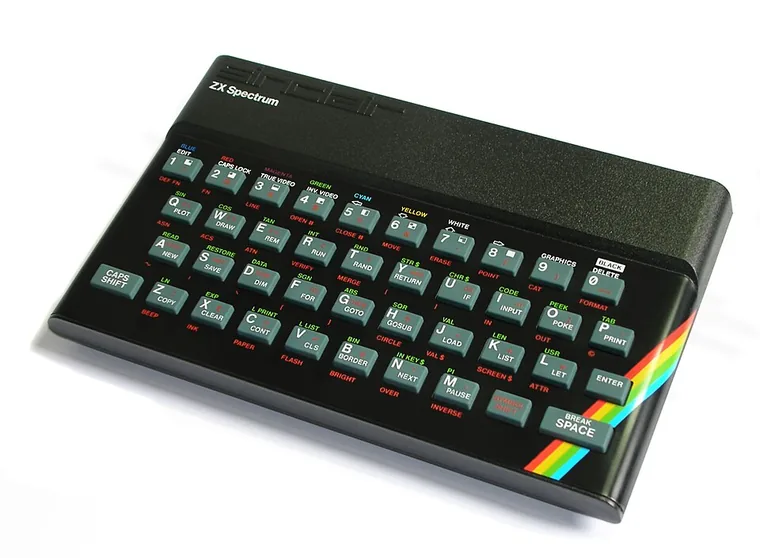
When Sir Clive Sinclair came out with his ZX Spectrum in April 1982, it was not just another home computer — it was a machine that taught an entire British generation to program and play. Where in America the Commodore 64 was king, in Britain and much of Europe it was the Spectrum that ruled. Its secret was the price: Sinclair built the computer on a philosophy of maximum frugality, with a minimum of components, its famous rubber "calculator" keyboard and a mere 16 or 48 kB of memory. It was a people's computer in the most literal sense — and precisely because of that, one of the most inventive gaming scenes of the eighties grew out of it.
The Spectrum was technically modest and had one notoriously infamous quirk that today any insider recognises at first glance. But it was precisely from these limitations that a distinctive visual style was born, one still recognisable more than forty years later.
Technology: graphics and sound
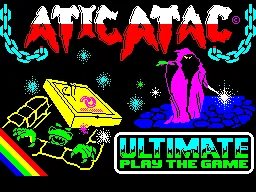
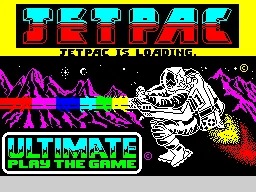
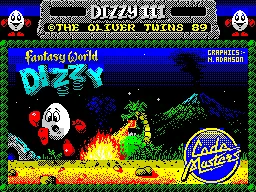
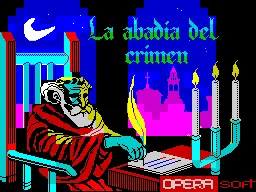
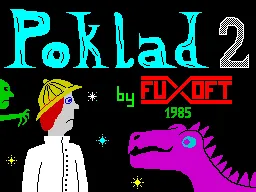
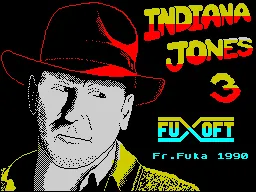
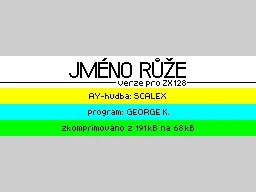
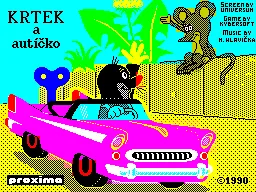
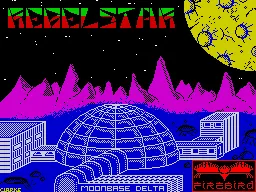
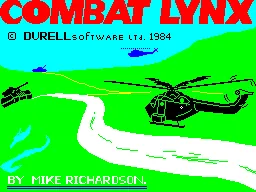
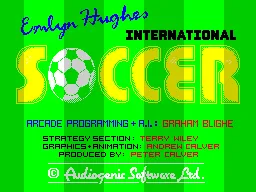
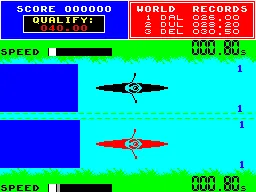
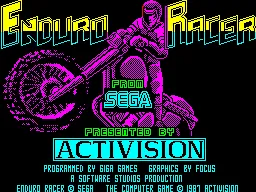
At the heart of the computer was an eight-bit Zilog Z80A processor clocked at 3.5 MHz. The graphics mode offered a resolution of 256 x 192 dots, with a palette of 15 colours (eight basic colours at two brightness levels, where black is the same in both). Here, however, comes that famous Achilles' heel — attribute clash, or colour clash. The Spectrum did not store the colour for each pixel separately, but only for blocks of 8 x 8 dots: each such block could contain only two colours (foreground and background). When an object moved across the background, it often "recoloured" the entire character block it passed through. Developers learned to work around this with clever graphic design, and today this phenomenon is seen as a characteristic trait of the Spectrum aesthetic.
Sound on the original models was even more modest. The Spectrum 48K had only a single "beeper" — a one-bit speaker controlled directly by the processor. Even so, skilful programmers like Tim Follin managed to conjure multi-voice melodies from this single channel that sound incredible. The real musical leap came only with the 128K model, which added the General Instrument AY-3-8912 sound chip with three channels and a noise generator.
Connectivity and peripherals
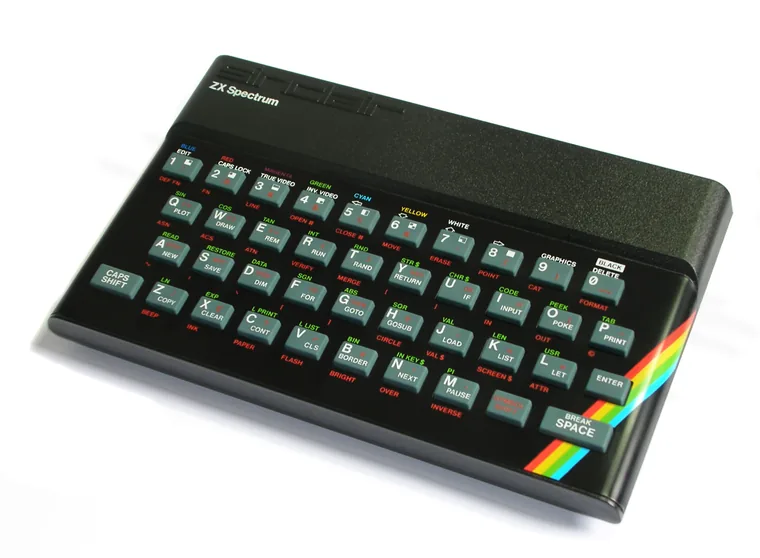
Sinclair stayed true to frugality in connectivity too. The Spectrum used an ordinary cassette recorder for storing data (the EAR/MIC interface), which meant long minutes of loading accompanied by the characteristic screeching. The picture was output via an RF modulator to the television's antenna.
For expansion there was the rear edge connector, to which a range of peripherals was attached. The most significant were the ZX Interface 1 with Microdrive micro-tape units (loop tape cartridges as a faster replacement for the tape recorder) and the ZX Interface 2, which added two joystick ports and a slot for a ROM cartridge. Joysticks were connected via the Kempston and Sinclair standards. The ZX Printer print unit was popular too.
Models and revisions
The line went through significant evolution over the years. The initial ZX Spectrum 16K/48K (1982) became famous for its rubber keyboard. In 1984 came the Spectrum+ with a better, plastic keyboard in a new case. The turning point was the ZX Spectrum 128K (first for the Spanish market, 1985), which brought the aforementioned AY chip and more memory.
After the brand was taken over by Amstrad, models with a built-in tape mechanism followed: the Spectrum +2 (1986) with an integrated cassette recorder and the Spectrum +3 (1987) with a 3-inch floppy drive. These later variants can be recognised by their grey (+2) and black (+3) finishes.
Clones and variants
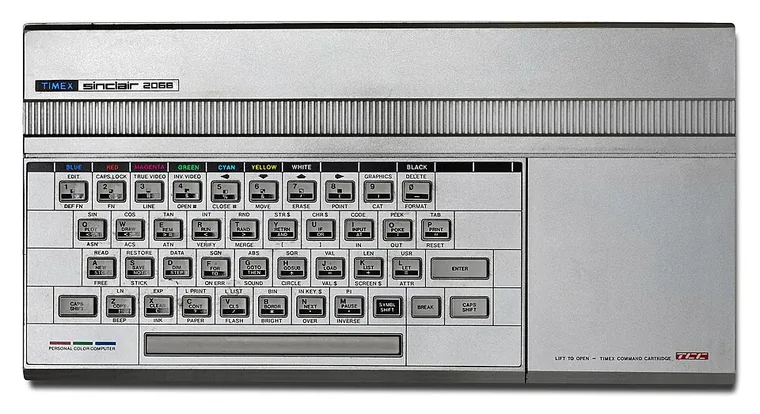
The Spectrum is among the most-cloned computers in history, and its footprint is strong in our region too. In then-Czechoslovakia the Didaktik enterprise in Skalica produced a series of its own clones — Didaktik Gama, later Didaktik M and Didaktik Kompakt with a floppy drive. These were legendary machines on which the Czech and Slovak eight-bit generation grew up; among other things they added their own memory expansions and ports.
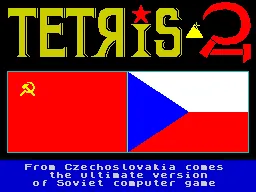
The clone scene in the former Soviet Union was extraordinarily extensive, where dozens of models such as the Pentagon or Scorpion were created — these effectively became a platform of their own with a rich software output that lives on to this day. In Brazil, the Microdigital company made the TK90X model.
Today's scene
Emulating the Spectrum is utterly trivial today — excellent examples are Fuse (Free Unix Spectrum Emulator) or ZEsarUX, available on all platforms including handhelds. A huge advantage is the World of Spectrum project, thanks to which thousands of games are available legally and for free with the authors' permission.
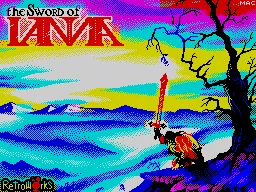
The home-brew scene remains extraordinarily alive. New homebrew titles keep coming out that boldly rival the period ones — for instance the action title Sword of Ianna. Modern development tools are available, as are hardware novelties like the ZX Spectrum Next, a community-designed successor that builds on the legacy of Sinclair's machine and proves that the forty-year-old legend has by no means said its last word.
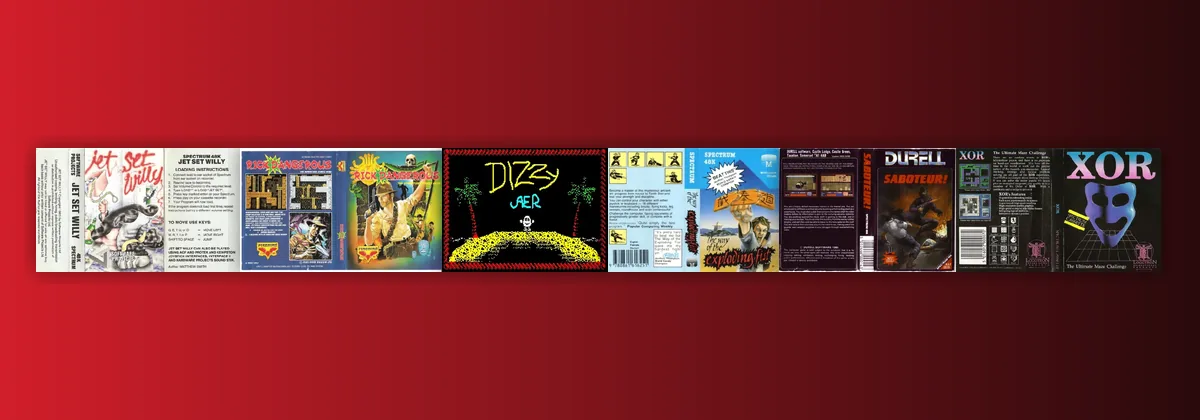
Games on this platform (100)
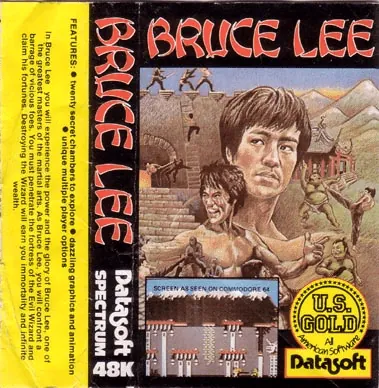
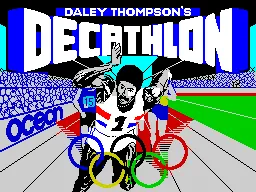
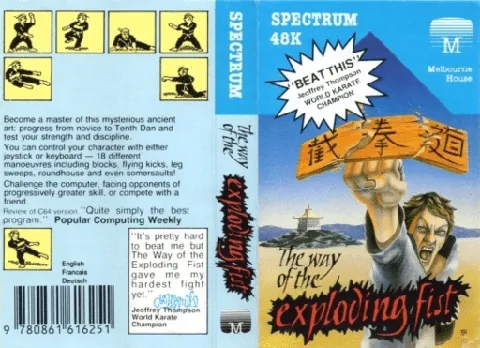
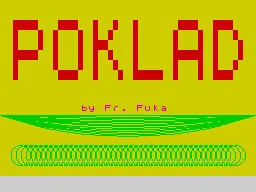
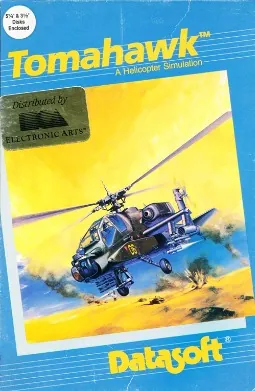

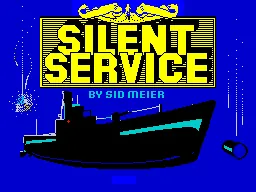
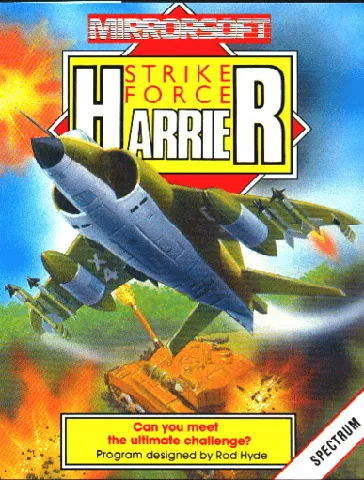
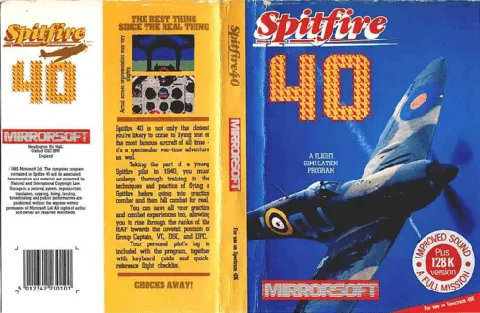
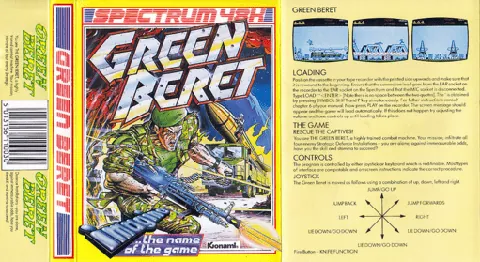
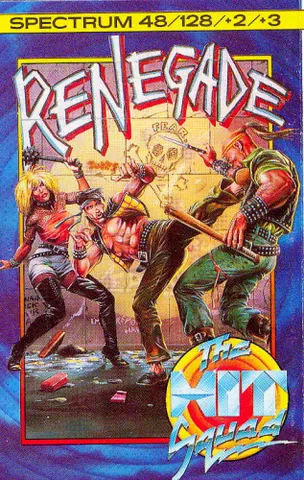
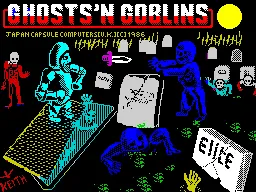
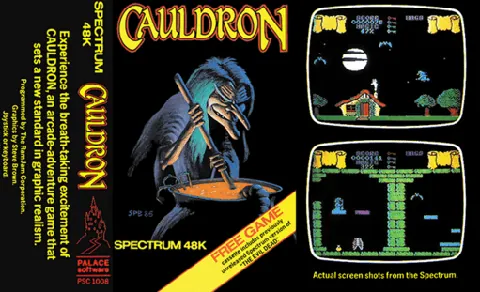
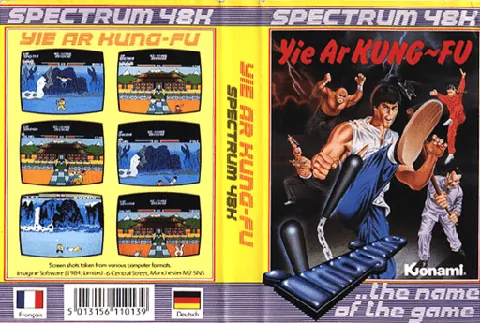
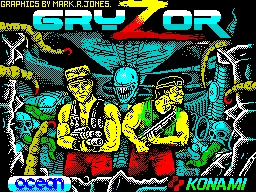
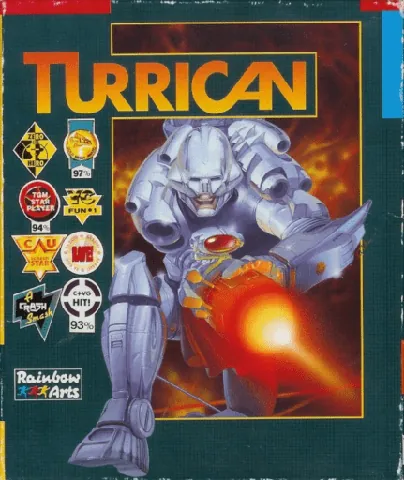
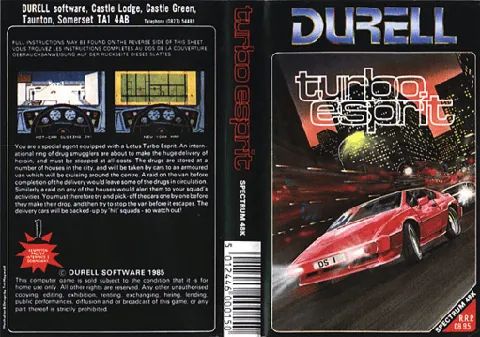
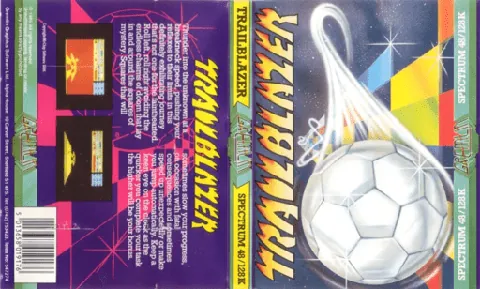

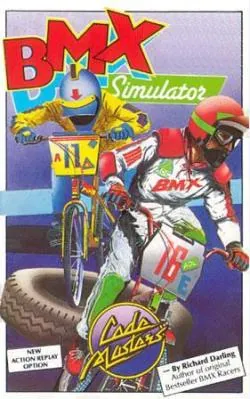
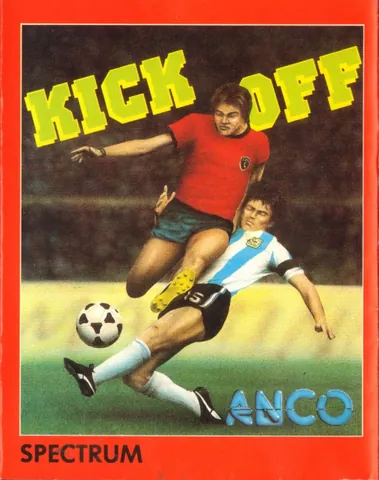
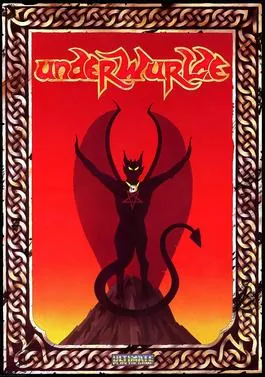
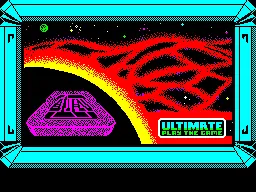
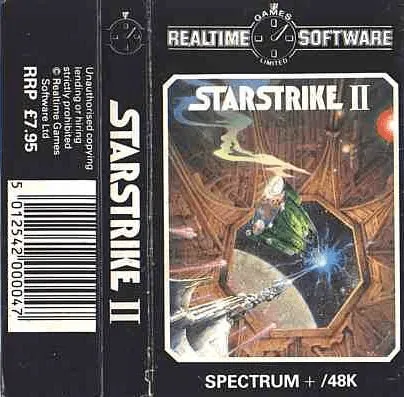
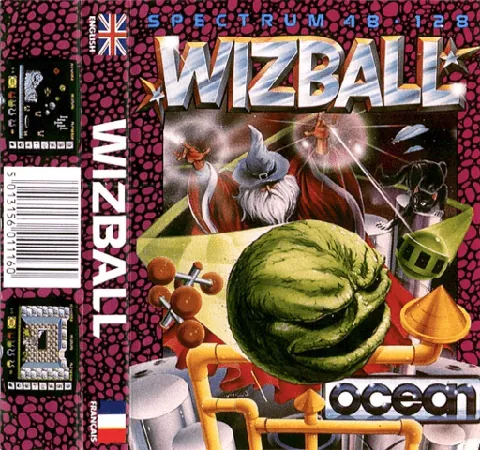
No game in this genre.