 SEGA · 1988
Game consoles
SEGA Mega Drive
History & context
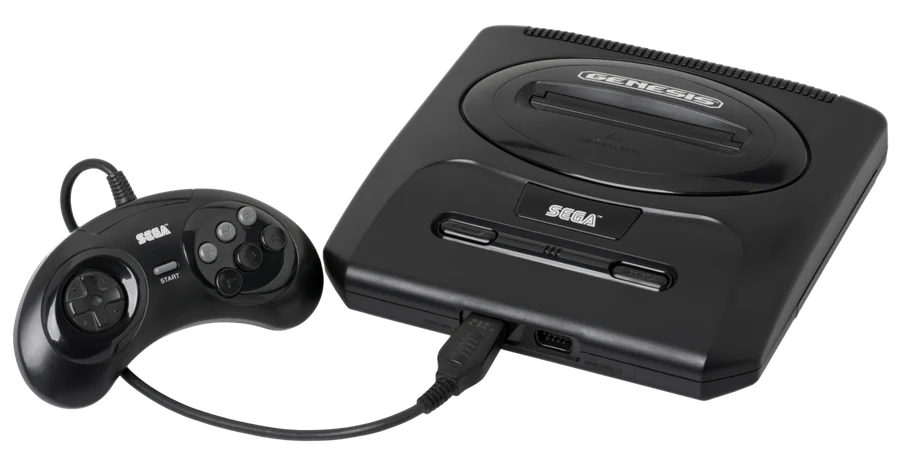
At the end of the 1980s, Nintendo dominated the gaming world so decisively that it seemed unbeatable. But then Sega arrived with a console that had an entirely different temperament. The Mega Drive (sold in North America as the Genesis) arrived in Japan in 1988, in America a year later, and in Europe in 1990. Sega bet on speed, cheek, and the image of a “cool” alternative for an older audience — and for a while it had the 16-bit market practically to itself, because the Super Nintendo arrived only later.
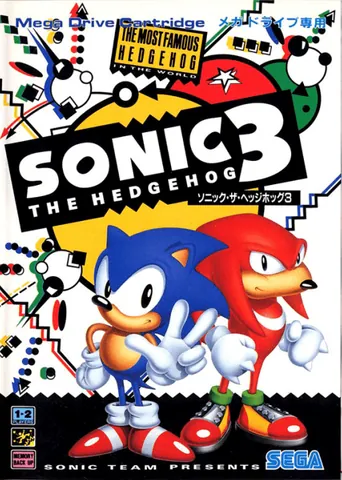
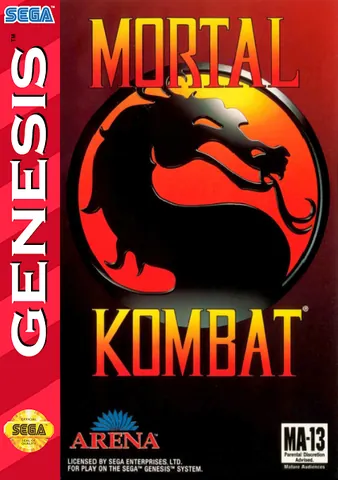
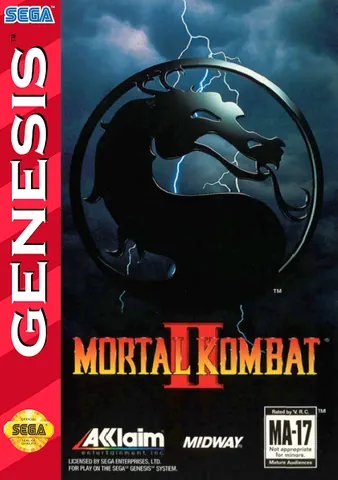
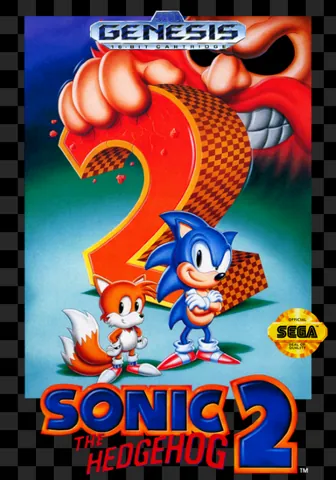
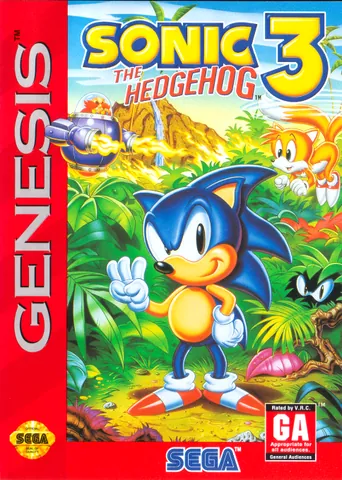
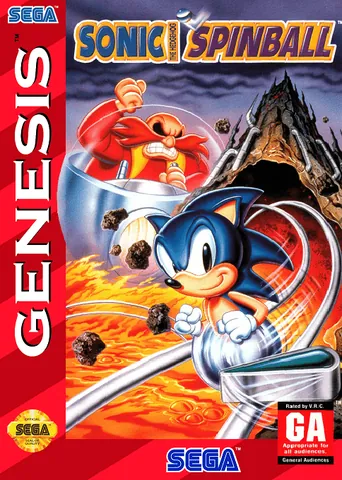
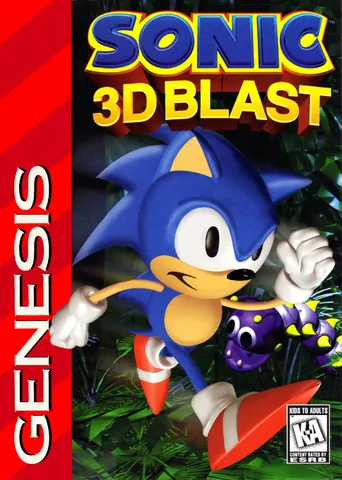
The symbol of this philosophy became Sonic the Hedgehog. Where Mario was measured and good-natured, Sonic was about speed, attitude, and self-confidence. The famous American slogan “Genesis does what Nintendon't” summed up the whole strategy: to be faster, more grown-up, and more willing to go to the edge. Symbolic was the affair around the game Mortal Kombat — while the SNES version censored the blood, on the Genesis it could be unlocked by entering a code, which earned Sega no small number of points with teenagers.
Technology: graphics and sound
The heart of the console is the Motorola 68000 processor clocked at roughly 7.6 MHz — the same CPU family that powers the Amiga and early Macintoshes. Sound and compatibility were also handled by an auxiliary eight-bit Zilog Z80, which could drive the sound subsystem (and in compatibility mode also run games for the older Master System).
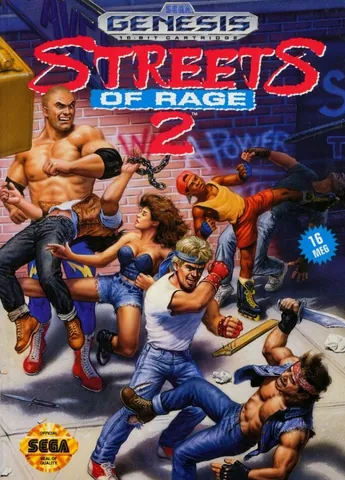
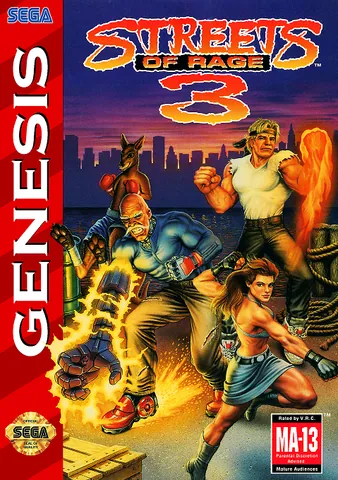
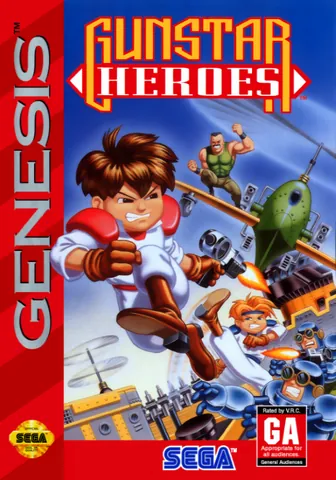
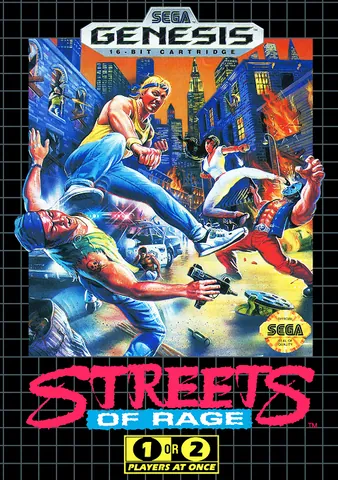
The graphics run at a resolution of around 320×224 pixels. From a palette of 512 colors, 61 colors can be displayed at once (four palettes of sixteen, with zero as transparent) — that was a noticeable disadvantage compared to the later SNES and the reason why games on the Mega Drive tend to have a bolder, higher-contrast palette. In motion, on the other hand, the console excelled: the hardware handled two scrolling layers plus a sprite layer and allowed up to 80 sprites on screen, which is why brisk games like Sonic, Streets of Rage, or Gunstar Heroes keep their pace even in the greatest chaos.
Sound is handled by the Yamaha YM2612 FM chip with six FM channels, supplemented by the SN76489 chip with three tones and noise. The result is the characteristic “harsher,” synthetic sound that gave rise to legendary soundtracks — for example Yuzo Koshiro's music for Streets of Rage 2.
Connectivity and peripherals
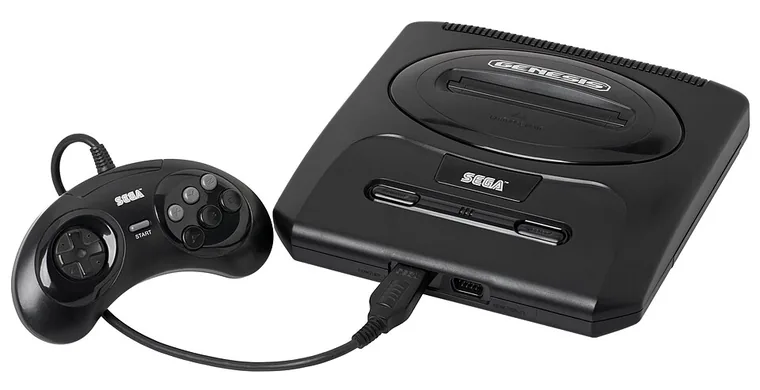
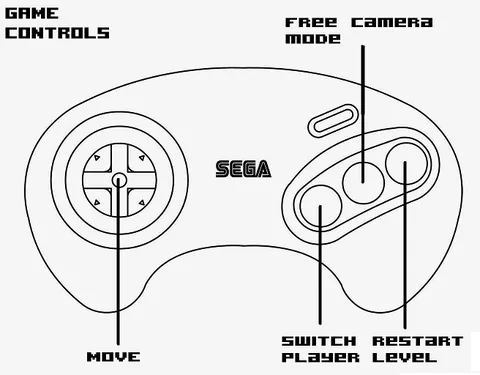
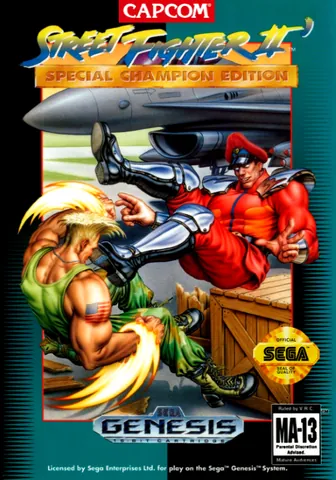
The Mega Drive caters to multiplayer — it has two controller ports, and the original gamepad had three buttons; later the popular six-button model was added because of fighting games like Street Fighter II. For fans of racing and sports there was the Team Player splitter (i.e. the 4-Player Adaptor) allowing play for up to four players.
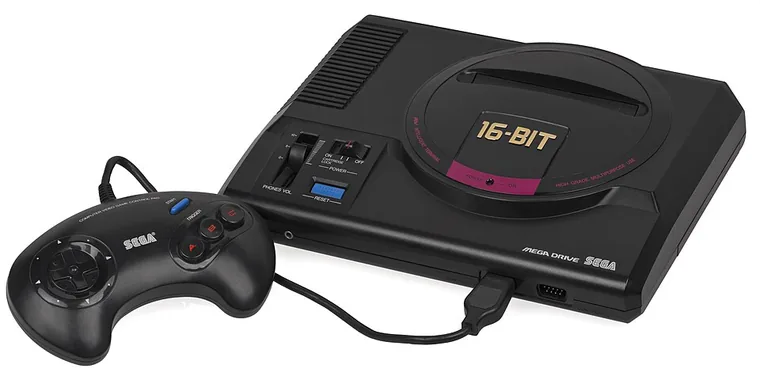
Among the accessories worth mentioning are the Menacer light gun, the SEGA Activator peripheral that captured motion, and, on the Japanese version, a modem for the Sega Meganet service. The console connected to the television via RF or composite/RGB output; on the first models there was also a headphone output with volume control on the front panel.
Models and revisions
Sega released several hardware versions. The original Model 1 (1988) had that headphone jack and, on the oldest units, the inscription “High Definition Graphics.” The slimmer and cheaper Model 2 (1993) dropped the headphone output and simplified the sound circuitry (it became known for a slightly different, “drier” sound). There was also the compact Model 3 from Majesco and, later, licensed redesigns.
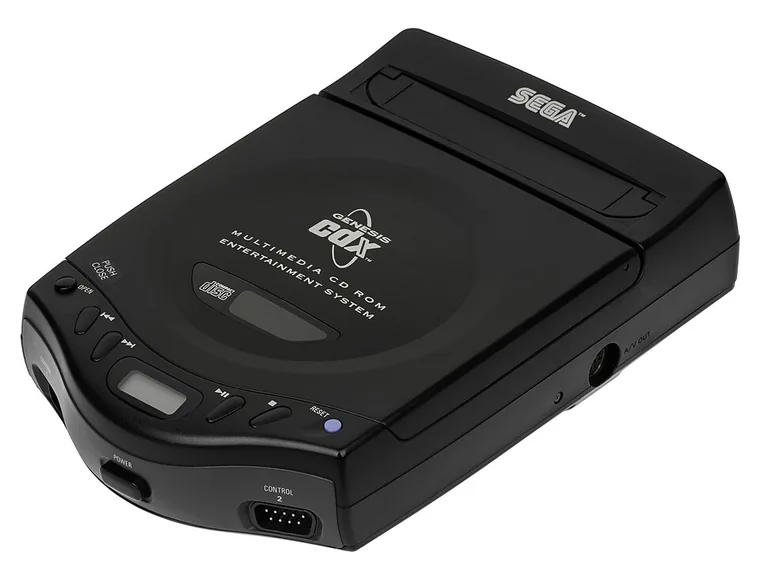
The system also had add-ons: the Sega CD (in Japan the Mega-CD) added a CD drive and games with full-fledged sound and video sequences, while the 32X was a 32-bit power add-on mounted onto the cartridge slot. Both add-ons rather flopped commercially and are today a reminder of how Sega gradually lost its lead position.
Clones and variants
The Mega Drive is one of the few older consoles whose clones are still being manufactured today. After the patents expired, cheap variants flooded the market — the best known are the AtGames models (the Sega Genesis/Mega Drive Classic line with preinstalled games), Chinese handhelds, and all-in-one consoles. In Brazil the license is held by the company Tectoy, which has been selling the Mega Drive continuously for decades, released local exclusives, and even took it as far as its own new revisions — Brazil is thus the largest living bastion of this console.
In Czechoslovakia and the wider Eastern Bloc, the Mega Drive was, because of its price and import barriers, not as widespread as eight-bit computers; it came to the fore rather only in the 1990s through gray imports and later precisely through cheap clones.
The scene today
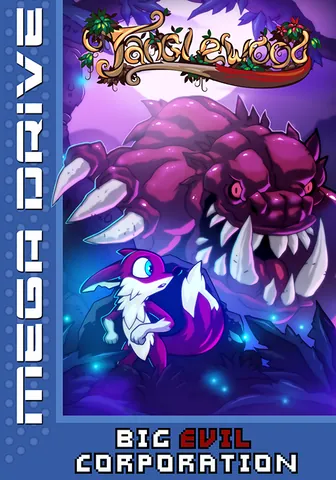
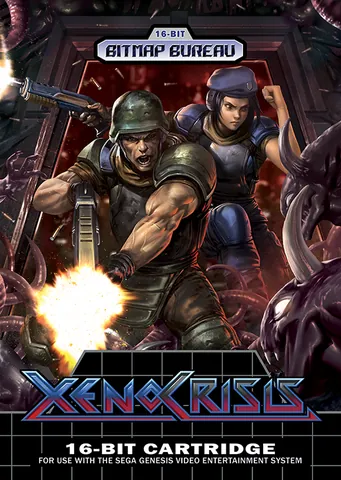
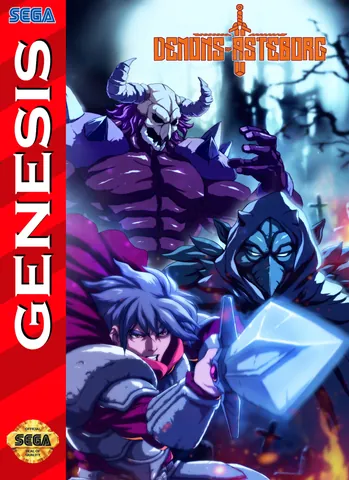
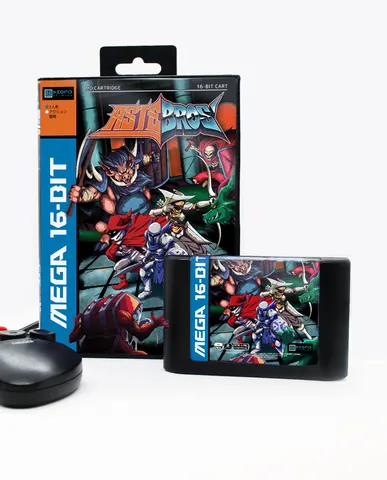
Mega Drive emulation is completely mature today — cores like Genesis Plus GX run reliably even on weak hardware, and on modern retro handhelds the games run smoothly. Remarkable, however, is above all the homebrew scene, which is among the most impressive of all. Technically advanced new releases such as Demons of Asteborg, Xeno Crisis, or the atmospheric Tanglewood keep appearing, sometimes even on real cartridges. Because Sega rather tolerates the community, the scene flourishes, and so the Mega Drive is still alive thirty-five years after its launch.
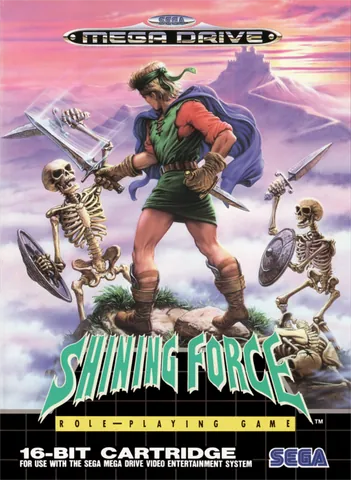
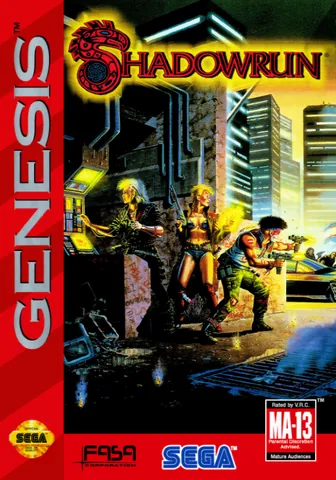
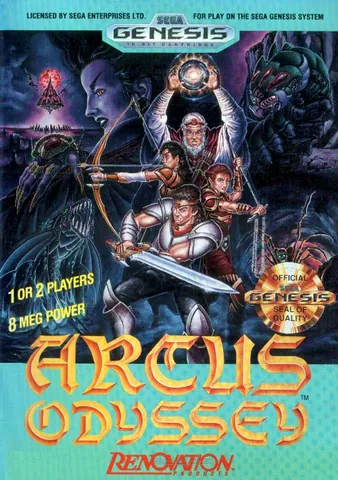
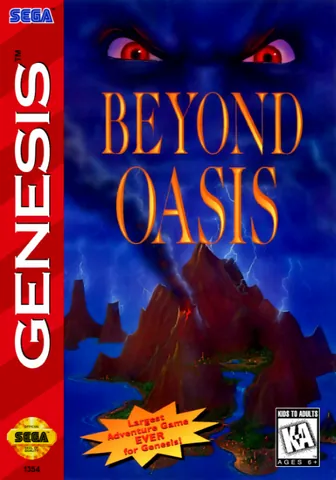
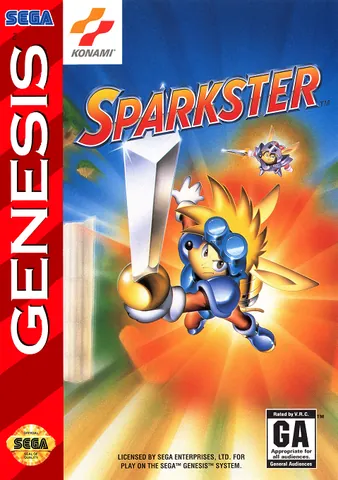
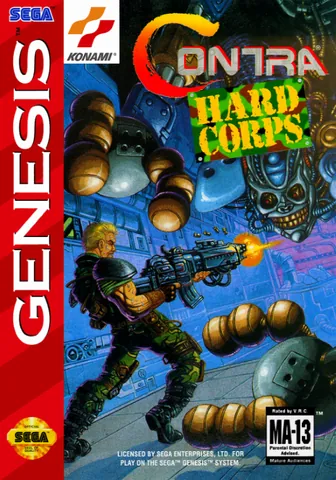
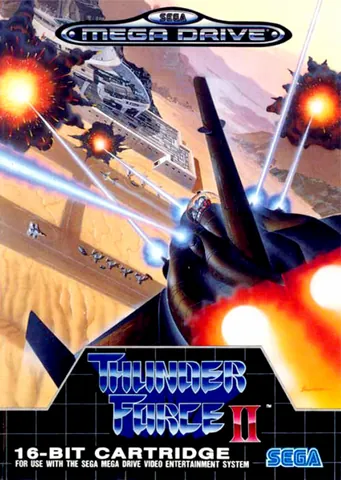
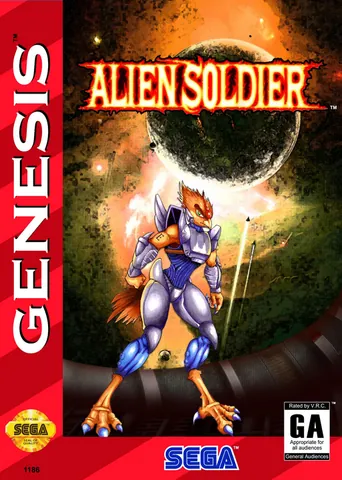
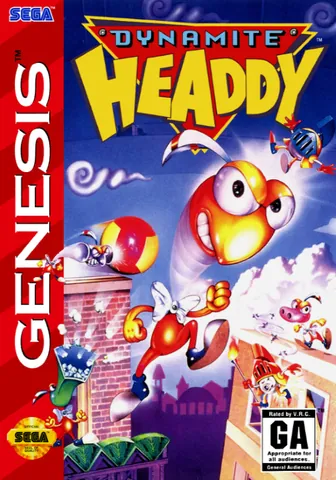
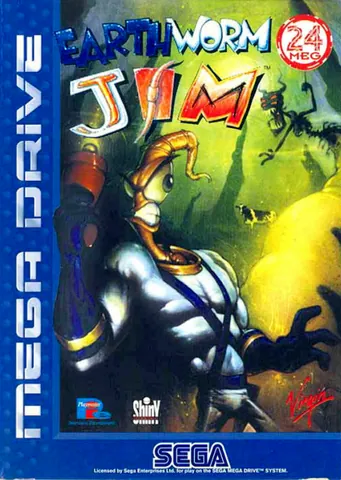
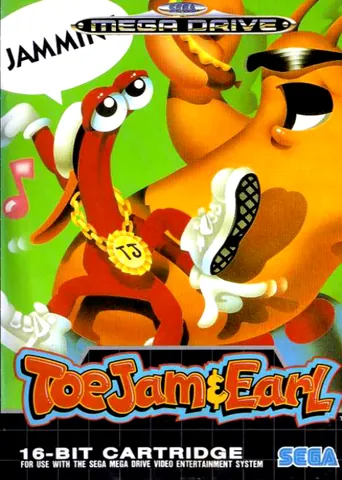
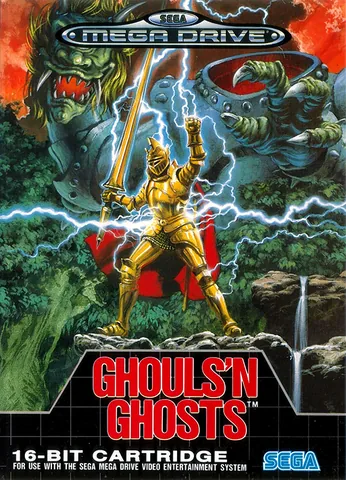
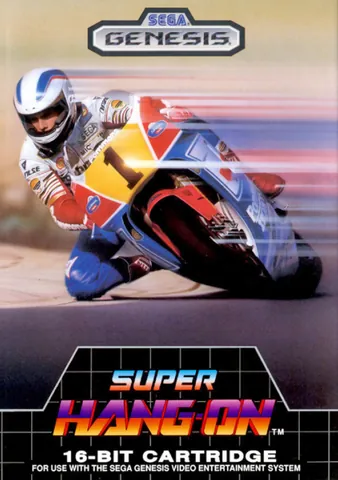
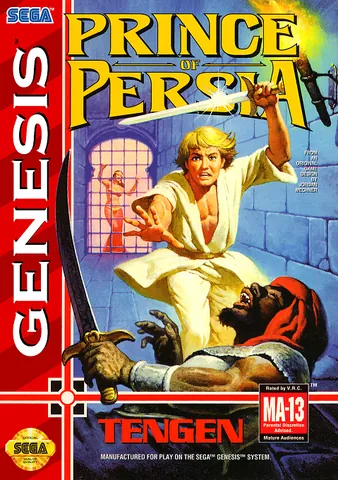
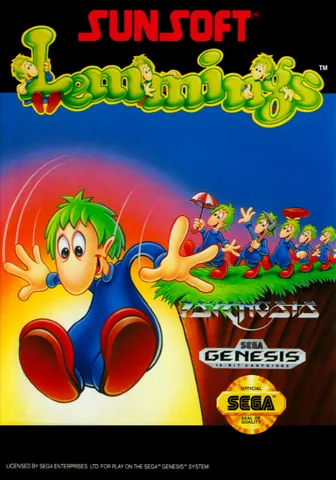
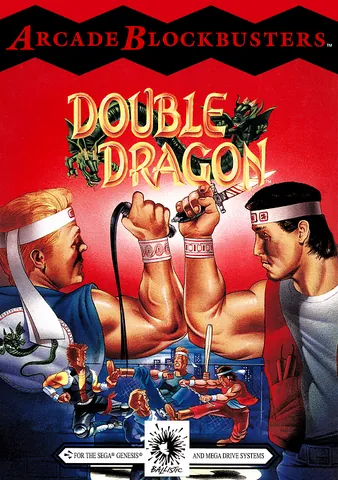
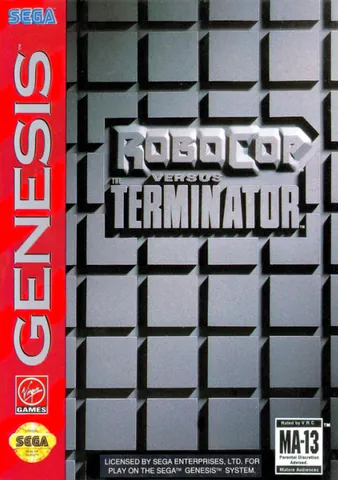
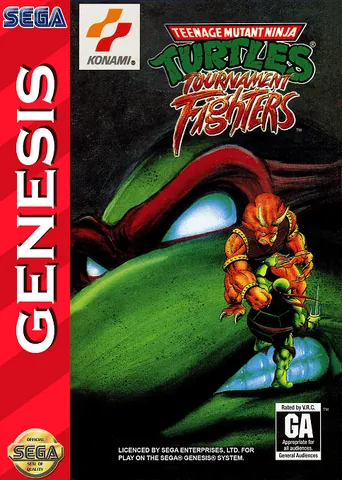
Games on this platform (151)
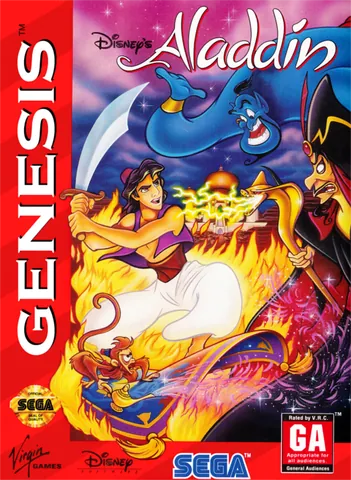
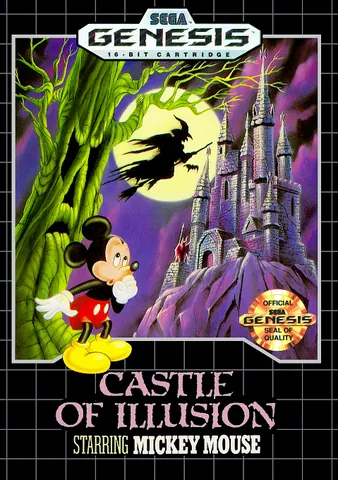
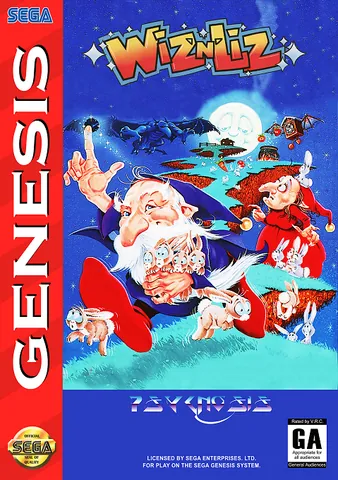
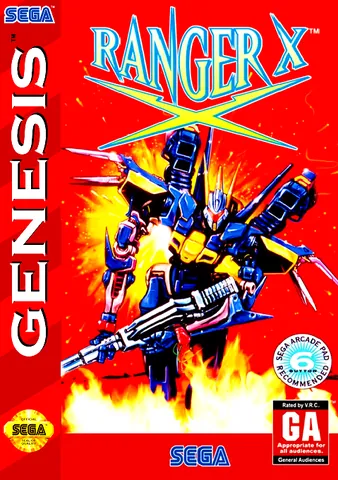
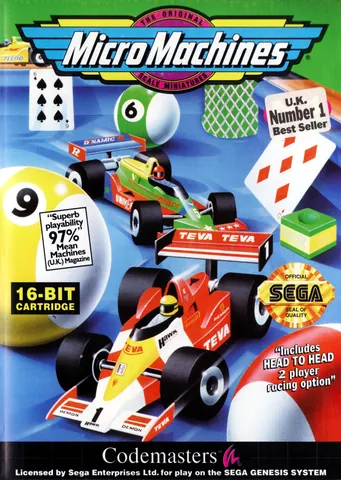
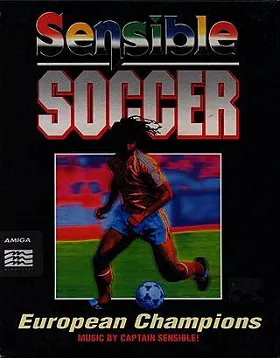
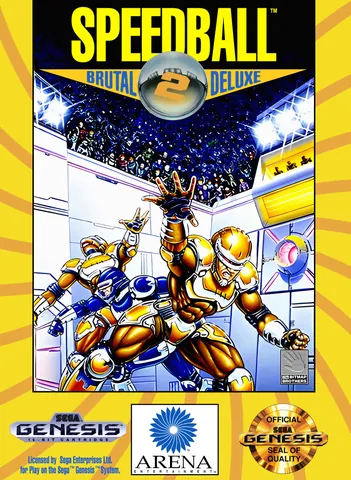
No game in this genre.