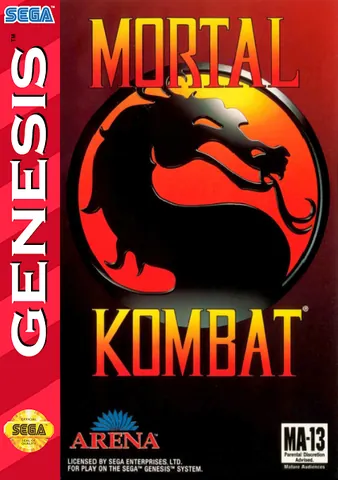
Mortal Kombat
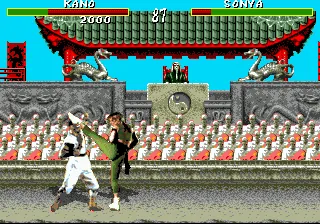
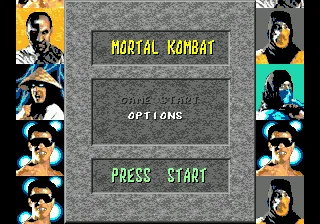
The 1993 home port of Mortal Kombat went down in history not because of technology but because of blood — or rather, who was allowed to show it. The versions for the SEGA Mega Drive and the Super Nintendo differed fundamentally in that most-watched detail, and that is precisely what decided their fate on the market.
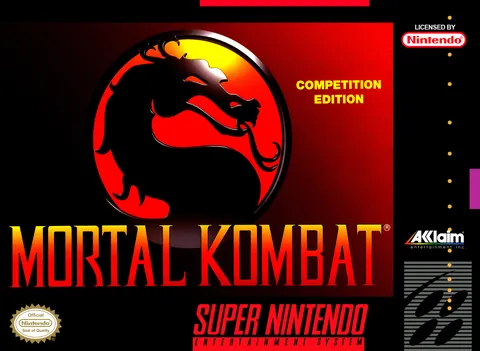
Nintendo stuck to its family-friendly policy and had the Super Nintendo version censored. Blood was replaced with grayish sweat, and the most brutal fatalities were toned down or reworked into a less drastic form. SEGA chose the opposite approach. The Mega Drive version also looked tame at first glance, but it contained the famous code that unlocked both the blood and the full fatalities. All you had to do was enter the sequence ABACABB on the title screen, and the game transformed into the real, unrestrained carnage players knew from the arcades.
This single difference had enormous market consequences. Players, especially the older ones, craved an authentic arcade experience, and the Mega Drive offered it to them thanks to the blood code. The SEGA version sold significantly better than the censored competition on the SNES, and the whole affair became a textbook example of how a single design decision can influence the commercial success and image of an entire platform. SEGA earned a reputation as the bolder, more grown-up console.
Technically the Mega Drive version was in some respects less colorful and had weaker sound than the one on the Super Nintendo, due to the hardware's more limited palette. For most fans, though, that was an insignificant price to pay for getting the real Mortal Kombat with everything included, spurting blood and complete finishing moves and all.
The conversion was handled by the Probe Software team, and the whole censorship situation played out against the backdrop of a stormy debate about violence in games, which led to the creation of the ESRB rating. Mortal Kombat on the Mega Drive thus became not just a game but a symbol of a broader cultural clash over what is permissible in video games and who gets to decide.
From the perspective of the console war, it was a textbook moment when SEGA managed to turn an apparent disadvantage to its benefit. Publisher Acclaim's marketing, with its Mortal Monday slogan, whipped up enormous demand, and players then made clear with their money which version they wanted. The fact that the blood on the Mega Drive was merely hidden behind a code rather than cut out made an enormous psychological difference. The player knew they were holding the real, full Mortal Kombat, while the SNES owner had to make do with a watered-down substitute. This contrast carried over into the press and reviews of the day.
Today this version is legendary precisely because of the ABACABB code, which just about every old-timer knows. It's a perfect illustration of an era when secret codes were passed on by word of mouth, when console wars were waged with passion, and when an ordinary setting for blood visibility could decide the winner in a clash of two giants.
Why play: For the legendary ABACABB code and the authentic, uncensored version that beat the tamer SNES release on its own turf.
Game 55 of 151 for SEGA Mega Drive
The same title elsewhere (7)
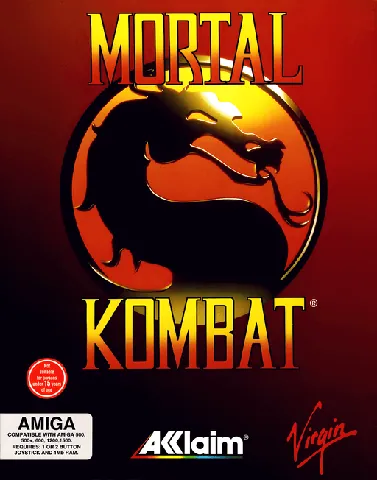
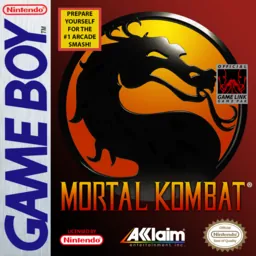
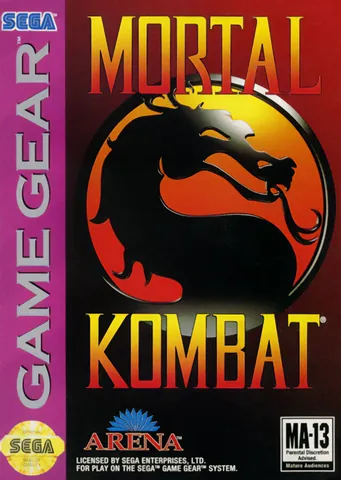
Midway's 1992 arcade original was built on digitised actors and graphic violence that sparked a worldwide scandal and debates about video game censorship at the time. Translating that look to home platforms of the era wasn't easy: the 8-bit SEGA Master System had to drastically cut resolution, colour count and animation frames, leaving characters smaller and their movement choppier than in the arcades. The early-1990s Commodore Amiga version fared even worse – the ageing hardware struggled to play back the large digitised sprites smoothly, the game loaded from floppy disks, and reviews often single it out as one of the weakest home versions. For an authentic taste of the original, an arcade emulation remains the better bet.
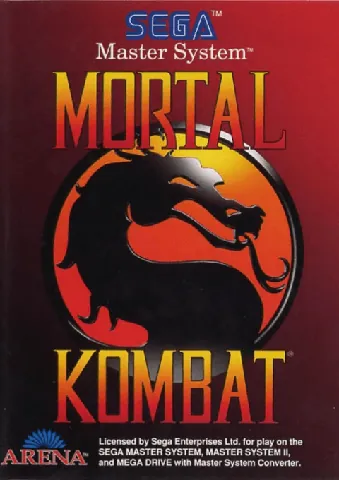
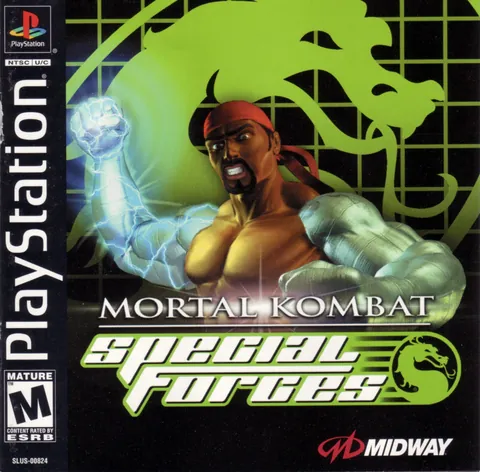
From the same series Mortal Kombat →
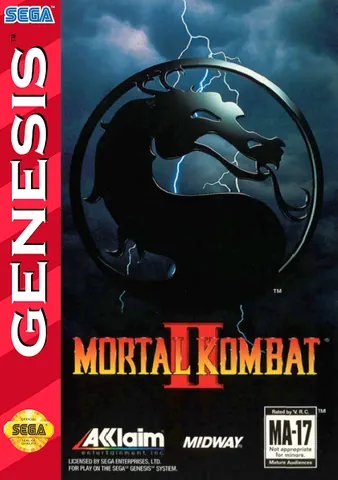
 Mortal Kombat II MAME · GB · SNES · MD · GG · 32X · 1993
 Mortal Kombat 3 MAME · 1995
 Ultimate Mortal Kombat 3 MAME · 1995
 Mortal Kombat Trilogy PS1 · N64 · 1996
 Mortal Kombat Mythologies: Sub-Zero PS1 · 1997
 Mortal Kombat 4 MAME · 1997
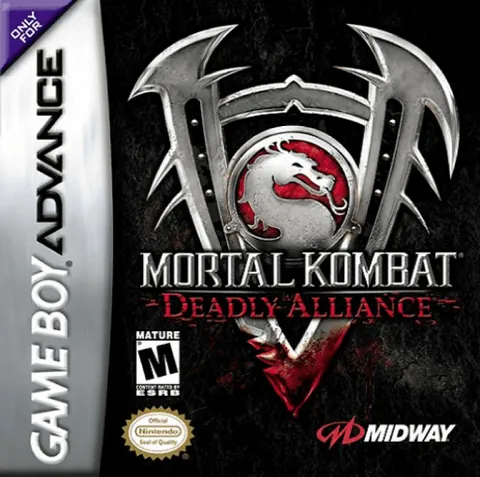 Mortal Kombat: Deadly Alliance GBA · Xbox · 2002
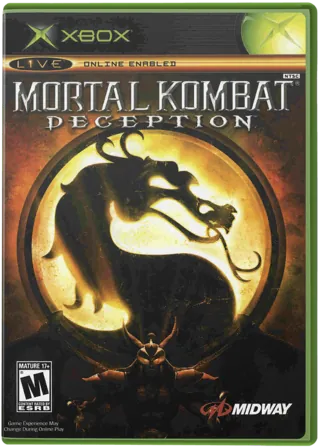 Mortal Kombat: Deception Xbox · 2004
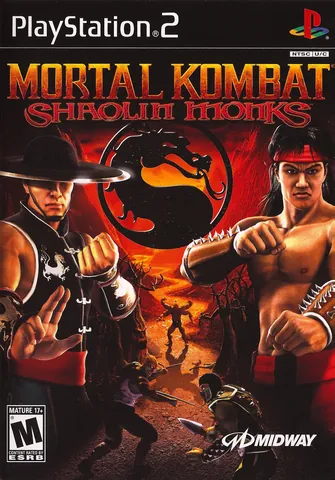 Mortal Kombat: Shaolin Monks PS2 · 2005
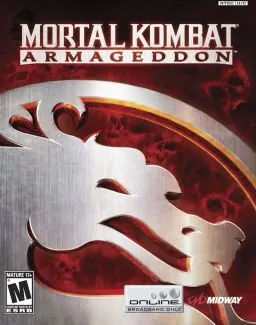 Mortal Kombat: Armageddon PS2 · 2006
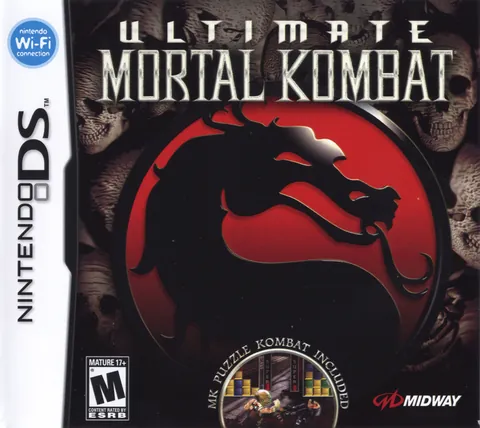 Ultimate Mortal Kombat DS · 2007
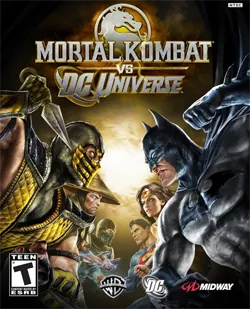 Mortal Kombat vs. DC Universe PS3 · 2008