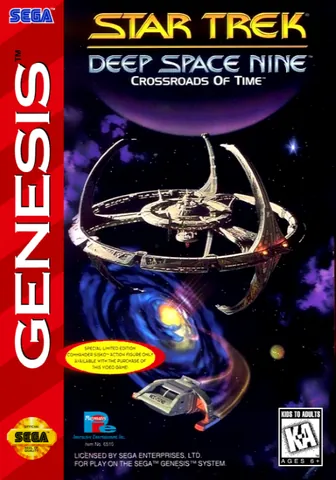
Star Trek: Deep Space Nine – Crossroads of Time
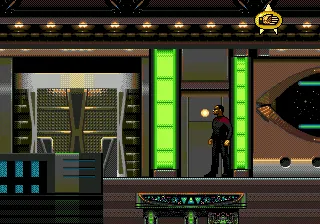
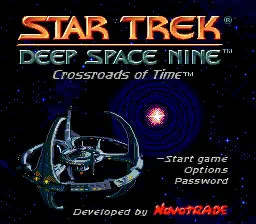
A space station on the edge of known space, a wormhole into the unknown, and Commander Sisko in the lead role — Star Trek: Deep Space Nine – Crossroads of Time brought a darker and more distinctive offshoot of the Trek universe to the Mega Drive.
Unlike the more strategically minded Enterprise games, this title bets on the action-adventure. You move around the station Deep Space Nine and other locations, talk to characters, solve tasks and pass through sections where action and platforming passages come into play. The story tries to capture the atmosphere of the show — political tension, intrigue and the claustrophobic isolation of a station far from home.
In gameplay terms it's a mix that alternates adventure-style investigation and finding the right approach with more action-heavy stretches. The pace is brisker than in the Enterprise bridge games, and the emphasis falls more on progressing through the story and interacting with the environment. Fans will appreciate that the game draws on a distinctive cast and the specific tone of DS9, which always set itself apart from the more optimistic mood of classic Trek.
Visually it uses detailed character portraits and tries to capture the familiar interiors of the station. As with most licensed titles of the era, the rule applies that you'll appreciate the experience most if you love the show — the context and characters lend the game a meaning that a dry description of mechanics would otherwise fail to capture. For the uninitiated player it's a solid, if not groundbreaking, action-adventure.
At a time when licensed games were being churned out in rapid succession, Crossroads of Time represented an attempt to give the Deep Space Nine brand its own gaming face, distinct from the Enterprise games.
Why play: If you enjoyed the station Deep Space Nine and its murkier tone, this action-adventure offers a stroll through its world with Sisko's crew at your side.
Game 51 of 151 for SEGA Mega Drive
The same title elsewhere (1)
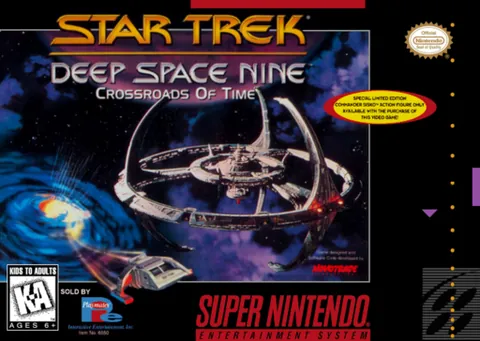
This Deep Space Nine action-adventure is one of those titles where the generational gap between 16-bit consoles matters more than the actual content. The Super Nintendo generally benefits from a richer color palette and a sound chip capable of sampled audio, giving the music a fuller, almost orchestral feel. The SEGA Mega Drive, by contrast, relied on a faster processor and FM synthesis, which gives its tracks a sharper, rawer sound and often snappier scrolling response. Specific differences in level layout or cut content between these ports aren't reliably documented, so the safest way to choose is by preference: the warmer sound and colors of the Super Nintendo, or the snappier feel and distinctive FM sound of the Mega Drive.
From the same series Star Trek →
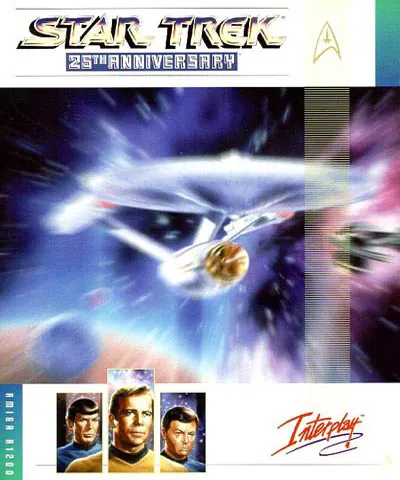 Star Trek: 25th Anniversary Amiga
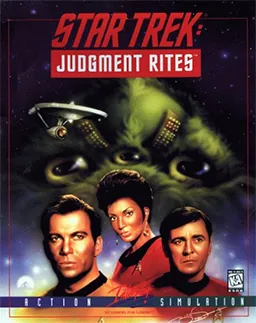 Star Trek: Judgment Rites Amiga
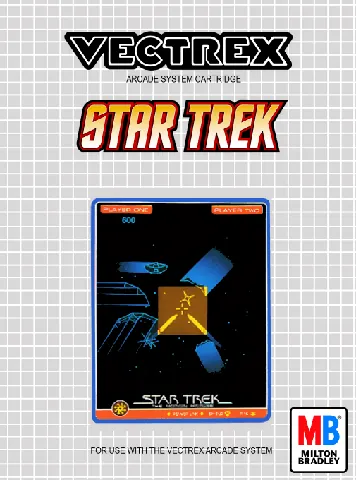 Star Trek: The Motion Picture Vectrex · 1982
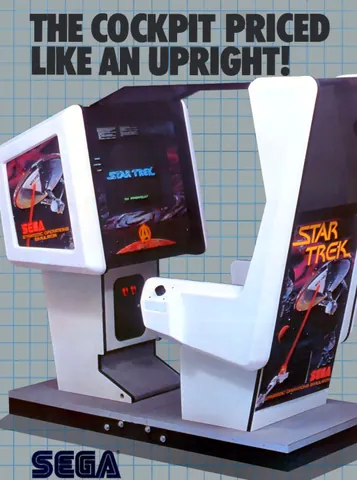 Star Trek: Strategic Operations Simulator (1983) MAME · Coleco · 5200 · A800 · C64 · 1983
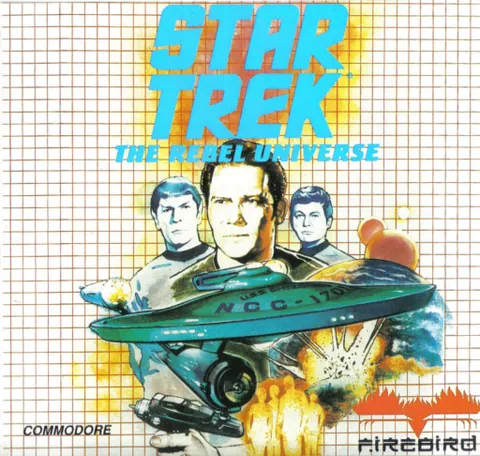 Star Trek: The Rebel Universe C64 · 1987
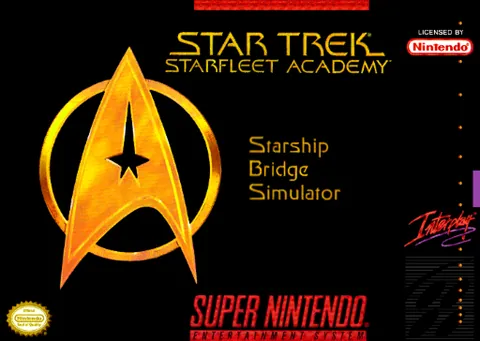 Star Trek: Starfleet Academy – Starship Bridge Simulator SNES · 1994
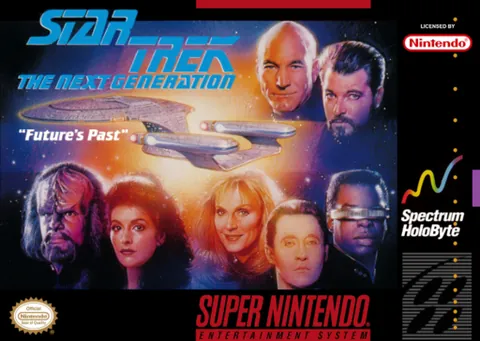 Star Trek: The Next Generation – Future's Past SNES · 1994
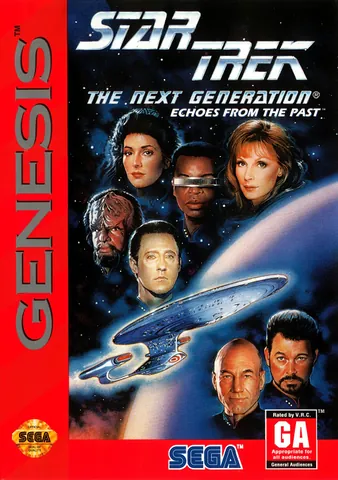 Star Trek: The Next Generation – Echoes from the Past MD · 1994
 Star Trek: Generations – Beyond the Nexus Saturn · 1997
 Star Trek: Starfleet Academy Win9x · 1997
 Star Trek: Deep Space Nine – The Fallen PS1 · 1999
 Star Trek: Starfleet Command Win9x · 1999