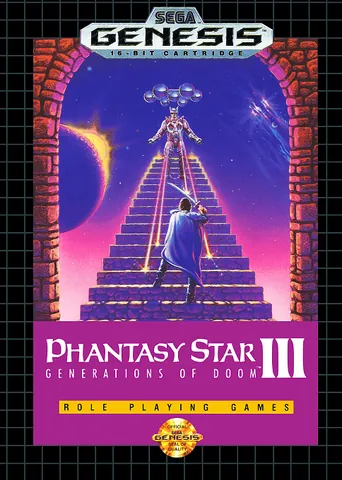
Phantasy Star III: Generations of Doom
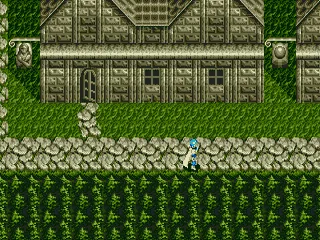
Phantasy Star III: Generations of Doom is really two different games stitched into one – a sprawling sci-fi and fantasy JRPG from Sega that, instead of a linear tale of a single hero, builds on the idea of a bloodline stretching across three generations. At the start, the player chooses who the main character marries, and that decision then determines the direction the rest of the adventure takes – which characters join the party, which locations get visited, and how the whole story ultimately ends. This branching system was completely unusual for consoles in 1990, and to this day it's talked about as one of the first attempts at truly non-linear storytelling in the JRPG genre.
The gameplay stays true to the classic turn-based combat system with a top-down view and exploration of towns and dungeons that made Phantasy Star famous back on the Master System. The Mega Drive brought the game more colorful environments and smoother animations, though the musical score comes across as sparser and less memorable than in the second or fourth installments, which tends to be one of the main complaints. A different development team along with a shift toward fantasy themes instead of the space sci-fi of the previous entries split the fanbase – many saw the game as a detour from the series' main line, until the fourth installment showed how the generational story ties into the series' overall mythology.
The contemporary reception was mixed; the game was often compared to the second installment and came off worse, mainly due to simpler character graphics and less distinctive personalities. With the passing years, though, Generations of Doom has earned recognition precisely for its bold narrative experiment – branching the story based on the hero's marriage was unique at the time of release and inspired later discussions about non-linear storytelling in RPGs. Today the game is interesting mainly to fans of the series and genre who appreciate the historical significance of the mechanic, even though as a standalone title it feels more archaic than other Sega RPGs of its time.
Why play it: For fans of the series and genre who'll appreciate a historically bold narrative experiment with branching based on the hero's marriage, even though as a standalone title it feels more archaic than other Sega RPGs of its era.
Game 105 of 151 for SEGA Mega Drive
From the same series Doom → Phantasy Star →
 Doom DOS · VFX1 · 32X · Jaguar · GBA · Java ME · PS4 · XONE · Switch · PC · 1993
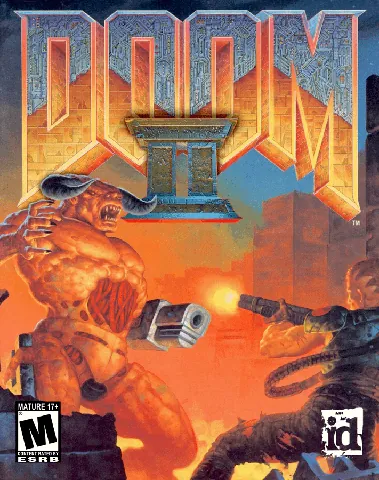 Doom II: Hell on Earth DOS · 1994
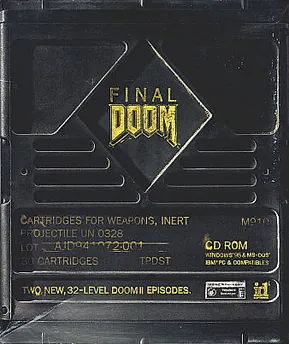 Final Doom PS1 · 1996
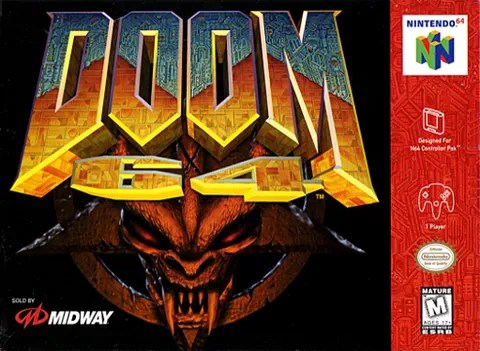 Doom 64 N64 · 1997
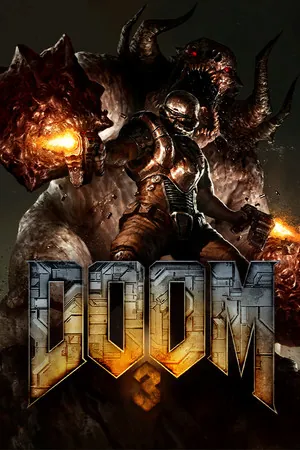 Doom 3 PC · Xbox · 2004 Java ME Doom RPG Java ME · 2005
 Doom II RPG Java ME · 2009
 Doom VFR PSVR · 2017
 Doom Eternal PS4 · XONE · Switch · Series · PC · PS5 · 2020
 Phantasy Star (SMS) SMS · 1987
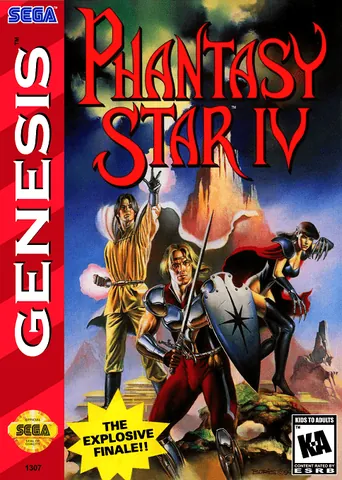 Phantasy Star IV MD · 1989
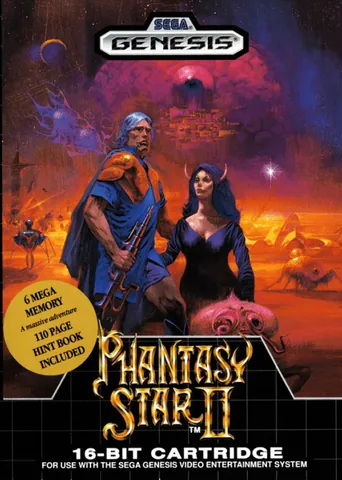 Phantasy Star II MD · 1989