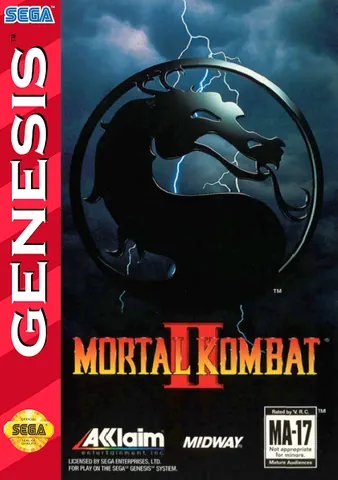
Mortal Kombat II
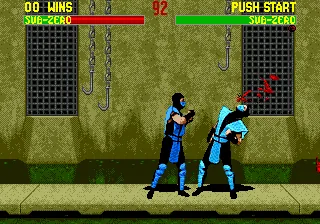
After the triumph of the first installment, when the ABACABB blood code helped the Mega Drive version defeat its censored rival on the Super Nintendo, Mortal Kombat II arrived in 1994 to a different situation. The rules of the game had changed in the meantime, the debate about violence had culminated in the creation of the ESRB rating, and Nintendo now permitted blood. The clash between the two platforms thus shifted from the question of censorship purely to the technical quality of the conversion.
The Mega Drive version offered a complete, uncensored experience with no need to enter a secret code. Blood, fatalities, Babalities and Friendships were present right away, faithfully following the arcade original. SEGA players thus got the entire expanded roster of new fighters, imaginative backdrops and all the famous secrets, and could savor exactly what made the second installment so beloved.
Technically, however, the console ran into its limits. The Mega Drive had a more limited color palette than the Super Nintendo, so the digitized characters and backgrounds looked a little less colorful and the sound was harsher. For old-timers, this version is often remembered as solid but slightly behind the visually richer SNES conversion. The clash of giants that had been decided by blood in the first installment was this time decided by the raw technical power of the hardware — and there the competition had the edge.
Even so, it was a very popular and fast game that many Mega Drive owners loved. The conversion was again handled by a team working with Acclaim, and the game benefited from fidelity, smoothness and the fact that SEGA had already built a reputation with Mortal Kombat as the bolder, more grown-up platform that made no concessions to the sensitive.
Culturally, Mortal Kombat II on the Mega Drive closes an interesting chapter in the rivalry of the two consoles. Whereas with the first installment SEGA won thanks to the courage to show blood, with the second both platforms found themselves on a fairer starting line, and players chose more according to which console they owned. The game remains a valuable testament to an era when console wars were waged with full vigor and when every port was the subject of passionate debate.
It's a bit of an irony of fate that the platform which celebrated victory with the first installment thanks to the courage to show blood drew the shorter straw with the second precisely on the technical level. The Mega Drive's more limited palette and coarser sound were the price paid for older and cheaper hardware, which by the mid-nineties was beginning to show its age. Even so, the game held on to its fans, who valued the brisk pace and the fact that they got the complete content without any concessions. For many SEGA owners it was simply their Mortal Kombat II, one they had a bond with regardless of comparisons to the competition.
Today this version is a respected piece in the Mega Drive library and a memory of the moment when the peak of the classic Mortal Kombat trilogy reached SEGA owners too, in full, uncensored form.
Why play: A full-blooded, uncensored-from-the-start conversion of the excellent second installment for loyal Mega Drive owners who wanted the peak of the classic trilogy at home.
Game 56 of 151 for SEGA Mega Drive
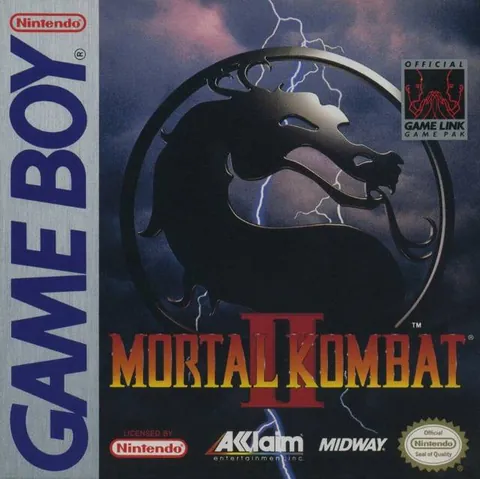
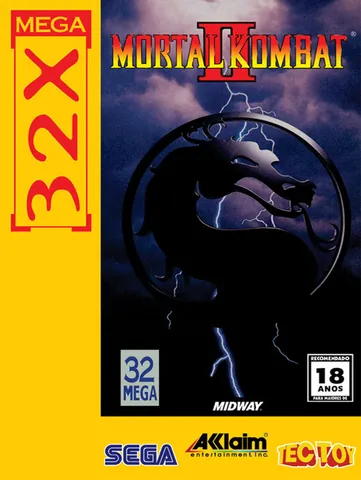
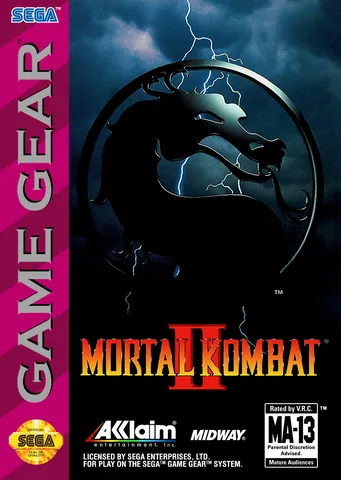
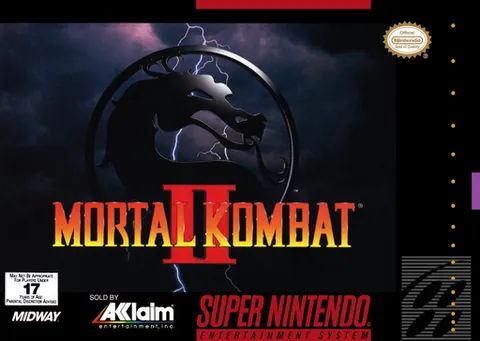
The same title elsewhere (5)
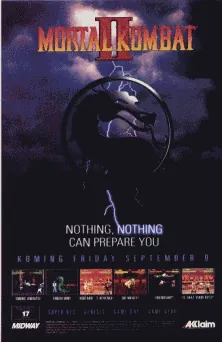
From the same series Mortal Kombat →
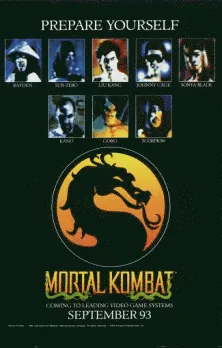 Mortal Kombat MAME · GB · SNES · MD · GG · Amiga · SMS · Vita · 1992
 Mortal Kombat 3 MAME · 1995
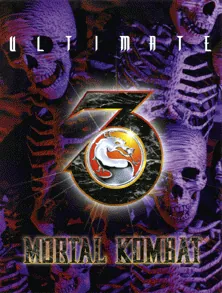 Ultimate Mortal Kombat 3 MAME · 1995
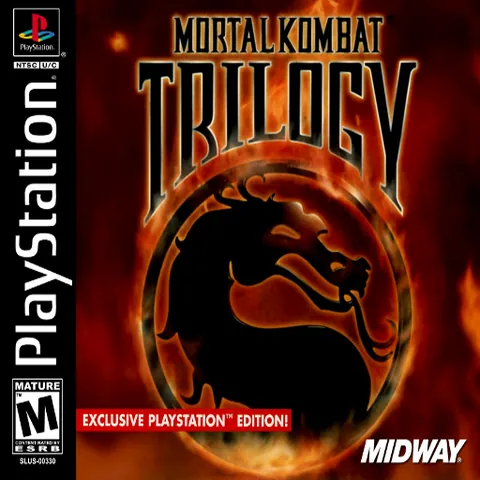 Mortal Kombat Trilogy PS1 · N64 · 1996
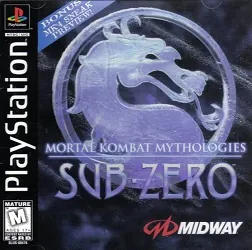 Mortal Kombat Mythologies: Sub-Zero PS1 · 1997
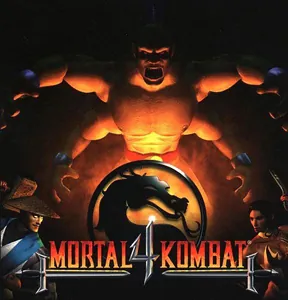 Mortal Kombat 4 MAME · 1997
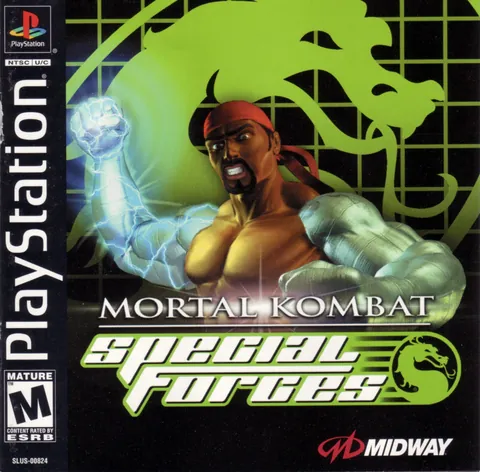 Mortal Kombat: Special Forces PS1 · 2000
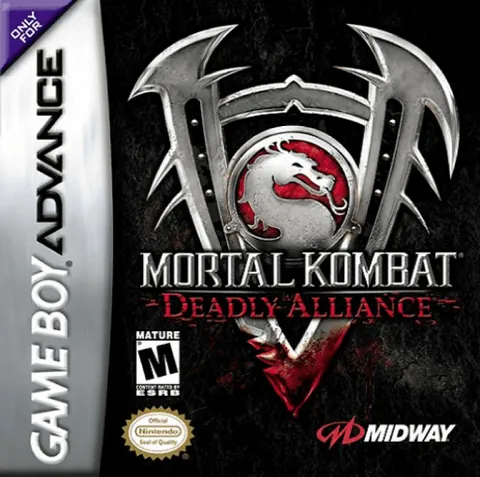 Mortal Kombat: Deadly Alliance GBA · Xbox · 2002
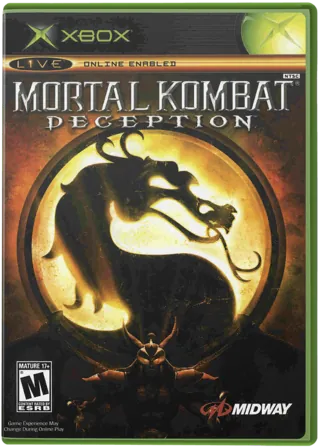 Mortal Kombat: Deception Xbox · 2004
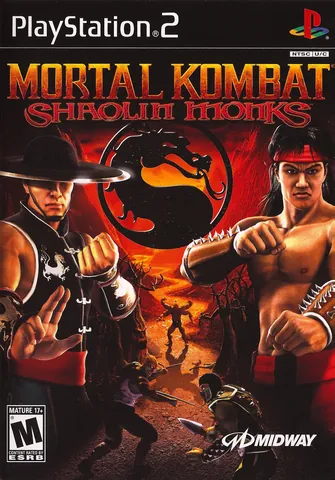 Mortal Kombat: Shaolin Monks PS2 · 2005
 Mortal Kombat: Armageddon PS2 · 2006
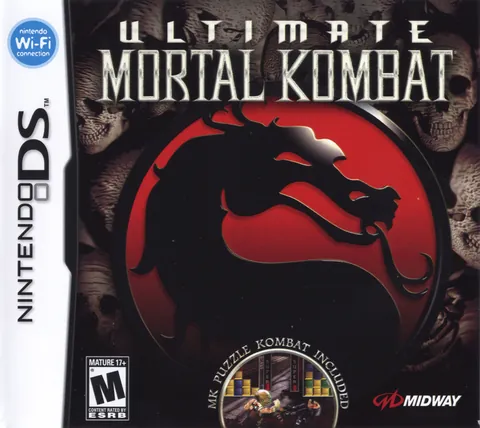 Ultimate Mortal Kombat DS · 2007