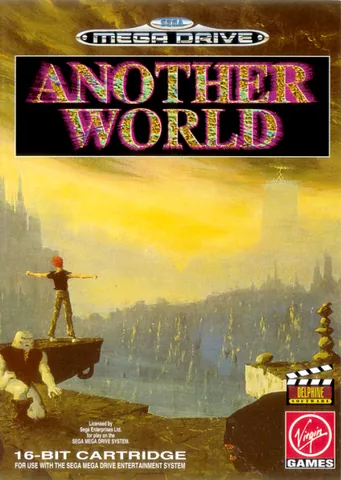
Another World
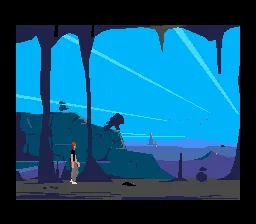
A single lightning strike to the laboratory, and the physicist Lester tumbles onto an unknown planet where he understands nothing and death lurks at every step. Another World on the SEGA Mega Drive brings one of the most distinctive and visually daring works of early gaming history to Sega's console.
The game was designed practically with his own hands by the French author Éric Chahi at the turn of the eighties and nineties. He bet on vector polygon graphics, thanks to which the characters and backgrounds felt fluid and cinematic at a time when ordinary games were built on pixel sprites. The result was a unique visual language and storytelling entirely without words, relying solely on image, movement, and atmosphere.
The gameplay mixes platformer, action, and logic puzzles into a tense whole that does not lead you by the hand. There are no life bars or hints anywhere; the game lets you learn from death and discover solutions by trial and error. The key is watching the environment, timing your jumps and shots correctly, and improvising, whether you are fleeing a predatory beast or fighting for your life with a laser weapon. Unforgettable, too, is the silent ally you meet during your escape.
Another World, released in America as Out of This World, became a cult classic and fundamentally influenced the conception of an atmospheric, visually narrated gaming experience. It inspired later creators of independent games who place emphasis on mood and direction. The game was ported to an enormous number of platforms and even saw modern remakes for newer generations.
The Mega Drive version is a demanding but gripping experience for players who seek something deeper than reflexive action. It is an interactive film from the days when it was only just being discovered how much video games could express.
Why play it: A quiet, cinematic, and still unique experience proving that a game could be art even at the start of the nineties.
Game 66 of 151 for SEGA Mega Drive
The same title elsewhere (4)
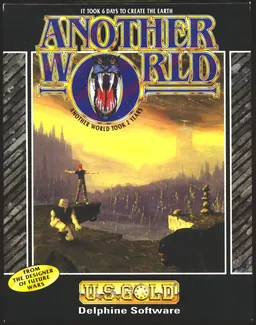
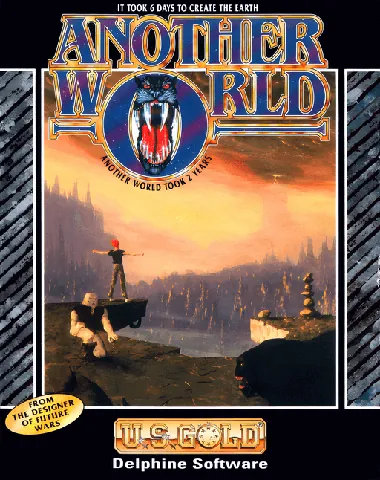
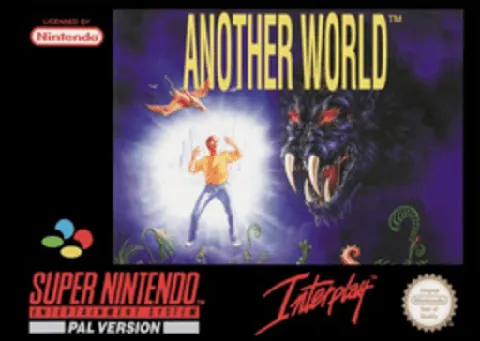
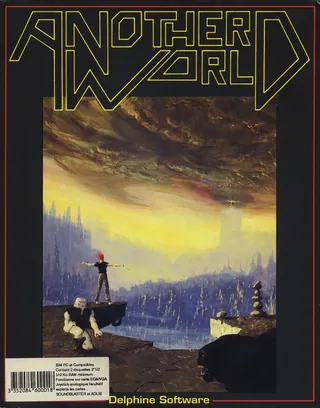
Éric Chahi's 1991 original was built for the Amiga and Atari ST, and its vector-based, polygon graphics came remarkably close to film animation for its time. Because it wasn't built from classic pixel sprites, the game translated to other platforms with surprising fidelity. The Amiga and Atari ST versions did have floppy-disk loading pauses between scenes, which the cartridge-based Mega Drive and Super Nintendo ports removed. The sound differed, though: the Amiga used sampled music, while the Mega Drive relied on its FM chip for a rawer tone. The SNES port is generally seen as one of the best-balanced versions.