Streets of Rage
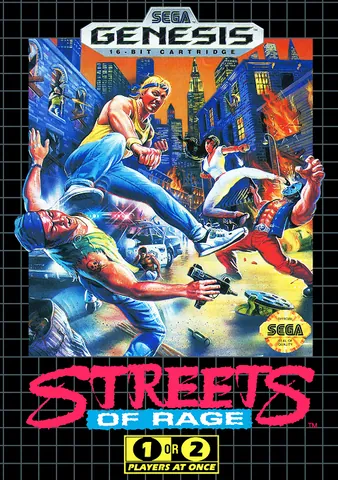
The crackle of broken neon, a bassline that burrows deep under your skin, and three lone cops who decide to clean up the city with their fists rather than wait for permission from above. Streets of Rage by SEGA from 1991 was not the first beat 'em up on consoles, but it became the one against which all others were measured.
The player picks from a trio of former police officers who resigned so they could settle the score with the crime syndicate ruling the city. The mechanics are clean and instantly graspable: you walk left to right, pound waves of enemies, and pick up weapons and food to restore health. An iconic element is the phone booth, or rather the call for help, which summons a police car that fires a rocket across the entire screen and wipes out everything alive. The game can be played by two players at once, which turned it into a couch-party staple.
The development context is key here. SEGA needed an answer to Capcom's Final Fight, which was reaping glory in arcades and on the SNES. Streets of Rage took up the challenge and clearly outdid the competition in one respect: music. The soundtrack was composed by Yuzo Koshiro, who programmed his own sound driver to squeeze dance, house, and techno motifs of unprecedented quality out of the Yamaha chip. These tracks still count among the most acclaimed in the history of game music.
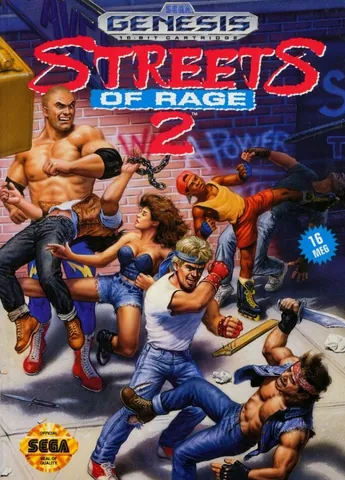
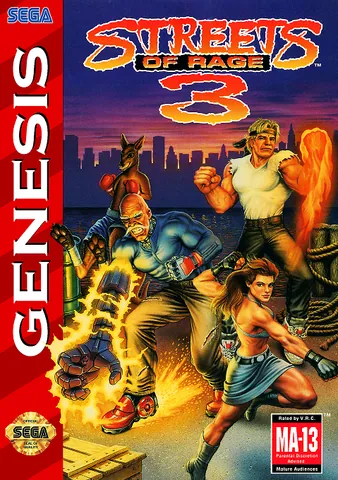
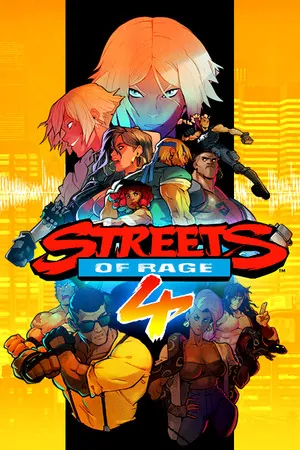
Culturally, the game defined the urban action genre on the Mega Drive and founded a trilogy that culminated in the legendary Streets of Rage 2. After a long pause, the series then received the celebrated sequel Streets of Rage 4 in 2020 from Lizardcube and Guard Crush Games, which managed to carry the spirit of the original into the modern era and earned enthusiastic reviews.
What fascinates most about the original is its purity. No frills, just movement, rhythm, and combat. Decades later the game remains perfectly playable, and its first stage, with the city slowly lighting up, ranks among the best-set atmospheres of the sixteen-bit era.
Why play: An essential urban brawler with one of the best soundtracks of its time, ideal for a solo run as well as couch co-op.
Game 70 of 151 for SEGA Mega Drive
The same title elsewhere (2)
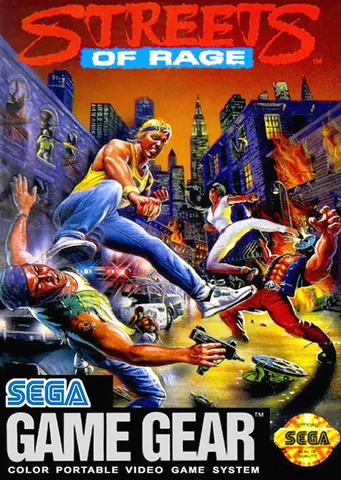
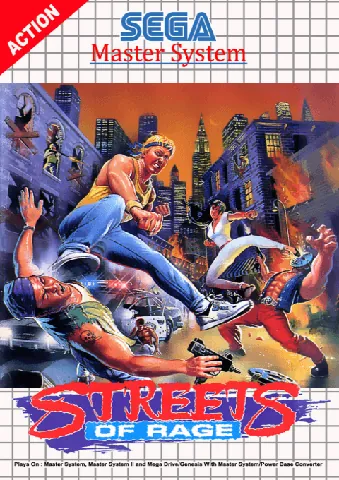
The 1991 SEGA Mega Drive version is built on Yuzo Koshiro's iconic music, fully exploited by the console's FM synthesis, and offers two-player co-op. The portable SEGA Game Gear version, due to its smaller screen and weaker hardware, had to cut down the number of enemies on screen and the quality of the music, and reduced the game to single-player only. The graphics are logically simpler and less colorful, matching what the handheld could manage. The Mega Drive version therefore remains the main, most valued form of the game, while the Game Gear offers more of a lightweight version for the road.